Are 4Runners Losing Value Or Is Depreciation Winning
Many truck fans wonder if 4Runners are losing value, but the data tells a more nuanced story. While all vehicles face depreciation, the Toyota 4Runner consistently ranks among the best SUVs for holding its worth. In this deep dive, we explore why 4Runner value has remained strong for decades and what factors could change that in the years ahead.
There is a quiet debate happening among truck lovers and SUV shoppers everywhere. Are 4Runners losing value, or is this legendary Toyota simply winning the long game? If you have been watching the used car market lately, you have probably noticed something interesting. Prices for older 4Runners have been climbing. People are paying near-retail for vehicles that are several years old. This is not normal for most cars and trucks.
Toyota built the 4Runner with a reputation for toughness and reliability. For decades, it has been one of the most sought-after SUVs on the road. But the automotive world is changing fast. Electric vehicles are gaining popularity. New tech is reshaping what buyers want. So where does the 4Runner stand today? Let us break down the real numbers and find out if 4Runners are losing value or if this truck still has something special going for it.
Key Takeaways
- 4Runner value remains strong: Toyota’s legendary SUV holds resale value better than most competitors in the midsize SUV class.
- Depreciation affects every vehicle: Even the 4Runner loses value over time, but the rate is slower than average.
- Trim level matters a lot: TRD Off-Road and Limited trims tend to retain value far better than base SR5 models.
- Supply and demand drive pricing: Low production numbers and high buyer demand keep used 4Runner prices elevated.
- Newer models face new challenges: The latest generation 4Runner may see faster depreciation as the market shifts toward hybrids and EVs.
- Maintenance plays a big role: Well-kept 4Runners with clean histories command premium resale prices.
- Buying used is a smart move: The steepest depreciation happens in the first few years, making used models excellent value.
📑 Table of Contents
- Why the Toyota 4Runner Has Been So Popular
- Understanding 4Runner Depreciation
- How 4Runner Value Compares to Other SUVs
- What Affects 4Runner Resale Value
- Are Newer 4Runners Losing Value Faster?
- Common Mistakes That Hurt 4Runner Value
- Expert Insights on 4Runner Value Trends
- Should You Buy a 4Runner If You Want Value?
Why the Toyota 4Runner Has Been So Popular
The 4Runner is not just another SUV. It is a cultural icon. For over 35 years, Toyota has built a vehicle that combines off-road capability with everyday practicality. That rare mix has created a loyal fan base that spans generations.
A Legacy of Reliability
When people think of the 4Runner, they think of dependability. Toyota’s reputation for building trucks that last is well earned. Many 4Runners clock well over 300,000 miles with basic maintenance. This kind of longevity naturally supports strong 4Runner resale value. Buyers know they are getting a vehicle that will keep going long after the warranty expires.
The 4Runner also has a simple engineering philosophy. It uses a body-on-frame design, which is the same construction found in full-size pickup trucks. This makes it durable and easy to repair. Unlike many modern SUVs that rely on complex electronics and unibody frames, the 4Runner keeps things straightforward. That simplicity is a huge selling point for buyers who want a truck they can trust.
The Off-Road Factor
Few SUVs can match the 4Runner when it comes to off-road performance. The TRD Off-Road and TRD Pro trims come equipped with locking differentials, crawl control, and multi-terrain select. These features make the 4Runner a genuine trail machine. For outdoor enthusiasts, overlanders, and adventure seekers, this capability is a major reason the 4Runner holds its value so well.
Off-road culture has grown massively in recent years. Social media platforms are filled with 4Runner builds and trail adventures. This visibility keeps demand high. Strong demand naturally supports better 4Runner value retention over time.
Understanding 4Runner Depreciation
Every vehicle loses value after you drive it off the lot. This is called depreciation. But not all depreciation is created equal. Some vehicles shed value quickly, while others hold steady. The 4Runner falls firmly into the second category. Let us look at how 4Runner depreciation actually works and what the numbers tell us.
How Fast Does a 4Runner Lose Value?
On average, a new SUV loses about 15% to 25% of its value in the first year. The 4Runner tends to fall on the lower end of that range. After five years, most SUVs have lost 50% or more of their original value. A 4Runner typically loses closer to 35% to 45% over the same period. That is a significant difference over time.
Here is a simple comparison of how a 2020 Toyota 4Runner Limited might depreciate compared to a similar-sized SUV:
- 2020 Toyota 4Runner Limited: Original MSRP around $47,000. Current used market value around $34,000. That is roughly 28% depreciation over five years.
- 2020 Ford Explorer Limited: Original MSRP around $50,000. Current used market value around $28,000. That is roughly 44% depreciation over five years.
- 2020 Chevrolet Tahoe: Original MSRP around $55,000. Current used market value around $32,000. That is roughly 42% depreciation over five years.
These numbers clearly show that the 4Runner outperforms most competitors in the depreciation race. This is a big part of why people keep asking whether 4Runners are losing value. The answer, based on the data, is that they lose value slower than almost everything else in their class.
Depreciation vs. Resale Value
It is important to understand the difference between depreciation and resale value. Depreciation is the loss of value over time. Resale value is what you can actually get when you sell. A vehicle can have high depreciation in year one but still have excellent resale value compared to competitors. That is exactly the situation with the 4Runner.
Kelley Blue Book and Edmunds regularly rank the 4Runner among the top vehicles for resale value. In recent years, it has earned spots on their Best Resale Value Award lists. These awards are based on predicted and actual resale data. They are a strong indicator that 4Runner value retention remains excellent.
How 4Runner Value Compares to Other SUVs
To truly understand whether 4Runners are losing value, we need to look at the competition. The midsize SUV segment is crowded. Every brand claims their vehicle is the best. But when it comes to holding value, the 4Runner stands out.
4Runner vs. Honda Pilot
The Honda Pilot is a popular family SUV. It is reliable, spacious, and well-liked. However, the Pilot depreciates faster than the 4Runner. After five years, a Pilot typically loses about 45% to 50% of its value. The 4Runner loses less. This gap becomes even more pronounced when you compare specific trims and configurations.
4Runner vs. Jeep Wrangler
The Jeep Wrangler is the 4Runner’s closest rival in terms of off-road cred. Both vehicles have strong resale value. In head-to-head comparisons, the Wrangler and 4Runner trade blows. Some years, the Wrangler holds value slightly better. Other years, the 4Runner edges ahead. Overall, both are excellent at retaining value, but the 4Runner tends to be more consistent year over year.
4Runner vs. Toyota Tacoma
The Toyota Tacoma is a pickup truck, but it deserves mention here. The Tacoma and 4Runner share the Toyota DNA of reliability and strong resale. The Tacoma often holds value even better than the 4Runner. Together, these two vehicles form Toyota’s fortress of value retention in the new vehicle market.
What Affects 4Runner Resale Value
Several factors influence how well a 4Runner holds its value. Understanding these can help you make smarter buying and selling decisions. Let us walk through the key elements that impact 4Runner resale value.
Trim Level and Options
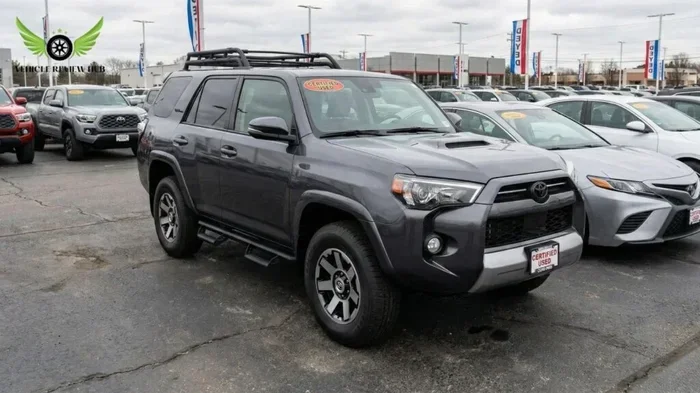
Not all 4Runners are created equal when it comes to value retention. The TRD Off-Road and TRD Pro trims consistently command the highest resale prices. These trims come with features that buyers actively seek. Off-road packages, upgraded suspension, and special styling all add appeal on the used market.
On the other hand, base SR5 models depreciate slightly faster. This does not mean they are bad purchases. It simply means the resale gap between trims is real. If you plan to sell your 4Runner within a few years, choosing a higher trim can pay off significantly.
Mileage and Condition
Low-mileage 4Runners in clean condition sell for a premium. Buyers on the used market look for vehicles with under 80,000 miles. A well-maintained 4Runner with 50,000 miles can easily command a price close to a new model from a few years back.
Condition goes beyond the odometer. Interior wear, exterior paint condition, and maintenance records all matter. A 4Runner with documented service history and a clean Carfax report will always sell faster and for more money than one with a questionable past.
Market Demand and Timing
Timing matters more than most people realize. When new 4Runners are in short supply, used prices spike. This has been a recurring theme in recent years. Toyota has struggled to keep 4Runners in stock at dealerships. When inventory is low, used market prices rise. This supply-demand imbalance has been a major factor in keeping 4Runner value strong.
Seasonal trends also play a role. Spring and early summer typically see higher demand for off-road vehicles. Prices tend to peak during these months. If you are buying or selling, timing your transaction can make a real difference in the final number.
Are Newer 4Runners Losing Value Faster?
This is the question on many people’s minds. The latest generation 4Runner launched in 2024. It features a completely new platform, a twin-turbo V6 engine, and modern tech throughout. These are exciting changes. But they also raise questions about future value retention.
The New Platform and Its Implications
The new 4Runner moves to a monocoque frame instead of the traditional body-on-frame design. This makes it lighter and more efficient. It also brings it closer to the unibody construction used by most competitors. Some truck enthusiasts worry that this shift signals a move away from the rugged DNA that made the old 4Runner so special.
If buyers perceive the new 4Runner as less capable, that could impact resale value down the road. However, Toyota has a strong track record. The new engine and updated features may attract a new generation of buyers who keep demand high.
The Hybrid and EV Shift
The automotive industry is moving toward electrification. Toyota has embraced hybrids across its lineup. The 4Runner, however, remains a traditional gasoline-powered SUV for now. As buyers become more eco-conscious, a non-hybrid 4Runner could face headwinds. Vehicles that do not align with industry trends sometimes experience accelerated depreciation.
That said, the 4Runner has survived many industry shifts before. It outlasted the SUV boom, the fuel crisis, and countless trend cycles. There is every reason to believe it will continue to hold value even as the market evolves.
Production Shortages and Their Impact
Toyota has deliberately limited 4Runner production in recent years. This strategy creates scarcity, which supports strong resale on the used market. However, it also means that new 4Runners sell for well above sticker price. When new vehicles are sold at inflated prices, the used market can become saturated with slightly used examples. This could soften depreciation in the short term but might create volatility in the long term.
Common Mistakes That Hurt 4Runner Value
Even the best vehicles lose value faster when owners make avoidable mistakes. If you own a 4Runner or are planning to buy one, steering clear of these pitfalls will help protect your investment.
- Neglecting regular maintenance: Skipping oil changes and scheduled services leaves a visible mark on resale value. Always keep up with Toyota’s recommended maintenance schedule.
- Ignoring cosmetic damage: Small dents and scratches compound over time. Fixing them promptly keeps the vehicle looking its best and commands a higher sale price.
- Modifying excessively: Aftermarket lifts, aggressive bumpers, and non-OEM accessories can narrow your buyer pool. While some mods add fun, they often reduce resale value.
- Skipping the Carfax report: Buyers trust transparency. A vehicle with no history report will always sell for less than one with a clean, documented record.
- Waiting too long to sell: Every vehicle has a depreciation sweet spot. Holding onto a 4Runner too long means you miss the window where it holds the most value.
Expert Insights on 4Runner Value Trends
Industry analysts and automotive experts have been watching 4Runner pricing closely. Most agree that the 4Runner remains one of the strongest value-retention vehicles in its class. However, they also see shifts on the horizon.
According to data from iSeeCars, the 4Runner consistently ranks in the top five vehicles for lowest depreciation rates. Some experts predict that the latest generation could see a brief period of faster depreciation as buyers adjust to the new design and features. But long-term, the 4Runner’s reputation should keep resale values healthy.
Others point out that the used 4Runner market has been overheated. Prices for older models have reached unprecedented levels. This is partly driven by low new-vehicle inventory and high demand. When new 4Runner supply normalizes, used prices may settle back down. This does not mean 4Runners are losing value. It simply means the market is correcting after an unusual period.
Should You Buy a 4Runner If You Want Value?
The short answer is yes. The 4Runner remains one of the smartest buys in the SUV market if value retention matters to you. Whether you choose new or used depends on your goals and budget.
Buying New vs. Used for Maximum Value
Buying a new 4Runner means accepting the steepest depreciation hit in the first two to three years. However, you get the latest features, a full warranty, and the peace of mind that comes with a factory-fresh vehicle.
Buying a used 4Runner lets you avoid that initial depreciation. A 3- to 5-year-old 4Runner offers most of the capability and reliability of a new one at a significantly lower price. Many experts recommend buying used as the best strategy for maximizing 4Runner value.
Final Thoughts on 4Runner Value
So are 4Runners losing value? The honest answer is that all vehicles depreciate. The 4Runner is no exception. But it depreciates slower than nearly every competitor in its segment. That makes it one of the best choices for anyone who cares about long-term value.
Toyota built the 4Runner to last. Its reputation for reliability, its off-road prowess, and its strong resale numbers all point in the same direction. Depreciation may be winning the battle with every vehicle on the road. But when it comes to the 4Runner, it is losing the war.
If you are in the market for a capable, reliable SUV that will hold its value for years to come, the 4Runner deserves a serious look. It has earned its reputation one mile at a time. And based on current trends, that reputation is likely to endure for many more years to come.
Frequently Asked Questions
Are 4Runners losing value in 2024 and beyond?
All vehicles lose value over time, but the 4Runner depreciates slower than most SUVs in its class. While newer models may see some adjustment as the market evolves, the 4Runner’s strong reputation for reliability should keep its value relatively stable for the foreseeable future.
Why do 4Runners hold their value so well?
The 4Runner holds its value because of Toyota’s legendary reliability, strong off-road capability, limited production numbers, and high consumer demand. These factors combine to create a vehicle that buyers are willing to pay a premium for, even years after its initial sale.
Which 4Runner trim holds value the best?
The TRD Off-Road and TRD Pro trims consistently retain the highest resale value. These trims include sought-after off-road features and upgrades that buyers actively look for on the used market. Base SR5 models also hold value well but tend to depreciate slightly faster.
Is it better to buy a new or used 4Runner for value?
Buying a used 4Runner is generally the better value play. The steepest depreciation happens in the first three years of ownership. Purchasing a 3- to 5-year-old model lets you avoid that initial loss while still getting a reliable, capable vehicle with plenty of life left.
How does the new 2024 4Runner compare to older models in terms of value?
The new 2024 4Runner features a modern twin-turbo V6 and a new platform. While it is an exciting update, it is too early to know how its long-term value retention will compare. Early trends suggest it will still hold value well, but the market will need time to fully assess it.
What can I do to maximize my 4Runner’s resale value?
Keep up with regular maintenance, store the vehicle properly, address cosmetic issues promptly, and maintain a clean vehicle history. Avoid excessive aftermarket modifications, and consider selling during peak demand months in spring or early summer for the best return.
=== CONCLUSION ===
The question of whether 4Runners are losing value has a clear answer based on the data. While every vehicle faces depreciation, the 4Runner consistently outperforms its competition in holding resale value. Toyota’s combination of reliability, capability, and strong brand loyalty keeps demand high and prices stable.
Newer models will face new challenges as the industry shifts toward electrification and modern technology. But the 4Runner has proven time and again that it can adapt and endure. For buyers and owners alike, the 4Runner remains one of the smartest choices in the SUV market. If you value long-term worth and driving satisfaction, few vehicles can match what this iconic Toyota has to offer.