Are There Two Batteries in a Prius Hybrid Vehicle
Yes, a Prius hybrid has two batteries. The high-voltage traction battery powers the electric motor, while the 12-volt auxiliary battery runs the car’s electronics. Understanding both batteries helps you maintain your Toyota Prius properly and avoid unexpected issues.
If you own a Toyota Prius or are thinking about buying one, you might have wondered about the battery setup. The question “are there two batteries in a Prius hybrid” comes up a lot. And the answer is a clear yes. But knowing that is just the beginning. Understanding how each battery works can save you time, money, and headaches down the road.
The Prius hybrid system relies on two completely different batteries. They serve different purposes, sit in different locations, and need different types of care. Whether you are a current Prius owner or just curious about hybrid vehicle technology, this guide breaks it all down. You will learn what each battery does, how long they last, and what signs tell you something is wrong.
Let us dive into the world of Toyota hybrid battery systems and clear up the confusion once and for all.
Key Takeaways
- Two Batteries Exist: Every Prius hybrid has a high-voltage traction battery and a standard 12-volt auxiliary battery.
- Different Roles: The traction battery drives the electric motor, while the 12-volt battery powers accessories and the car’s computer systems.
- Longevity Varies: The hybrid battery can last 100,000 to 200,000 miles, while the 12-volt battery typically lasts 3 to 5 years.
- Replacement Costs Differ: The traction battery is expensive, but the 12-volt battery is affordable and easy to replace.
- Maintenance Matters: Regular checks and smart driving habits extend the life of both batteries significantly.
- Warning Signs Exist: Dashboard lights, reduced fuel economy, and slow starts signal battery problems early.
📑 Table of Contents
- The Short Answer: Yes, There Are Two Batteries
- The High-Voltage Traction Battery
- The 12-Volt Auxiliary Battery
- How the Two Batteries Work Together
- Common Battery Problems and Warning Signs
- Battery Replacement Costs
- Tips for Extending Battery Life
- Expert Insights on Prius Hybrid Batteries
- Final Thoughts
The Short Answer: Yes, There Are Two Batteries
Every Prius hybrid comes equipped with two separate batteries. This is standard across all Prius models. The two-battery setup is not unique to the Prius either. Most hybrid cars use this same design. But because the Prius is so popular, people ask about it constantly.
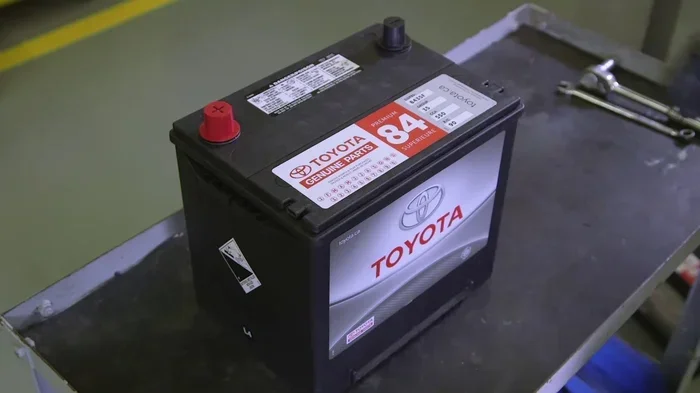
The first battery is the high-voltage traction battery. This is the big one. It stores energy that powers the electric motor. The second battery is a standard 12-volt auxiliary battery. It looks and works a lot like the battery in a regular gasoline car. It powers the lights, the radio, the computer systems, and everything else that keeps the car running when the engine is off.
Many people assume the Prius only has one battery because the electric motor gets all the attention. But the 12-volt battery plays a critical role too. Without it, the car simply will not start. It also manages the transition between gas and electric power. So both batteries are essential, even though they do very different jobs.
Why Two Batteries? The Simple Explanation
You might wonder why Toyota does not just use one battery for everything. The reason comes down to safety and efficiency. The high-voltage battery operates at several hundred volts. That is dangerous to touch and requires special handling. The 12-volt system is safe to work on and handles all the low-power tasks the car needs every day.
By splitting the systems, Toyota created a safer and more reliable hybrid powertrain. The high-voltage system handles the heavy lifting. The 12-volt system handles the everyday electronics. It is a smart design that has proven itself over decades of Toyota hybrid technology.
The High-Voltage Traction Battery
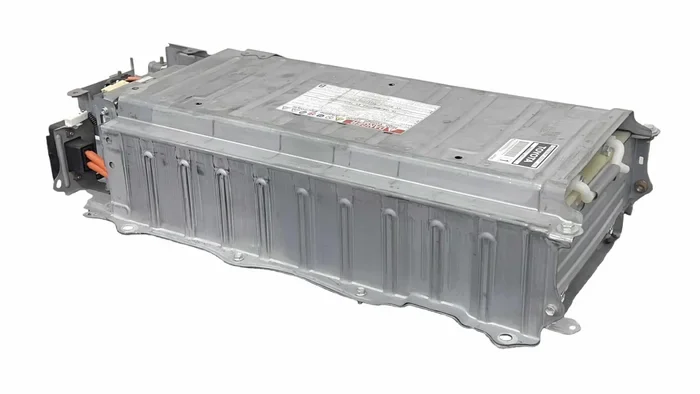
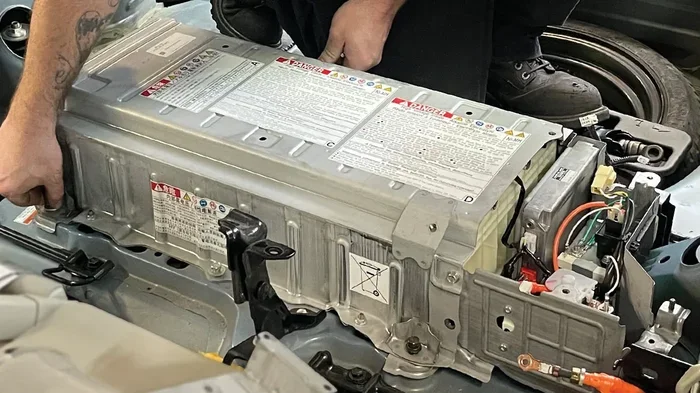
The traction battery is the heart of the Prius hybrid system. This is the battery that makes the Prius a hybrid. Without it, the car would just be a regular gasoline vehicle. Let us take a closer look at what makes this battery so important.
What Does the Traction Battery Do?
The traction battery stores electrical energy and delivers it to the electric motor. When you accelerate gently, the electric motor pulls power from this battery. When you slow down or brake, the battery gets recharged through a process called regenerative braking. This is one of the smartest features of any hybrid vehicle.
Regenerative braking captures energy that would normally be lost as heat. It sends that energy back to the battery. This means the hybrid battery recharges itself while you drive. You never need to plug in a Prius to charge the traction battery. That is a huge advantage over fully electric cars.
The traction battery also works alongside the gasoline engine. During hard acceleration, both the electric motor and the gas engine work together. The battery provides extra power when you need it most. During cruising, the gas engine can take over and even recharge the battery. This seamless switching is what makes the Prius so fuel-efficient.
What Type of Battery Is It?
Older Prius models use nickel-metal hydride (NiMH) batteries. These are durable and have been proven over many years. Newer Prius models use lithium-ion batteries. Lithium-ion batteries are lighter, more energy-dense, and last longer. They also charge and discharge more efficiently.
Both types are designed to last a long time. Toyota engineers built these batteries to handle thousands of charge cycles. They are built tough, and that shows in their real-world performance.
How Long Does the Traction Battery Last?
This is one of the most common questions Prius owners ask. The truth is, the hybrid battery life depends on several factors. Driving habits, climate, and maintenance all play a role. On average, a Prius traction battery lasts between 100,000 and 200,000 miles. Some owners report even longer life with proper care.
Here are some factors that affect battery longevity:
- Driving style: Aggressive acceleration and hard braking put more stress on the battery.
- Climate: Extreme heat and extreme cold both shorten battery life.
- Maintenance: Keeping the battery coolant system in good shape helps a lot.
- Age: Like all batteries, the traction battery slowly loses capacity over time.
The good news is that Toyota hybrid batteries are very reliable. Most Prius owners never need a full battery replacement during their ownership. But when the time comes, the cost can be significant.
The 12-Volt Auxiliary Battery
The 12-volt battery in a Prius is much more like the battery you find in any conventional car. It is smaller, cheaper, and easier to replace. But do not let its size fool you. This battery is essential to the entire hybrid system.
What Does the 12-Volt Battery Do?
The 12-volt battery powers all the electronics in the car. This includes the headlights, the infotainment system, the power windows, and the climate control. It also runs the car’s computer, which manages the hybrid system. Without the 12-volt battery, the Prius cannot turn on, cannot start, and cannot communicate with its own systems.
Here is an interesting detail. The 12-volt battery also controls the contactor. The contactor is a switch that connects the high-voltage traction battery to the rest of the car. When you turn the key or press the start button, the 12-volt battery activates the contactor. This allows power to flow from the traction battery to the electric motor. So the small 12-volt battery is actually the gatekeeper of the entire hybrid system.
How Long Does the 12-Volt Battery Last?
A standard car battery in a Prius lasts about 3 to 5 years. This is the same as any other vehicle. The lifespan depends on how much you drive, the climate, and how well you maintain it. If you leave lights on or accessories running when the engine is off, you will drain the battery faster.
One thing to watch for is the battery warning light on the dashboard. If you see a red or yellow battery icon, do not ignore it. It could mean the 12-volt battery is failing or there is a charging problem. Getting it checked early can prevent bigger issues later.
Replacing the 12-Volt Battery
Replacing the 12-volt auxiliary battery is straightforward and affordable. You can do it yourself with basic tools, or a mechanic can handle it in minutes. The cost is usually between 100 and 200 dollars. Compare that to the cost of replacing the traction battery, and you can see why the 12-volt battery is the easy one.
When buying a replacement, make sure you get the right type. Some Prius models use an AGM battery, while others use a standard flooded lead-acid battery. Check your owner’s manual or ask your dealer to be sure.
How the Two Batteries Work Together
The real magic of the Prius happens when both batteries work together seamlessly. The hybrid system coordinates the energy flow between the traction battery, the 12-volt battery, the electric motor, and the gasoline engine. This coordination is what gives the Prius its legendary fuel efficiency.
The Energy Flow Explained
Here is how the process works in simple terms. When you start the car, the 12-volt battery wakes up the systems. The car’s computer checks everything and then activates the contactor. This connects the traction battery to the powertrain. The electric motor draws power from the traction battery and moves the car. The gasoline engine kicks in when more power is needed or when the battery charge drops too low.
As you drive, regenerative braking sends energy back to the traction battery. The 12-volt battery gets recharged by a DC-DC converter that steps down the high voltage to a safe 12 volts. This means the 12-volt battery recharges itself while you drive, just like the traction battery does.
The whole system is designed to be self-sustaining. You do not need to plug in your Prius. You do not need to manually switch between power sources. The car handles everything automatically. This is what makes Toyota hybrid technology so convenient and appealing to millions of drivers worldwide.
Fuel Efficiency and Battery Performance
The fuel efficiency of a Prius is directly tied to how well the batteries perform. A healthy traction battery means better electric-only driving, smoother transitions, and higher miles per gallon. A weak 12-volt battery can cause starting problems and erratic behavior in the hybrid system.
Many Prius owners report getting 50 to 60 miles per gallon in real-world driving. Some even exceed those numbers. This impressive efficiency is only possible because both batteries are functioning at their best. Keeping them in good shape should be a top priority for any Prius owner.
Common Battery Problems and Warning Signs
Even the best batteries eventually show signs of wear. Knowing what to look for can help you catch problems early. This saves you from costly repairs and keeps your Prius running smoothly.
Signs of a Failing Traction Battery
The high-voltage traction battery can develop issues over time. Here are the most common warning signs:
- Reduced fuel economy: If your MPG drops significantly, the battery may not be holding a charge.
- Battery warning light: A red or yellow triangle with an exclamation point on the dashboard.
- Rough transitions: Jerky switching between electric and gas power can signal battery problems.
- Reduced electric-only mode: If the car rarely runs on electric alone, the battery may be weak.
- Strange noises: Humming or clicking sounds from the battery area are not normal.
If you notice any of these signs, get your Prius checked by a qualified mechanic. Ignoring battery problems can lead to bigger issues with the hybrid powertrain.
Signs of a Failing 12-Volt Battery
The 12-volt battery shows its problems more obviously. Here is what to watch for:
- Slow cranking: The engine turns over slowly when you start the car.
- Dim headlights: Lights are noticeably dimmer than usual, especially when idling.
- Electrical issues: Power windows move slowly or the infotainment system glitches.
- Battery light on dashboard: This is the most direct warning sign.
- Battery age: If the battery is more than 4 years old, consider having it tested.
Replacing the 12-volt battery at the first sign of weakness is much cheaper than dealing with a dead battery on the side of the road. Keep spare batteries in your trunk if you live in a cold climate. Extreme cold drains 12-volt batteries faster than anything else.
Battery Replacement Costs
Cost is always a concern when it comes to battery replacement. The two batteries in a Prius have very different price tags. Let us break it down so you know what to expect.
Traction Battery Replacement Cost
Replacing the high-voltage traction battery is expensive. The cost typically ranges from 2,000 to 4,500 dollars for parts and labor. Some dealers charge more, especially for newer models with lithium-ion batteries. The good news is that many independent shops can do the job for less.
Before you spend thousands of dollars, consider a battery rebuild. Many shops can refurbish your existing battery for a fraction of the cost. A rebuilt battery can last for years and costs between 1,200 and 2,500 dollars. This is a great option if your battery is still underperforming but not completely dead.
12-Volt Battery Replacement Cost
Replacing the 12-volt auxiliary battery is quick and affordable. The part costs between 80 and 200 dollars. Labor is minimal since it is a simple swap. Most owners can do it themselves with a basic socket wrench. This makes the 12-volt battery the easy and inexpensive fix.
| Battery Type | Typical Cost | Lifespan | Replacement Difficulty |
|---|---|---|---|
| High-Voltage Traction Battery | 2,000 – 4,500 dollars | 100,000 – 200,000 miles | Difficult – requires a specialist |
| 12-Volt Auxiliary Battery | 80 – 200 dollars | 3 – 5 years | Easy – DIY friendly |
Tips for Extending Battery Life
You can take simple steps to make both batteries in your Prius last longer. These tips are easy to follow and can add years of reliable service to your vehicle.
For the Traction Battery
- Avoid extreme temperatures when possible. Park in a garage or shaded area during hot weather. Use a battery warmer in freezing climates.
- Drive smoothly. Gentle acceleration and braking reduce stress on the battery and the entire hybrid system.
- Keep the battery coolant system maintained. Have your dealer check the coolant level during regular service visits.
- Do not fully drain the battery. The hybrid system manages this automatically, but avoiding deep discharge cycles helps.
- Keep the tires properly inflated. Low tire resistance means less work for the electric motor and less strain on the battery.
For the 12-Volt Battery
- Turn off accessories when the engine is off. This includes lights, the radio, and any USB charging devices.
- Drive regularly. Batteries charge best when the car is driven often. A car sitting idle for weeks can drain the 12-volt battery.
- Have the battery tested annually. Most auto parts stores offer free battery testing. This helps you catch weak batteries before they fail.
- Clean the terminals. Corrosion on battery terminals can cause starting problems. A quick wipe with a wire brush keeps things clean.
Quick Tips for Prius Battery Owners
- Always use the recommended battery type for your specific Prius model year.
- Keep a roadside emergency kit in your trunk with jumper cables or a portable jump starter.
- Read your owner’s manual for model-specific battery maintenance schedules.
- Do not ignore warning lights. They are your car’s way of telling you something needs attention.
- Find a trusted mechanic who specializes in hybrid vehicles before you need one.
Expert Insights on Prius Hybrid Batteries
Many Prius owners have driven their cars for 200,000 miles or more with the original traction battery still intact. This is a testament to Toyota’s engineering and the durability of the hybrid battery system. However, the 12-volt battery is a different story. It is a consumable item that needs regular attention.
Hybrid technology has come a long way since the first Prius rolled off the assembly line in 1997. The batteries are more advanced, more reliable, and more efficient than ever. Toyota continues to invest in battery research and development. This means future Prius models will likely have even better battery performance and longevity.
One thing that surprises many new Prius owners is how little maintenance the hybrid system requires. There are no spark plugs to change in the electric motor. There is no transmission fluid to worry about in most models. The hybrid battery manages itself. This is one of the biggest advantages of owning a Prius.
That said, the battery is not immune to wear. Time and mileage take their toll on all batteries. The key is to stay proactive. Monitor your fuel economy, watch for warning lights, and have the batteries tested regularly. A little attention goes a long way toward keeping your Prius in top shape for years to come.
Final Thoughts
So the answer to “are there two batteries in a Prius hybrid” is absolutely yes. The high-voltage traction battery and the 12-volt auxiliary battery each play a vital role in making your Prius work the way it should. The traction battery powers the electric motor and delivers outstanding fuel efficiency. The 12-volt battery keeps all the electronics running and manages the hybrid system’s startup process.
Understanding how these two batteries work together gives you a big advantage as a Prius owner. You can spot warning signs early, perform basic maintenance, and avoid unnecessary expenses. Both batteries are built to last, but they do need attention over time.
Whether you are a first-time Prius buyer or a long-time owner, taking care of your hybrid vehicle batteries is one of the best things you can do. Keep both batteries healthy, drive smart, and your Prius will reward you with years of reliable, efficient service. The Toyota Prius has earned its reputation as one of the most dependable hybrid cars on the road, and a big part of that reputation comes from a well-designed two-battery system that simply works.
Now you know the full story behind the two batteries in a Prius hybrid. Share this knowledge with fellow Prius owners or anyone curious about hybrid car battery technology. The more people understand how these systems work, the better they can care for their vehicles and enjoy the benefits of hybrid technology for years to come.
Frequently Asked Questions
Can I drive my Prius if the 12-volt battery dies?
No, you cannot. The 12-volt battery is required to start the car and activate the hybrid system. If it dies, the Prius will not turn on. You can jump-start the 12-volt battery using another car or a portable jump starter. Once the car is running, the DC-DC converter will recharge the 12-volt battery as you drive.
How much does it cost to replace the traction battery in a Prius?
The cost typically ranges from 2,000 to 4,500 dollars for a new traction battery including parts and labor. A rebuilt or refurbished battery costs less, usually between 1,200 and 2,500 dollars. Prices vary based on your Prius model year and where you have the work done.
Does the Prius traction battery need to be plugged in?
No, it does not. The Prius uses regenerative braking and the gasoline engine to recharge the traction battery automatically. You never need to plug it into an external charger. This is one of the biggest advantages of a standard hybrid compared to a plug-in hybrid or a fully electric vehicle.
How do I know if my Prius hybrid battery is failing?
Common signs include reduced fuel economy, a battery warning light on the dashboard, rough transitions between electric and gas power, and loss of electric-only driving mode. If you notice any of these symptoms, have your Prius inspected by a qualified hybrid technician as soon as possible.
Can I replace the 12-volt battery myself?
Yes, you can. The 12-volt battery in a Prius is easy to access and replace. You will need a basic socket wrench and a replacement battery that matches your Prius model. Always disconnect the negative terminal first and reconnect it last to avoid electrical shorts.
How long does the Prius 12-volt battery last?
A Prius 12-volt battery typically lasts between 3 and 5 years. Extreme temperatures, infrequent driving, and leaving accessories on can shorten its lifespan. Having the battery tested annually helps you catch weakness before it leads to a failure.
=== CONCLUSION ===
The Prius hybrid battery system is one of the most well-designed features of this iconic car. Two batteries working together create a seamless, efficient, and reliable driving experience. The high-voltage traction battery handles the heavy work of electric propulsion, while the 12-volt auxiliary battery keeps everything else running smoothly.
Taking care of both batteries is simple and rewarding. Regular maintenance, smart driving habits, and prompt attention to warning signs go a long way. Whether you are already a proud Prius owner or considering becoming one, understanding the battery system gives you confidence and control.
The Toyota Prius continues to prove that hybrid technology is practical, reliable, and built to last. And at the heart of that reliability is a clever two-battery design that has stood the test of time. Take care of your batteries, and they will take care of you for many miles to come.