At What Mileage Do Prius Batteries Need to Be Replaced
The hybrid battery in a Toyota Prius typically needs replacement between 100,000 and 150,000 miles. Most owners report battery issues starting around the 120,000-mile mark, but proper maintenance can push that number higher. Prius battery replacement costs range from $2,000 to $6,000 depending on the model year and battery type. Understanding hybrid battery life helps you plan ahead and avoid unexpected breakdowns. This guide covers everything you need to know about battery replacement mileage and more.
This is a comprehensive guide about At What Mileage Do Prius Batteries Need to Be Replaced.
Key Takeaways
- Typical Replacement Mileage: Most Prius batteries need replacement between 100,000 and 150,000 miles.
- Early Warning Signs: Reduced fuel economy, dashboard warnings, and uneven battery bars signal trouble.
- Replacement Cost: Expect to pay between $2,000 and $6,000 for a new or refurbished battery pack.
- Battery Type Matters: Older models use nickel-metal hydride batteries, while newer ones use lithium-ion.
- Maintenance Helps: Regular hybrid system checks and smart driving habits can extend battery life significantly.
- Warranty Coverage: Many Toyota Prius batteries come with an 8-year or 100,000-mile warranty.
- Repair vs. Replace: Sometimes individual battery modules can be replaced instead of the entire pack.
[FEATURED_IMAGE_PLACEHOLDER]
Understanding Prius Battery Life and When It Fails
The Toyota Prius has been a favorite among hybrid car owners for decades. Its fuel efficiency and reliability make it a smart choice for daily commuting. But like every vehicle component, the hybrid battery has a lifespan. Knowing when to expect battery degradation helps you stay ahead of costly repairs.
So, at what mileage do Prius batteries need to be replaced? The short answer is that most owners see the need for a Prius battery replacement somewhere between 100,000 and 150,000 miles. However, this number varies based on driving habits, climate, and maintenance. Some Prius owners have pushed their batteries well beyond 200,000 miles with proper care.
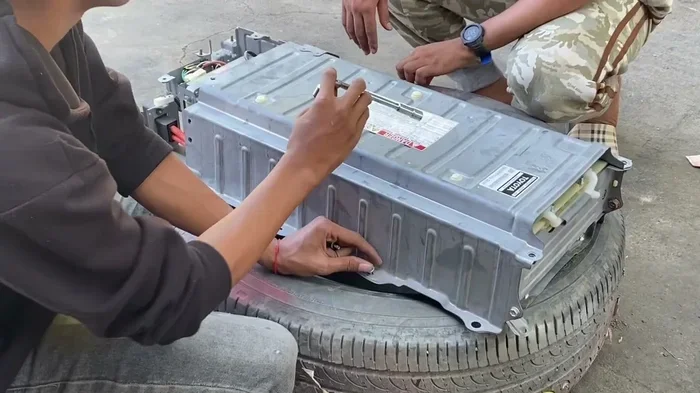
The battery pack in a Prius is not like a standard car battery. It is a hybrid battery pack made up of many individual modules working together. These modules store energy recovered through regenerative braking and deliver it to the electric motor. Over time, these modules can weaken, leading to battery degradation and reduced performance.
Toyota designed the Prius battery system to last a long time. The original nickel-metal hydride batteries were built for durability. Newer models use lithium-ion battery technology, which offers even better longevity. Despite these advances, every battery will eventually lose its ability to hold a full charge.
Understanding your hybrid vehicle maintenance needs is the first step in avoiding a sudden battery failure. Let us look at the factors that influence how long your Prius battery will last.
Factors That Affect Prius Battery Lifespan
Several things determine how many miles you will get out of your Prius battery. Driving style plays a huge role. Aggressive acceleration and hard braking put more stress on the battery pack. Gentle driving, on the other hand, reduces wear and extends hybrid battery life.
Climate is another major factor. Extreme heat and extreme cold both accelerate battery degradation. If you live in a very hot or very cold region, your battery may wear out faster. Parking in a garage or shaded area can help protect the battery pack from temperature extremes.
How you charge and use your battery matters too. The Prius self-charges through regenerative braking, so you do not need to plug it in (for standard models). But frequently running on battery power alone at low speeds can strain the system over time.
Signs Your Prius Battery Needs Attention
Recognizing the early warning signs of battery problems can save you from being stranded. The sooner you catch these symptoms, the better your options for repair or replacement become.
Warning Lights and Dashboard Alerts
The most obvious sign is the check engine light or a hybrid system warning on your dashboard. When the Prius hybrid system detects a problem with the battery, it will alert you. Do not ignore these warnings. They often appear long before the battery completely fails.
Reduced Fuel Economy
A healthy Prius battery helps the gas engine work less. When the battery starts to degrade, the gas engine compensates. You will notice your miles per gallon dropping significantly. If your fuel economy drops by 15 to 20 percent, it is time to investigate your battery health.
Uneven Battery Bars on the Display
The Prius has a battery charge display on the dashboard. When all the bars are not level, it indicates a problem. One or more battery modules may be failing. This is a common issue in high-mileage Prius vehicles and often signals the need for battery pack lifespan evaluation.
Strange Noises or Reduced Power
Some owners report clicking sounds or reduced acceleration when the battery weakens. The electric motor may not provide the usual boost. You might feel sluggishness during highway merges or uphill driving. These are clear signs that the battery pack is struggling.
Average Mileage for Battery Replacement
Let us get to the core question: at what mileage do Prius batteries need to be replaced? The answer depends on several factors, but here is a general breakdown based on real-world data and owner reports.
Mileage Ranges by Prius Generation
Different Prius generations use different battery technologies, which affects longevity. Here is a closer look at what to expect from each generation.
First Generation (1997-2003): These early models used nickel-metal hydride batteries. Many first-generation Prius owners report battery issues around 100,000 to 120,000 miles. However, some have gone well beyond that with minimal problems.
Second Generation (2004-2009): The NHW20 model improved battery durability. Owners typically see the need for replacement between 120,000 and 150,000 miles. The battery management system was also refined during this period.
Third Generation (2010-2015): The NDH21 and NHW30 models continued using nickel-metal hydride but with better cooling systems. Many owners reach 150,000 miles or more before needing a replacement.
Fourth Generation (2016-Present): The latest Prius models introduced lithium-ion batteries in some trim levels. These batteries are designed for even longer life, often exceeding 150,000 miles before replacement becomes necessary.
What the Data Shows
According to Toyota and independent studies, the average battery replacement interval for most Prius models falls between 100,000 and 150,000 miles. Some owners push past 200,000 miles without a full replacement. The key is monitoring your battery health regularly and addressing small issues before they become big problems.
Prius Battery Replacement Cost and Options
Nobody wants to be surprised by a huge repair bill. Understanding the Prius battery cost upfront helps you budget and make informed decisions.
How Much Does a Prius Battery Replacement Cost?
The cost of replacing a Prius battery varies widely. A brand-new OEM battery pack typically costs between $3,000 and $6,000 installed. Refurbished or remanufactured battery packs are more affordable, usually ranging from $1,500 to $3,000. If you choose a used battery from a salvage yard, you might pay as little as $800 to $1,500.
Labor costs also factor into the total. Most shops charge between $500 and $1,500 for installation. The process involves removing the old battery pack, installing the new one, and reprogramming the hybrid system. It is not a quick 10-minute job, so factor in the time required.
OEM vs. Aftermarket Batteries
OEM (Original Equipment Manufacturer) batteries come directly from Toyota. They are guaranteed to meet factory specifications and often come with a warranty. Aftermarket batteries are made by third-party manufacturers. Some are excellent quality, while others may not last as long.
When choosing between OEM and aftermarket, consider the warranty and reputation of the supplier. A cheaper battery that fails after a year is not a savings. Investing in a quality battery pack saves money in the long run.
Does Warranty Cover Battery Replacement?
Toyota offers a comprehensive warranty on hybrid batteries. Most Prius models come with an 8-year or 100,000-mile battery warranty, whichever comes first. Some states offer extended emissions warranties that cover the hybrid battery for up to 10 years or 150,000 miles. If your battery fails within the warranty period, Toyota will replace it at no cost to you.
Tips to Extend Your Prius Battery Life
Want to get the most miles out of your Prius battery? Small changes in how you drive and maintain your vehicle can make a big difference. Here are proven strategies to keep your battery healthy for longer.
Drive Smoothly and Avoid Aggressive Habits
Gentle acceleration and smooth braking reduce stress on the battery pack. Hard acceleration drains the battery quickly and generates excess heat. Over time, this heat accelerates battery degradation. Aim for gradual speed changes whenever possible.
Keep Battery Modules Balanced
The individual modules in your battery pack should all hold similar charge levels. If one module falls behind, it strains the entire system. Some owners use a battery monitoring tool to track module voltage. Rebalancing the modules early can prevent the need for a full Prius battery replacement.
Avoid Extreme Temperatures When Possible
Heat is the enemy of battery longevity. Parking in a garage or shaded area helps keep the battery pack cool in summer. In winter, letting the car warm up before driving gently reduces strain on the cold battery. Extreme temperature swings are particularly damaging over time.
Stick to Regular Maintenance Schedules
Toyota recommends regular hybrid system checks during routine service. These inspections include battery voltage tests and cooling system evaluations. Catching a small issue early can prevent a full battery failure. Do not skip your scheduled maintenance appointments.
Use the Right Driving Modes
Some Prius models offer different driving modes. Using Eco mode for daily commuting reduces battery strain. Reserve power-hungry modes for situations where you truly need extra performance. Smart mode selection is a simple way to protect your battery.
Monitor Your Fuel Economy
Your fuel economy is a direct reflection of battery health. A sudden drop in MPG often indicates battery problems. Keep track of your mileage and fuel consumption. A consistent decline is your early warning system for battery issues.
Repair vs. Replace: Making the Right Decision
When your Prius battery starts showing signs of wear, you have options. A full replacement is not always the only path. Understanding your choices helps you make the best decision for your budget and vehicle.
When to Replace the Entire Battery Pack
If multiple battery modules have failed, a full replacement is usually the most practical option. When the battery pack drops below 40 to 50 percent of its original capacity, the vehicle loses significant efficiency. At this point, replacing the entire pack makes the most sense financially and performance-wise.
When Module Replacement Is Enough
If only one or two modules are failing, you might be able to replace just those modules. This approach costs significantly less than a full battery pack replacement. Some specialty shops can test individual modules and replace only the faulty ones. This option works best when caught early.
Refurbished and Reconditioned Battery Options
Refurbished batteries offer a middle ground between new and used. A quality refurbishment involves testing each module, replacing the weak ones, and repackaging the battery. These batteries often come with their own warranty and can last many more miles at a fraction of the cost of a new pack.
Common Mistakes Prius Owners Make With Battery Care
Avoiding these common mistakes can help you protect your Prius battery and extend its lifespan well beyond the average mileage.
- Ignoring Dashboard Warnings: Dismissing warning lights is the fastest way to turn a small problem into a big repair bill.
- Skipping Regular Maintenance: Routine checks catch battery issues early when they are still affordable to fix.
- Driving Aggressively: Hard acceleration and braking wear out the battery faster than gentle driving.
- Neglecting Cooling System Maintenance: The battery cooling system is critical. A clogged cooling fan or low coolant accelerates battery degradation.
- Choosing the Cheapest Option: The lowest-priced battery replacement may save money upfront but could fail sooner, costing you more in the long run.
- Not Tracking Fuel Economy: Your MPG is one of the best indicators of battery health. Ignoring drops means missing early warning signs.
Expert Insights on Prius Battery Longevity
Toyota engineers designed the Prius battery system with longevity in mind. The company uses robust cooling systems and quality cell construction to maximize battery pack lifespan. According to Toyota’s own data, the majority of Prius batteries last well beyond the warranty period.
Hybrid battery experts recommend treating your Prius battery with the same care you would give any major vehicle component. Regular monitoring, gentle driving, and timely maintenance go a long way. The hybrid battery life of a Prius is largely in the owner’s hands.
Independent mechanics who specialize in hybrid vehicles often share the same advice. They emphasize that early detection of battery issues is the key to affordable repairs. A small module replacement costs a fraction of what a full pack replacement costs. Staying proactive with your hybrid vehicle maintenance pays off significantly over time.
For high-mileage Prius owners, the conversation about battery health becomes more frequent. If you are pushing past the 100,000-mile mark, it is wise to have your battery tested annually. Many shops offer free or low-cost battery health checks. This simple step can give you peace of mind and help you plan for the future.
Final Thoughts on Prius Battery Replacement Mileage
The question of at what mileage do Prius batteries need to be replaced does not have a single answer. Most owners will need a replacement between 100,000 and 150,000 miles. But with the right care and attention, you can push that number higher and get more value from your vehicle.
Your driving habits, climate, and maintenance routine all play a role in determining your battery’s lifespan. Pay attention to the warning signs, stay on top of maintenance, and make informed decisions when the time for replacement comes. A well-maintained Prius battery can serve you reliably for many miles to come.
The investment in battery replacement is significant but worthwhile. A new or refurbished battery restores your Prius to its peak efficiency. You will notice improved fuel economy, smoother acceleration, and greater confidence in your daily driving. Take care of your hybrid battery, and it will take care of you for years to come.
Frequently Asked Questions
How do I know if my Prius battery needs replacing?
Look for reduced fuel economy, dashboard warning lights, uneven battery bars on your display, and sluggish acceleration. These are the most common signs that your hybrid battery is degrading and may need attention soon.
Can I drive my Prius with a failing battery?
You can drive short distances with a weak battery, but it is not recommended for long periods. A failing battery puts extra strain on the gas engine, reduces fuel economy, and can lead to more expensive repairs if ignored.
How long does a Prius battery replacement take?
A typical Prius battery replacement takes between 2 and 4 hours at a qualified shop. The exact time depends on the model year, battery type, and the complexity of the installation process.
Is it worth replacing a Prius battery?
Yes, in most cases. A new battery restores your Prius to its original fuel efficiency and performance. The cost of replacement is significant, but it extends the life of your vehicle by many years and miles.
What is the warranty on a new Toyota Prius battery?
Toyota provides an 8-year or 100,000-mile warranty on hybrid batteries, whichever comes first. Some states offer extended emissions warranties that may cover the battery for up to 10 years or 150,000 miles.
Can I replace just one battery module instead of the whole pack?
Yes, if only one or two modules have failed, you can replace just those modules. This option is less expensive than a full pack replacement and works best when the problem is caught early.
=== CONCLUSION ===
Knowing at what mileage do Prius batteries need to be replaced helps you plan ahead and avoid surprises. Most Prius batteries last between 100,000 and 150,000 miles, but proper care can extend that range. Watch for warning signs, keep up with maintenance, and drive gently to protect your battery investment. When replacement time comes, explore all your options from OEM to refurbished. A healthy battery means a healthy Prius, and a healthy Prius means years of reliable, efficient driving.