Are Toyota Corollas Good on Gas Compared to Other Cars
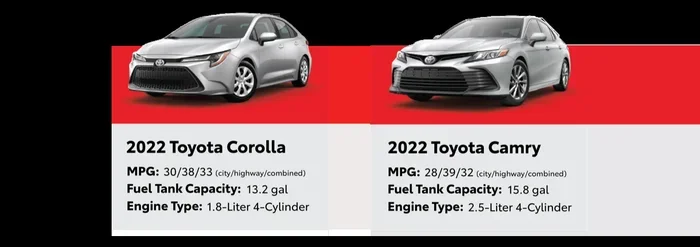
Yes, Toyota Corollas are excellent on gas, consistently delivering 31-40 MPG depending on the trim and engine. The Corolla hybrid leads the pack with an impressive 53 MPG combined, making it one of the most fuel-efficient sedans on the road. Whether you drive city or highway, the Corolla keeps fuel costs low and savings high.
Are Toyota Corollas good on gas? The short answer is a resounding yes. If you have been shopping for a new sedan and gas prices make you cringe, the Toyota Corolla should be at the top of your list. This car has earned a reputation for being one of the most fuel-efficient compact sedans on the market. Over the years, Toyota has refined the Corolla to deliver outstanding fuel economy without sacrificing performance or comfort.
In this article, we will break down exactly how the Corolla performs when it comes to gas mileage. We will look at the different trims, engine options, and real-world driving conditions. You will also find out how the Corolla stacks up against its closest competitors. By the end, you will have a clear picture of why so many drivers choose the Corolla for their daily commute and road trips.
Key Takeaways
- Great Fuel Economy: Toyota Corollas deliver 31-40 MPG across trims, making them some of the most fuel-efficient sedans available.
- Hybrid Option Leads the Pack: The Toyota Corolla Hybrid achieves up to 53 MPG combined, saving drivers hundreds at the pump each year.
- Competitive with Rivals: The Corolla holds its own against the Honda Civic, Mazda3, and Hyundai Elantra in fuel economy comparisons.
- Low Annual Fuel Cost: Owners spend significantly less on gas over time thanks to the Corolla’s efficient engine design.
- Multiple Engine Choices: From the base 2.0L to the hybrid powertrain, there is a Corolla setup for every type of driver.
- Reliable and Proven: Toyota’s reputation for durability means the fuel efficiency stays strong for years of ownership.
📑 Table of Contents
- Toyota Corolla Fuel Efficiency by Trim
- How the Corolla Compares to Other Compact Sedans
- Real-World Gas Mileage: What Owners Actually Experience
- Why the Corolla Is So Fuel Efficient
- How Much Money Does the Corolla Save on Fuel?
- Is the Corolla the Best Gas-Saving Car for You?
- Common Mistakes That Hurt Your Corolla’s MPG
- Expert Insights on the Corolla’s Fuel Economy
- Key Takeaways
- Conclusion
Toyota Corolla Fuel Efficiency by Trim
The Toyota Corolla comes in several trims, and each one offers a different level of fuel economy. Understanding these differences helps you pick the right model for your needs and budget.
Base L and LE Trims
The base L and LE trims come with a 2.0-liter four-cylinder engine. This engine produces about 169 horsepower and pairs with either a six-speed manual or a continuously variable transmission (CVT). According to the EPA, these trims deliver up to 31 MPG in the city and 40 MPG on the highway. That is solid fuel economy for a compact sedan. The combined MPG rating sits around 35 MPG, which is very competitive in this segment.
SE and XSE Trims
The SE and XSE trims use the same 2.0-liter engine but may have slightly different tuning or gearing. The fuel economy numbers are very similar to the LE trim. You can expect around 31 MPG in the city and 40 MPG on the highway. The SE and XSE trims focus more on sporty styling and handling, but they do not sacrifice gas mileage. This makes them a great choice for drivers who want a bit of fun without the fuel penalty.
Toyota Corolla Hybrid
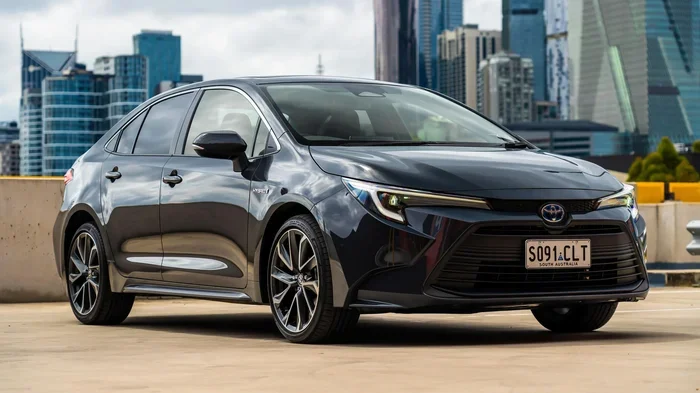
The Corolla Hybrid is where the real magic happens. This version pairs a 1.8-liter four-cylinder engine with an electric motor to deliver an EPA-estimated 53 MPG in the city and 52 MPG on the highway. The combined rating is 52 MPG. This makes the Corolla Hybrid one of the most fuel-efficient sedans you can buy. If you drive a lot of miles each year, the hybrid version can save you a significant amount of money on fuel.
| Trim | Engine | City MPG | Highway MPG | Combined MPG |
|---|---|---|---|---|
| L / LE | 2.0L 4-Cylinder | 31 | 40 | 35 |
| SE / XSE | 2.0L 4-Cylinder | 31 | 40 | 35 |
| Hybrid | 1.8L Hybrid System | 53 | 52 | 52 |
How the Corolla Compares to Other Compact Sedans
When you are shopping for a fuel-efficient sedan, you want to know how the Corolla measures up against the competition. Let us take a look at some of the most popular rivals.
Corolla vs Honda Civic
The Honda Civic is one of the Corolla’s biggest rivals. The Civic offers similar fuel economy numbers. The base Civic LX gets around 32 MPG in the city and 42 MPG on the highway. The Civic Hybrid achieves about 50 MPG combined. Both cars are excellent choices for gas-saving drivers. The Corolla Hybrid edges ahead slightly with its 52 MPG combined rating. The Civic has its strengths, but the Corolla holds its own in the fuel economy department.
Corolla vs Mazda3
The Mazda3 is known for its sporty handling and upscale interior. However, it does not quite match the Corolla’s fuel economy. The Mazda3 gets around 30 MPG in the city and 41 MPG on the highway with its base engine. The difference is not huge, but over time, the Corolla’s slight edge adds up. If fuel efficiency is your top priority, the Corolla has the advantage.
Corolla vs Hyundai Elantra
The Hyundai Elantra is another strong competitor. The base Elantra achieves about 33 MPG in the city and 43 MPG on the highway. The Elantra Hybrid delivers around 54 MPG combined. The Elantra Hybrid and the Corolla Hybrid are very close in fuel economy. Both are excellent hybrid options. The Corolla Hybrid still holds a special place thanks to Toyota’s reputation for reliability and long-term durability.
Real-World Gas Mileage: What Owners Actually Experience
EPA ratings are helpful, but real-world driving often tells a different story. Many Corolla owners report that their actual fuel economy is close to or even exceeds the EPA estimates. Let us look at what real drivers experience.
City Driving
City driving involves a lot of stop-and-go traffic, which can lower fuel economy. However, the Corolla handles city driving well. Many owners report getting between 30 and 35 MPG in urban conditions. The hybrid version shines in city traffic, where the electric motor can take over at low speeds. Owners of the Corolla Hybrid often report 48 to 53 MPG in city driving.
Highway Driving
Highway driving is where the Corolla really shines. The aerodynamic body design and efficient CVT transmission help the car glide at steady speeds. Owners frequently report getting 40 to 45 MPG on the highway with the base engine. Hybrid owners can see 50 MPG or more on long highway trips. If you do a lot of highway commuting, the Corolla is an excellent choice.
Mixed Driving Conditions
For most drivers, daily driving is a mix of city and highway. In mixed conditions, the base Corolla typically delivers around 34 to 36 MPG. The hybrid version averages around 50 to 52 MPG in mixed driving. These numbers make the Corolla one of the most economical cars you can own.
Quick Tips to Maximize Your Corolla’s Fuel Economy
- Keep your tires properly inflated: Underinflated tires create drag and reduce MPG.
- Avoid aggressive acceleration: Smooth driving saves fuel over time.
- Use cruise control on highways: Maintaining a steady speed improves gas mileage.
- Remove excess weight: Extra cargo makes the engine work harder.
- Keep up with maintenance: Fresh oil and clean air filters help the engine run efficiently.
Why the Corolla Is So Fuel Efficient
Toyota did not just stumble onto great fuel economy. The Corolla’s efficiency comes from a combination of smart engineering and proven technology. Here are the key reasons the Corolla sips gas instead of guzzling it.
Lightweight Body Design
The Corolla uses a lightweight platform that reduces the overall weight of the car. A lighter car requires less energy to move. This directly translates into better fuel economy. Toyota has carefully chosen materials that keep the car strong but light.
Efficient Engine Technology
The base 2.0-liter engine uses direct injection and variable valve timing. These technologies help the engine extract maximum power from every drop of fuel. The hybrid system adds an electric motor that assists the gas engine. This means the gas engine does not have to work as hard, which saves fuel.
Advanced Transmission
The continuously variable transmission (CVT) is a key player in the Corolla’s fuel efficiency. Unlike traditional automatic transmissions, a CVT keeps the engine operating at its most efficient RPM range. This means the engine is always working in its sweet spot, which saves gas.
Aerodynamic Design
The Corolla’s sleek shape cuts through the air with minimal resistance. Aerodynamic drag is one of the biggest enemies of fuel economy at highway speeds. Toyota has spent years refining the Corolla’s design to reduce drag and improve airflow.
How Much Money Does the Corolla Save on Fuel?
Fuel efficiency is not just a number on a sticker. It directly impacts your wallet. Let us do some quick math to see how much the Corolla can save you over time.
Assume you drive 15,000 miles per year and gas costs $3.50 per gallon. A car that gets 25 MPG would cost you about $2,100 per year in fuel. The base Corolla at 35 MPG combined would cost around $1,500 per year. The Corolla Hybrid at 52 MPG combined would cost just $1,015 per year. Over five years, the hybrid saves you more than $500 compared to a less efficient car. Over ten years, those savings add up to over $1,000.
These numbers are estimates, and your actual savings will depend on your driving habits, local gas prices, and the specific trim you choose. But one thing is clear: the Corolla is one of the cheapest cars to fuel in its class.
Is the Corolla the Best Gas-Saving Car for You?
The Toyota Corolla is an excellent choice for many drivers. It offers a winning combination of fuel economy, reliability, affordability, and practicality. But it is not the perfect car for everyone. Let us look at who benefits most from the Corolla’s fuel efficiency.
Daily commuters will love the Corolla. Whether you drive 20 miles or 80 miles each way, the Corolla keeps fuel costs low. Budget-conscious buyers appreciate the low cost of ownership. The Corolla is affordable to buy, cheap to fuel, and inexpensive to maintain. Long-distance drivers benefit from the hybrid’s exceptional highway MPG. And eco-conscious shoppers will appreciate the Corolla Hybrid’s minimal environmental footprint.
If you need a larger vehicle like an SUV or truck, the Corolla might not fit your needs. But if you are looking for a compact sedan that is easy to drive, comfortable, and incredibly efficient, the Corolla is hard to beat.
Common Mistakes That Hurt Your Corolla’s MPG
Even the most fuel-efficient car can suffer if you do not take care of it. Here are some common mistakes that can lower your Corolla’s gas mileage.
- Ignoring tire pressure: Low tires create rolling resistance and waste fuel.
- Carrying roof racks when not in use: Roof racks add aerodynamic drag even when empty.
- Using the wrong oil: Always use the manufacturer-recommended oil weight.
- Heavy braking and rapid acceleration: Aggressive driving can lower MPG by up to 30 percent.
- Skipping oil changes: Dirty oil makes the engine work harder and use more fuel.
- Idling for long periods: Turn off the engine if you are stopped for more than a minute.
Avoiding these mistakes will help your Corolla maintain its excellent fuel economy for the life of the vehicle.
Expert Insights on the Corolla’s Fuel Economy
Automotive experts consistently praise the Corolla for its fuel efficiency. According to reviews from major automotive publications, the Corolla ranks among the top compact sedans for gas mileage. Consumer Reports gives the Corolla high marks for fuel economy and overall value. Edmunds and Kelley Blue Book both highlight the Corolla’s low annual fuel cost as a major selling point.
Experts also point out that the Corolla Hybrid is one of the best hybrid sedans under $30,000. It offers hybrid efficiency at a price that is accessible to most buyers. The combination of Toyota’s hybrid technology and the Corolla’s lightweight design creates a package that is hard to match.
Key Takeaways
- Toyota Corollas are excellent on gas: With MPG ratings ranging from 31 to 53, the Corolla delivers outstanding fuel economy across all trims.
- The hybrid version is the star: The Corolla Hybrid achieves up to 52 MPG combined, saving drivers significant money on fuel.
- It competes well with rivals: The Civic, Mazda3, and Elantra are close competitors, but the Corolla holds its own in fuel efficiency.
- Real-world results match EPA estimates: Most owners experience fuel economy close to or better than the official ratings.
- Smart design drives efficiency: Lightweight construction, advanced engines, and aerodynamic styling all contribute to the Corolla’s impressive gas mileage.
- Long-term savings are substantial: Over years of ownership, the Corolla’s fuel efficiency translates into hundreds or even thousands of dollars saved.
Conclusion
So, are Toyota Corollas good on gas? Absolutely. The Toyota Corolla stands out as one of the most fuel-efficient compact sedans you can buy. Whether you choose the base model with its 35 MPG combined rating or the Corolla Hybrid with its remarkable 52 MPG combined, you are getting a car that keeps fuel costs low. In a time when gas prices remain unpredictable, owning a car that sips fuel instead of guzzling it is a huge advantage.
The Corolla’s fuel efficiency is not a fluke. It comes from decades of engineering refinement, smart use of technology, and Toyota’s commitment to building efficient, reliable cars. Add in the car’s affordable price, strong resale value, and legendary reliability, and you have a package that is hard to beat.
If you are in the market for a new sedan and fuel economy matters to you, the Toyota Corolla deserves a close look. Test drive one today and see for yourself why so many drivers trust the Corolla to get them where they need to go without breaking the bank at the pump.
Frequently Asked Questions
How many MPG does a Toyota Corolla get?
The Toyota Corolla gets between 31 and 40 MPG for the base gas models, depending on the trim. The Corolla Hybrid achieves an impressive 52 to 53 MPG combined. These numbers make the Corolla one of the most fuel-efficient compact sedans on the market.
Is the Toyota Corolla Hybrid worth the extra cost for fuel savings?
Yes, for many drivers the hybrid version is worth it. The Corolla Hybrid saves significantly on fuel over time, especially if you drive a lot of miles each year. The payback period is usually a few years, and the hybrid system adds Toyota’s proven reliability to an already excellent car.
How does the Corolla’s gas mileage compare to the Honda Civic?
The Corolla and Civic are very close in fuel economy. The base Corolla gets around 35 MPG combined, while the base Civic gets about 36 MPG combined. The Corolla Hybrid at 52 MPG combined edges out the Civic Hybrid at 50 MPG combined. Both are excellent choices for fuel-saving drivers.
Can I improve my Corolla’s gas mileage with driving habits?
Absolutely. Smooth acceleration, maintaining steady speeds, keeping tires properly inflated, and avoiding excess weight can all improve your Corolla’s MPG. Regular maintenance like oil changes and air filter replacements also help the engine run at peak efficiency.
What is the annual fuel cost for a Toyota Corolla?
According to the U.S. Department of Energy, the annual fuel cost for a base Corolla is around $1,500 when assuming 15,000 miles per year and average gas prices. The Corolla Hybrid drops that number to around $1,000 or less per year. These figures make the Corolla one of the cheapest cars to fuel in its class.
Does the Toyota Corolla hold its fuel efficiency over time?
Yes, the Corolla is known for maintaining its fuel economy well into higher mileage years. Toyota’s reliable engines and transmissions mean that the car continues to deliver strong MPG even after many miles of driving. Regular maintenance helps ensure the fuel efficiency stays consistent over the life of the vehicle.