Can You Still Drive a Toyota Hybrid With a Bad Battery
Yes, you can often drive a Toyota hybrid with a bad battery, but only for a short distance and at low speeds. The car will run on its gasoline engine alone, but you’ll lose regenerative braking and power assist. Ignoring hybrid battery warning lights can lead to a sudden shutdown or costly damage.
You’re driving your Toyota hybrid, and suddenly the check engine light flickers on. Or maybe the car feels weak, and the battery warning light glows on the dash. Your mind races with one big question: can you drive a Toyota hybrid with a bad battery? The short answer is yes, but with important limits. This guide will walk you through exactly what happens, what to watch for, and how to stay safe.
Toyota hybrids are known for their reliability, but no battery lasts forever. Whether it’s the high-voltage hybrid battery or the small 12V accessory battery, a failure can leave you stranded or confused. Understanding how these systems work helps you make smart decisions. You’ll learn to spot early hybrid battery failure symptoms and avoid common mistakes that turn a minor issue into a big repair.
Many drivers worry that a bad hybrid battery means the car is dead forever. That’s not always true. Modern Toyota hybrids have a failsafe mode that lets the gasoline engine take over. You can still drive to a mechanic or home, but you’ll lose some power and features. Knowing this can save you time, money, and a lot of stress.
Key Takeaways
- You can still drive: A Toyota hybrid will switch to gas-only mode if the high-voltage battery fails, letting you limp to a safe spot.
- Warning signs matter: Dashboard lights like the hybrid battery warning light, reduced power, or strange noises signal a problem early.
- Don’t ignore the 12V battery: A dead 12V battery will stop the car completely, even if the hybrid battery is fine.
- Replacement cost varies: A new hybrid battery can cost $2,000–$4,000, but remanufactured units are cheaper.
- Regular maintenance helps: Simple habits like avoiding deep discharges and monitoring battery health can extend hybrid battery life.
- Get a professional diagnosis: Use a Toyota-specific scan tool to read fault codes before assuming the worst.
- Warranty may cover it: Many Toyota hybrids come with an 8-year/100,000-mile battery warranty.
📑 Table of Contents
- What Happens When Your Toyota Hybrid Battery Fails?
- The Role of the 12V Battery vs. High-Voltage Battery
- What to Do If Your Hybrid Battery Starts Failing
- Hybrid Battery Replacement Cost and Considerations
- Tips to Extend Your Toyota Hybrid Battery Life
- Final Verdict: Should You Keep Driving With a Bad Battery?
What Happens When Your Toyota Hybrid Battery Fails?
The hybrid system in a Toyota combines a gasoline engine with an electric motor powered by a high-voltage battery pack. When the battery starts to fail, the car’s computer tries to protect itself. It may limit power, turn off the electric motor, or switch the car to a backup mode. Understanding this process helps you react calmly.
Understanding the Hybrid Battery System
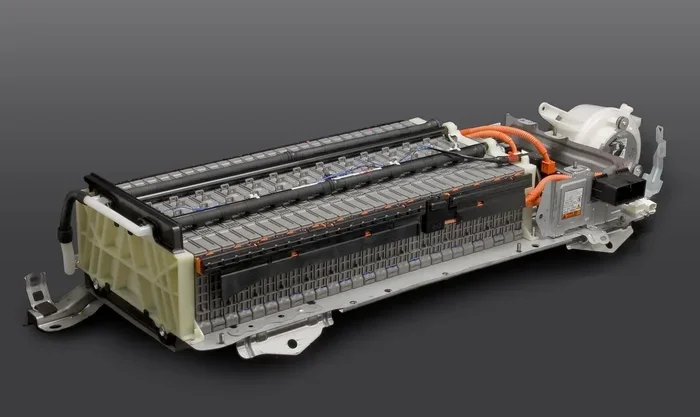
A Toyota hybrid has two main batteries. The high-voltage battery (often called the hybrid battery) powers the electric motor and stores energy from regenerative braking. The 12V battery runs the car’s computer, lights, and accessories. Both are essential, but they fail in different ways. A bad high-voltage battery won’t stop you from driving entirely, but a dead 12V battery will shut the car down completely.
Symptoms of a Failing Hybrid Battery
Watch for these early signs that your hybrid battery health is declining:
- The hybrid battery warning light stays on or flashes.
- The car feels sluggish, especially when accelerating.
- The fuel economy drops suddenly.
- You hear strange clicking or whining sounds from the battery area.
- The dashboard shows a “Check Hybrid System” message.
- The car struggles to restart after turning it off.
If you notice any of these, don’t ignore them. They are your car’s way of asking for help. The sooner you check the hybrid battery voltage, the better your chances of avoiding a roadside breakdown.
Can You Still Drive It?
Yes, you can often drive a Toyota hybrid with a bad high-voltage battery, but only in a limited way. The car will rely solely on the gasoline engine. You’ll lose the electric boost, regenerative braking, and all-electric mode. The car might feel slower, and the engine may run louder. You can usually drive at highway speeds, but the range and performance drop. Think of it as a “limp home” mode designed to get you to safety.
However, if the hybrid battery is severely damaged or shorted, the car may shut off completely while driving. This is rare but possible. If the power drops suddenly, pull over safely and turn the ignition off. Then, restart the car. If it starts, drive slowly to a repair shop.
The Role of the 12V Battery vs. High-Voltage Battery
Confusion often arises because people use “battery” to mean two different things in a Toyota hybrid. The 12V battery is the same type found in any conventional car. The high-voltage battery is a large, sealed pack that powers the hybrid system. Both can fail, but the symptoms and outcomes are very different.
12V Battery Basics
The 12V battery starts the car and powers the computer systems. In a Toyota hybrid, it also acts as a gateway to the high-voltage system. If the 12V battery dies, the hybrid system won’t wake up, and the car won’t start. You might hear a single click or nothing at all when you turn the key. A dead 12V battery can mimic the symptoms of a bad hybrid battery, which is why proper diagnosis matters.
High-Voltage Battery Function
The high-voltage battery (often 200–300 volts) stores energy for the electric motor. It recharges through regenerative braking and the gasoline engine. When this battery degrades, the car loses its ability to use electric power efficiently. The hybrid system may still work, but with reduced performance. You can still drive, but the car won’t be as fuel-efficient or responsive.
When the 12V Battery Dies
A dead 12V battery will prevent the car from starting, even if the hybrid battery is perfect. To avoid this, keep your 12V battery in good condition. If your Toyota hybrid won’t start, check the 12V battery first. It’s a simple fix that costs far less than a hybrid battery replacement. Always carry jumper cables or a portable jump starter in your trunk.
| Battery Type | Voltage | Function | Failure Symptom | Can You Still Drive? |
|---|---|---|---|---|
| 12V Battery | 12V | Starts car, runs electronics | No crank, no lights, warning chime | No – car won’t start |
| High-Voltage Hybrid Battery | 200–300V | Power electric motor, store energy | Warning light, loss of power, poor fuel economy | Yes – gas-only mode, limited performance |
What to Do If Your Hybrid Battery Starts Failing
Discovering a problem with your hybrid battery can feel overwhelming, but you have options. Taking the right steps early can save you money and keep you safe on the road.
Immediate Steps to Take
If you see a hybrid battery warning light or notice a sudden loss of power, follow these steps:
- Stay calm and reduce your speed gradually.
- Turn off unnecessary electrical loads like the air conditioner or audio system.
- Find a safe place to pull over.
- Turn the ignition off, wait 30 seconds, then restart.
- If the car starts, drive directly to a Toyota dealer or qualified mechanic.
Avoid hard acceleration and steep hills. The gasoline engine will work harder without electric assist, which can overheat it if you push too hard.
Warning Signs Not to Ignore
Some symptoms point to a serious hybrid battery issue that needs immediate attention:
- The car stalls while driving and won’t restart.
- You smell a sulfur or rotten-egg odor near the battery pack.
- The dashboard shows multiple warning lights at once.
- The car makes a loud humming or buzzing noise from the rear seat area.
- The fuel gauge drops rapidly even during normal driving.
These signs indicate a potential safety hazard. Do not continue driving if you notice any of them. Call for roadside assistance and have the car towed to a repair facility.
Temporary Fixes
Sometimes, a hybrid battery issue can be caused by a temporary fault. You can try a few simple things before visiting a shop:
- Reset the hybrid system: Turn the ignition off, remove the key, wait two minutes, then restart.
- Check the 12V battery: A weak 12V battery can cause hybrid system errors. Clean the terminals and ensure a tight connection.
- Scan for fault codes: A mechanic with a Toyota-compatible OBD-II scanner can read codes that point to the exact problem.
- Drive gently: If the car is in a reduced-power mode, driving slowly and steadily can sometimes keep it running until you reach help.
Remember, these are temporary measures. They don’t fix a physically damaged battery, but they can help you get to a safe location.
Hybrid Battery Replacement Cost and Considerations
Replacing a Toyota hybrid battery is a significant expense, but it’s important to understand the costs and choices before making a decision.
Average Replacement Cost
The cost of a new hybrid battery varies by model and year. For popular models like the Toyota Prius, a new OEM battery typically costs between $2,500 and $4,000. Labor adds another $500 to $1,000. The total can range from $3,000 to $5,000. However, remanufactured or refurbished batteries are available for $1,200 to $2,500, and they often come with a warranty. Used batteries from salvage yards can cost even less, but they carry more risk.
OEM vs. Aftermarket
OEM (Original Equipment Manufacturer) batteries are built to Toyota’s exact specifications. They offer the best reliability and often come with a longer warranty. Aftermarket batteries are made by third parties and can be a good budget option, but quality varies. Always buy from a reputable supplier and check the warranty terms carefully.
When to Replace the Battery
You don’t always need to replace a hybrid battery at the first sign of trouble. If the car still drives and the warning light is intermittent, a repair might be possible. Technicians can often replace individual modules within the battery pack instead of the entire unit. This can cut the cost by 50% or more. A full replacement is usually only needed when the battery is deeply degraded or has a physical fault.
Tips to Extend Your Toyota Hybrid Battery Life
Good habits can significantly lengthen the life of your hybrid battery. Many Toyota hybrids last well over 200,000 miles with proper care. Here’s how you can protect your investment.
Regular Maintenance
Follow the Toyota maintenance schedule for your specific model. During routine service, ask the technician to check the hybrid battery health and hybrid battery voltage. A simple check can catch small issues before they become big problems. Also, keep the cooling system in good shape, as overheating is a leading cause of hybrid battery degradation.
Driving Habits
How you drive affects the hybrid battery directly. Avoid deep discharges by not letting the battery drain completely. Try to keep the battery charge between 40% and 80% for daily driving. Use regenerative braking by lifting off the accelerator early instead of riding the brakes. This not only recharges the battery but also reduces wear on the brake pads.
Monitoring Battery Health
Modern Toyotas have built-in tools to monitor battery health. You can often view the battery state of charge on the dashboard display. Some models allow you to check individual cell voltages with a scan tool. If you notice a significant drop in fuel economy or a persistent warning light, get the battery tested. Early detection is the key to avoiding a sudden failure.
Quick Tips
- Keep the 12V battery clean and tight to prevent hybrid system errors.
- Avoid leaving the car in extreme heat for long periods.
- Use the “EV” mode only when appropriate to avoid draining the hybrid battery.
- Schedule a hybrid battery health check once a year.
- Always use the correct grade of engine oil to reduce strain on the engine.
Common Mistakes
- Ignoring the hybrid battery warning light because the car still drives.
- Assuming a dead car means the hybrid battery is dead (it’s often the 12V battery).
- Jump-starting the hybrid incorrectly, which can damage the electronics.
- Driving aggressively on a weak battery, which overheats the system.
- Skipping regular maintenance because the car feels fine.
Expert Insights
Toyota hybrid batteries are designed for longevity, but they are not indestructible. According to Toyota technical experts, most hybrid battery failures are gradual, not sudden. The battery slowly loses capacity over time, which is why early detection is so important. If you own a Toyota hybrid with over 100,000 miles, have the battery tested proactively. A simple load test can reveal weak cells before they cause a breakdown. And remember, the hybrid battery warranty covers many early failures, so check your paperwork before paying for a replacement.
Final Verdict: Should You Keep Driving With a Bad Battery?
The decision to keep driving with a Toyota hybrid bad battery depends on the severity of the problem and your immediate needs. If the car starts and you can drive it in gas-only mode, you can usually get to a repair shop safely. However, if the car stalls, loses power, or shows multiple warning lights, it’s not safe to continue. You risk being stranded or causing further damage to the hybrid system.
Driving on a failing hybrid battery can also increase your fuel costs and reduce the life of the gasoline engine, since you lose the electric assist. The best approach is to address the problem quickly. Get a professional diagnosis, understand the repair options, and decide based on the cost of repair versus the value of the car.
In most cases, a hybrid battery replacement restores the car to full performance. Toyota hybrids have a strong reputation for longevity, and a new battery can give you many more years of reliable service. Don’t let fear of a bad battery keep you from enjoying the efficiency and comfort of your Toyota hybrid.
Stay proactive, listen to your car, and remember that a little attention today can prevent a big headache tomorrow. Drive safely, and don’t hesitate to seek expert help when the hybrid battery warning light appears.
Frequently Asked Questions
Can I still drive my Toyota hybrid if the hybrid battery warning light is on?
Yes, you can often drive a short distance, but the car will be in a reduced-power gas-only mode. Pull over safely and have the car towed to a mechanic if the light is flashing or the car feels weak. Continuing to drive with a severely damaged battery can cause further damage to the hybrid system.
How much does it cost to replace a Toyota hybrid battery?
A new OEM hybrid battery typically costs between $2,500 and $4,000, plus labor. Remanufactured or used batteries can cost $1,200 to $2,500. The exact price depends on the model, year, and whether you choose OEM or aftermarket parts. Always ask for a warranty on the replacement battery.
What causes a Toyota hybrid battery to fail?
Common causes include age, extreme temperatures, frequent deep discharges, and manufacturing defects. Over time, the battery cells degrade and lose capacity. Poor maintenance of the 12V battery or cooling system can also accelerate hybrid battery failure. Regular checks help catch problems early.
Can a dead 12V battery damage the hybrid battery?
Yes, a dead or weak 12V battery can prevent the hybrid system from operating correctly. In some cases, it can cause error codes that mimic a bad high-voltage battery. Always check the 12V battery first if your Toyota hybrid won’t start or shows hybrid system warnings.
Does Toyota cover hybrid battery replacement under warranty?
Most Toyota hybrids come with an 8-year or 100,000-mile warranty on the hybrid battery, whichever comes first. Some states have extended emission warranties that may cover the battery longer. Check your owner’s manual or ask your dealer to confirm your specific coverage.
Can I reset the hybrid battery to fix a warning light?
A reset can sometimes clear a temporary fault, but it won’t fix a physically damaged battery. To reset, turn the ignition off, wait two minutes, and restart. If the warning light returns, the battery needs professional testing and likely repair or replacement.