Are Old Toyota Corollas Reliable and Worth the Money
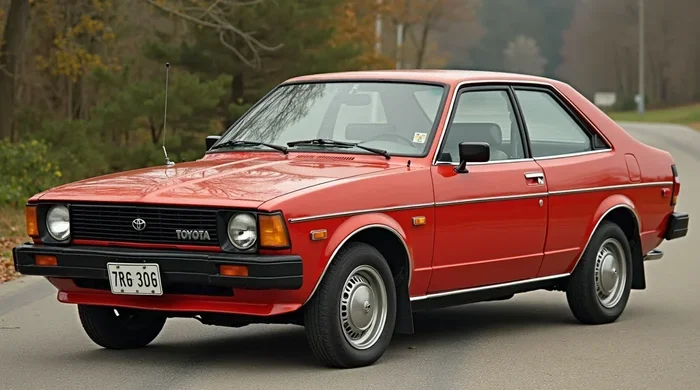
Old Toyota Corollas are widely regarded as some of the most reliable cars on the road. These vehicles have earned a reputation for longevity, low repair costs, and excellent fuel economy. Whether you are looking for a daily driver or a budget-friendly commuter, a used Toyota Corolla can be a smart investment. With proper care, older models can easily surpass 200,000 miles and still run strong.
If you have ever walked through a used car lot, chances are you have seen a weathered old Toyota Corolla sitting quietly in the corner. These small sedans have been rolling off assembly lines since 1966, and their reputation for toughness only grows with age. The question on every buyer’s mind is simple: are old Toyota Corollas really as reliable as people claim?
The short answer is yes. Old Toyota Corollas have earned their place as one of the most dependable vehicles ever built. But reliability is not the only factor you should consider when buying a used car. Cost of ownership, maintenance needs, and long-term value all play a role in your decision. This guide breaks down everything you need to know about older Toyota Corolla models before you make a purchase.
Whether you are a first-time car buyer, a college student looking for an affordable ride, or someone who simply wants a no-nonsense daily driver, this article covers it all. We will explore why these cars are so trusted, what common problems to watch for, and whether an old Toyota Corolla is truly worth your hard-earned money.
Key Takeaways
- Legendary Reliability: Old Toyota Corollas are built to last, with many examples exceeding 200,000 miles with minimal issues.
- Affordable Ownership: Repair costs are low, parts are widely available, and fuel economy remains excellent even in older models.
- Strong Resale Value: Toyota Corollas hold their value remarkably well compared to other sedans in the budget segment.
- Simple Engineering: The straightforward design of older Corollas makes them easy to maintain and repair at home.
- Common Issues Exist: Rust, worn suspension components, and aging electrical systems are the most frequent problems owners face.
- Worth the Money: A well-maintained old Toyota Corolla offers outstanding value for budget-conscious buyers.
📑 Table of Contents
Why Old Toyota Corollas Have a Legendary Reputation
Toyota has spent decades building a name for itself in the automotive world. The brand consistently ranks at the top of reliability surveys, and the Corolla is the crown jewel of that reputation. But what exactly makes these older models so special?
The answer comes down to a combination of engineering philosophy, manufacturing quality, and a deep understanding of what drivers actually need. Toyota did not try to reinvent the wheel with every new Corolla generation. Instead, they focused on refining what already worked.
The History of Toyota Reliability
Toyota’s commitment to quality goes back decades. The company introduced the Toyota Production System, which emphasized eliminating defects and improving every step of the manufacturing process. This philosophy directly benefited the Corolla line from the very beginning.
By the 1980s and 1990s, the Toyota Corolla had become a global bestseller. Millions of families around the world chose it as their daily driver. The car was simple, affordable, and incredibly hard to break. Word of mouth spread quickly, and the reputation grew.
Today, older Toyota Corolla models from the 1990s and early 2000s are still on the road in massive numbers. You will see them everywhere, from city streets to rural highways. Their continued presence is a testament to Toyota’s engineering and build quality.
Toyota Reliability Through the Generations
Different generations of the Toyota Corolla offer different strengths. Here is a quick look at some of the most beloved older models:
- 1990-1995 (E100/E110): Known for rugged build quality and simple mechanics. These models are easy to work on and very durable.
- 1997-2002 (E110/E120): Offered improved safety features and more refined handling while maintaining Toyota’s signature reliability.
- 2003-2008 (E120/E130): A popular choice for used car buyers. These models balance modern comforts with the tried-and-true Toyota formula.
- 2009-2013 (E140/E150): The last of the truly “old school” Corollas before the design shifted toward more modern aesthetics.
Each generation carries the DNA of Toyota reliability. If you are shopping for a used Toyota Corolla, any of these eras will serve you well.
What Makes Old Toyota Corollas Stand Out
There are many reasons why old Toyota Corollas continue to attract buyers. It is not just about the brand name. Several concrete factors set these vehicles apart from the competition.
Simple Engineering and Easy Repairs
One of the biggest advantages of older Corollas is their simplicity. These cars were designed with straightforward systems that any competent mechanic can understand. There is no overly complex turbocharging, no fancy infotainment computers, and no unnecessary electronic gadgets.
This simplicity translates directly into lower repair bills. When something does go wrong, you can usually fix it quickly and affordably. Many owners even handle repairs themselves at home, saving hundreds of dollars in labor costs.
Compare this to modern cars packed with sensors, cameras, and computer modules. A simple sensor failure on a new car can cost hundreds of dollars to diagnose and fix. On an older Corolla, you might just need a $15 part and thirty minutes of your time.
Parts Availability and Affordability
Because the Toyota Corolla has been sold in enormous numbers worldwide, parts are everywhere. You can find OEM and aftermarket components for any generation at competitive prices. Local auto parts stores stock them, and online retailers offer even more options.
This is a huge advantage when you own an older vehicle. Some niche cars become expensive to maintain simply because parts are rare. That is never a problem with a Toyota Corolla. Whether you need a brake rotor, a water pump, or a suspension component, you will find it easily and affordably.
Fuel Efficiency That Still Impresses
Toyota built the Corolla with fuel economy in mind from day one. Older models may not match the efficiency of modern hybrid cars, but they still deliver impressive mileage for their age. A 1998 Corolla, for example, could easily achieve 35 to 40 miles per gallon on the highway.
In today’s world of rising fuel prices, that kind of efficiency matters. An old Toyota Corolla will not drain your wallet at the pump the way a thirsty SUV or truck might. Over years of ownership, those fuel savings really add up.
Common Issues Owners Face with Older Corollas
No car is perfect, and old Toyota Corollas are no exception. While they are remarkably reliable, they do develop certain issues over time. Being aware of these problems helps you stay ahead of costly repairs.
Engine and Transmission Concerns
The engines found in older Corollas are generally very robust. The 4-cylinder engines from the 1990s and 2000s are known for lasting well beyond 200,000 miles. However, like any engine, they need regular care.
Common engine-related issues include:
- Oil leaks: Valve cover gaskets and oil pans can develop leaks as the car ages. These are usually inexpensive to fix.
- Timing belt wear: Many older Corollas use a timing belt that needs replacement at around 90,000 to 100,000 miles. Neglecting this can lead to serious engine damage.
- Carbon buildup: Older engines can develop carbon deposits on intake valves, especially if the car is primarily used for short trips.
The transmissions in older Corollas are also quite durable. The manual transmissions are virtually indestructible. Automatic transmissions can develop issues around 150,000 miles, but a rebuild or replacement is still much cheaper than what you would pay for a modern car.
Body and Rust Issues
Rust is the biggest enemy of any old car, and Toyota Corollas are no exception. Models from the 1980s and 1990s are particularly susceptible to rust in certain areas.
Watch for rust in these common spots:
- Wheel wells and rocker panels
- Underneath the doors
- Around the trunk lid and rear window
- The bottom of the front fenders
If you are shopping for an older Corolla, always inspect the undercarriage carefully. A car that has been properly treated for rust and stored in a dry climate will hold up much better than one exposed to salt and moisture.
Electrical and Interior Wear
As Toyota Corollas age, electrical gremlins can start to appear. Window regulators, door locks, and dashboard lights are the most common culprits. These are usually minor fixes, but they can be annoying when they happen.
Interior wear is another consideration. Older Corollas were not built with luxury materials. Seat fabric can thin out, plastic trim can crack, and carpeting can wear through. That said, these are cosmetic issues that do not affect the car’s reliability or safety.
One thing to note about high mileage Toyota models is that the electrical system can become more unpredictable after 200,000 miles. Corroded connectors and worn wiring harnesses are the usual suspects. A thorough inspection before purchase can help you avoid surprises.
Maintenance Tips to Keep Your Old Corolla Running Strong
The secret to a long-lasting Toyota Corolla is simple: stay on top of maintenance. These cars reward consistent care and punish neglect. Follow these tips to keep your older Corolla in excellent shape.
Regular Service Intervals
Stick to a regular maintenance schedule, and your old Toyota Corolla will reward you with years of trouble-free driving. Here are the key service intervals to remember:
- Oil changes: Every 3,000 to 5,000 miles with conventional oil, or every 5,000 to 7,500 miles with synthetic oil.
- Tire rotations: Every 5,000 to 7,500 miles to ensure even wear.
- Brake inspections: Every 10,000 miles or sooner if you notice any warning signs.
- Transmission fluid: Change every 60,000 to 90,000 miles for automatic transmissions.
- Coolant flush: Every 30,000 to 50,000 miles to prevent overheating and corrosion.
Keeping up with these basic services will prevent most major problems before they start. Think of maintenance as an investment that pays for itself many times over.
Budget-Friendly DIY Tips
One of the best things about owning an older Toyota Corolla is that many repairs are DIY-friendly. Here are some tasks you can handle yourself with basic tools and a little patience:
- Replacing air filters and cabin filters
- Swapping out spark plugs
- Changing brake pads and rotors
- Replacing windshield wiper blades
- Installing a new battery
- Changing the serpentine belt
YouTube and online forums are filled with tutorials for every Corolla generation. The Toyota community is incredibly helpful, and you will find plenty of guidance for any repair job you want to tackle.
Are Old Toyota Corollas Worth the Money?
This is the big question, and the answer depends on several factors. Let us break down the cost of ownership and value proposition of older Toyota Corollas.
Resale Value and Cost of Ownership
Toyota Corollas are famous for their strong resale value. Even older models hold their price remarkably well compared to competitors. This is because demand for reliable used cars remains consistently high.
Here is a comparison of typical cost of ownership factors:
| Factor | Old Toyota Corolla | Average Budget Sedan |
|---|---|---|
| Purchase Price (used) | $3,000 – $8,000 | $2,500 – $7,000 |
| Annual Maintenance | $300 – $500 | $500 – $900 |
| Fuel Economy (combined) | 30-38 MPG | 22-30 MPG |
| Major Repair Frequency | Low | Moderate to High |
| 5-Year Reliability Rating | Excellent | Good to Average |
As you can see, the numbers favor the old Toyota Corolla in almost every category. The slightly higher purchase price is more than offset by lower maintenance costs and better fuel economy over time.
Comparison with Other Budget Cars
If you are considering a budget car buying option, you might wonder how the Corolla stacks up against other popular choices. Let us look at a few alternatives:
- Honda Civic (older models): Very similar to the Corolla in terms of reliability and ownership costs. Both are excellent choices.
- Hyundai Accent: More affordable upfront but tends to have higher repair costs and lower resale value over time.
- Nissan Sentra: Another solid option, but older models can develop more expensive transmission issues than the Corolla.
- Mazda 3: Offers a more engaging driving experience but can be pricier to maintain as it ages.
When you compare all of these factors, the old Toyota Corolla comes out ahead for most buyers. It is not the most exciting car on the road, but it is one of the most practical and cost-effective choices you can make.
Final Verdict: Should You Buy an Old Toyota Corolla?
The evidence is clear. Old Toyota Corollas are reliable, affordable to maintain, and worth the money for most buyers. These cars were built with simplicity and durability in mind, and they deliver on both fronts.
If you are shopping for a used Toyota Corolla, here are a few final tips to keep in mind:
- Always get a vehicle history report to check for accidents and proper maintenance.
- Have a trusted mechanic inspect the car before you buy.
- Look for models with clean titles and documented service records.
- Prioritize well-maintained examples over low-mileage ones that were neglected.
- Factor in the cost of any immediate repairs when negotiating the price.
An old Toyota Corolla might not turn heads on the street, but it will get you where you need to go safely, reliably, and affordably. That is a combination that is hard to beat in today’s automotive market.
Whether you are looking for a first car, a commuter vehicle, or a reliable backup, a well-chosen old Toyota Corolla is one of the smartest purchases you can make. The key is to do your homework, inspect the car carefully, and commit to regular maintenance. Do those things, and your Corolla will reward you with years of dependable service.
So the next time someone asks you, “Are old Toyota Corollas reliable and worth the money?” you can answer with confidence. The answer is a resounding yes. These little sedans have proven themselves over decades, and they continue to be one of the best values in the used car market today.
Frequently Asked Questions
What is the most reliable old Toyota Corolla model?
The 1998-2002 Toyota Corolla (E110/E120 generation) is widely considered one of the most reliable models ever produced. These cars feature simple, proven engines and robust transmissions that can easily last over 250,000 miles with basic maintenance.
How many miles can an old Toyota Corolla last?
With proper care and regular maintenance, an old Toyota Corolla can last well over 200,000 miles. Many owners report their vehicles reaching 300,000 miles or more. The key factors are consistent oil changes, timely belt replacements, and addressing small issues before they become big problems.
Are old Toyota Corollas expensive to maintain?
No, old Toyota Corollas are among the least expensive vehicles to maintain. Parts are affordable and widely available, the engines are simple, and repairs are straightforward. Most annual maintenance costs range from $300 to $500, which is well below the average for used cars.
What should I check before buying a used Toyota Corolla?
Always get a vehicle history report, inspect the undercarriage for rust, check the transmission for smooth shifting, and have a trusted mechanic perform a pre-purchase inspection. Also look for signs of poor maintenance like dark oil, worn tires, or neglected fluid changes.
Is it worth buying a high-mileage old Toyota Corolla?
Yes, in most cases. High-mileage Toyota Corollas that have been well-maintained are often better buys than low-mileage examples that sat unused for years. A car that has been driven regularly keeps its seals lubricated and its components worn in properly.
What are the most common problems with old Toyota Corollas?
The most common issues include rust on older models, worn suspension components like tie rods and control arm bushings, and occasional electrical gremlins such as window regulator failures. These are all relatively minor and affordable to fix compared to problems found in other vehicles of similar age.