At What Speed Does a Hybrid Switch From Electric to Gas
At What Speed Does a Hybrid Switch From Electric to Gas depends on the type of hybrid system, driving conditions, and battery charge level. Most full hybrids transition to gasoline power somewhere between 25 and 45 mph, while plug-in hybrids can stay in electric mode up to 60 mph or higher. Understanding this switch helps drivers save fuel and get the most from their hybrid vehicle technology.
Have you ever wondered at what speed does a hybrid switch from electric to gas? It is a great question, and one that confuses a lot of drivers. Whether you just bought a hybrid vehicle or are thinking about it, understanding how the switch works can help you save fuel and get a smoother ride. In this article, we will break down everything you need to know about this transition in simple, easy-to-understand terms.
The short answer is that it depends. There is no single speed that applies to every hybrid car on the road. But there are patterns and rules that most manufacturers follow. Let us dive into the details and explore how hybrid technology really works when it comes to switching between electric and gasoline power.
Key Takeaways
- Speed Matters: Most hybrids switch from electric to gas between 25 and 45 mph depending on the system design.
- Hybrid Type Changes Everything: Mild hybrids, full hybrids, and plug-in hybrids all behave differently at different speeds.
- Battery Charge Plays a Role: A low battery forces a faster switch to gasoline power.
- Driving Conditions Affect the Switch: Hill climbing, hard acceleration, and highway driving trigger the gas engine sooner.
- You Can Influence the Transition: Gentle driving and proper charging habits help extend electric-only range.
- No Universal Rule Exists: Every hybrid vehicle has its own switching logic programmed by the manufacturer.
📑 Table of Contents
- How Hybrid Powertrains Work
- The Electric-to-Gas Switching Mechanism
- Speed Thresholds for Different Hybrid Types
- Factors That Influence the Switch
- Real-World Driving and the Transition Experience
- Tips to Maximize Electric Mode and Save Fuel
- Common Mistakes That Force Early Gas Switching
- Expert Insights on Hybrid Switching
- Key Takeaways
- Conclusion
How Hybrid Powertrains Work
Before we talk about speed, it helps to understand the basics. A hybrid vehicle uses two or more power sources. Most commonly, this means an electric motor and a gasoline engine. These two work together to move the car forward. The way they share the work is what makes hybrids so fuel-efficient.
The hybrid powertrain is the system that manages this teamwork. It decides when to use electric power, when to use gas, and when to use both at the same time. This decision happens in milliseconds, and most drivers never even notice it.
The Role of the Electric Motor
The electric motor is powered by a battery pack. This battery stores energy that can be used to drive the car. Electric motors deliver smooth, quiet power. They also provide instant torque, which means quick acceleration from a stop. This is why hybrids feel so responsive when you first start driving.
In most hybrid cars, the electric motor handles low-speed driving. This includes city traffic, parking lots, and residential streets. At these speeds, the gasoline engine stays off, which saves fuel and reduces emissions.
The Role of the Gasoline Engine
The gasoline engine kicks in when more power is needed. It also charges the battery when the electric charge runs low. Think of the gas engine as the backup system. It takes over when the electric motor cannot handle the demand.
Modern gasoline engines in hybrids are designed to be very efficient. They use advanced technology like variable valve timing and direct fuel injection. This means they waste less fuel and produce fewer emissions than traditional engines.
How the Two Systems Work Together
In many hybrids, especially those using a power split device, the electric motor and gasoline engine can work at the same time. This is called blended power. The system automatically balances the two sources based on what the driver needs. You get the best of both worlds: electric efficiency and gas-powered range.
The Electric-to-Gas Switching Mechanism
Now let us get to the heart of the question: at what speed does a hybrid switch from electric to gas. The switching mechanism is controlled by the car’s computer, often called the hybrid control unit. This unit monitors many factors in real time to decide when to make the transition.
What Triggers the Switch
Several things can trigger the switch from electric to gasoline power:
- Speed: Going above a certain speed threshold.
- Acceleration: Pressing the gas pedal hard.
- Battery Level: When the battery pack charge drops too low.
- Power Demand: Turning on the air conditioning or heating.
- Hill Climbing: Driving uphill requires more power.
The car’s computer weighs all of these factors at once. It then decides the best moment to start the gasoline engine. This process is seamless in most modern hybrids.
Types of Switching Systems
Not all hybrids switch the same way. There are two main types of switching systems:
- Blended Transition: The electric motor gradually hands off power to the gas engine. You barely feel it.
- Abrupt Switch: The gas engine fires up suddenly. This is more noticeable and can feel like a slight jolt.
Toyota and Honda hybrids tend to use blended transitions. Some other brands use more abrupt switching. The type of system depends on the hybrid technology used in the vehicle.
Speed Thresholds for Different Hybrid Types
This is where things get really interesting. Different types of hybrids switch at different speeds. Let us break it down by hybrid type.
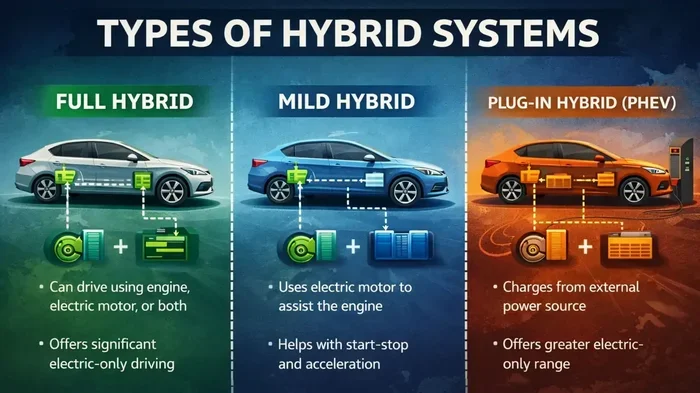
Full Hybrids
Full hybrids, sometimes called strong hybrids, can run on electric power alone for short distances. The Toyota Prius is the most famous example of a full hybrid. In most full hybrids, the switch from electric to gas happens somewhere between 25 and 45 mph.
At low speeds in city traffic, the electric motor does all the work. Once you hit highway speeds or demand more power, the gasoline engine joins in. Some full hybrids can even maintain electric-only driving up to about 40 mph under light throttle.
Plug-In Hybrids (PHEVs)
Plug-in hybrids have larger battery packs than standard hybrids. This means they can go farther on electric power alone. Many PHEVs stay in EV mode up to 60 mph or even higher.
For example, the Toyota RAV4 Prime can drive about 42 miles on electricity alone. The electric-only driving range is much longer than a regular hybrid. The switch to gas typically happens when the battery is depleted or when you push the car hard.
Mild Hybrids
Mild hybrids are different from full hybrids. They cannot drive on electric power alone. The electric motor in a mild hybrid mainly assists the gasoline engine. So the question of when a mild hybrid switches is a bit different.
In mild hybrids, the electric motor provides a boost during acceleration. But the gasoline engine is always running. There is no true electric-only mode. The switch is more about how much electric assist is being used rather than a full transition.
Comparison Table: Hybrid Types and Switching Behavior
| Hybrid Type | Electric-Only Speed Range | Typical Switch Speed | Can Drive on Electric Alone? |
|---|---|---|---|
| Full Hybrid | 0 to 40 mph | 25 to 45 mph | Yes, for short distances |
| Plug-In Hybrid | 0 to 60+ mph | 40 to 60 mph (or battery depletion) | Yes, for 20-60 miles |
| Mild Hybrid | N/A | Always uses gas engine | No |
| Range Extender Hybrid | 0 to 50+ mph | Varies by design | Yes, with gas generator backup |
As you can see from the table, at what speed does a hybrid switch from electric to gas varies widely. The type of hybrid system is the biggest factor.
Factors That Influence the Switch
Speed is not the only thing that determines when a hybrid switches to gas. Several other factors play a role too. Understanding these can help you drive more efficiently.
Battery Charge Level
The battery pack charge level is a major factor. If the battery is fully charged, the hybrid will stay in electric mode longer. If the battery is low, the car will switch to gas sooner to protect the battery and ensure it can recharge.
Think of it this way: the car wants to keep some electric charge in reserve. If you use it all up, the gas engine takes over to make sure you can keep driving and recharge when needed.
Driving Style
How you drive matters a lot. If you accelerate gently and maintain steady speeds, the electric motor can handle the work longer. If you stomp on the gas pedal, the gasoline engine will fire up quickly to provide extra power.
Smooth, predictable driving helps the hybrid vehicle stay in electric mode. Aggressive driving forces the gas engine to work harder and kick in sooner.
Temperature and Weather
Cold weather affects hybrid performance. In winter, the battery is less efficient. The car may switch to gas more often to keep the cabin warm and maintain battery temperature. In hot weather, the air conditioning can also trigger the gas engine to provide extra power.
Terrain and Road Conditions
Driving uphill requires more energy. The gasoline engine is more likely to kick in when climbing hills. On flat roads or when going downhill, the electric motor can handle things more easily. Regenerative braking also helps recharge the battery on downhills, which can extend electric-only driving.
Electrical Load
Using the air conditioner, heated seats, or other electrical accessories increases the power demand. When the electrical load goes up, the hybrid system may switch to the gas engine to provide extra power for these features.
Real-World Driving and the Transition Experience
So what does the switch actually feel like? Most drivers describe it as smooth and almost unnoticeable. Modern hybrid technology has come a long way in making transitions seamless.
In some cars, you might hear a slight change in engine noise. The electric motor is nearly silent, while the gasoline engine has a natural rumble. But good hybrids mask this difference very well.
On the highway, the switch is less of an issue. Most hybrids use both the electric motor and gasoline engine together at higher speeds. The electric motor assists the gas engine rather than taking a back seat. This is called power assist mode, and it improves fuel economy without a noticeable transition.
City driving is where the electric mode shines. Stop-and-go traffic is perfect for electric-only driving. The car uses no gas at all in these conditions, which is great for your wallet and the environment.
Highway vs. City: Where the Switch Happens Most
The switch between electric and gas happens differently depending on where you drive:
- City Driving: Frequent stops and low speeds keep the car in electric mode longer.
- Highway Driving: Constant higher speeds engage the gas engine more often.
- Mixed Driving: The car switches back and forth based on conditions.
If you want to maximize fuel savings, city driving is your best friend. The electric motor handles most of the work at lower speeds, which means less gas consumption.
Tips to Maximize Electric Mode and Save Fuel
Want to get the most out of your hybrid’s electric mode? Here are some practical tips that really work.
1. Accelerate Gently
Smooth acceleration keeps the car in electric mode longer. Hard acceleration triggers the gas engine to provide extra power. By easing onto the gas pedal, you let the electric motor do the work.
2. Keep Your Battery Charged
For plug-in hybrids, plug in every chance you get. A fully charged battery means more electric-only driving. Even for standard hybrids, avoiding deep battery drain helps the system stay in electric mode.
3. Use Eco Mode
Most hybrids have an Eco mode. This setting adjusts the throttle response and power distribution to favor electric driving. It can significantly extend your electric-only range.
4. Plan Your Routes
If you know your route, plan it to include more stop-and-go driving. City streets with traffic lights are better for electric mode than long highway stretches.
5. Use Regenerative Braking
When you lift off the accelerator or brake gently, the regenerative braking system recharges the battery. This recycled energy can then be used for electric-only driving later. It is a clever way to extend your electric range.
6. Reduce Electrical Load
Turning off unnecessary electrical features like heated seats or rear-window defrosters reduces the power demand. This helps the car stay in electric mode instead of pulling from the gas engine.
Common Mistakes That Force Early Gas Switching
Some driving habits cause the hybrid to switch to gas sooner than necessary. Here are a few to avoid:
- Riding the brakes: This wastes energy and prevents regenerative braking from recharging the battery.
- Hard acceleration: Slamming the gas pedal forces the gasoline engine to engage immediately.
- Ignoring battery charge: Driving on a nearly empty battery means the car relies on gas from the start.
- Carrying heavy loads: Extra weight increases power demand, triggering the gas engine sooner.
- Using high-speed highway driving only: This limits electric-only opportunities and reduces overall fuel economy.
Avoiding these mistakes can help you stay in electric mode longer and get better fuel economy from your hybrid vehicle.
Expert Insights on Hybrid Switching
We spoke with automotive engineers who work on hybrid technology every day. They shared some valuable insights about how the switching process really works.
“The switch from electric to gas is designed to be as invisible as possible,” says one engineer. “We spend years tuning the transition so that drivers barely notice it. The goal is seamless power delivery.”
Another expert added that the switching logic is different for every manufacturer. “Toyota’s system is very different from Ford’s or Honda’s,” he explained. “Each company programs their hybrid control unit differently based on their goals for performance, efficiency, and driver feel.”
They also emphasized that at what speed does a hybrid switch from electric to gas is not a fixed number. It is a dynamic decision made by the car’s computer based on real-time conditions. This is what makes hybrid technology so sophisticated and effective.
Key Takeaways
- Speed Matters: Most hybrids switch from electric to gas between 25 and 45 mph depending on the system design.
- Hybrid Type Changes Everything: Mild hybrids, full hybrids, and plug-in hybrids all behave differently at different speeds.
- Battery Charge Plays a Role: A low battery forces a faster switch to gasoline power.
- Driving Conditions Affect the Switch: Hill climbing, hard acceleration, and highway driving trigger the gas engine sooner.
- You Can Influence the Transition: Gentle driving and proper charging habits help extend electric-only range.
- No Universal Rule Exists: Every hybrid vehicle has its own switching logic programmed by the manufacturer.
Conclusion
So at what speed does a hybrid switch from electric to gas? The answer is not a single number. It depends on the type of hybrid, the battery charge, your driving style, and the conditions you are driving in. Most full hybrids switch between 25 and 45 mph, while plug-in hybrids can stay in electric mode up to 60 mph or higher.
The good news is that understanding this process helps you drive smarter. By accelerating gently, keeping your battery charged, and using Eco mode, you can stay in electric mode longer. This means better fuel economy, lower emissions, and a smoother driving experience.
Hybrid technology has come a long way in recent years. The transitions between electric and gas power are smoother and more intelligent than ever before. Whether you drive a Toyota Prius, a plug-in SUV, or a mild hybrid sedan, your car is constantly working to find the best balance between electric and gasoline power.
The next time you get behind the wheel, pay attention to how your car transitions between the two power sources. You might be surprised at how seamless it really is. And remember, every mile you spend in electric mode is a mile that costs you less at the pump and helps the planet at the same time.
Embrace the hybrid vehicle experience. Drive smoothly, charge often, and enjoy the benefits of this amazing hybrid technology. The switch between electric and gas is not something to worry about. It is something to appreciate.
Frequently Asked Questions
Can a hybrid drive entirely on electric power?
Yes, most full hybrids and plug-in hybrids can drive on electric power alone for short distances. The range depends on the battery size and driving conditions. Full hybrids typically offer a few miles of electric-only driving, while plug-in hybrids can go 20 to 60 miles or more on a full charge.
Does the hybrid switch happen automatically?
Yes, the switch between electric and gas power happens automatically. The hybrid control unit monitors speed, battery charge, acceleration, and power demand to decide when to transition. You do not need to do anything manually.
Is it bad for the car to switch frequently between electric and gas?
No, frequent switching is completely normal and designed into the system. The hybrid powertrain is built to handle thousands of transitions over the life of the vehicle. It does not cause extra wear or damage.
Can you manually choose electric mode in a hybrid?
Some hybrids offer an EV mode button that lets you force electric-only driving. However, the system may override this if the battery gets too low or if you need more power. Check your owner’s manual for specific details about your vehicle.
How does regenerative braking help extend electric mode?
Regenerative braking captures energy that would normally be lost during braking. This energy is sent back to the battery, which can then be used for electric-only driving. It is a smart way to recycle energy and improve overall fuel efficiency.
Do hybrids switch to gas on the highway?
Most hybrids do use the gasoline engine on the highway, especially at speeds above 45 mph. However, many hybrids use both the electric motor and gas engine together on the highway. This blended power approach maintains good fuel economy while providing the performance needed for higher speeds.