Can You Call 911 to Get Your Keys Out of Your Car Now
Yes, you can call 911 to get your keys out of your car, but it depends on the situation. If you or a child is in danger inside the vehicle, 911 will send help fast. For simple lockouts, non-emergency police or a locksmith may be a better choice. This guide covers when to call, what to expect, and smarter alternatives.
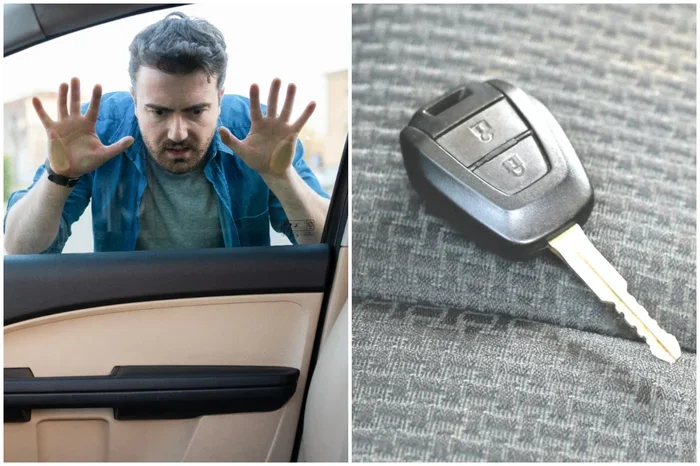
You step out of your car, and suddenly it hits you. Your keys are sitting on the passenger seat. The door locks behind you. The engine is off. You are standing outside your own vehicle with no way back in.
It happens to millions of people every year. In that moment of panic, your mind races to one question. Can you call 911 to get your keys out of your car? The short answer is yes. But the full answer is more nuanced than you might think.
Not every lockout is an emergency. And not every emergency is a 911 situation. Understanding when to call, what to expect, and what other options exist can save you time, money, and a lot of stress. This guide walks you through everything you need to know about car key lockout help and the role of emergency services.
Whether your keys are stuck in the ignition, your child is locked inside, or you simply forgot them on the dash, this article has you covered. Let us break it all down.
Key Takeaways
- 911 is for true emergencies: Call when someone is trapped or in danger inside the vehicle.
- Non-emergency police can help: They may assist with lockouts when no one is at risk.
- Locksmiths are often faster: A professional automotive locksmith can arrive and resolve the issue quickly.
- Roadside assistance covers lockouts: Your car insurance or membership may include free lockout service.
- Prevention saves time and stress: Spare keys and smart habits reduce lockout risks.
- Never break your own car: Improvised methods can cause costly damage.
- Know your local options: Having a plan before you need one makes all the difference.
📑 Table of Contents
Can You Call 911 to Get Your Keys Out of Your Car?
The answer depends on the situation. 911 exists for emergencies. It is not a general help line for everyday problems. But what counts as an emergency when it comes to car lockouts?
If you call 911 and there is no real danger, the dispatcher may not send help. They have limited resources. They must prioritize calls where lives are at risk. That said, there are situations where calling 911 for a lockout is absolutely the right move.
When Calling 911 Makes Sense
Here are situations where 911 car lockout assistance is appropriate:
- A child or pet is trapped inside the car. Heatstroke can set in fast. This is a life-threatening emergency.
- You are stranded in a dangerous area. If you feel unsafe or threatened, help should come fast.
- You have a medical condition. If you need medication inside the car and it is urgent, this counts.
- You are in a remote or isolated location. Help may be hard to find otherwise.
In these cases, 911 dispatchers will likely send police or emergency responders. They can often help you gain access to your vehicle safely.
When Calling 911 Is Not the Best Idea
On the other hand, calling 911 for a simple lockout is not ideal. Here is why:
- It wastes emergency resources. Dispatchers need lines open for real emergencies.
- Response time may be slower. Non-emergency calls get lower priority.
- You may be told to call a locksmith. Many dispatchers will redirect you anyway.
- It could result in a fine. Some areas penalize misuse of 911.
The bottom line is this. Use 911 for true emergencies only. For a routine lockout, there are better options. We will cover those in detail below.
What Happens When You Call 911 for a Car Lockout?
If you do call 911 and the dispatcher determines it is an emergency, here is what typically happens next. Understanding the process can ease your anxiety.
Step 1: The 911 Call
When you call, a 911 dispatcher will answer. They will ask you questions to understand the situation. Be clear and calm. Tell them:
- Your exact location.
- Whether anyone is inside the vehicle.
- If there is a child, pet, or someone in danger.
- What kind of vehicle you have.
Staying on the line is important. The dispatcher may give you instructions while help is on the way.
Step 2: Help Arrives
Depending on your location, police officers or emergency responders will arrive. In many cases, they carry lockout tools. These are special devices designed to open car doors without causing damage.
Some police departments also carry key extraction tools for keys stuck in ignitions. However, not all departments offer this service. It varies by location and available resources.
Step 3: Access Is Gained
If the officers can help, they will gain entry to your vehicle. They may:
- Use a wedge and rod tool to unlock the door.
- Extract a key stuck in the ignition.
- Help retrieve a child or pet from inside the car.
Most of the time, this service is free. But some police departments may charge a fee, especially if it is not a true emergency. It is worth asking upfront.
Alternative Solutions When 911 Is Not the Answer
For most car lockout situations, there are faster and more practical alternatives. Let us explore your best options.
Call a Professional Locksmith
A mobile locksmith is often the fastest and most reliable solution. They specialize in car lockout service and can handle any vehicle make or model.
Here is why locksmiths are a great choice:
- Available 24/7. Many locksmiths offer round-the-clock emergency lockout service.
- Fast response times. Most arrive within 15 to 30 minutes.
- No damage to your car. Professionals use specialized tools and techniques.
- Affordable pricing. Costs typically range from $50 to $150 for a standard lockout.
Look for a licensed and insured automotive locksmith near you. Check reviews and ask about their key extraction capabilities if your key is broken or stuck.
Roadside Assistance Programs
If you have roadside assistance coverage, this is your first call. Many car insurance policies include lockout service at no extra cost.
Popular options include:
- AAA — Offers lockout service to members. Response times are usually quick.
- Insurance-based roadside — Many policies from companies like Progressive or State Farm include this.
- Manufacturer programs — Some car brands offer free roadside help for a certain period after purchase.
- Credit card benefits — Certain cards provide lockout assistance as a perk.
Check your membership or policy details before calling. You may already have coverage you are not using.
Non-Emergency Police Line
Some people do not know that most police departments have a non-emergency number. This is the right number to call when no one is in danger but you need help.
The non-emergency line can:
- Connect you with an officer who can assist with a lockout.
- Provide advice on what to do while waiting.
- Avoid tying up the 911 system for real emergencies.
Find your local non-emergency number and save it in your phone. It is a smart move for any driver.
Roadside Assistance Comparison Table
Not all lockout service providers are the same. Here is a quick comparison to help you decide.
| Service Type | Cost | Response Time | Best For |
|---|---|---|---|
| 911 (Emergency) | Free (usually) | Fastest | Life-threatening situations |
| Non-Emergency Police | Free or low fee | Moderate | Simple lockouts, no danger |
| Mobile Locksmith | $50-$150 | 15-30 minutes | Fast, reliable, 24/7 |
| AAA / Roadside Club | Free with membership | 30-60 minutes | Members with active plans |
| Car Insurance Roadside | Free with coverage | 30-60 minutes | Policyholders |
| Tow Truck | $75-$150 | 30-60 minutes | When no other options exist |
As you can see, locksmiths and roadside clubs offer the best balance of speed, cost, and reliability for most lockout situations.
DIY Methods: Do They Work?
You may have seen videos online showing people unlocking their cars with shoelaces, coat hangers, or other household items. While some of these methods work on older vehicles, they come with serious risks.
Common DIY methods include:
- The shoelace technique for older manual lock doors.
- The coat hanger method to reach the lock button.
- Using a inflatable wedge to create a gap.
Here is the truth. Modern cars have advanced locking systems. They include transponder keys, remote keyless entry, and anti-theft immobilizers. DIY methods often fail on newer vehicles. Worse, they can scratch your paint, break window glass, or damage the door lock mechanism.
Avoid DIY lockout methods. The cost of a locksmith is far less than the cost of repairing damage you caused yourself.
How to Prevent Getting Locked Out of Your Car
Prevention is always better than cure. Here are simple habits that can save you from a car lockout in the first place.
Keep a Spare Key
This is the simplest and most effective tip. Keep a spare car key in a safe place. Good options include:
- A lockbox at home.
- A trusted friend or family member.
- A spare key in your bag or purse (not in the car).
- A magnetic key box hidden under your vehicle (use with caution).
Some people keep a valet key in their wallet or glove box. This is a smart backup plan.
Replace Your Key Fob Battery
Many key fob lockouts happen because the battery dies. You press the button and nothing happens. Then you realize you cannot get in.
Replace your key fob battery every 1 to 2 years. Most fobs use a CR2032 coin cell battery. It is cheap and easy to swap.
Make It a Habit
Build a routine. Every time you leave the car, check that you have your keys. Say it out loud if you need to. “Keys in hand, lock in hand.” This simple habit prevents most lockouts.
Upgrade to Smart Key Systems
If your car allows it, consider upgrading to a smart key system or push-button start. These systems often have features that prevent you from locking your keys inside. Some even alert you if you walk away from the car with the key still inside.
Use a Key Finder Tracker
Devices like Tile or Apple AirTag can be attached to your keychain. If you ever misplace your keys, you can track them down using your phone. It is not a replacement for prevention, but it helps in a pinch.
Expert Insights on Car Key Emergencies
We spoke with automotive professionals about the most common car lockout mistakes and best practices. Here is what they had to say.
Common Mistakes People Make
Mistake 1: Panicking and making rash decisions. People break windows, call random numbers from the internet, or try risky DIY methods. Stay calm. There is always a solution.
Mistake 2: Not having a backup plan. Relying on one method of access means you have no fallback. Always have at least two options.
Mistake 3: Ignoring the non-emergency police option. Many people either call 911 unnecessarily or do not know about the non-emergency line. Both are missed opportunities.
Mistake 4: Choosing the cheapest option blindly. Some roadside assistance plans have limits. Some locksmiths charge hidden fees. Always check details before committing.
Expert Quick Tips
- Save your locksmith’s number in your phone before you need it.
- Keep your non-emergency police number saved as well.
- Join a roadside assistance program even if you think you will not need it.
- Teach your children what to do if they get locked in a car.
- Never leave children or pets unattended in a vehicle, even for a moment.
These small steps add up to big protection. They can turn a stressful moment into a minor inconvenience.
Key Takeaways
- 911 is for true emergencies: Use it when someone is trapped or in danger inside the vehicle.
- Non-emergency police can help: They are a great middle-ground for simple lockouts.
- Mobile locksmiths are often the fastest option: They specialize in car key retrieval and lockout service.
- Roadside assistance covers most lockouts: Check your insurance or membership for free help.
- Prevention is your best tool: Spare keys, key fob battery swaps, and good habits stop lockouts before they start.
- Avoid DIY methods: They risk damage and often fail on modern vehicles.
- Know your options before you need them: Having a plan saves time and reduces panic.
Conclusion
So, can you call 911 to get your keys out of your car? Yes, you can. But should you? Only if it is a true emergency. If a child or pet is trapped inside, or if you are in danger, 911 is the right call. They will send help quickly and professionally.
For everyday lockouts, better options exist. A mobile locksmith can arrive fast and fix the problem without damage. Roadside assistance may cover the cost entirely. And your non-emergency police line is there for situations that need help but not urgency.
The most important thing you can do is be prepared. Save the right numbers. Keep a spare key. Replace your key fob battery regularly. Build habits that prevent lockouts before they happen.
Getting locked out of your car is stressful. But it does not have to be a crisis. With the right knowledge and a little planning, you can handle it like a pro. You have got this.
Frequently Asked Questions
Is it free to call 911 for a car lockout?
In most cases, if police respond to a lockout, there is no charge. However, some departments may bill you if the situation is not a true emergency. Always ask about any fees before help arrives.
How long does it take for a locksmith to arrive?
A mobile locksmith typically arrives within 15 to 30 minutes. Response times vary based on your location, time of day, and how busy the locksmith is. Choosing a local provider can speed things up.
Will calling 911 for a lockout affect my record?
Calling 911 for a non-emergency does not usually result in legal trouble. However, it can tie up emergency lines and delay response to people who truly need help. It is always better to use the right channel for the right situation.
Can a locksmith extract a key stuck in the ignition?
Yes. Most professional automotive locksmiths carry key extraction tools specifically designed for broken or stuck keys. They can remove the broken piece and help you get back on the road quickly.
Does car insurance cover lockout service?
Many car insurance policies include roadside assistance as part of the coverage. This often includes lockout service at no extra cost. Check your policy details or call your provider to confirm.
What should I do if my child is locked in the car?
Call 911 immediately. This is a life-threatening emergency. While waiting for help, try to calm the child and keep them comfortable. If the child shows signs of distress, stay on the line with the dispatcher for real-time guidance.