How to Protect Your Auto Glass During Summer Heat
Summer heat can cause serious damage to your auto glass if you don’t take the right steps to protect it. This guide covers everything you need to know about how to protect your auto glass during summer, from simple parking tips to the best products on the market. You will learn the science behind heat damage, practical prevention methods, and what to do when problems arise.
Every summer, thousands of drivers deal with cracked windshields, chipped glass, and weakened seals. The heat does more than make your car uncomfortable. It puts real stress on your auto glass. The good news is that a few smart habits can make a huge difference. If you want to know how to protect your auto glass during summer, you are in the right place.
This guide breaks down everything you need to know. We will cover the science behind heat damage, the most common summer threats, and the best ways to keep your glass safe. You will also find product recommendations and expert tips that actually work. Let us dive in.
Key Takeaways
- UV rays and extreme heat are the biggest enemies of auto glass in summer.
- Using a reflective windshield cover is one of the simplest and most effective steps.
- Parking in shade or a garage dramatically reduces heat damage risk.
- Avoiding sudden temperature changes prevents thermal shock and cracking.
- Regular auto glass maintenance catches small problems before they become costly repairs.
- Quality products like UV-protective films and sealants add a strong layer of defense.
📑 Table of Contents
- Why Summer Heat Is Tough on Auto Glass
- Common Summer Threats to Your Vehicle Glass
- Proven Ways to Protect Auto Glass During Summer
- Best Products and Tools for Summer Glass Protection
- What to Do When Heat Damage Occurs
- Long-Term Auto Glass Care for Year-Round Protection
- Final Thoughts on Protecting Your Auto Glass in Summer
Why Summer Heat Is Tough on Auto Glass
Many people do not realize that heat affects auto glass in serious ways. Glass expands when it gets hot and contracts when it cools. This constant shifting puts stress on the material. Over time, that stress leads to cracks and chips. The problem gets worse when there are already small weaknesses in the glass.
Your car sits in direct sunlight for hours on end. The interior temperature can soar past 150 degrees Fahrenheit. That kind of heat does not just affect the glass. It also weakens the rubber seals around the edges. When those seals dry out, your windshield becomes more vulnerable to damage from road debris and vibration.
The Science Behind Glass Expansion
Auto glass is designed to handle normal temperature changes. But summer heat pushes it beyond normal limits. The outer layer of the glass heats up fast while the inner layer stays cooler. This creates uneven expansion. The result is internal stress. Over days and weeks of repeated heating and cooling cycles, tiny fractures form. These fractures grow into visible cracks over time.
Thermal shock is the biggest culprit here. When you pour cold water on a hot windshield or blast your AC at full force on a scorching hot glass surface, the rapid temperature change can cause immediate cracking. This is called thermal shock and it is one of the most common causes of summer windshield damage.
How UV Rays Weaken Your Glass Over Time
Ultraviolet rays from the sun do more than fade your dashboard. They also degrade the materials around your glass. The UV damage to car windows is real and cumulative. Each summer adds another layer of wear. The UV rays break down the adhesive that holds your windshield in place. They also dry out the rubber seals, making them brittle and less effective.
Over time, this means your glass has less structural support. Even a small rock hit that would have been harmless before can now cause a full crack. Protecting your car from UV exposure is not just about looks. It is about keeping your glass strong and your seals intact.
Common Summer Threats to Your Vehicle Glass
Understanding the threats is the first step in preventing them. Summer throws several challenges at your auto glass. Let us look at the most common ones.
Extreme Temperature Swings
Think about what your car goes through on a hot summer day. The outside temperature might be 95 degrees. The dashboard and steering wheel reach 170 degrees. Then you get in and blast the air conditioning. The glass temperature drops rapidly. These extreme swings create stress fractures. Over time, these fractures turn into cracks that spread across the windshield.
The same problem happens at night. Temperatures drop fast after a hot day. The glass contracts quickly. If there are already weak spots, a crack can start overnight. This is why many drivers notice new cracks in the morning after a hot day.
Road Debris and Gravel
Summer road construction is everywhere. More construction means more loose gravel on the roads. When you drive near construction zones or on freshly paved roads, small stones kick up from other vehicles. These rocks hit your windshield at high speed. Even a tiny chip can spread into a large crack when the glass is already stressed from heat.
Hot weather makes auto glass more brittle. A chip that would have stayed small in cool weather can spread quickly in the summer heat. This is one of the biggest reasons summer auto glass repair costs go up.
Direct Sunlight on Weak Points
Your windshield has weak points. The edges where the glass meets the frame are the most vulnerable. The area around the rearview mirror mount is another common stress point. When direct sunlight hits these weak spots for hours, the heat concentrates there. The glass expands more in those areas, creating micro-fractures that grow over time.
Old windshields with worn seals are especially at risk. The glass has less flexibility and more exposure at the edges. If your windshield is more than five years old, pay extra attention to these areas during summer.
Proven Ways to Protect Auto Glass During Summer
Now that you know the threats, let us talk about solutions. Here are the most effective ways to protect your auto glass during summer. These methods are simple, affordable, and proven to work.
Use a Reflective Windshield Cover
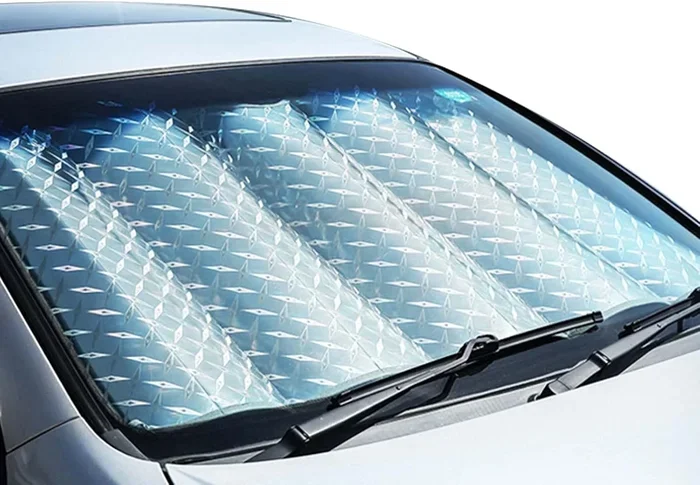
A reflective windshield cover is one of the best investments you can make. These covers reflect sunlight away from your windshield. They keep the interior temperature much lower. When you return to your car, the glass is not blazing hot. This alone can prevent dozens of thermal shock cracks over a summer.
Look for covers that are the right size for your vehicle. They should fit snugly and have reflective material on one side. Place the cover on your windshield every time you park outside. It takes five seconds and it works all day.
Park in the Shade Whenever Possible
This sounds obvious, but many drivers do not make it a habit. Parking in shade reduces the surface temperature of your auto glass by 30 to 50 degrees. That is a huge difference. Over a full summer, the cumulative effect is significant.
When shade is not available, park facing away from the sun. This reduces the amount of direct sunlight hitting your windshield. You can also angle your windshield to minimize sun exposure. These small adjustments add up over time.
Avoid Sudden Temperature Changes
Do not pour cold water on a hot windshield. Do not blast your AC at full blast the moment you get in the car. Instead, roll down your windows for the first few minutes. Let the hot air escape naturally. Then turn on the AC at a moderate temperature and gradually increase it.
This simple habit prevents thermal shock. It gives the glass time to adjust to temperature changes gradually. Your windshield will thank you for the extra patience.
Keep Your Windshield Clean
Dirt and grime on your windshield create tiny weak points. When sunlight hits dirty glass, the dirt absorbs heat unevenly. This creates hot spots that can lead to cracking. Clean your windshield regularly during summer. Use a quality glass cleaner and a microfiber cloth.
Also clean the inside of your windshield. Dust and UV residue build up on the inside surface too. A clean glass surface reflects heat better and absorbs less energy from the sun.
Check and Maintain Your Windshield Seals
The rubber seals around your windshield do more than keep water out. They also support the structural integrity of the glass. When seals dry out in the summer heat, they crack and shrink. This leaves gaps that let hot air reach the edges of the glass.
Inspect your seals regularly. Look for cracks, gaps, or areas where the seal feels brittle. Apply a rubber conditioner to keep the seals flexible. This is a simple step that many drivers overlook.
Consider Car Window Tinting
Window tinting is a great way to reduce heat and UV exposure for your auto glass. A quality ceramic tint block up to 99 percent of UV rays. It also reduces the interior temperature significantly. This means less stress on the glass and less fading of your interior.
Make sure your tint complies with local laws. Different states have different regulations on how dark tint can be. Choose a professional installer for the best results. A poorly installed tint can create bubbles that trap heat and cause more problems.
Best Products and Tools for Summer Glass Protection
The right products can add an extra layer of protection to your auto glass. Here are some of the best options available.
Windshield Sun Shades
A good windshield sun shade is essential for summer. These shades fold up small and fit easily in your glove box. When you park, unfold the shade and place it against the inside of your windshield. It blocks direct sunlight and keeps the glass cool.
Look for shades with a dual-layer design. One side reflects heat and the other absorbs it. Some premium shades use metallic reflective coatings that are very effective. Brands like WeatherTech and EcoNour make reliable options at different price points.
UV-Protective Glass Films
UV-protective films apply directly to your glass. They block harmful ultraviolet rays that cause degradation over time. These films are especially useful for side windows and rear windows where tinting might not be an option.
You can find UV films at most auto parts stores. They are easy to apply and last for several years. Some films also add a layer of shatter resistance, which improves safety in case of an accident.
Rubber Seal Conditioners
Products like silicone-based seal conditioners keep your windshield rubber seals flexible. Apply them every few months during summer. They prevent cracking and shrinking that leads to air and water leaks. A well-maintained seal also helps your glass withstand thermal stress better.
Glass Repair Kits
Keep a quality auto glass repair kit in your car. These kits can fix small chips before they spread into cracks. They use a resin that fills the chip and hardens it. The repair is not permanent but it can buy you time until you visit a professional.
Comparison: Popular Auto Glass Protection Products
| Product | Type | Key Benefit | Price Range |
|---|---|---|---|
| WeatherTech Windshield Sun Shade | Reflective Cover | Blocks up to 99% of UV rays | $20 – $40 |
| EcoNour Reflective Cover | Reflective Cover | Lightweight and easy to store | $15 – $30 |
| 3M Crystalline Window Film | UV Film | Blocks 99% UV without darkening | $50 – $100 |
| Rain-X Glass Sealant | Sealant | Adds water repellency and protection | $10 – $20 |
| Permatex Rubber Conditioner | Seal Treatment | Keeps seals flexible and durable | $8 – $15 |
| Star Bumper Windshield Repair Kit | Repair Kit | Fixes small chips before they spread | $15 – $25 |
Quick Tips for Choosing the Right Products
- Always check product reviews before buying.
- Choose products that are specifically designed for auto glass.
- Avoid cheap products that may leave residue or damage your glass.
- Buy products with UV protection ratings listed on the label.
- Consider the climate in your area when choosing products.
What to Do When Heat Damage Occurs
Even with the best prevention, damage can still happen. Here is what to do when you notice a problem with your auto glass.
Assess the Damage Immediately
When you spot a crack or chip, assess it right away. Small chips are easy to fix. Large cracks may require a full windshield replacement. The longer you wait, the more the damage will spread. Heat and vibration from driving cause chips to grow into cracks quickly during summer.
Cover the damaged area with clear tape if you cannot get it repaired immediately. This keeps dirt and moisture out and prevents further spreading. It is a temporary fix, but it helps.
Find a Reliable Auto Glass Repair Shop
Look for a certified auto glass repair shop near you. Read reviews and check their ratings. A good shop will inspect the damage and recommend the right fix. Many shops offer mobile service where they come to you. This is very convenient during the busy summer months.
If the crack is longer than six inches or directly in your line of sight, replacement is usually the safest option. A damaged windshield compromises your structural integrity in a crash. Do not take chances with a seriously cracked windshield.
Know When to Replace vs. Repair
Here is a simple guide to help you decide.
- Repair if: The chip is smaller than a quarter, the crack is under three inches, and the damage is not in your direct line of sight.
- Replace if: The crack is longer than six inches, the damage is in your line of sight, the glass is shattered or severely compromised, or multiple cracks spread across the windshield.
Always consult a professional if you are unsure. They can assess the damage and give you the best recommendation for your safety and your budget.
Long-Term Auto Glass Care for Year-Round Protection
Protecting your auto glass is not just a summer task. Year-round care keeps your glass strong and extends its lifespan. Here are some habits to build into your routine.
Schedule Regular Auto Glass Inspections
Have a professional inspect your auto glass at least twice a year. Spring and fall are ideal times. An inspector can spot small chips, seal wear, and UV damage before they become major problems. Regular inspections are one of the best auto glass maintenance habits you can build.
During an inspection, the professional will check your seals, look for micro-fractures, and assess the overall condition of the glass. They can also clean hard-to-reach areas that you might miss at home.
Keep Your Wiper Blades in Good Condition
Worn wiper blades scratch your windshield. In summer, dust and pollen are especially hard on glass. Replace your wiper blades every six months. Use a quality windshield cleaner that does not leave streaks or residue.
Clean your windshield with a microfiber cloth to avoid scratches. Never wipe dry glass with a rough cloth. This creates micro-scratches that weaken the glass over time and make it more prone to cracking.
Be Mindful of Parking Habits
Your parking habits have a bigger impact on your auto glass than you might think. Avoid parking under trees where sap and bird droppings can damage the glass. Stay away from areas where construction is happening. And always try to park in a garage or covered area when possible.
These habits might seem small, but they add up. Over months and years, they make a significant difference in the condition of your auto glass.
Expert Insights on Summer Auto Glass Care
Industry experts agree that prevention is far cheaper than repair. According to auto glass professionals, the most common mistake drivers make is ignoring small chips. A tiny chip that costs $30 to repair can turn into a $300 windshield replacement if left untreated through the summer heat.
Experts also emphasize the importance of quality materials. Cheap replacement glass or low-grade sealants may save money upfront but lead to more problems down the road. Investing in quality products and professional installation pays off in the long run.
Another expert tip is to never use your car’s defroster on high heat immediately after a hot drive. Let the glass cool down first. The rapid temperature change from a scorching hot windshield to a blast of hot air from the defroster can cause cracking.
Common Mistakes That Damage Auto Glass in Summer
- Using ice-cold water to cool down a hot windshield. This causes instant thermal shock and can crack the glass immediately.
- Ignoring small chips and cracks. Heat makes them spread fast. What starts as a small chip becomes a long crack within days.
- Using harsh chemical cleaners on glass. These degrade the sealant and can leave permanent streaks that weaken the glass surface.
- Not replacing worn wiper blades. Old blades scratch the glass and create stress points that crack under heat.
- Parking in direct sunlight every day without protection. The cumulative UV and heat exposure adds up fast and weakens the glass over time.
Avoiding these mistakes alone can significantly extend the life of your auto glass. Combine these habits with the protective measures we discussed earlier, and your windshield will stay strong through even the hottest summers.
Final Thoughts on Protecting Your Auto Glass in Summer
Protecting your auto glass during summer does not have to be complicated. A few simple habits like using a reflective cover, parking in shade, and avoiding sudden temperature changes go a long way. Add in regular maintenance and the right products, and you give your windshield the best chance of staying damage-free.
The key is consistency. Make these steps part of your summer routine and they become second nature. You will save money on expensive repairs, stay safer on the road, and keep your car looking great all season long.
Remember, your auto glass is not just a window. It is a critical safety component of your vehicle. Taking care of it should always be a priority. Start implementing these tips today and your future self will thank you when summer comes around again.
Frequently Asked Questions
Can heat alone cause a windshield to crack?
Yes, extreme heat combined with thermal shock can cause a windshield to crack. When hot glass is suddenly exposed to cold air or cold water, the rapid temperature change creates stress fractures. This is why avoiding sudden temperature changes is one of the most important tips for how to protect your auto glass during summer.
How often should I replace my windshield wipers in summer?
You should replace your wiper blades every six months. Summer is especially hard on wipers because of dust, pollen, and UV exposure. Dirty or worn blades scratch the glass and create weak spots that can lead to cracks. Fresh blades keep your windshield clean and protected.
Is car window tinting worth it for glass protection?
Yes, window tinting is one of the best investments for summer auto glass care. Quality ceramic tints block up to 99 percent of UV rays and significantly reduce interior temperatures. This protects the glass from heat damage and keeps the rubber seals from drying out. Just make sure your tint complies with local laws.
What should I do if I notice a small chip in my windshield?
Get the chip repaired as soon as possible. Small chips are easy and inexpensive to fix. If you wait, summer heat will cause the chip to spread into a crack. Use a temporary windshield repair kit if you cannot visit a shop right away, and cover the chip with clear tape to keep it clean.
Does a windshield sun shade really make a difference?
Absolutely. A reflective windshield sun shade can lower your interior temperature by 20 to 30 degrees. This reduces the stress on your auto glass from heat expansion. It also protects your dashboard and upholstery from UV damage. It is one of the simplest and most effective tools for how to protect your auto glass during summer.
How can I tell if my windshield seal is failing?
Signs of a failing windshield seal include water leaks inside the car, rattling noises while driving, visible gaps between the glass and frame, or dry cracked rubber around the edges. If you notice any of these signs, have a professional inspect the seal right away. A failing seal lets hot air reach the glass edges and accelerates heat damage.
=== CONCLUSION ===
Learning how to protect your auto glass during summer is one of the smartest things you can do as a car owner. The summer heat puts real stress on your windshield and windows, but the right habits and products make a big difference. Use a reflective cover, park in shade, avoid sudden temperature changes, and keep up with regular maintenance. These simple steps will save you money, keep you safe, and extend the life of your auto glass for years to come. Start today and enjoy a worry-free summer behind the wheel.