How Do I Know If a Hubcap Will Fit My Car Properly
Finding the right hubcap starts with knowing your vehicle’s wheel specs. You need to check your bolt pattern, hub diameter, and tire size before buying any cover. A mismatched hubcap can rattle, wobble, or even fly off while driving. This guide walks you through every step to find a hubcap that fits your car perfectly. By the end, you will feel confident choosing the right wheel cover for your ride.
Have you ever stood in an auto parts store staring at rows of shiny wheel covers, completely unsure which one fits your car? You are not alone. Many car owners run into this exact problem when they want to spruce up their ride. The good news is that figuring out hubcap fitment is simpler than most people think.
Whether you drive a sedan, truck, or SUV, your wheels follow a specific set of measurements. These measurements tell you exactly which hubcaps will work on your vehicle. Once you learn how to read these numbers, the whole process becomes easy and even fun. Let us walk through it together step by step.
Key Takeaways
- Know your bolt pattern: The bolt circle diameter and number of lugs determine if a hubcap attaches properly to your wheel.
- Measure the hub diameter: The center hole must match your wheel hub exactly for a snug fit without wobbling.
- Check your tire size: Tire width and diameter help you find the right hubcap size for your vehicle.
- Use your owner manual: Your car manual has all the wheel specifications you need, including lug nut size and torque specs.
- Try the cardboard test: A simple DIY method using cardboard can help you measure your wheel size at home.
- Verify before buying: Always double-check hubcap fitment against your vehicle make, model, and year before purchasing.
📑 Table of Contents
Understanding Hubcap Basics
Before you grab a tape measure, it helps to understand what a hubcap actually does. A hubcap covers the center part of your wheel. It hides the lug nuts and gives your car a cleaner look. Some people call them wheel covers, and they come in many shapes and sizes.
Not all hubcaps are the same. Factory hubcaps come with your car from the dealership. Aftermarket hubcaps are made by other companies and fit many different vehicles. Both types follow strict sizing rules. Understanding these rules is the first step to finding the perfect fit.
Why Hubcap Fit Matters
A hubcap that does not fit properly can cause real problems. It might rattle while you drive down the highway. In worst-case scenarios, a loose hubcap can fly off and hit another car on the road. Beyond safety, a poorly fitting cover also looks terrible and takes away from your car’s appearance.
On the flip side, a hubcap that fits snugly looks great and lasts for years. It stays in place on every bump and turn. This is why taking the time to get the right size matters so much. A proper fit means you never have to worry about it coming loose.
How to Find Your Vehicle’s Wheel Specifications
Every car has a unique set of wheel specifications. These numbers are like a fingerprint for your wheels. Once you know them, finding the right hubcap becomes a breeze. You have several easy ways to find this information.
Check Your Owner Manual
Your car’s owner manual is the best place to start. Open the section about wheels and tires. You will find details about your bolt pattern, hub diameter, and wheel size. The manual also lists the correct tire size for your vehicle. This information is always accurate because it comes straight from the manufacturer.
If you do not have your manual anymore, do not worry. You can find a digital copy online. Just search for your car make, model, and year, plus the word manual. Most manufacturers offer free PDFs on their websites.
Look at the Tire Sidewall
Your tire sidewall holds a lot of useful information. Look at the side of any tire on your car. You will see a string of numbers like 205/55R16. Each part of this code tells you something important.
- 205 is the tire width in millimeters.
- 55 is the aspect ratio (height compared to width).
- R means radial construction.
- 16 is the wheel diameter in inches.
This last number, the wheel diameter, is one of the key pieces you need. It tells you the size of the wheel your hubcap must cover. Write this number down and keep it handy when you shop for hubcaps.
Inspect Your Current Hubcap
If your car already has hubcaps on it, you have a built-in reference. Flip your car on its side or use a jack to lift one wheel. Look at the back of the current hubcap. Many manufacturers stamp sizing information right on the back.
You might see numbers like “16×6.5 ET45.” This tells you the wheel diameter, width, and offset. Even if the numbers are hard to read, any information helps. Compare what you find with the specifications of the hubcap you want to buy.
Measuring Your Hubcap for the Right Fit
Sometimes the information on your tire or manual is not enough. You might need to take direct measurements. This is especially true if you are buying an aftermarket hubcap or replacing a lost cover. The good news is that you only need a few basic tools.
What You Will Need
Gather these simple items before you start measuring:
- A tape measure or ruler
- A piece of cardboard or paper
- A pen or marker
- Your car jack and lug wrench
You do not need expensive tools for this job. A basic tape measure from your junk drawer works perfectly fine. The cardboard trick is a clever way to get accurate measurements without removing the wheel.
The Cardboard Trick
This simple method works great for measuring wheel diameter at home. Here is how you do it.
- Place a flat piece of cardboard against the tire.
- Mark the cardboard where it touches the ground on both sides of the tire.
- Measure the distance between the two marks.
- Divide that number by two to get the radius.
- Multiply the radius by two to confirm the diameter.
This gives you a solid estimate of your wheel size. Compare this measurement to the hubcap sizing chart from the manufacturer. You will quickly see if a particular cover is a match.
Measuring Bolt Pattern
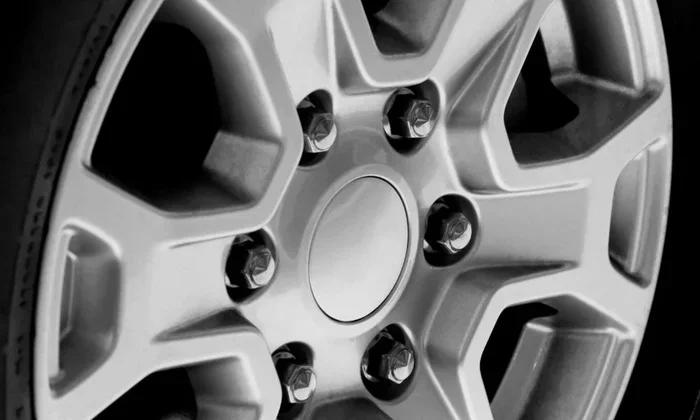
The bolt pattern is one of the most important measurements. It refers to the arrangement of lug nuts on your wheel. Two numbers describe it: the number of bolts and the distance between them.
For example, a 5×114.3 bolt pattern means five lug nuts arranged in a circle with a diameter of 114.3 millimeters. If your hubcap does not match this pattern, it simply will not fit. You can measure the bolt pattern yourself or find it listed in your vehicle specifications.
Common Hubcap Sizes and Fitment Standards
Hubcaps come in standard sizes that correspond to common wheel diameters. Most passenger cars use wheels ranging from 14 to 18 inches. Trucks and SUVs often go up to 20 inches or more. Knowing your wheel size narrows down your options quickly.
Popular Hubcap Sizes by Vehicle Type
Here is a general guide to hubcap sizes based on vehicle type:
- Compact cars: Usually 14 or 15-inch wheels. Look for hubcaps labeled for these sizes.
- Midsize sedans: Often 15 or 16-inch wheels. Most hubcap brands carry these sizes.
- SUVs and light trucks: Typically 16 to 18-inch wheels. Larger covers are available for these vehicles.
- Full-size trucks: Can range from 17 to 22-inch wheels. Specialty hubcaps exist for these bigger rims.
Always match the hubcap size to your actual wheel size. A hubcap designed for a 16-inch wheel will not fit a 17-inch wheel. Even a half-inch difference can cause problems with fit and stability.
Understanding Wheel Offset and Backspacing
Two more terms you should know are wheel offset and backspacing. Offset refers to how the wheel sits relative to the suspension. Backspacing is the distance from the hub mounting surface to the edge of the wheel.
These measurements matter because they affect how the hubcap sits on the wheel. If the offset is wrong, the hubcap might rub against the brake caliper or suspension components. Most factory hubcaps are designed to work with your stock wheel offset. Aftermarket covers sometimes require more careful matching.
Bolt Patterns Explained Simply
The bolt pattern is the most critical measurement for hubcap fitment. Without the right bolt pattern, no hubcap will attach securely to your wheel. Let us break this down in plain language so it makes total sense.
What Is a Bolt Pattern?
Your wheel has several lug nuts that screw onto studs to hold the wheel in place. The bolt pattern describes both the number of lug nuts and the size of the circle they form. Common bolt patterns include 4×100, 5×114.3, 5×100, and 6×135.
The first number tells you how many lug nuts the wheel has. The second number tells you the diameter of the circle those nuts form, measured in millimeters. A hubcap must match both numbers to fit your car properly.
How to Measure Your Bolt Pattern at Home
Measuring the bolt pattern is easier than you might think. For a 4-bolt pattern, simply measure from the center of one hole to the center of the hole directly across from it. For a 5-bolt pattern, measure from the back of one hole to the center of the hole farthest away.
Use a ruler or caliper for the most accurate reading. Write down the measurement and compare it to hubcap fitment charts online. Many auto parts stores also have these charts posted in-store for quick reference.
Tips for Buying the Right Hubcap
Shopping for hubcaps does not have to be confusing. With the right approach, you can find a perfect fit quickly and easily. Follow these practical tips to make the process smooth.
Always Verify Fitment Before Purchase
Never assume a hubcap will fit just because it looks the right size. Always check the manufacturer’s fitment guide. Most reputable brands list which vehicles their hubcaps fit. Match your car make, model, and year against their list before you buy.
If you are shopping online, use the vehicle fitment selector tool. Enter your car details and the tool will show you only compatible options. This saves you from the hassle of returns and exchanges.
Consider Quality Over Price
It is tempting to grab the cheapest hubcap you can find. But low-quality covers often have poor fit and finish. They might crack in cold weather or fade quickly in the sun. A slightly more expensive hubcap from a trusted brand will last much longer.
Look for hubcaps made from durable materials like ABS plastic or reinforced composites. These materials hold up well against road conditions and weather. They also maintain their appearance longer than cheap alternatives.
Check for a Snap Ring or Retention Clip
Most hubcaps use a snap ring or retention clip to stay on the wheel. This small metal ring sits inside the hubcap and locks it onto the wheel lip. Make sure the hubcap you buy includes this component or that your current one is in good condition.
A missing snap ring is one of the most common reasons hubcaps fall off. Before you install a new cover, inspect the snap ring on your old hubcap. Replace it if it looks bent or damaged. This small step goes a long way toward keeping your hubcap secure.
When to Consult a Professional
If you have tried all the steps above and still are unsure about fitment, ask for help. Many tire shops and auto parts stores offer free fitment advice. Their staff can look up your vehicle specifications and recommend the right hubcap.
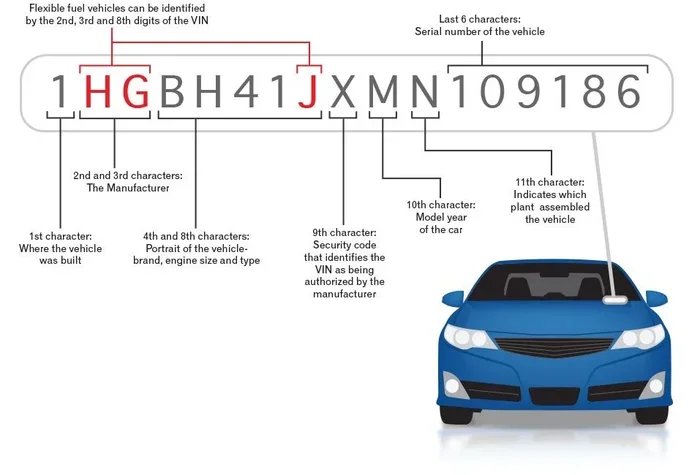
You can also visit a dealership with your vehicle identification number, or VIN. The dealership can pull up your exact wheel specifications. This is the most accurate method, especially if your car has aftermarket wheels or unusual sizing.
Common Mistakes to Avoid
Even with the best intentions, people make mistakes when buying hubcaps. Here are the most common pitfalls and how to avoid them.
- Guessing the size: Never guess your wheel diameter or bolt pattern. Always measure or look up the exact specs.
- Ignoring the hub bore: The center hole of the hubcap must match your hub diameter. A hole that is too large will cause wobbling.
- Skipping the fitment check: Always use the manufacturer’s fitment guide. Do not rely on visual similarity alone.
- Forgetting about the valve stem: Some hubcaps have a cutout for the tire valve stem. Make sure this aligns with your valve stem position.
- Buying without a return policy: Only purchase from retailers that allow returns. This gives you a safety net if the fit is not right.
Key Takeaways
- Know your bolt pattern: The bolt circle diameter and number of lugs determine if a hubcap attaches properly to your wheel.
- Measure the hub diameter: The center hole must match your wheel hub exactly for a snug fit without wobbling.
- Check your tire size: Tire width and diameter help you find the right hubcap size for your vehicle.
- Use your owner manual: Your car manual has all the wheel specifications you need, including lug nut size and torque specs.
- Try the cardboard test: A simple DIY method using cardboard can help you measure your wheel size at home.
- Verify before buying: Always double-check hubcap fitment against your vehicle make, model, and year before purchasing.
Conclusion
Knowing how to check if a hubcap will fit your car is a valuable skill for any car owner. You now have all the tools and knowledge to make the right choice. From understanding bolt patterns to measuring wheel diameter, you are equipped to avoid costly mistakes and find the perfect wheel cover for your vehicle.
Take your time when shopping. Compare measurements carefully. Use the fitment guides and do not hesitate to ask for help when you need it. A properly fitted hubcap not only protects your wheels but also gives your car a polished, finished look. With the right hubcap in place, you can drive with confidence knowing your wheels look great and stay secure on every road.
Start with the steps in this guide today. Measure your wheels, check your vehicle specs, and find the perfect hubcap fit for your car. Your ride will thank you for it.
Frequently Asked Questions
What size hubcap do I need for my car?
You need to know your wheel diameter and bolt pattern to find the right hubcap size. Check your owner manual or look at the sidewall of your tire for the wheel diameter number. Match this measurement to the hubcap size listed by the manufacturer.
Can I put any hubcap on any car?
No, hubcaps are not universal. Each vehicle has a specific bolt pattern, hub diameter, and wheel size that must match the hubcap. Always verify fitment using your car’s specifications before purchasing any hubcap.
How do I measure my bolt pattern at home?
For a 4-bolt wheel, measure from the center of one hole to the center of the hole directly across. For a 5-bolt wheel, measure from the back of one hole to the center of the hole farthest away. Write down both the number of bolts and the measurement in millimeters.
What happens if my hubcap is too big or too small?
A hubcap that is too big will not attach to the wheel. One that is too small will rattle and may fall off while driving. Both situations are dangerous and can damage your wheel or other parts of your car.
Do aftermarket hubcaps fit differently than OEM hubcaps?
Aftermarket hubcaps can fit just as well as OEM hubcaps if you match the specifications correctly. However, aftermarket options may have different center bore sizes. You might need a hub-centric ring to fill any gap between the hubcap and your wheel hub.
How do I keep my hubcap from falling off?
Make sure the snap ring or retention clip is intact and properly seated. Check that the hubcap size matches your wheel exactly. If your hubcap keeps coming off, inspect the clip and consider replacing it with a new one from an auto parts store.