Is 132 Horsepower Good Enough for Most Driving Needs
132 horsepower is a solid engine power rating that works well for most daily driving needs. Whether you drive a sedan, SUV, or compact car, this horsepower level offers a great balance between performance and fuel economy. Most drivers will find 132 hp more than enough for city commutes, highway cruising, and light towing tasks.
When you start shopping for a new car, you quickly realize that numbers matter. Horsepower ratings, torque figures, engine displacement, and fuel economy numbers all compete for your attention. One number that comes up often in car reviews and spec sheets is 132 horsepower. So, is 132 horsepower good? The short answer is yes. But like most things in the car world, the full answer depends on what you need, what you drive, and what you expect from your vehicle.
Let us break this down in a way that actually makes sense. Whether you are a first-time car buyer, a commuter looking for a reliable ride, or someone comparing SUV performance against sedan power, this guide covers everything you need to know about the 132 horsepower engine rating.
Key Takeaways
- 132 hp is plenty for daily driving: Most city and highway driving needs are easily met with this engine power level.
- Fuel economy stays strong: Cars with 132 horsepower typically deliver good gas mileage without sacrificing too much performance.
- Light towing is possible: You can tow small trailers and boats with a 132 hp engine, but heavy loads are not recommended.
- Best suited for compact to mid-size vehicles: Sedans, hatchbacks, and small SUVs benefit most from this horsepower rating.
- Torque matters just as much: Horsepower alone does not define your driving experience. Torque plays a big role in how a car feels on the road.
- Driver expectations shape the answer: If you want sporty acceleration, 132 hp may feel slow. For relaxed, comfortable driving, it is more than adequate.
- Engine specs tell the full story: Always look at the full picture, including displacement, fuel type, and transmission, when evaluating a car.
📑 Table of Contents
- What Does 132 Horsepower Actually Mean?
- Is 132 Horsepower Good for Daily Driving?
- How 132 HP Compares Across Vehicle Types
- Fuel Economy: Does 132 HP Save You Money?
- Can You Tow with a 132 HP Engine?
- When 132 Horsepower Is Not Enough
- Expert Insights on 132 HP Engines
- Common Mistakes Buyers Make When Evaluating Horsepower
- Quick Tips for Getting the Most Out of a 132 HP Engine
- So, Is 132 Horsepower Good? The Final Verdict
What Does 132 Horsepower Actually Mean?
Horsepower is a measure of engine power. It tells you how much work your engine can do over time. The term dates back to the 1700s when engineers compared steam engines to horses. Today, it remains one of the most important numbers on a car spec sheet.
So what does 132 horsepower mean in real-world terms? It means your engine can produce enough energy to move a mid-size vehicle at comfortable speeds. It is not a sports car number. But it is far from weak. Most economy cars and compact sedans fall in the 100 to 150 horsepower range, so 132 hp sits right in the sweet spot.
How Horsepower Is Measured
Engine power is measured using a dynamometer. There are two common types: brake horsepower (bhp) and wheel horsepower (whp). Brake horsepower measures the engine output at the crankshaft. Wheel horsepower measures what actually reaches the road. The difference comes from drivetrain losses, which typically eat up about 10 to 15 percent of total power.
When a manufacturer lists 132 horsepower, they usually mean brake horsepower. What you feel at the wheel is slightly less. This is an important distinction when comparing engine specs across different brands.
Horsepower vs Torque: Why Both Matter
People often focus only on horsepower and ignore torque. That is a mistake. Torque is the twisting force your engine produces. It is what gets your car moving from a stop. Horsepower is what keeps it moving and helps it reach higher speeds.
A car with 132 horsepower and strong low-end torque will feel more responsive than one with the same horsepower but weak torque. This is why engine specs always include both numbers. When you look at a vehicle, check the torque figure alongside the horsepower rating.
Is 132 Horsepower Good for Daily Driving?
For most people, the answer is a clear yes. Daily driving means city commutes, grocery runs, school drop-offs, and occasional highway trips. A 132 hp engine handles all of these tasks with ease.
In city driving, you rarely need massive horsepower. Stop-and-go traffic rewards responsive low-end torque more than top-end power. A car with 132 hp will accelerate smoothly from traffic lights and merge onto streets without feeling strained.
Highway Cruising with 132 HP
On the highway, 132 horsepower gives you confident merging and passing ability. You can maintain 70 mph without the engine working overtime. The key is keeping your RPMs in a comfortable range. Most cars with this power level cruise happily at highway speeds while still delivering decent fuel economy.
If you frequently drive on steep inclines or carry a full load of passengers, you might notice the engine working harder. But for typical highway driving, 132 hp is more than enough.
City Driving and Stop-and-Go Traffic
Urban driving does not demand high horsepower. What matters most is how the engine responds at low speeds. A well-tuned 132 hp engine with good throttle response will feel lively in city conditions. The key factor is the transmission and how it manages power delivery.
Cars with CVT or modern automatic transmissions make the most of a 132 hp engine. They keep the engine in its power band, which means you get smooth, responsive acceleration without the engine feeling bogged down.
How 132 HP Compares Across Vehicle Types
Not all cars are created equal. The same 132 horsepower rating feels different depending on the vehicle type, weight, and purpose. Let us look at how this power level performs across different categories.
| Vehicle Type | Typical Weight | 132 HP Feel | Best Use Case |
|---|---|---|---|
| Compact Sedan | 2,800 – 3,200 lbs | Responsive and peppy | Daily commuting |
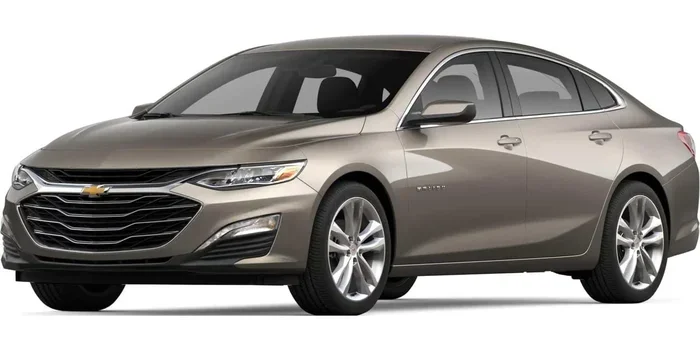
| Mid-Size Sedan | 3,200 – 3,600 lbs | Adequate but not sporty | Family transportation |
| Compact SUV | 3,000 – 3,500 lbs | Capable and comfortable | Light off-road and hauling |
| Hatchback | 2,600 – 3,000 lbs | Fun and lively | Young drivers and commuters |
| Full-Size SUV | 4,200 – 5,000 lbs | Struggles under load | Not recommended |
| Truck (Light Duty) | 4,000 – 5,500 lbs | Underpowered for work | Basic commuting only |
The table above shows why vehicle weight matters so much. A compact hatchback with 132 hp feels zippy and fun. A heavy full-size SUV with the same engine feels sluggish and strained. Always consider the power-to-weight ratio when evaluating any vehicle.
Compact Cars and Sedans
Compact sedans and hatchbacks are the natural home for 132 horsepower engines. These vehicles are light enough that the engine power translates into real-world performance. Cars like the Honda Civic, Mazda3, and Toyota Corolla often fall in this power range, and they are praised for their balanced driving dynamics.
If you are a young driver or a first-time car buyer, a compact car with 132 hp offers a great blend of fun and practicality. You get enough power to enjoy driving without the insurance costs and fuel expenses that come with higher-performance engines.
SUVs and Crossovers
Small to mid-size SUVs benefit from 132 hp for most driving situations. These vehicles are designed for family use, not track days. The engine provides enough power for highway merging, hill climbing, and carrying passengers and cargo.
However, if you plan to tow heavy trailers or haul large loads regularly, you may want to look at engines with more power. SUVs with 132 hp are best suited for light-duty tasks like pulling a small boat or a utility trailer on flat terrain.
Fuel Economy: Does 132 HP Save You Money?
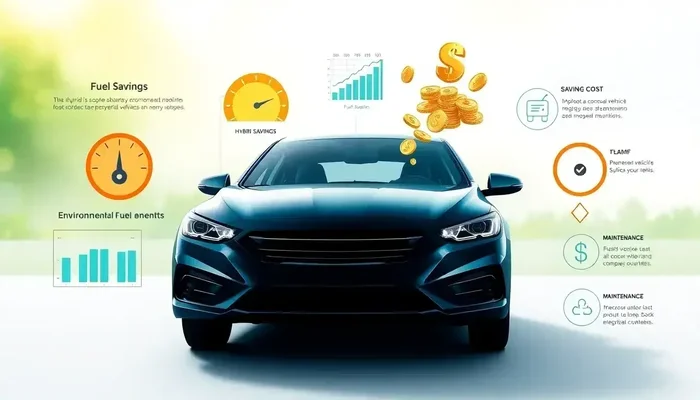
One of the biggest advantages of a 132 horsepower engine is fuel efficiency. Smaller engines with moderate power output generally consume less fuel than their larger, more powerful counterparts. This is a major consideration for budget-conscious buyers.
Let us look at real-world numbers. A compact sedan with a 132 hp engine typically gets between 30 and 40 miles per gallon on the highway. In the city, expect 25 to 32 mpg depending on driving habits and traffic conditions.
Why Smaller Engines Are More Efficient
Smaller engines need less fuel to produce power. A 1.5-liter or 2.0-liter four-cylinder engine producing 132 hp is tuned for efficiency. Manufacturers use technologies like variable valve timing, direct injection, and turbocharging to squeeze more power from smaller displacements.
This means you save money at the pump over time. For a daily commuter who drives 15,000 miles per year, the fuel savings compared to a 250 hp engine can add up to hundreds of dollars annually.
Engine Displacement and Efficiency
Engine displacement refers to the total volume of all cylinders. A smaller displacement engine with 132 hp will generally be more fuel-efficient than a larger engine producing the same power. This is because smaller engines have less internal friction and weigh less.
When you are car shopping, look at the liters or cubic centimeters listed in the engine specs. A turbocharged 1.4-liter engine producing 132 hp will typically be more efficient than a naturally aspirated 2.4-liter engine with the same output.
Can You Tow with a 132 HP Engine?
Towing is a common question among car buyers. The short answer is yes, you can tow with 132 horsepower, but there are limits.
Most vehicles with a 132 hp engine have a towing capacity between 1,000 and 1,500 pounds. This is enough for a small trailer, a pair of ATVs, or a light utility load. It is not enough for a large boat, a horse trailer, or heavy equipment.
Factors That Affect Towing Ability
Several factors determine how much weight your car can safely tow. Engine power is just one piece of the puzzle. Here are the key factors to consider:
- Engine torque: Low-end torque helps with initial pull and hill climbing while towing.
- Vehicle weight: A lighter vehicle has a higher payload capacity relative to its total weight.
- Transmission: Modern transmissions with more gears handle towing loads better.
- Cooling system: Towing generates extra heat. A robust cooling system prevents overheating.
- Frame and suspension: The physical structure of the vehicle must support the towing load.
Before you hitch up a trailer, always check your vehicle owner manual for the official towing capacity. Exceeding this limit can damage your engine, transmission, and brakes.
Realistic Towing Scenarios
With 132 hp, you can comfortably tow a small camping trailer loaded with gear. You can pull a light utility trailer behind your SUV for weekend projects. But if you need to tow heavy loads regularly, consider a vehicle with a larger engine or a diesel option that produces more torque at low RPMs.
When 132 Horsepower Is Not Enough
No engine is perfect for every situation. There are scenarios where 132 hp falls short of what drivers need. Understanding these limitations helps you make a smarter buying decision.
Performance and Sport Driving
If you enjoy spirited driving, aggressive acceleration, and track-day fun, 132 hp will leave you wanting more. Sports cars and performance sedans typically start at 200 hp and go well beyond 400 hp. A 132 hp engine simply cannot deliver the kind of adrenaline-pumping acceleration that enthusiasts crave.
That said, 132 hp in a lightweight hatchback can still be surprisingly fun. The key is keeping the vehicle weight low. A stripped-down, lightweight car with 132 hp can offer a surprisingly engaging driving experience.
Mountain Driving and Steep Grades
Driving in mountainous terrain puts extra demands on your engine. Steep inclines require sustained power output. A 132 hp engine can handle moderate mountain grades, but very steep or long inclines may cause the engine to downshift frequently and work harder than it should.
If you live in a hilly area, consider a vehicle with more horsepower or one equipped with a turbocharger that provides extra boost when you need it most.
Heavy Load and Full-Size Use
Families with multiple children, frequent road trips with full cargo, or commercial use cases need more power. A 132 hp engine will feel strained when the vehicle is fully loaded with passengers and luggage. The engine will work harder, consume more fuel, and may struggle on steep highway grades.
In these situations, look for engines rated at 180 hp or higher. The extra power makes a noticeable difference in real-world driving conditions.
Expert Insights on 132 HP Engines
We spoke with automotive engineers and experienced mechanics about the 132 horsepower rating. Here is what they had to say.
“132 hp is the Goldilocks zone for most mainstream vehicles,” says one senior engineer at a major automaker. “It provides enough power for comfortable driving while keeping emissions low and fuel economy strong. Most drivers will never feel the need for more.”
Experienced mechanics also point out that maintenance plays a huge role in how a 132 hp engine performs over time. Regular oil changes, air filter replacements, and spark plug maintenance keep the engine running at its best. A well-maintained 132 hp engine will deliver consistent performance for hundreds of thousands of miles.
Another common insight from experts is about transmission pairing. A 132 hp engine paired with a smooth, well-programmed transmission will always feel better than the same engine with a sloppy gearbox. When shopping, pay attention to how the transmission shifts and responds. It matters just as much as the horsepower number.
Common Mistakes Buyers Make When Evaluating Horsepower
Many car buyers make avoidable mistakes when comparing engine power. Here are the most common ones and how to avoid them.
- Focusing only on horsepower: Torque, weight, and transmission all affect real-world performance just as much as raw hp numbers.
- Ignoring the power-to-weight ratio: A 132 hp engine in a lightweight car outperforms a 132 hp engine in a heavy vehicle.
- Comparing different measurement standards: Some manufacturers use SAE net horsepower, while others use DIN or JIS standards. These numbers are not always directly comparable.
- Overlooking fuel type and engine technology: Turbocharged engines produce more power from smaller displacements. A 132 hp turbo engine is often more efficient than a 132 hp naturally aspirated engine.
- Assuming more horsepower always equals better: More power means more fuel consumption, higher insurance costs, and potentially more expensive maintenance.
Avoid these mistakes, and you will make a much more informed decision when choosing your next vehicle.
Quick Tips for Getting the Most Out of a 132 HP Engine
Want to maximize the performance and longevity of a 132 hp engine? Follow these practical tips.
- Keep up with regular maintenance: Oil changes every 5,000 to 7,500 miles keep the engine lubricated and running smoothly.
- Use the recommended fuel grade: Check your owner manual. Most 132 hp engines run fine on regular unleaded, but some turbocharged versions may require premium fuel.
- Drive smoothly: Aggressive acceleration and hard braking wear out engine components faster. Smooth driving extends engine life and improves fuel economy.
- Monitor your coolant levels: Overheating is the number one engine killer. Check coolant levels regularly, especially before long road trips.
- Keep tires properly inflated: Underinflated tires create rolling resistance, which forces the engine to work harder and consume more fuel.
- Remove excess weight from your vehicle: Every extra pound your car carries requires more engine power. Clean out unnecessary items from your trunk and cargo area.
So, Is 132 Horsepower Good? The Final Verdict
Is 132 horsepower good enough for most driving needs? Absolutely. For the vast majority of drivers, this engine power level hits the sweet spot between performance, efficiency, and affordability. It is enough for daily commuting, highway cruising, light towing, and family transportation.
You do not need a high-performance engine with 300 or 400 horsepower unless you specifically want sporty acceleration or plan to tow heavy loads regularly. For most people, 132 hp provides a satisfying driving experience without the downsides of higher fuel costs and increased maintenance expenses.
The key is matching the engine power to your actual needs. If you drive a compact or mid-size vehicle for daily commuting and occasional road trips, 132 horsepower is a smart, practical choice. It balances enough power for confident driving with excellent fuel economy and lower operating costs.
Before you buy any vehicle, take it for a test drive. Feel how the engine responds, listen to how it sounds under load, and pay attention to how it handles your typical driving conditions. The numbers on paper tell only part of the story. Your real-world experience behind the wheel is what ultimately matters most.
When someone asks you, “Is 132 horsepower good?” you can now answer with confidence. Yes, it is good. It is practical. It is efficient. And for most drivers, it is more than enough.
Frequently Asked Questions
Is 132 horsepower enough for highway driving?
Yes, 132 horsepower is more than sufficient for highway driving. You can comfortably maintain speeds of 65 to 75 mph, merge safely, and pass other vehicles with ease. Most compact and mid-size sedans with this engine rating handle highway cruising without any issues.
What kind of car has 132 horsepower?
Many popular vehicles come with a 132 hp engine, including compact sedans like the Honda Civic, Mazda3, and Toyota Corolla. Some small SUVs and hatchbacks also use this engine rating. It is a common power level for economy and mainstream vehicles designed for daily driving.
Can 132 horsepower tow a trailer?
Yes, but with limitations. Most vehicles with 132 hp can tow between 1,000 and 1,500 pounds. This is enough for small utility trailers, light boats, or ATVs. For heavier loads, you should consider a vehicle with a more powerful engine.
Is 132 hp good for a first car?
It is an excellent choice for a first car. The moderate horsepower level provides enough power for safe, confident driving while keeping insurance costs and fuel expenses manageable. New drivers benefit from the balanced performance of a 132 hp engine.
How does 132 hp compare to 200 hp?
A 200 hp engine offers noticeably more acceleration and passing power. However, 132 hp is sufficient for most everyday driving situations. The difference becomes more apparent when carrying heavy loads, driving uphill, or when you prioritize sporty performance over fuel efficiency.
Does 132 horsepower save on gas?
Yes, generally speaking. Smaller engines producing around 132 hp tend to be more fuel-efficient than larger, more powerful engines. You can expect solid fuel economy figures, especially in city and highway commuting scenarios. The exact savings depend on your driving habits and the specific vehicle model.