How Do I Disable the Parking Brake Quickly and Safely
Learning how to disable the parking brake is a simple skill every driver should know. Whether you have a manual hand lever or an electronic button, releasing the parking brake safely keeps your vehicle running smoothly. This guide walks you through every method step by step so you can handle the brake release with confidence.
Have you ever hopped into your car, ready to hit the road, only to realize the parking brake is still engaged? It happens to the best of us. Maybe you forgot to release it, or maybe the brake cable has gotten stiff over time. Either way, knowing how to disable the parking brake quickly and safely is an essential skill for every driver.
The parking brake, also called the emergency brake or hand brake, keeps your vehicle from rolling when parked. It locks the rear wheels in place using a mechanical cable or an electronic signal. But sometimes, you need to release it — and knowing the right steps makes all the difference. In this guide, we will walk you through every method so you can handle the brake release with total confidence.
Whether your car has a traditional lever, a pedal-style brake system, or a modern electronic parking brake, we have got you covered. We will explain how each type works, show you the exact steps to release it, and share safety tips to keep you and your vehicle in great shape. Let us dive in.
Key Takeaways
- Know Your System: Manual and electronic parking brakes work differently, and each requires a specific approach to release.
- Safety Comes First: Always press the brake pedal and ensure the vehicle is stationary before disabling the parking brake.
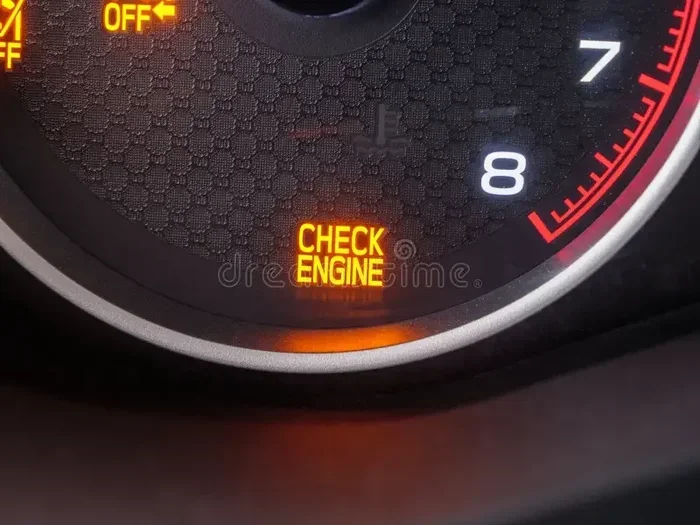
- Check for Warning Lights: A brake warning light on your dashboard can signal a bigger issue that needs attention.
- Regular Maintenance Matters: Worn brake cables or low brake fluid can make the parking brake stick and harder to release.
- When in Doubt, Seek Help: Some parking brake problems require a professional mechanic, especially electronic systems.
- Driving with the Parking Brake On Damages Your Vehicle: It causes wear on the rear wheels and brake components.
- Quick Release Saves Time: Knowing the exact steps for your vehicle type makes every drive smoother.
📑 Table of Contents
What Is a Parking Brake and Why Would You Disable It?
The parking brake is a secondary braking system that locks your rear wheels when you park. Unlike the regular brake pedal that activates the front and rear disc brakes or drum brakes, the parking brake uses a separate mechanism. This keeps your car stationary on hills and flat surfaces alike.
How the Parking Brake Works
In most vehicles, pulling the brake lever or pressing the parking brake pedal tightens a cable that pushes the brake shoes against the rear drums or pads against the rear disc brakes. This mechanical connection is simple but effective. When you release the lever, the cable loosens and the wheels spin freely again.
Electronic parking brakes work differently. A small motor or actuator engages a parking pawl or applies the rear brakes electronically. You release it by pressing a button on the center console or dashboard. Both systems serve the same purpose, but the way you disable the parking brake varies.
Why You Might Need to Release the Parking Brake
There are several reasons you might need to disable the parking brake:
- You forgot to release it before driving. This is the most common reason. The car feels sluggish, and you may hear a burning smell from the rear wheels.
- The brake cable is stuck or rusted. Over time, exposure to moisture can cause the cable to seize up, making it hard to release.
- You are performing brake maintenance. Changing rear brake pads or inspecting the drum brake assembly requires the parking brake to be fully disengaged.
- The electronic system has malfunctioned. A sensor issue or electrical fault can prevent the electronic parking brake from releasing normally.
- You are towing the vehicle. Many towing procedures require the parking brake to be released to avoid damaging the brake system.
How to Disable a Manual Parking Brake
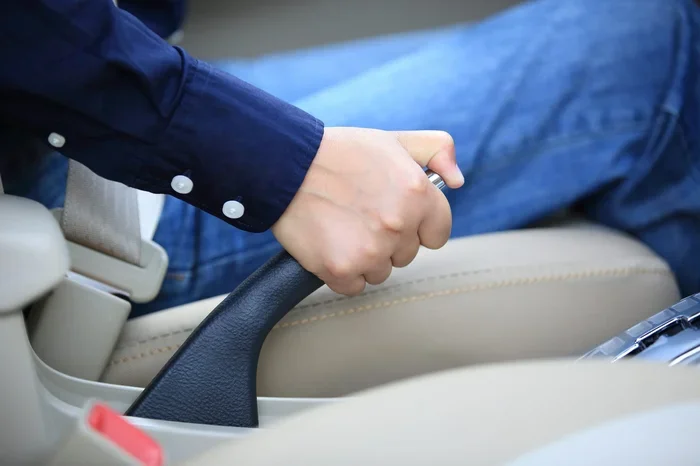
A manual parking brake is the most common type found in older vehicles and many modern cars. It uses a lever between the front seats or a pedal on the far left of the driver floor. Releasing it is straightforward once you know the steps.
Releasing the Hand Lever
Follow these simple steps to release a manual hand lever parking brake:
- Press the brake pedal firmly with your right foot. This ensures the vehicle is stationary and the main brake system is engaged.
- Locate the parking brake lever. It is usually between the front seats or to the left of the steering column.
- Press the release button on the top of the lever. This button is usually located near the base of the lever.
- Lower the lever all the way down. You should feel it click into the fully released position.
- Check the dashboard warning light. The brake warning light should turn off once the parking brake is fully released.
Releasing the Pedal-Style Parking Brake
Some vehicles, especially older models and certain trucks, use a pedal-style parking brake on the far left floor. Here is how to release it:
- Press the brake pedal with your right foot.
- Use your left foot to press the parking brake pedal down completely.
- Release the pedal slowly. It should return to its raised position, indicating the brake release is complete.
- Confirm the warning light on the dashboard has turned off.
What to Do If the Manual Brake Sticks
Sometimes a manual parking brake will not release easily. The cable may be corroded or stretched. Here are a few things to try:
- Try pulling the lever up slightly while pressing the release button. This can help loosen a stuck cable.
- Tap the cable housing gently with a rubber mallet. This can break up rust or debris.
- Apply a cable lubricant to the brake cable connection points. This helps the cable slide freely.
- Drive slowly for a short distance. Sometimes the vibration from driving helps release a mildly stuck parking pawl.
If none of these steps work, it is time to see a mechanic. A stuck parking brake cable can cause serious damage to the rear disc brake or drum brake components if ignored.
How to Disable an Electronic Parking Brake
Many modern vehicles come equipped with an electronic parking brake. Instead of a lever or pedal, you press a button to engage or release the brake. While this system is more convenient, it can sometimes behave differently than a manual system.
Standard Release Procedure
Follow these steps to release an electronic parking brake:
- Press the brake pedal firmly with your right foot.
- Start the engine or put the vehicle in ignition-on mode.
- Locate the electronic parking brake button. It is usually found on the center console near the gear shift.
- Pull the button up to engage or press it down to release. The exact direction depends on your vehicle model.
- Watch for the dashboard indicator. The brake warning light should turn off when the system confirms the brake release is complete.
What If the Electronic Brake Will Not Release?
An electronic parking brake can sometimes fail to release. This may happen due to a sensor fault, low brake fluid, or an electrical issue. Try these steps:
- Make sure the brake pedal is fully pressed. The system will not release if the main brake is not engaged.
- Check the ignition status. Most electronic systems require the engine to be running or the key to be in the on position.
- Try holding the button for a few seconds. Some vehicles require a long press to override a stuck system.
- Consult your owner manual. Every vehicle has a specific override procedure for the electronic parking brake.
If the brake warning light stays on, there may be a deeper issue with the brake system or brake fluid levels. In that case, do not drive the vehicle until a professional inspects it.
Common Reasons You Might Need to Disable the Parking Brake
Understanding why you need to disable the parking brake helps you take the right approach. Here are the most common situations:
Forgetting to Release Before Driving
This is the number one reason drivers need to release the parking brake while on the road. You might hear a grinding noise or smell burning rubber from the rear wheels. If this happens, pull over safely and release the parking brake immediately. Driving with the parking brake engaged can cause serious damage to the rear brake pads and brake rotors.
Performing Brake Maintenance
When you are doing your own brake maintenance, you need the parking brake fully released. This gives you access to the rear brake calipers, brake shoes, and brake cables. Always make sure the parking brake is completely disengaged before you start any work on the rear wheels.
Preparing the Vehicle for Towing
If your vehicle needs to be towed, the parking brake must be released. Towing with the parking brake engaged can damage the brake system and the drivetrain. Check your owner manual for the correct towing procedure, as some vehicles require the rear wheels to be lifted off the ground.
Dealing with a Stuck or Malfunctioning Brake
A stuck parking brake is more than an inconvenience. It can cause uneven wear on the rear disc brake or drum brake components. If your brake cable is frayed or the parking pawl is damaged, professional brake repair may be necessary.
Safety Tips When Disabling the Parking Brake
Releasing the parking brake is simple, but doing it safely matters. Here are some important tips to keep in mind:
Always Press the Brake Pedal First
Before you release the parking brake, always press the brake pedal with your right foot. This prevents the vehicle from rolling and ensures the main brake system is active. It is a simple habit that keeps you safe every time.
Check Your Surroundings
Make sure the vehicle is in park (for automatic transmissions) or in first gear (for manual transmissions) before you disable the parking brake. This adds an extra layer of safety, especially on hills or uneven surfaces.
Watch for the Warning Light
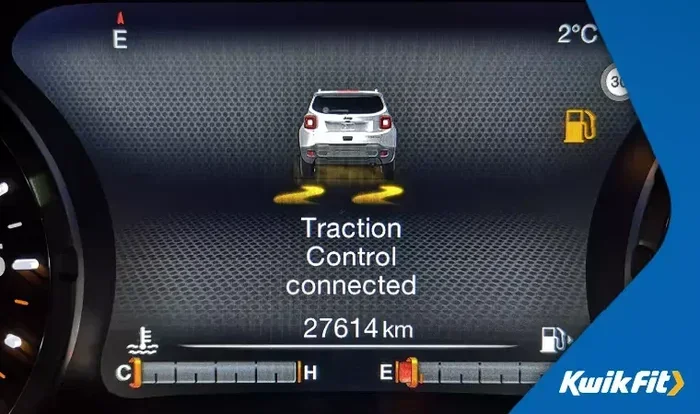
The brake warning light on your dashboard is your best friend. If it stays on after you release the parking brake, there may be an issue with the brake system. Do not ignore this light. Check your brake fluid level and inspect the brake pads if you are comfortable doing so.
Do Not Drive with the Parking Brake Partially Engaged
Even a partially engaged parking brake can cause overheating and premature wear on the rear wheels. If you notice a burning smell or hear a squealing noise, stop the vehicle and check the parking brake. Continuing to drive in this condition can lead to costly brake repair.
Keep the Brake Cable Maintained
Regular brake maintenance includes checking the brake cable for wear and applying lubricant. A well-maintained cable ensures smooth engagement and release of the parking brake. Most mechanics recommend inspecting the cable during every oil change or tire rotation.
When to Call a Professional Instead
Most of the time, releasing the parking brake is a quick and easy task you can handle yourself. But there are situations where professional help is the right call.
- The parking brake will not release at all. A completely stuck brake cable or a failed electronic actuator needs expert attention.
- The brake warning light stays on. This could indicate low brake fluid, a sensor problem, or a deeper issue with the brake system.
- You hear grinding or squealing noises. These sounds suggest the brake pads or brake rotors are worn and need replacement.
- The vehicle pulls to one side when braking. This could mean the brake adjustment is off or there is a hydraulic leak.
A qualified mechanic can diagnose and fix these issues safely. Trying to force a stuck parking brake or ignore warning signs can lead to expensive repairs or, worse, a dangerous driving situation.
Conclusion
Knowing how to disable the parking brake quickly and safely is a fundamental skill for every driver. Whether you have a manual hand lever, a pedal-style parking brake, or a modern electronic system, the process is simple once you understand the steps. Always press the brake pedal first, release the parking brake fully, and confirm the dashboard warning light has turned off.
Regular brake maintenance keeps your parking brake working smoothly and prevents costly repairs. Check your brake cable, inspect your brake pads, and never ignore warning lights. Your brake system is one of the most important safety features on your vehicle, and taking care of it pays off every time you drive.
Now that you know exactly how to disable the parking brake in any situation, you can hit the road with confidence. Stay safe, keep your brake system in top shape, and never let a stuck parking brake slow you down again.
Frequently Asked Questions
Can I drive with the parking brake partially engaged?
No, driving with the parking brake partially engaged can cause overheating and damage to the rear brake pads and brake rotors. If you notice a burning smell or hear squealing, stop immediately and fully release the parking brake before continuing to drive.
Why won’t my electronic parking brake release?
An electronic parking brake may not release if the brake pedal is not fully pressed, the ignition is off, or there is a sensor or electrical fault. Check your owner manual for the specific override procedure. If the problem persists, have a mechanic inspect the brake system.
How often should I maintain my parking brake cable?
You should have the brake cable inspected and lubricated at least once a year or during every oil change. Regular maintenance prevents the cable from seizing up and ensures smooth engagement and release of the parking brake.
Is it safe to release the parking brake on a hill?
Yes, it is safe as long as you follow the proper steps. Press the brake pedal firmly, release the parking brake, and then slowly release the brake pedal while gently applying the accelerator. For manual transmissions, keep the vehicle in first gear on uphill starts.
What causes a parking brake to stick?
A stuck parking brake is usually caused by a corroded or stretched brake cable, rust buildup on the drum brake or disc brake components, or a malfunctioning electronic actuator. Regular brake maintenance and cable lubrication help prevent this issue.
Can a broken parking brake cable cause the brake warning light to stay on?
Yes, a broken or frayed brake cable can trigger the brake warning light on your dashboard. This happens because the parking brake sensor detects that the brake is not fully released. If the light stays on after you release the parking brake, have the cable and sensor checked by a professional.