Is 28 PSI Too Low Why This Matters For Your Vehicle
28 PSI is often too low for most passenger vehicles, but it depends on your specific car and tire type. Driving on underinflated tires can hurt your fuel economy, wear out your tires faster, and even put your safety at risk. This guide explains what 28 PSI means for your vehicle and how to keep your tires properly inflated.
Is 28 PSI too low? That is a question many car owners ask when they glance at their tire pressure gauge. Whether you just filled your tires or noticed a warning light on your dashboard, understanding tire pressure is essential. Tire pressure affects how your car handles, how much fuel you use, and how long your tires last. In this article, we will break down everything you need to know about 28 PSI and whether it is safe for your vehicle.
Most drivers never think about their tire inflation until something goes wrong. A slow leak, a temperature drop, or a forgotten fill-up can all push your tires into unsafe territory. 28 PSI might seem close enough to the recommended range, but even small differences matter. Let us explore why this number is important and what it means for your daily drive.
Key Takeaways
- 28 PSI is below the recommended range for most cars, which typically sit between 30 and 35 PSI.
- Underinflated tires reduce fuel economy by up to 3% and cause uneven tire wear.
- Low tire pressure increases the risk of blowouts and reduces handling on wet roads.
- Check your tire pressure at least once a month and before long trips.
- 28 PSI may be acceptable for some specialty tires or specific vehicle models, so always consult your owner’s manual.
- A tire pressure gauge is an inexpensive tool that can save you hundreds in tire replacements.
- Temperature changes affect tire pressure significantly, especially during seasonal shifts.
📑 Table of Contents
What Does 28 PSI Mean for Your Tires?
Understanding Tire Pressure Ratings
Every tire has a maximum pressure rating printed on its sidewall. This number is the maximum cold tire pressure the tire can safely handle. It is not the recommended pressure for your specific vehicle. The recommended pressure is found in your vehicle owner’s manual or on a sticker inside the driver’s door jamb.
Most passenger cars recommend tire pressure between 30 and 35 PSI. Some vehicles, like certain trucks or SUVs, may call for 35 to 45 PSI. When your tires sit at 28 PSI, they are below the standard recommendation for most cars. This means the tire is underinflated.
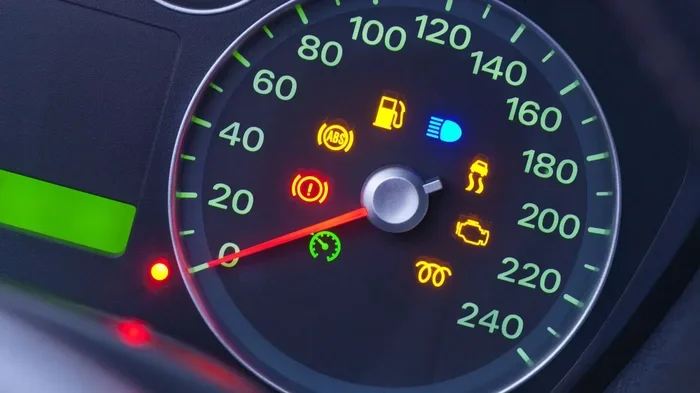
Underinflated tires have a larger contact area with the road. This creates more friction, which leads to overheating and faster wear. The tire pressure monitoring system (TPMS) in your car will typically alert you when pressure drops below a safe threshold. Do not ignore that light.
Cold Tire Pressure vs. Hot Tire Pressure
It is important to understand the difference between cold tire pressure and hot tire pressure. Cold tire pressure is the reading you get when your car has been parked for at least three hours or driven less than a mile. Hot tire pressure rises after driving because the air inside the tire heats up and expands.
Always check your tire inflation when the tires are cold for the most accurate reading. A reading of 28 PSI on a cold tire is more concerning than a slightly lower reading on a hot tire. If you check your tires after a highway drive and get 28 PSI, the cold pressure was likely even lower.
Is 28 PSI Too Low? Understanding Recommended Tire Pressure
Finding Your Vehicle’s Recommended PSI
The answer to whether 28 PSI is too low depends on your vehicle. Every car is different. The best place to find your recommended tire pressure is the sticker on the driver’s door jamb. This sticker lists the exact PSI for front and rear tires based on the vehicle’s weight and design.
Some cars recommend 30 PSI for all four tires. Others may recommend 32 PSI in the front and 30 PSI in the rear. A reading of 28 PSI falls below these standard recommendations. It is a two PSI deficit, which might sound small but has real consequences.
Here are common recommended tire pressure ranges for different vehicle types:
- Compact cars: 30 to 33 PSI
- Sedans: 30 to 35 PSI
- SUVs: 33 to 40 PSI
- Trucks: 35 to 45 PSI
- Performance cars: 32 to 38 PSI
As you can see, 28 PSI sits below the recommended range for nearly all vehicle types. The only exception might be some older vehicles or specialty models with lower requirements.
When 28 PSI Might Be Acceptable
There are a few situations where 28 PSI could be within an acceptable range. Some older vehicles from the 1990s or early 2000s recommended lower tire pressures. Certain spare tires or temporary use tires also operate at lower PSI levels, sometimes around 28 to 30 PSI.
Additionally, some drivers intentionally run lower pressure for off-road driving. Lower tire inflation increases the tire’s footprint, which provides better grip on sand, snow, or mud. However, this is a deliberate choice made for specific conditions, not something you should do for everyday highway driving.
If you are unsure whether 28 PSI is right for your vehicle, consult your owner’s manual or ask a trusted mechanic. Do not guess when it comes to vehicle safety.
The Risks of Driving on Low Tire Pressure
Reduced Fuel Economy
One of the most immediate effects of driving on underinflated tires is reduced fuel economy. When your tires are low on air, they create more rolling resistance. Your engine has to work harder to keep the car moving, which burns more fuel.
Studies show that tires underinflated by just 2 PSI can reduce fuel efficiency by up to 1.5%. Over time, this adds up. If you drive 12,000 miles per year and spend $3.50 per gallon, running at 28 PSI instead of the recommended 32 PSI could cost you an extra $50 to $80 per year in fuel. That is money you are literally burning away.
Keeping your tire pressure at the recommended level is one of the easiest ways to save money at the pump. A simple tire pressure gauge and a few minutes of your time can make a real difference.
Uneven Tire Wear and Shorter Tire Lifespan
Underinflated tires wear out faster on the outer edges of the tread. This is called shoulder wear. The tire’s outer edges bear more of the vehicle’s weight because there is not enough air pressure to keep the tire properly shaped.
When your tires wear unevenly, you need to replace them sooner. A set of tires that should last 50,000 miles might only last 35,000 miles if consistently driven at 28 PSI. That is a significant loss of value and an unnecessary expense.
Proper tire inflation ensures the tire wears evenly across the entire tread surface. This maximizes the tire’s lifespan and gives you the best return on your investment. Check your tire pressure regularly to protect your tires and your wallet.
Safety Concerns and Blowout Risk
This is the most critical reason to care about tire pressure. Underinflated tires are a serious safety hazard. Low air pressure causes the tire sidewall to flex more than it was designed to. This flexing generates heat, which weakens the tire’s internal structure over time.
Driving on underinflated tires increases the risk of a tire blowout, especially at highway speeds. A blowout can cause you to lose control of the vehicle, leading to a serious accident. According to the National Highway Traffic Safety Administration, tire-related crashes account for thousands of injuries each year, and underinflation is a leading cause.
Road safety should always be your top priority. If your TPMS light comes on and shows low pressure, stop and check your tires as soon as possible. Do not continue driving on tires that are significantly below the recommended PSI.
Reduced Handling and Traction
Your tires are the only part of your car that touches the road. When they are underinflated, your handling suffers. The tire’s contact patch changes shape, which affects steering response, braking distance, and cornering stability.
On wet or icy roads, the difference is even more noticeable. Underinflated tires have a harder time channeling water away from the tread, which increases the risk of hydroplaning. Proper tire inflation helps your tires grip the road and respond quickly to your inputs.
If you have ever felt your car pulling to one side or feeling sluggish in the steering, low tire pressure could be the culprit. A quick check with a tire pressure gauge can confirm whether 28 PSI is causing these issues.
How to Check and Maintain Proper Tire Pressure
Step-by-Step Tire Pressure Check
Checking your tire pressure is simple and takes just a few minutes. Follow these steps to get an accurate reading:
- Find your recommended tire pressure in the owner’s manual or on the door jamb sticker.
- Purchase a reliable tire pressure gauge. Digital gauges are more accurate and easy to read.
- Check your tires when they are cold, ideally in the morning before driving.
- Remove the valve cap from the tire’s air valve.
- Press the gauge firmly onto the valve stem and read the number.
- Compare the reading to your recommended PSI.
- Add air if the pressure is low. Let out air if it is too high.
- Replace the valve cap and repeat for all four tires.
Make this a monthly habit. Tire pressure naturally decreases over time, and small leaks can develop without you noticing. Catching a low pressure reading early can prevent bigger problems down the road.
Quick Tips for Maintaining the Right Tire Pressure
- Check your tires monthly and before any long road trips.
- Do not rely on the visual inspection alone. Tires can lose 1 PSI per month without looking flat.
- Keep a tire pressure gauge in your glove box for quick checks.
- Check all four tires plus the spare, even if only one looks low.
- Reset your TPMS after adjusting your tire inflation to the correct level.
- Check pressure more often in winter because cold temperatures cause air to contract and PSI to drop.
Understanding the Tire Pressure Monitoring System
Most modern vehicles come equipped with a tire pressure monitoring system. This electronic system alerts you when tire pressure drops below a safe level. There are two types: direct TPMS, which uses sensors inside each tire, and indirect TPMS, which uses wheel speed sensors to detect differences in tire size caused by low pressure.
When your TPMS light illuminates on the dashboard, it means one or more tires are significantly underinflated. Do not wait to address it. The light is a warning, not a suggestion. Ignoring it puts your vehicle safety at risk and can lead to costly tire damage.
Common Mistakes People Make with Tire Pressure
Relying on the Maximum PSI on the Tire Sidewall
One of the biggest mistakes drivers make is confusing the maximum PSI on the tire sidewall with the recommended PSI for their vehicle. The number on the sidewall is the tire’s maximum capacity, not the ideal pressure. Filling your tires to the maximum sidewall pressure can actually reduce traction and create a harsh ride.
Always use the pressure recommended by your vehicle manufacturer. If you see 28 PSI on a gauge and your manual says 32 PSI, add air. Do not assume the sidewall number is your target.
Ignoring Seasonal Temperature Changes
Air pressure inside your tires decreases as the temperature drops. For every 10-degree Fahrenheit drop in temperature, your tire pressure can decrease by about 1 PSI. This means a tire that was perfectly inflated at 32 PSI in summer could drop to 28 PSI in a cold snap.
This is why many drivers notice their TPMS light coming on in winter. It is not a leak; it is physics. Check your tire inflation more frequently during seasonal transitions and adjust accordingly.
Overlooking Slow Leaks
A slow leak can drain your tires of air over days or weeks without you noticing. Common causes of slow leaks include corroded valve stems, tiny punctures from nails or screws, and poor bead seals. If you find yourself constantly needing to add air, have a mechanic inspect your tires for leaks.
Driving on 28 PSI because of a slow leak is not a minor issue. It is a safety concern that worsens over time. Address slow leaks promptly to maintain proper tire pressure and protect your tires.
The Bottom Line: Is 28 PSI Too Low?
For the vast majority of vehicles, 28 PSI is too low. The recommended tire pressure for most passenger cars falls between 30 and 35 PSI, and 28 PSI sits below that range. Driving at this pressure can reduce your fuel economy, cause uneven tire wear, compromise your handling, and increase the risk of a dangerous blowout.
There are a few exceptions, such as older vehicles or specialty tires, but these are rare. If you are unsure about your vehicle’s specific requirements, consult the owner’s manual or a trusted tire professional. Taking a few minutes to check and adjust your tire inflation can save you money, protect your tires, and keep you safe on the road.
Proper tire pressure is one of the simplest and most effective things you can do for your vehicle. Make it a regular part of your car maintenance routine. Your tires, your fuel tank, and your safety will all thank you.
Frequently Asked Questions
Can I drive with 28 PSI in my tires?
You can drive short distances at 28 PSI, but it is not recommended for extended driving. Low tire pressure causes overheating, reduces handling, and increases the risk of a blowout. Check your recommended PSI and add air as soon as possible.
What happens if my tire pressure is too low?
Underinflated tires cause increased rolling resistance, which reduces fuel economy. They also wear out faster on the outer edges of the tread and generate excess heat. This heat weakens the tire structure and raises the risk of a blowout or tire failure.
How often should I check my tire pressure?
You should check your tire pressure at least once a month and before any long road trips. Tires naturally lose about 1 PSI per month, and seasonal temperature changes can cause even bigger drops. A quick check with a tire pressure gauge takes only a few minutes.
Will 28 PSI affect my fuel economy?
Yes, 28 PSI will likely reduce your fuel economy. Underinflated tires create more rolling resistance, forcing your engine to work harder. Even a 2 PSI deficit can decrease fuel efficiency by 1 to 2 percent, which adds up over thousands of miles.
What PSI should my tires be at?
The recommended tire pressure for your vehicle is listed in the owner’s manual or on the sticker inside the driver’s door jamb. Most passenger cars require between 30 and 35 PSI. Always follow your vehicle manufacturer’s recommendation, not the maximum PSI on the tire sidewall.
Can cold weather cause my tire pressure to drop to 28 PSI?
Yes, cold weather can cause a significant drop in tire pressure. For every 10-degree drop in temperature, your tires can lose about 1 PSI. A tire that was at 32 PSI in warm weather could easily drop to 28 PSI during a cold snap. Check your pressure more often in winter and adjust as needed.
=== CONCLUSION ===
Is 28 PSI too low? In most cases, yes. 28 PSI falls below the recommended range for the vast majority of vehicles, and driving on underinflated tires carries real risks. From reduced fuel economy to uneven tire wear and compromised safety, the consequences of low tire pressure are significant and preventable.
The good news is that maintaining proper tire inflation is easy and affordable. A basic tire pressure gauge costs just a few dollars, and checking your tires takes only minutes each month. Make it a habit, and you will enjoy safer drives, better fuel economy, and longer-lasting tires.
Do not wait for your TPMS light to come on or for your tires to show visible wear. Take control of your tire pressure today. Your vehicle, your wallet, and your safety will all benefit from this simple but essential maintenance habit.