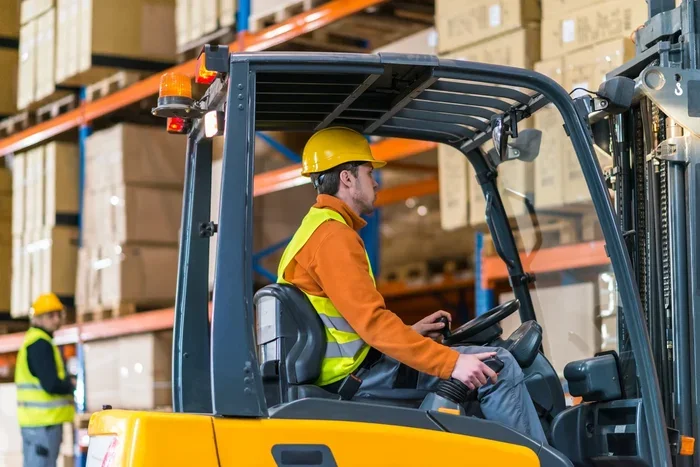
Is Driving a Forklift Difficult What You Need to Know
Is driving a forklift difficult? The short answer is no, but it does require proper forklift training and certification. Operating a counterbalance forklift involves mastering forklift controls, understanding load handling, and following strict OSHA requirements. With the right forklift license and hands-on practice, most people can learn to drive safely within a few days. This guide covers everything you need to know about forklift operation, material handling, and staying safe on the job.
Key Takeaways
- Forklifts are not hard to drive: Most people learn the basics quickly with proper training.
- Certification is mandatory: You need a forklift license to operate one legally in most workplaces.
- Safety comes first: Understanding forklift stability and load handling prevents accidents.
- Different types vary in difficulty: A counterbalance forklift is easier than a reach truck or telehandler.
- Practice makes perfect: Hands-on experience in a controlled environment builds confidence fast.
- OSHA sets the rules: Following OSHA requirements keeps you and your coworkers safe.
- Common mistakes are avoidable: Knowing typical errors helps you drive more smoothly and safely.
📑 Table of Contents
- What Is a Forklift and Why Does It Matter?
- How Hard Is It to Drive a Forklift?
- Forklift Training and Certification Requirements
- Common Challenges New Forklift Operators Face
- Forklift Safety Tips Every Driver Should Know
- Different Types of Forklifts and Their Difficulty Levels
- Expert Insights on Becoming a Skilled Forklift Operator
- Key Takeaways
- Frequently Asked Questions
- Conclusion
What Is a Forklift and Why Does It Matter?
A forklift is a small, powerful vehicle used to lift and move heavy loads. You see them every day in warehouses, construction sites, and loading docks. They come in many sizes and shapes. Some lift a few hundred pounds. Others can carry several tons.
Also known as a powered industrial truck, a forklift is essential in material handling. Without them, workers would have to move heavy boxes by hand. That would be slow, dangerous, and inefficient. Forklifts make jobs faster and safer when used correctly.
There are many forklift types to choose from. The most common is the counterbalance forklift. You see these in nearly every warehouse. Other popular models include reach trucks, order pickers, and telehandlers. Each type has its own controls and handling quirks.
Driving a forklift is different from driving a car. A forklift has rear-wheel steering. The forklift controls feel different. The center of gravity shifts when you lift a load. These differences matter a lot. They affect how stable the machine is and how safely you can operate it.
If you are thinking about becoming a forklift driver, you are in the right place. This article breaks down everything. We will cover difficulty level, training, safety, and common challenges. By the end, you will have a clear picture of what to expect.
How Hard Is It to Drive a Forklift?
So, is driving a forklift difficult? For most people, the answer is no. The basic operation is straightforward. You steer, you lift, you move. But “simple” does not mean “easy to master.” There is a learning curve. And safety must always come first.
Think of it like learning to drive a standard car. The basics take a few hours. But becoming a skilled, confident driver takes weeks of practice. The same is true for forklifts. You can learn the controls fast. But handling real-world situations takes time and experience.
The Basic Controls Are Easy to Learn
A typical forklift has a simple set of controls. There is a steering wheel. There is an accelerator and brake pedal. The lift lever raises and lowers the forks. The tilt lever tips the mast forward or backward. These are easy to understand. Most people pick them up quickly.
Here is what you will learn in a basic forklift training course:
- How to start and stop the machine safely
- How to raise, lower, and tilt the forks
- How to navigate tight spaces
- How to park and shut down properly
- How to inspect the forklift before use
These skills do not take long to learn. A good training program can teach the basics in one to two days. But real confidence comes from hands-on practice. You need to drive in different environments. You need to handle different load sizes. That is where the real learning happens.
Why Some People Find It Challenging
Even though the controls are simple, some people struggle. Why? There are a few reasons.
First, forklifts drive differently than cars. They steer from the rear. This means the back end swings wide. New drivers often misjudge turns. They clip corners or hit obstacles. This is a common mistake and it is fixable with practice.
Second, load handling adds complexity. When you lift a heavy pallet, the forklift’s center of gravity changes. The machine becomes less stable. If you drive too fast or turn too sharply, you risk tipping over. Understanding forklift stability is critical. It is the difference between a smooth ride and a dangerous accident.
Third, warehouse environments are busy. There are pedestrians, narrow aisles, and blind corners. You must always stay alert. You need to sound your horn at intersections. You need to slow down on wet floors. These habits take time to build.
Forklift Training and Certification Requirements
You cannot just climb on a forklift and start driving. In most countries, you need formal forklift certification. This is not just a rule. It is a life-saving requirement. The right training teaches you how to operate safely and confidently.
What Does OSHA Require?
In the United States, OSHA requirements set the standard for forklift operation. OSHA stands for the Occupational Safety and Health Administration. They require that all forklift operators complete a training program. This program must include both classroom instruction and hands-on practice.
Here is what a typical forklift training program covers:
- Basic forklift operation and controls
- Load capacity and stability principles
- Workplace hazard awareness
- Pedestrian safety around forklifts
- Pre-operation inspection procedures
- Emergency procedures and accident prevention
After completing the training, you must pass a written test and a practical driving test. Once you pass, you receive your forklift license. This certificate is valid for three years. After that, you need refresher training to renew it.
How Long Does Training Take?
Most forklift certification courses last between four and eight hours. Some comprehensive programs take two days. The length depends on the forklift types you are training on and the complexity of your workplace.
Online courses can teach you the theory. But you must complete hands-on training in person. No online course alone is enough. OSHA requires real-world driving evaluation. This ensures you can actually operate the machine safely.
Can You Train on the Job?
Yes. Many employers offer on-the-job forklift training. A supervisor or experienced driver teaches you. This is a great option. It lets you learn in the exact environment you will work in. However, the training must still meet OSHA requirements. It must cover all the required topics and include evaluation.
Common Challenges New Forklift Operators Face
Even with training, new forklift drivers face challenges. Knowing what these are helps you prepare. You can avoid common mistakes before they happen.
Mastering Rear-Wheel Steering
This is the biggest adjustment for new drivers. Cars steer from the front. Forklifts steer from the back. When you turn the wheel, the rear end swings out. This takes getting used to.
New operators often make wide turns. They hit shelves or walls. The fix is simple. Go slow. Make wide turns on purpose. Practice in an empty area until the steering feels natural. Within a few days, most drivers adjust completely.
Understanding Load Capacity
Every forklift has a rated capacity. This is the maximum weight it can safely lift. Overloading a counterbalance forklift is extremely dangerous. It can cause the machine to tip forward.
Always check the nameplate on the forklift. It shows the load capacity at different mast heights and load centers. Never assume a forklift can handle any weight. When in doubt, ask a supervisor or check the load chart.
Driving on Uneven or Slippery Surfaces
Warehouse floors are not always perfect. There are puddles, grease spots, and uneven concrete. These surfaces reduce traction. They increase the risk of sliding or tipping.
Drive slowly on wet or uneven floors. Avoid sudden stops or sharp turns. Keep your load low to the ground when moving. This lowers your center of gravity and improves forklift stability.
Navigating Tight Spaces
Warehouse aisles can be very narrow. You need precision to maneuver without hitting racks or other equipment. This is a skill that develops over time. New drivers should start in wider aisles and gradually work their way to tighter spaces.
Dealing with Pedestrians
Pedestrian safety is a major concern in any workplace with forklifts. You share the space with workers on foot. They may not always see you. And you may not always see them.
Always use your horn at blind corners. Slow down in high-traffic areas. Make eye contact with pedestrians when possible. The goal is to keep everyone safe. A good forklift driver always stays aware of their surroundings.
Forklift Safety Tips Every Driver Should Know
Forklift safety is not optional. It is the most important part of the job. Following these tips can prevent serious injuries and even save lives.
Always Do a Pre-Operation Inspection
Before you start the engine, walk around the forklift. Check the tires. Look at the forks for cracks or damage. Test the brakes, horn, and lights. Check the hydraulic hoses for leaks. This takes five minutes. It can prevent a major accident.
Here is a quick pre-operation checklist:
- Check tire condition and pressure
- Inspect forks for cracks, bends, or wear
- Test the horn, lights, and backup alarm
- Check brake response
- Look for hydraulic fluid leaks
- Verify the seatbelt works
- Check the overhead guard for damage
Keep Your Load Stable and Low
When driving, keep the forks as low as possible. About four to six inches off the ground is ideal. This keeps the load stable and improves visibility. Never raise the load while moving. Tilting the mast forward while driving is also a bad habit. Keep the mast tilted slightly back for stability.
Slow Down on Turns and Inclines
Speed is a major factor in forklift accidents. Always slow down before turns. Reduce speed on ramps and inclined surfaces. Going too fast on a turn can cause the forklift to tip. A good rule of thumb is to drive at walking speed. Most workplaces set a speed limit of 5 to 8 miles per hour.
Never Exceed the Load Capacity
We mentioned this before, but it deserves repeating. Overloading is the leading cause of forklift tip-overs. Check the weight of every load before lifting. If you are unsure, use a scale or ask for help. It is always better to be safe than sorry.
Use Your Seatbelt
This one sounds simple, but many drivers skip it. A seatbelt can save your life in a tip-over. If the forklift flips, the seatbelt keeps you inside the protective cage. Never drive without it. It takes two seconds to buckle up.
Different Types of Forklifts and Their Difficulty Levels
Not all forklifts are the same. Some are easier to drive than others. The difficulty depends on the machine type, the environment, and the operator’s experience.
| Forklift Type | Difficulty Level | Best For | Key Challenge |
|---|---|---|---|
| Counterbalance Forklift | Easy to Moderate | General warehouse use | Rear-wheel steering |
| Reach Truck | Moderate | Narrow aisle racking | Precision in tight spaces |
| Order Picker | Moderate | Elevated picking | Platform movement at height |
| Telehandler | Difficult | Outdoor construction | Variable terrain and reach |
| Pallet Jack | Very Easy | Short-distance moves | Manual operation only |
| Rough Terrain Forklift | Difficult | Outdoor uneven surfaces | Stability on slopes and bumps |
The counterbalance forklift is the best starting point for beginners. It is the most common type. The controls are intuitive. Most training programs focus on this model first. Once you master it, you can move on to more advanced forklift types.
A reach truck is harder because the aisles are narrow. You need precise control. A telehandler is even more challenging. It operates on uneven ground and has a long boom. The forklift stability changes constantly as the boom extends and lifts.
Which Forklift Should You Start With?
If you are new to forklift operation, start with a basic counterbalance forklift. Learn the fundamentals. Master steering, lifting, and load handling. Once you are comfortable, you can train on other types. This step-by-step approach builds your skills gradually. It keeps you safe while you learn.
Expert Insights on Becoming a Skilled Forklift Operator
We spoke with several experienced forklift drivers and safety trainers. Here is what they had to say about mastering material handling equipment.
Patience is everything. One trainer shared that the biggest mistake new operators make is rushing. They want to prove they can handle the machine fast. But confidence should come from competence, not speed. Take your time in the first few weeks. Build good habits from day one.
Never stop learning. Even experienced drivers benefit from refresher courses. Workplace equipment changes. New safety standards emerge. Staying current with OSHA requirements and best practices keeps you sharp and safe.
Respect the machine. A forklift is a powerful piece of warehouse equipment. It can do incredible work. But it can also cause serious harm if misused. Treat every shift with care and attention. The best forklift drivers are the ones who stay humble and cautious.
Key Takeaways
- Forklifts are not hard to drive: Most people learn the basics quickly with proper training.
- Certification is mandatory: You need a forklift license to operate one legally in most workplaces.
- Safety comes first: Understanding forklift stability and load handling prevents accidents.
- Different types vary in difficulty: A counterbalance forklift is easier than a reach truck or telehandler.
- Practice makes perfect: Hands-on experience in a controlled environment builds confidence fast.
- OSHA sets the rules: Following OSHA requirements keeps you and your coworkers safe.
- Common mistakes are avoidable: Knowing typical errors helps you drive more smoothly and safely.
Frequently Asked Questions
Do I need a special license to drive a forklift?
Yes, you need a forklift certification or license to operate a forklift legally in most workplaces. This certification is different from a regular driver’s license. It is specifically for powered industrial trucks. You earn it by completing a training program that includes both classroom learning and hands-on practice. The certification is valid for three years and must be renewed through refresher training.
Can I teach myself to drive a forklift?
No, self-teaching is not recommended and is often against workplace policy. Proper forklift training must be completed through a certified program that meets OSHA requirements. You need both theoretical knowledge and practical evaluation. Attempting to operate a forklift without training is dangerous and can result in serious injury or termination. Always seek formal training before operating any warehouse equipment.
How long does it take to learn to drive a forklift?
The basics can be learned in one to two days of training. However, becoming a confident and skilled forklift driver takes several weeks of practice. You need time to get comfortable with steering, load handling, and navigating real work environments. Everyone learns at a different pace. The key is to practice regularly and never rush the learning process.
Is it harder to drive a forklift than a car?
It is different, not necessarily harder. A forklift has rear-wheel steering, which feels unfamiliar at first. The machine is much slower and has a different weight distribution. Load handling adds a layer of complexity that does not exist in car driving. Most people find that after a few days of practice, driving a forklift becomes second nature. The main challenge is adapting to the different controls and staying safety-conscious at all times.
What is the most common mistake new forklift operators make?
The most common mistake is underestimating the importance of forklift stability. New operators often raise the load too high while moving or turn too quickly. These actions shift the center of gravity and can cause the forklift to tip over. Other frequent mistakes include skipping the pre-operation inspection, not wearing a seatbelt, and failing to slow down on turns. All of these are easily avoidable with proper forklift training and a safety-first mindset.
Can I drive a forklift if I have never operated heavy equipment before?
Yes, many successful forklift drivers had no prior experience with heavy equipment. The training programs are designed for beginners. They start with the basics and build up gradually. As long as you are willing to learn, take the training seriously, and practice consistently, you can become a competent operator. Material handling is a skill that develops over time, and everyone starts from zero at some point.
Conclusion
So, is driving a forklift difficult? Not really. With the right forklift training and a commitment to safety, most people can learn to operate one confidently. The key is to take your time, respect the machine, and follow the rules. Forklift certification is essential. It gives you the knowledge and skills you need to do the job safely.
Remember that every expert was once a beginner. The challenges you face as a new operator are normal and solvable. Master the forklift controls. Understand load handling and forklift stability. Always do your pre-operation checks. Stay aware of pedestrians and obstacles around you.
Driving a forklift is a valuable skill. It opens doors to jobs in warehouses, distribution centers, construction sites, and manufacturing plants. The material handling industry needs trained, certified operators. If you are willing to learn and practice, you can succeed. Start with the basics. Get your forklift license. Build your confidence step by step. And always put safety first, every single shift.