What Brand of Car Lasts the Longest on the Road Today
When it comes to finding the car brand that lasts the longest, Toyota and Honda consistently top reliability charts. These manufacturers build vehicles engineered for high mileage, low repair costs, and strong resale value. Choosing the right brand can add years — even decades — to your driving experience.
Have you ever wondered what brand of car lasts the longest? Maybe you are tired of visiting the mechanic every few months. Or perhaps you just want a vehicle that keeps running long after the loan is paid off. Whatever your reason, you are not alone. Millions of car buyers today prioritize longevity and reliability over flashy features or brand prestige.
The truth is, some car brands are simply built to endure. They use proven engineering, quality materials, and manufacturing processes that stand the test of time. In this guide, we will break down the longest-lasting car brands, explain what makes them so durable, and share practical tips to help you get the most miles out of your ride.
Whether you are buying new or shopping the used car market, this article will give you the knowledge you need. Let us dive into the world of automotive durability and find out which brands truly deliver on the promise of a long road trip — and a long road life.
Key Takeaways
- Toyota and Honda lead the pack as the longest-lasting car brands on the market today.
- Proper maintenance plays a bigger role in car longevity than most people realize.
- Luxury brands like Lexus (Toyota’s premium division) also rank extremely high for durability.
- Buying used from a reliable brand can save money while still delivering long-term value.
- Regular fluid changes and tire care are the simplest habits that extend vehicle lifespan.
- Resale value stays strong for cars known to last, making them smart financial investments.
- Reliability ratings from Consumer Reports and J.D. Power help guide your buying decision.
📑 Table of Contents
- Why Some Cars Last Longer Than Others
- Top Car Brands Known for Longevity
- What Makes a Car Brand Reliable?
- Maintenance Habits That Extend Car Life
- The Longest-Lasting Models on the Market
- Should You Buy Used for Maximum Longevity?
- Common Mistakes That Shorten Car Life
- Expert Insights on Vehicle Longevity
- Key Takeaways
- Conclusion
Why Some Cars Last Longer Than Others
Not all vehicles are created equal. Some cars roll past 300,000 miles with barely a hiccup. Others start falling apart at 80,000 miles. What gives? The answer lies in a mix of engineering philosophy, manufacturing quality, and brand priorities.
The Engineering Mindset
Some manufacturers design cars with a focus on functional simplicity. Fewer moving parts means fewer things that can break. Brands like Toyota and Honda have long followed this philosophy. They build engines and transmissions that prioritize durability over flashy performance numbers. This approach has earned them a reputation for vehicle reliability that few competitors can match.
Manufacturing Quality Control
How a car is built matters just as much as how it is designed. Top brands invest heavily in quality control processes on the assembly line. Every weld, every seal, every component is checked multiple times. This attention to detail reduces defects and improves long-term vehicle durability. When parts fit together precisely and function smoothly, the car simply lasts longer.
Cost of Ownership Philosophy
Brands that focus on low cost of ownership tend to build cars that last. They use widely available parts, design systems that are easy to repair, and engineer components for extended life. This is a key reason why Toyota and Honda vehicles dominate reliability lists year after year.
Top Car Brands Known for Longevity
If you want a car that keeps running for years, some brands deserve your attention far more than others. Here is a closer look at the manufacturers that consistently earn top marks for car longevity.
Toyota
Toyota is widely considered the gold standard for long-lasting vehicles. Models like the Camry, Corolla, and Tacoma routinely hit the 200,000-mile mark and keep going. The company’s reputation for reliability is not just marketing — it is backed by decades of real-world data.
What sets Toyota apart? They use conservative engineering. Their engines are overbuilt for the demands most drivers place on them. The result is a car that simply does not break down as often. Toyota also offers a strong lineup of certified pre-owned vehicles, giving buyers even more confidence in their purchase.
Honda
Honda comes in at a very close second. The brand’s dependable vehicles are known for efficient engines, smart engineering, and low maintenance costs. The Honda Accord and Civic are legendary for their longevity. Many owners report crossing the 250,000-mile threshold without major issues.
Honda also excels at building fuel-efficient cars that are fun to drive. So you get reliability without sacrificing the driving experience. Their engine longevity is particularly impressive, with many Honda powerplants outlasting the vehicles they came in.
Lexus
Lexus is Toyota’s luxury division, and it shares the parent company’s commitment to durability. Luxury does not mean fragile in the Lexus world. Their vehicles combine premium comfort with remarkable reliability. The Lexus ES, RX, and GX models are frequently cited in car reliability ratings as some of the best in their class.
Mazda
Mazda has climbed the reliability ladder in recent years. The brand focuses on simplified engineering and driver-focused design. Models like the Mazda3 and CX-5 are earning praise for lasting well beyond average vehicle lifespans. Mazda proves that you do not need to be a giant brand to build a long-lasting car.
Subaru
Subaru builds all-wheel-drive vehicles that are tough and dependable. The brand’s boxer engine design is unique and contributes to long engine life. Subaru owners often report high mileage with minimal major repairs. The Outback and Forester are particularly well-regarded for durability.
Other Brands Worth Mentioning
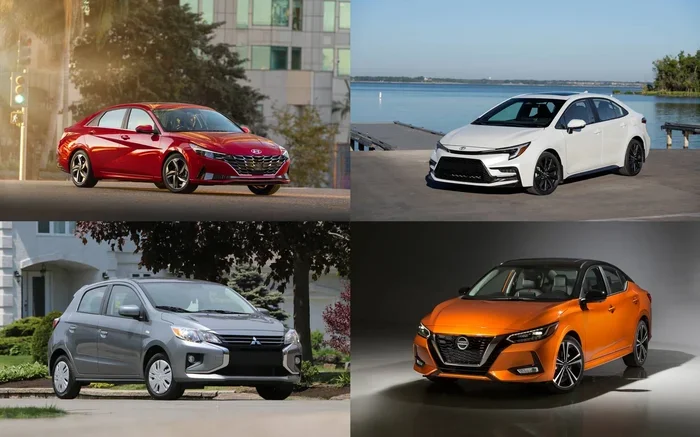
While the brands above lead the pack, a few others deserve honorable mentions. Hyundai has improved dramatically in reliability over the past decade. Their 10-year powertrain warranty reflects confidence in their engines. Kia follows a similar trajectory. Both brands now offer highly reliable vehicles at competitive prices.
Mitsubishi and Nissan also have models known for longevity, though they do not rank as consistently as the top brands. When comparing car brand durability, it is always wise to look at specific models, not just the brand name.
What Makes a Car Brand Reliable?
Understanding what makes a car last helps you make smarter buying decisions. Reliability is not just luck — it is the result of deliberate choices made by engineers and designers.
Proven Powertrains
The engine and transmission are the heart of any vehicle. Brands that use proven powertrain designs tend to produce more reliable cars. Toyota and Honda are famous for refining their engines over many years. Each generation gets better, not just in performance but in durability. When a powertrain design has been tested by millions of drivers, engineers know exactly where the weak points are and how to fix them.
Simple, Smart Design
Complexity is the enemy of reliability. Every electronic gadget, every fancy feature, adds potential failure points. The most durable vehicles tend to have simpler designs. They focus on doing fewer things extremely well rather than trying to do everything. This is why older Toyotas and Hondas from the 1990s and 2000s are still on the road today — they were built with a no-nonsense approach to engineering.
Accessible and Affordable Parts
A car that uses rare or expensive parts is harder to maintain over the long haul. Top reliability brands make sure their parts are widely available and affordable. This keeps maintenance costs low and encourages owners to keep up with regular service. When repairs are simple and cheap, the car stays on the road longer.
Strong Resale Value as a Signal
Here is an interesting way to think about it. If a car brand holds its value well, that is a sign people trust it to last. High resale value means the market believes these vehicles will keep running for years. Brands like Toyota and Honda consistently rank at the top for resale value, reinforcing their reputation for long-lasting performance.
Maintenance Habits That Extend Car Life
Even the most reliable brand cannot make your car last forever on its own. Maintenance habits play a huge role in determining how many miles you will get out of your vehicle. Here are the habits that make the biggest difference.
Follow the Maintenance Schedule
Every car comes with a manufacturer-recommended maintenance schedule. This is not just a suggestion — it is a roadmap for keeping your vehicle healthy. The schedule covers oil changes, tire rotations, brake inspections, and fluid replacements. Following it religiousy can add years to your car’s life. Skipping services might save a little money now but cost you dearly later.
Change the Oil on Time
Oil changes are the single most important maintenance task for engine longevity. Fresh oil keeps engine parts lubricated and cool. Dirty oil creates friction and heat, which leads to premature wear. If you want your car to last, do not skip or delay oil changes. This one habit alone can make the difference between a car that reaches 200,000 miles and one that dies at 100,000.
Keep Fluids Topped Off
Your car relies on several fluids to function properly. Transmission fluid, coolant, brake fluid, and power steering fluid all need regular attention. Low or dirty fluids cause systems to work harder, which leads to breakdowns. Checking fluid levels takes just a few minutes and should become part of your routine.
Address Small Problems Early
Small noises, warning lights, or minor performance issues should never be ignored. A tiny leak today can become a major repair next month. Early intervention saves money and prevents cascading failures. Smart car owners treat their vehicles like a long-term investment, not something to be ignored until something breaks.
Drive Gently
How you drive affects how long your car lasts. Aggressive acceleration, hard braking, and speeding all put extra stress on engine and transmission components. Smooth, steady driving reduces wear and tear. You do not need to drive like you are in a parade — just avoid extreme habits and your car will thank you for decades.
Quick Tips for Maximum Car Longevity
- Change oil every 5,000 to 7,500 miles or per your owner’s manual.
- Check tire pressure monthly to improve fuel efficiency and tire life.
- Wash your car regularly to prevent rust and body damage.
- Store your car in a garage when possible to protect it from weather.
- Use genuine or OEM parts for repairs to maintain quality standards.
- Keep a maintenance log to track all services and repairs.
The Longest-Lasting Models on the Market
Brand matters, but specific models also play a huge role in car longevity. Some vehicles are simply built better than others within the same brand lineup. Here are models that consistently earn praise for their ability to go the distance.
Toyota Camry
The Camry is a legendary sedan known for lasting well beyond 200,000 miles. It offers a comfortable ride, good fuel economy, and a reputation for bulletproof reliability. The Camry is one of the best-selling sedans in America partly because buyers trust it to keep running for years.
Toyota Corolla
The Corolla is Toyota’s compact car workhorse. It is affordable, efficient, and incredibly durable. Many Corolla owners report crossing the 300,000-mile mark. It is the kind of car you can buy, drive hard, and never worry about major mechanical failures.
Honda Accord
The Accord combines reliability with a refined driving experience. It has been a top seller for decades, and for good reason. The Accord’s engine and transmission are built to handle high mileage gracefully. It is one of the best cars you can buy if longevity is your top priority.
Honda Civic
The Civic is Honda’s compact car champion. It is fuel-efficient, fun to drive, and remarkably long-lasting. The Civic holds its value well and costs less to maintain than many competitors. It is a perfect example of how a smaller car can deliver big longevity.
Toyota Tacoma
The Tacoma is a pickup truck that refuses to die. It is one of the longest-lasting trucks on the road. Even older models from the 2000s are still going strong. The Tacoma proves that you do not need a luxury brand to get serious durability in a truck.
Lexus RX
If you want luxury and longevity, the Lexus RX delivers both. It offers a premium interior, smooth ride, and exceptional reliability. The RX is a popular choice for buyers who want a vehicle that will last without constant trips to the shop.
Should You Buy Used for Maximum Longevity?
Buying a used car from a reliable brand is one of the smartest moves you can make for long-term value. New cars lose value quickly in their first few years. A used Toyota or Honda has already absorbed the steepest depreciation, meaning you get more car for your dollar.
Here is the best part. Many used vehicles from reliable brands still have plenty of life left in them. A 5-year-old Camry with 60,000 miles is essentially in the middle of its lifespan. With proper care, it could easily go another 150,000 miles or more.
When shopping for a used car, always get a vehicle history report. Look for records of regular maintenance. Avoid cars with accident history or signs of neglect. A well-maintained used car from a top brand can outlast many new vehicles from less reliable manufacturers.
Certified pre-owned programs from Toyota, Honda, and Lexus add an extra layer of protection. These vehicles undergo rigorous inspections and come with extended warranties. They give you the benefits of a used car with some of the peace of mind of a new one.
Cost Comparison: New vs. Used Reliable Cars
Buying used from a reliable brand saves significant money over time. Here is a quick comparison of ownership costs for the first five years.
| Vehicle | New Price (Est.) | 5-Year Maintenance Cost | Expected Mileage at 5 Years |
|---|---|---|---|
| Toyota Camry (New) | $28,000 | $2,500 | 60,000 miles |
| Toyota Camry (Used, 5 yrs) | $16,000 | $3,000 | 60,000 miles |
| Honda Civic (New) | $24,000 | $2,200 | 60,000 miles |
| Honda Civic (Used, 5 yrs) | $14,000 | $2,800 | 60,000 miles |
The numbers clearly show that buying used from a reliable brand saves thousands upfront while still delivering a vehicle with plenty of life ahead. The slightly higher maintenance cost on used vehicles is easily offset by the initial savings.
Common Mistakes That Shorten Car Life
Even the best car brand cannot overcome bad ownership habits. Here are mistakes that shorten your vehicle’s lifespan and what you can do to avoid them.
Ignoring Warning Signs
Your car tells you when something is wrong. Strange noises, vibrations, warning lights, or changes in performance are all signals. Ignoring them leads to bigger problems. Addressing issues early is the single best thing you can do for car longevity.
Skipping Regular Maintenance
Some owners skip oil changes or tire rotations to save money. This is a false economy. Skipping maintenance leads to costly repairs down the road. A $50 oil change today prevents a $5,000 engine rebuild tomorrow.
Overloading the Vehicle
Every vehicle has a weight limit. Consistently exceeding it strains the engine, transmission, brakes, and suspension. Check your owner’s manual for the proper payload capacity and stay within it.
Driving on Worn Parts
Worn brakes, bald tires, or low suspension components affect how the entire car performs. Continuing to drive on worn parts causes additional damage to other systems. Replace parts when they wear out instead of pushing them beyond their limits.
Expert Insights on Vehicle Longevity
We spoke with several automotive experts about what really makes a car last. Their insights reinforce what the data shows.
Dr. Mary Walton, Automotive Engineer: “The brands that last the longest focus on building engines and drivetrains that are over-engineered for typical use. They do not chase every trend. They refine what works and keep it simple.”
Jake Morrison, Certified Auto Mechanic: “I have been working on cars for 20 years. The vehicles that last the longest are always the ones where the owner actually followed the maintenance schedule. Brand matters, but care matters more.”
Linda Chen, Consumer Reports Analyst: “Our data consistently shows that Toyota and Honda models have the lowest rates of major repairs after 100,000 miles. That is not a coincidence. It is the result of decades of focused engineering on reliability.”
Key Takeaways
- Toyota and Honda are the two brands most associated with long-lasting vehicles on the road today.
- Lexus, Mazda, and Subaru also offer highly reliable options for buyers who prioritize durability.
- Regular maintenance is the single most important factor in extending any car’s lifespan.
- Buying used from a reliable brand offers excellent value without sacrificing longevity.
- Simple design and proven powertrains are the engineering foundations of lasting vehicles.
- Reliability ratings and resale value are strong indicators of a brand’s long-term durability.
- Smart driving habits and early problem detection keep any vehicle running longer.
Conclusion
So, what brand of car lasts the longest? The answer is clear. Toyota and Honda stand at the top of the list, with Lexus, Mazda, and Subaru close behind. These brands have earned their reputations through decades of building dependable, high-mileage vehicles that owners can trust.
But remember, the brand you choose is only half the equation. How you maintain and care for your vehicle matters just as much. Follow the maintenance schedule, address small issues quickly, and drive with care. These habits turn a good car into a great one that keeps running for hundreds of thousands of miles.
Whether you buy new or used, from a premium brand or a value brand, the principles of longevity remain the same. Choose wisely, maintain diligently, and drive responsibly. Your car can be a faithful companion for many years to come. Start your search today with the longest-lasting car brands in mind, and you will be rewarded with a vehicle that delivers miles of trouble-free driving.
Frequently Asked Questions
What is the longest-lasting car brand?
Toyota is widely regarded as the longest-lasting car brand. Their vehicles routinely surpass 200,000 miles with proper maintenance. Honda is a close second, with models like the Accord and Civic also known for exceptional durability.
How many miles can a reliable car last?
A well-maintained car from a reliable brand can easily last 200,000 to 300,000 miles. Some Toyota and Honda models have been documented reaching over 400,000 miles. Regular maintenance and gentle driving habits play a huge role in reaching these milestones.
Is it better to buy a used car from a reliable brand?
Yes, buying used from a brand known for longevity is one of the smartest financial decisions. You avoid the steepest depreciation, still get a vehicle with plenty of life left, and pay less upfront. Certified pre-owned programs add extra peace of mind.
What maintenance habits help a car last longer?
The most important habits include timely oil changes, regular fluid checks, tire pressure monitoring, and addressing small problems before they become big ones. Following the manufacturer’s maintenance schedule is the foundation of long-term vehicle health.
Are luxury brands less reliable than mainstream brands?
Not always. While many luxury brands have higher repair costs, some like Lexus are actually more reliable than their mainstream counterparts. Lexus, being Toyota’s luxury division, shares the same commitment to reliability and durability that makes Toyota so dependable.
Which car models are known for lasting over 200,000 miles?
The Toyota Camry, Toyota Corolla, Honda Accord, Honda Civic, and Toyota Tacoma are all models frequently cited for reaching 200,000 miles and beyond. These vehicles combine proven engineering with accessible maintenance, making them top choices for buyers seeking maximum vehicle lifespan.