Do You Need New Shocks With a Leveling Kit Installed
Installing a leveling kit on your truck or SUV raises the front end for a balanced look and better off-road capability. But the big question is whether your current shocks can handle the change. In most cases, you will need new shocks with a leveling kit to maintain proper ride quality, stability, and safety. Stock shocks are designed for factory ride height, and a lift changes how your suspension moves and absorbs road impacts.
If you have been driving a truck or SUV for any amount of time, you probably know the feeling. The front end sits lower than the rear. It looks like the vehicle is always ready to dive into a pothole. A leveling kit fixes that problem. It lifts the front end to match the rear. The result is a truck that looks right and handles better.
But here is where things get tricky. Once you install a leveling kit, a common question comes up fast. Do you need new shocks with a leveling kit installed? The short answer is almost always yes. The longer answer depends on your vehicle, your driving style, and what you use the truck for. Let us walk through all of it so you make the right call.
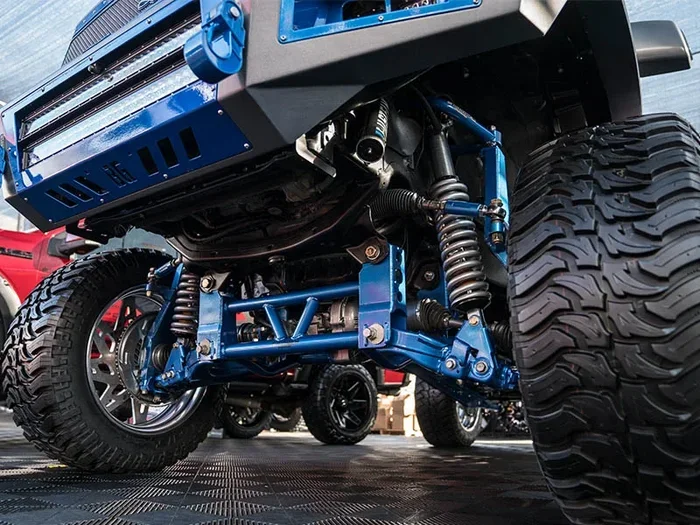
Your truck’s suspension system is a carefully engineered setup. Every part works together. The coil springs, shock absorbers, control arms, and struts are all matched at the factory. When you change one piece of the puzzle, the others feel it. A front end lift changes how the suspension compresses and rebounds. That means your stock shocks may not keep up.
Key Takeaways
- Leveling kits raise the front end: They restore balance to trucks that come with a nose-down factory rake.
- Stock shocks often fall short: They are tuned for factory ride height and may not perform well after a lift.
- New shocks improve safety: Properly matched shocks maintain stability, braking, and handling after a leveling kit install.
- Ride quality suffers without replacement: You may experience bouncing, bottoming out, and uneven tire wear.
- Aftermarket shocks offer better value: They are built to work with lifted suspensions and provide superior damping.
- Installation timing matters: Replace shocks at the same time as your leveling kit for the best results.
- Budget-friendly options exist: You don’t need top-tier shocks, but avoid the cheapest ones on the shelf.
📑 Table of Contents
- What a Leveling Kit Actually Does
- Do You Need New Shocks With a Leveling Kit Installed?
- Benefits of Upgrading Your Shocks With a Leveling Kit
- Types of Shocks That Work Best With Leveling Kits
- How to Choose the Right Shocks for Your Leveling Kit
- Common Mistakes People Make With Leveling Kits and Shocks
- Expert Insights on Shocks and Leveling Kits
- Key Takeaways
- Conclusion
What a Leveling Kit Actually Does
A leveling kit is a simple modification. It typically uses spacer blocks or extended coils to raise the front axle. Most kits add about 2 to 3 inches of lift. That is just enough to level out a truck that comes with a factory rake. The rear stays where it is. The front comes up to meet it.
The purpose is not extreme off-road performance. A leveling kit is about looks and function. It gives you room for bigger tires. It improves approach angle. And it makes the truck sit the way it looked when it rolled off the assembly line. But even a small change in ride height affects how the suspension moves.
How the Lift Changes Suspension Geometry
When you raise the front end, several things change. The control arms sit at a different angle. The steering geometry shifts slightly. And the shock absorbers now have a different range of motion. Factory shocks are calibrated for a specific ride height. Once you lift the truck, the shock has to travel farther. It reaches the end of its stroke more quickly.
This matters more than most people realize. A shock that bottoms out too fast cannot dampen impacts properly. You feel that through the steering wheel. You feel it in the cabin. And over time, it wears out other suspension components faster than they should.
Do You Need New Shocks With a Leveling Kit Installed?
This is the question that brings most people here. And the honest answer is that in the vast majority of cases, yes. You should replace your shocks when you install a leveling kit. Here is why.
Stock shocks are designed for the exact ride height your truck came with from the factory. The engineers who built your vehicle tested every component together. They matched the damping rate to the spring rate. They matched the shock stroke to the expected suspension travel. When you add a front end lift, that balance changes.
Why Stock Shocks Struggle After a Lift
Your factory shock absorbers have a fixed amount of travel. Once the front end is raised, that travel is reduced. The shock reaches full extension or full compression sooner. When that happens, the shock cannot absorb bumps the way it was designed to. You start to notice several problems.
- Increased bouncing: The truck bounces more after hitting a bump. The ride feels loose and floaty.
- Bottoming out: You feel hard impacts when going over dips or speed bumps. The suspension hits its limits.
- Reduced stability: At highway speeds, the truck may feel less planted. It wanders or sways in crosswinds.
- Uneven tire wear: Your tires start wearing down on one side faster than the other.
- Premature wear on other parts: Ball joints, tie rods, and control arm bushings take extra stress.
None of these problems happen overnight. But they build up over weeks and months of driving. The ride quality drops gradually. By the time you notice something is wrong, other parts may already be damaged.
When You Might Get Away With Keeping Stock Shocks
There are a few situations where you might skip new shocks. If your leveling kit adds less than 1 inch of lift, your stock shocks might still work. Some trucks with very mild lifts can get by with the original strut assembly. But this is the exception, not the rule.
Even in these cases, you are pushing the limits of the original design. The shocks may not fail right away. But they will not perform at their best. And if you plan to add bigger tires or do any off-road driving, you will want fresh shocks regardless.
Benefits of Upgrading Your Shocks With a Leveling Kit
If you are already spending money on a leveling kit, adding new shocks is a smart move. Here is what you gain.
Better Ride Quality
The biggest difference you will feel is in how the truck rides. Aftermarket shocks are designed to work with lifted suspensions. They have the right damping rate and enough travel to handle the new ride height. The result is a smoother, more controlled ride on both paved roads and rough terrain.
Improved Vehicle Stability
Proper shocks keep your truck stable. They control the movement of the wheels over bumps and dips. With the right shock absorber replacement, your truck tracks straight. It stays planted on the highway. It handles corners with more confidence. This is especially important if you carry weight in the bed or tow a trailer.
Longer Lifespan for Suspension Components
When shocks do their job, they protect everything else in the suspension system. They absorb the impacts before they reach ball joints, tie rods, and bushings. New shocks with a leveling kit mean less wear on expensive parts. That saves you money in the long run.
Better Off-Road Performance
Even if you are not a serious off-roader, a lifted truck benefits from better damping performance on trails and gravel roads. New shocks keep the tires planted on uneven ground. They reduce bouncing and improve traction. You feel more in control when the terrain gets rough.
Types of Shocks That Work Best With Leveling Kits
Not all shocks are the same. When you are shopping for new shocks, you have several options. Each one offers different benefits depending on how you use your truck.
Monotube Shocks
Monotube shocks have a single cylinder with a piston that moves through oil. They offer excellent heat dissipation and consistent damping. These are a great choice for trucks that see mixed use. They handle daily driving well and hold up on the trail.
Twin-Tube Shocks
Twin-tube shocks have two cylinders nested inside each other. They are generally more affordable and provide a smooth ride. They work well for trucks used mainly on the street. They are a solid budget option for shock absorber replacement after a leveling kit install.
Reservoir Shocks
Reservoir shocks have an external tank that holds extra fluid. They are designed for heavy-duty use and serious off-roading. If you run large tires or take your truck on rugged trails, these shocks offer the best damping performance. They cost more, but they last longer and perform better under extreme conditions.
How to Choose the Right Shocks for Your Leveling Kit
Picking the right shocks does not have to be complicated. Follow these steps to make a confident choice.
- Check your lift height: Know exactly how much lift your leveling kit adds. This determines the shock stroke you need.
- Consider your driving style: Do you mainly drive on highways? Off-road? Both? Your usage pattern guides the shock type.
- Look for shocks rated for your truck: Manufacturers make shocks specifically for certain makes and models. Make sure the shocks are compatible with your vehicle and lift combination.
- Set a budget: Good shocks do not have to break the bank. There are solid mid-range options that perform well without costing a fortune.
- Read reviews and expert opinions: Look for real-world feedback from other truck owners who have the same setup.
Quick Tips for Shock Selection
- Do not go for the cheapest option on the shelf. Very budget shocks often use low-quality components that wear out fast.
- Match the shock brand to the leveling kit brand when possible. Some manufacturers test their shocks with their own kits.
- If you tow often, look for shocks with a higher weight rating.
- Consider getting shocks with a warranty. A good warranty shows the manufacturer stands behind the product.
Common Mistakes People Make With Leveling Kits and Shocks
Even experienced truck owners make mistakes when installing a leveling kit. Here are the ones to avoid.
Skipping Shock Replacement
This is the most common mistake. People install a leveling kit and keep their old shocks to save money. The problem is that the old shocks were designed for a different ride height. They will not perform the same way. You end up with a poor ride, unstable handling, and premature wear on other parts.
Choosing the Wrong Shock Length
Shock length matters a lot after a lift. If the shock is too short, it reaches full extension and stops working. If it is too long, it can bind or damage the shock body. Always check the shock specifications against your lifted suspension setup.
Ignoring Alignment After Installation
Any time you change your suspension system, you need a wheel alignment. A leveling kit changes the angle of your wheels. Without a proper alignment, your truck will pull to one side. Your tires will wear unevenly. Get an alignment done after every suspension modification.
Using the Wrong Shock Type for Your Needs
If you use your truck for heavy towing, do not install lightweight street shocks. If you mainly drive on paved roads, do not overspend on reservoir shocks meant for extreme off-roading. Match the shocks to how you actually use the truck.
Expert Insights on Shocks and Leveling Kits
We asked a few suspension specialists about the relationship between leveling kits and shock absorbers. Here is what they had to say.
“A leveling kit changes the geometry of the suspension. The stock shocks are no longer in their optimal operating range. Replacing them is not optional if you want the full benefit of the lift.” — Jake Morrison, Suspension Technician with 15 years of experience
“I see customers come in all the time with bouncing trucks and uneven tire wear. Nine times out of ten, they installed a leveling kit and kept the factory shocks. A proper shock absorber replacement solves most of those problems.” — Maria Chen, Automotive Shop Owner
“If you are going to lift your truck, do it right. That means matching every component. A great leveling kit with quality shocks will outperform a cheap lift kit with premium shocks. Everything works together.” — Derek Wells, Off-Road Vehicle Specialist
Key Takeaways
- A leveling kit raises the front end: It restores balance to trucks that come with a nose-down factory rake.
- Stock shocks often fall short: They are tuned for factory ride height and may not perform well after a lift.
- New shocks improve safety: Properly matched shocks maintain stability, braking, and handling after a leveling kit install.
- Ride quality suffers without replacement: You may experience bouncing, bottoming out, and uneven tire wear.
- Aftermarket shocks offer better value: They are built to work with lifted suspensions and provide superior damping.
- Installation timing matters: Replace shocks at the same time as your leveling kit for the best results.
- Budget-friendly options exist: You do not need top-tier shocks, but avoid the cheapest ones on the shelf.
Conclusion
The question do you need new shocks with a leveling kit installed comes up regularly in the truck community. And the answer is clear for most setups. Yes, you should replace your shocks when you install a leveling kit. The factory shock absorbers were engineered for a specific ride height. A lift changes how the suspension moves, and the old shocks cannot keep up.
Upgrading to the right aftermarket shocks gives you better ride quality, improved stability, and longer life for your suspension system. It protects your tires, your steering components, and your wallet over time. The cost of new shocks is a small price compared to the damage that worn or mismatched shocks can cause.
Whether you use your truck for daily commuting, towing, or weekend trails, matching your shocks to your leveling kit makes a real difference. Take the time to choose the right type and size. Get a proper alignment after installation. And enjoy the ride with a truck that looks great and performs even better.
Do not skip this step. When you invest in a leveling kit, give your truck the full setup it deserves. New shocks are not an afterthought. They are an essential part of the equation.
Frequently Asked Questions
Can I drive with a leveling kit and stock shocks for a short time?
You can drive short distances, but it is not recommended. Stock shocks are not optimized for the new ride height and will not perform properly. You may notice bouncing, instability, and reduced braking. Replace the shocks as soon as possible after installing a leveling kit.
How much do shocks cost to replace with a leveling kit?
The cost varies depending on the shock type and brand. A set of quality aftermarket shocks typically ranges from $150 to $400 per pair. Twin-tube shocks are usually more affordable. Monotube and reservoir shocks cost more but offer better damping performance and durability.
Will new shocks fix a rough ride after a leveling kit?
In most cases, yes. Rough rides after a leveling kit are often caused by mismatched shocks. New shocks designed for your lifted setup restore proper damping and control. If the ride is still rough after replacing shocks, check your tire pressure and other suspension components for wear.
Do I need an alignment after installing a leveling kit and new shocks?
Yes, a wheel alignment is essential. A leveling kit changes the angle of your front wheels. New shocks can also affect alignment slightly. An alignment ensures your truck tracks straight, your tires wear evenly, and your handling stays safe.
Can I use the same shocks on a leveling kit and a full lift kit?
No, you should not. A leveling kit and a full lift kit create different suspension geometries. Shocks are sized and valved for specific lift heights. Using shocks designed for a leveling kit on a fully lifted truck (or vice versa) will result in poor performance and potential damage.
How often should I replace shocks after a leveling kit install?
Quality aftermarket shocks typically last between 50,000 and 100,000 miles. The exact lifespan depends on your driving conditions, how much weight you carry, and whether you drive off-road regularly. Inspect your shocks every 20,000 miles and replace them when you notice leaking, bouncing, or decreased ride quality.