What Does L Mean on Gear Shift Everything You Need to Know
The “L” on a gear shift stands for “Low,” a gear setting that gives your vehicle more power and control at slower speeds. It is commonly found in both automatic and manual transmissions and helps with hill climbing, towing, and driving in slippery conditions. Understanding when to use L can improve your driving safety and protect your engine from unnecessary strain.
Have you ever looked down at your gear shift and wondered what the letter L really means? You are not alone. Many drivers see that small L on their gear selector and have no idea what it does or when to use it. If you drive an automatic car, truck, or SUV, the L position can seem confusing at first. But here is the good news — it is actually quite simple once you understand the basics.
In this guide, we will explain what does L mean on gear shift in plain, everyday language. We will cover how it works, when to use it, and the common mistakes drivers make. Whether you are a new driver or someone who has been behind the wheel for years, this article will give you the knowledge you need. By the end, you will feel confident using the L position every time you drive.
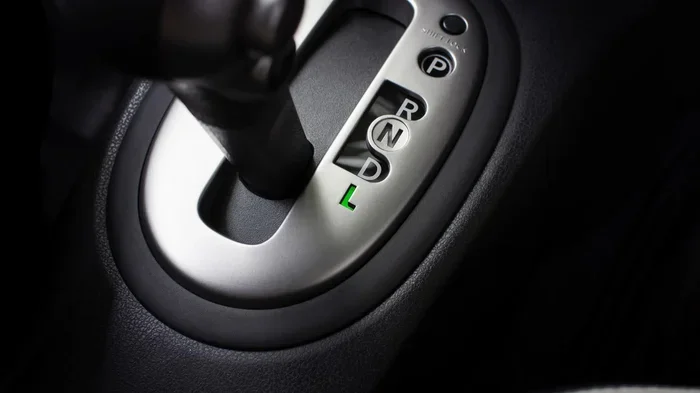
The letter L on your gear shift stands for Low gear. When you move your gear selector into this position, your transmission locks into a lower gear ratio. This means your engine works harder but your wheels turn slower. The result is more torque and power at low vehicle speeds. Think of it like using a lower gear ratio on a bicycle — it gives you more strength to climb a steep hill, even if you have to pedal slower.
Most modern cars come with automatic transmission systems that include the L position. Some vehicles also feature manual mode or paddle shifters that let you choose low gears manually. Even certain CVT transmission models include a simulated low gear mode. No matter what type of car you drive, the concept remains the same — L gives you more control over your engine’s RPM range and driving habits.
Key Takeaways
- L stands for Low gear: It limits your transmission to lower gear ratios for more torque and control.
- Use L on steep hills: It helps with both climbing uphill and controlled descent downhill.
- L improves braking and stability: Engine braking in low gear reduces wear on your brake pads.
- L is not for highway driving: Using it at high speeds can damage your engine and transmission.
- L works differently across vehicles: Some cars, trucks, and SUVs use L for specific purposes like towing or snow driving.
- Common mistakes include staying in L too long: This can cause engine over-revving and reduced fuel efficiency.
- Consult your owner’s manual: Every vehicle handles the L position slightly differently.
📑 Table of Contents
How the L Gear Works in Automatic Transmissions
To fully understand the L position, you need to know a little bit about how your automatic transmission shifts gears. Your car’s computer controls when it moves between gears based on your speed, throttle input, and engine load. In normal driving, the transmission shifts up through the gears as you accelerate. It shifts back down when you slow down or need more power.
When you place the gear selector in L, you are telling the transmission to stay in a lower gear. The computer will not upshift beyond that gear. This keeps your engine spinning at a higher RPM range, which produces more torque at the wheels. Here is what happens inside the system:
- Gear ratio locks in: The transmission holds a lower gear, usually first or second gear.
- Engine speed increases: Your RPMs rise, giving you more pulling power.
- Wheel speed decreases: Your car moves slower for the same amount of engine effort.
- Throttle response sharpens: You get quicker acceleration from a stop or low speed.
The Role of the Shift Lever
The shift lever is the physical control you use to change gear positions. On most automatic cars, you will see markings like P, R, N, D, and L on the lever or the dashboard display. Each letter has a specific function:
- P — Park
- R — Reverse
- N — Neutral
- D — Drive
- L — Low
Some vehicles also include numbered positions like 1, 2, or 3. These work similarly to L because they limit the transmission to specific lower gears. The key difference is that L usually represents the lowest available gear, while numbered positions let you choose a specific range.
How Engine Braking Works with L
One of the biggest benefits of using the L position is engine braking. When you take your foot off the gas pedal in normal drive mode, your car just coasts. But when you are in L, the engine resists the motion of the wheels. This creates a natural slowing effect without you even touching the brake pedal.
Engine braking is incredibly useful in several situations:
- When you are driving down a long steep hill.
- When you need to slow down without wearing out your brake pads.
- When you are driving in snowy conditions or on icy roads.
- When you want smoother, more controlled deceleration.
Using L for engine braking reduces the workload on your brake pads and brake rotors. Over time, this can save you money on maintenance and keep your driving safety at a higher level.
When to Use L on Your Gear Shift
Now that you know how L works, the next question is when to actually use it. The L position is not for everyday highway driving. It is a specialized tool for specific situations where you need extra power or control. Here are the most common scenarios where using L makes a real difference.
Driving Uphill on Steep Inclines
If you have ever tried to climb a steep hill in normal drive mode, you know it can feel like your car is struggling. The engine revs high, but the vehicle speed drops. This happens because the transmission keeps shifting to higher gears, which reduces the torque available to the wheels.
When you drop into L, the transmission locks into a lower gear. This gives your engine the gear ratio it needs to pull your car up the hill with ease. You will notice smoother acceleration and less strain on the engine. This is especially helpful for trucks, SUVs, and vehicles that carry heavy loads.
Controlled Descent on Long Hills
Going downhill is where L truly shines. Many drivers do not realize that riding the brakes on a long descent can cause brake fade. This happens when your brake pads overheat and lose their stopping power. It is a serious safety risk, especially on mountain roads.
By shifting into L, you let engine braking do the work of slowing your car. You can still use the brakes lightly for additional control, but the heavy lifting is handled by the engine. This keeps your brakes cool and your driving experience much safer.
Driving in Snow or Ice
Low-traction surfaces like snow and ice can be dangerous. When your wheels spin, you lose control. Using L on your gear shift helps because it limits the power sent to the wheels. The lower gear ratio means less wheel spin and more grip.
Here is a quick tip: start in L when you are pulling away from a stop on snow. Keep your speed low and avoid sudden movements. You will find that your car handles much more predictably in slippery conditions.
Towing Heavy Loads
If you pull a trailer, boat, or heavy cargo, your car needs extra torque to get moving. In normal drive mode, the transmission may shift too quickly, causing the engine to lug or strain. Placing the gear selector in L keeps the transmission in a lower gear, which provides the pulling power you need.
Always check your vehicle’s owner manual before towing. Some cars have specific towing modes or recommendations for using the L position. Following these guidelines protects your transmission and engine from premature wear.
Stop-and-Go City Traffic
In heavy city traffic with lots of stop-and-go driving, some drivers find that using L gives them a smoother experience. The lower gear keeps the car responsive at slow speeds and reduces the need for constant gear hunting. This is especially true for vehicles with CVT transmission systems that can sometimes feel vague in stop-and-go conditions.
L Gear vs Other Gear Positions
To really understand what L means, it helps to compare it with other common positions on your gear selector. Each position serves a different purpose and is designed for a specific type of driving.
| Position | Meaning | Best For | Gear Range |
|---|---|---|---|
| P | Park | When the car is stationary and parked | No gear engaged |
| R | Reverse | Backing up or reversing | Reverse gear only |
| N | Neutral | Temporary stops, like at a drive-through | No gear engaged |
| D | Drive | Normal forward driving | All forward gears |
| L | Low | Hill climbing, towing, engine braking | Lowest gears only |
| 1, 2, 3 | Numbered gears | Selective low-gear control | Specific lower gears |
The main difference between L and D is that D allows the transmission to shift through all available gears, while L restricts it to the lowest range. Numbered positions like 1, 2, and 3 give you even more control by letting you choose a specific gear.
Some modern vehicles also feature drive modes like Eco, Sport, or Snow. These modes adjust how the transmission behaves but do not lock it into a specific gear like L does. Think of drive modes as adjusting the transmission’s personality, while L physically limits which gears it can use.
L Gear vs Overdrive
Overdrive is the highest gear in most automatic transmissions. It is designed for fuel-efficient highway driving at steady speeds. When you use L, you are essentially doing the opposite — you are turning off the higher gears and staying in the lower range. This trade-off gives you more power but less fuel economy. Keep this in mind when deciding whether to use L on the road.
Common Mistakes When Using L Gear
Using L is straightforward, but drivers do make mistakes that can cause problems. Being aware of these common errors helps you avoid damage to your vehicle and stay safe on the road.
Staying in L at High Speeds
This is the number one mistake drivers make. Using L at high vehicle speeds can cause serious engine damage. The engine will rev far beyond its safe RPM range, which can lead to overheating, excessive wear, and even catastrophic failure. Never use L when driving on highways or at speeds above 40 mph.
Using L Instead of the Brakes
While engine braking in L is helpful, it should not replace your brakes entirely. The L position helps you slow down, but it does not stop the car. Always use your brake pedal when you need to come to a complete stop. Relying only on L for stopping is dangerous and can wear down your transmission over time.
Forgetting to Switch Back to D
It is easy to forget that you are still in L after a hill climb or towing situation. Driving in L on flat roads at normal speeds wastes fuel and causes unnecessary engine strain. Make it a habit to switch back to D as soon as you no longer need the extra torque.
Using L in All Vehicles the Same Way
Not every car handles the L position the same way. Some vehicles use L for first gear only, while others use it for a range of low gears. Always read your vehicle’s owner manual to understand exactly how L works in your specific model. This small step can save you from confusion and potential damage.
Expert Tips for Using L Gear
Getting the most out of the L position on your gear shift comes down to a few smart habits. These tips come from experienced drivers and automotive professionals who use L regularly.
Use L Before You Need It
Do not wait until you are already halfway up a steep hill to switch into L. Shift down early so the transmission has time to engage the low gear properly. This gives you smoother power delivery and reduces stress on the engine and drivetrain.
Watch Your RPM Gauge
Keep an eye on your tachometer when using L. If your RPMs are climbing into the red zone, you are pushing the engine too hard. Drop back to a higher gear or ease off the throttle. Staying within a safe RPM range protects your engine and keeps your driving habits healthy.
Combine L with Other Safety Features
Many modern vehicles come with traction control, stability control, and hill-start assist. Using L in combination with these features gives you the best possible control in challenging driving conditions. For example, using L with traction control on a snowy road provides maximum grip and stability.
Practice in Safe Conditions
If you are new to using the L position, practice in a safe, empty parking lot or quiet residential street. Get a feel for how your car responds in low gear before you need it in a real driving situation. This builds confidence and helps you react quickly when it matters most.
Maintain Your Transmission Regularly
Using L puts extra demand on your transmission fluid and internal components. Stick to your vehicle’s recommended maintenance schedule for fluid changes and inspections. Clean transmission fluid keeps everything running smoothly and extends the life of your gearbox.
Key Takeaways
- L stands for Low gear: It limits your transmission to lower gear ratios for more torque and control.
- Use L on steep hills: It helps with both climbing uphill and controlled descent downhill.
- L improves braking and stability: Engine braking in low gear reduces wear on your brake pads.
- L is not for highway driving: Using it at high speeds can damage your engine and transmission.
- L works differently across vehicles: Some cars, trucks, and SUVs use L for specific purposes like towing or snow driving.
- Common mistakes include staying in L too long: This can cause engine over-revving and reduced fuel efficiency.
- Consult your owner’s manual: Every vehicle handles the L position slightly differently.
Conclusion
Understanding what does L mean on gear shift is one of the simplest yet most valuable skills you can develop as a driver. The L position gives you access to low gear, which provides extra torque, better engine braking, and improved control in challenging driving situations. Whether you are climbing a steep hill, towing a heavy load, or navigating snowy roads, knowing when to use L can make a real difference.
Remember to use L only when needed, avoid high-speed driving in this mode, and always switch back to D when conditions return to normal. These small habits protect your vehicle, improve your driving safety, and help you get the most out of your car’s transmission system. Keep this guide handy, and you will never second-guess that little L on your gear selector again.
The next time you see L on your gear shift, you will know exactly what it means and how to use it. Drive smart, stay safe, and enjoy the confidence that comes with understanding your vehicle.
Frequently Asked Questions
Is it bad to drive in L gear all the time?
Yes, driving in L constantly can damage your engine and transmission. It causes the engine to over-rev at higher speeds, which leads to excessive wear and reduced fuel efficiency. Use L only in situations where you need extra torque or control, such as hill climbing or towing.
Can using L gear save fuel?
Generally, no. L gear is less fuel-efficient than normal drive mode because the engine works harder at lower speeds. However, using L appropriately in specific situations like engine braking on hills can actually save fuel by reducing the need for heavy brake use and maintaining momentum.
What is the difference between L and 1 on a gear shift?
L usually represents the lowest available gear, while 1 locks the transmission into first gear only. Some vehicles use L to allow a range of low gears, whereas 1 restricts you to just first gear. Check your owner’s manual for specific details on how your vehicle handles these positions.
Should I use L when driving in the snow?
Yes, using L in snowy conditions can be very helpful. It limits wheel spin and gives you better traction when pulling away from a stop. Just remember to keep your speed low, drive smoothly, and switch back to D once road conditions improve.
Does using L gear damage the clutch in manual cars?
In manual transmission vehicles, the concept of L works differently. You manually select a lower gear using the clutch pedal. There is no separate L position on a manual shift. However, holding the car on a hill using the clutch without fully engaging it can cause wear. Always use the handbrake when parked on an incline.
Can I shift into L while driving at high speed?
No, shifting into L at high speed is dangerous and can cause severe engine damage. The transmission will try to engage a very low gear at a high speed, causing the engine to rev uncontrollably. Always reduce your speed significantly before shifting into L.
=== CONCLUSION ===
What does L mean on gear shift is a question that many drivers ask, but the answer is straightforward and practical. The L position stands for Low gear, and it gives your vehicle more power and control at slower speeds. Use it for hill climbing, towing, snow driving, and engine braking. Avoid using it at high speeds or for extended periods of normal driving. With the tips and knowledge shared in this guide, you are now equipped to use the L gear confidently and safely every time you hit the road.