Can You Just Swap an ECU Here Is What Nobody Really Tells You
Can you just swap an ECU? The short answer is yes, but the real answer is much more complicated. Swapping an engine control unit involves far more than pulling a part off a shelf and plugging it in. You need to worry about ECU compatibility, programming, VIN matching, and even immobilizer systems. This guide walks you through everything you need to know before you attempt an ECU swap.
You have been searching for answers and finally found this guide. Can you just swap an ECU and expect everything to work perfectly? The honest truth is that very few people talk about the real challenges involved in an ECU swap. Most forums and videos make it look simple, but the reality is quite different. By the time you finish reading this article, you will understand exactly what an ECU swap involves, why it can go wrong, and how to do it the right way.
An engine control unit is the brain of your vehicle. It controls everything from fuel injection to ignition timing. When this unit fails or when you want to upgrade, the idea of just swapping it out sounds easy. But ECU compatibility, programming, and configuration are just a few of the hurdles you will face. This article breaks down each step so you are fully prepared.
Whether you are a DIY enthusiast or just curious about car ECU replacement, this guide has you covered. We will look at common mistakes, expert tips, and the real costs involved. Let us dive in and explore the world of ECU swapping together.
So why does nobody talk about the full picture? Because most people who write about ECU swaps have already done it once or twice. They forget how confusing it can be for a first-timer. This guide changes that. You will get the complete picture here, with no fluff and no shortcuts.
Key Takeaways
- ECU swapping is not a simple plug-and-play process. There are many hidden steps involved that most people overlook.
- Compatibility is critical. Not every ECU will work with your car’s engine, transmission, and wiring setup.
- Programming and coding are required. A swapped ECU needs to be configured with the correct software for your specific vehicle.
- Immobilizer issues can prevent your car from starting. This is one of the biggest headaches people face after a swap.
- Professional help is often worth the cost. Mistakes during an ECU swap can lead to expensive repairs and downtime.
- VIN matching and ECU flashing are essential steps. Skipping these can cause serious problems down the road.
📑 Table of Contents
What Is an ECU and Why Does It Matter?
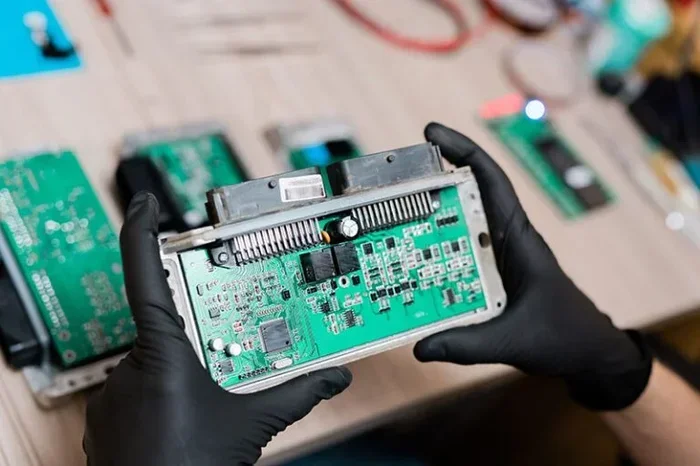
The engine control unit, also known as an ECU, is a small computer inside your car. It monitors and controls many engine functions. Without it, your vehicle simply will not run properly. Understanding what the ECU does helps you appreciate why swapping it is not as simple as changing a light bulb.
How the ECU Controls Your Engine
The ECU reads data from various sensors throughout your engine. It uses this data to adjust fuel delivery, spark timing, and emissions. Think of it as the central hub of your engine management system. Every time you press the gas pedal, the ECU is working behind the scenes to keep things running smoothly.
- Fuel injection timing
- Ignition spark timing
- Idle speed control
- Emissions regulation
- Turbo boost pressure (if applicable)
When the ECU fails or gets damaged, you may notice rough idling, poor fuel economy, or even a complete no-start condition. This is when people start thinking about a car ECU replacement or a full ECU swap.
Why ECUs Fail in the First Place
ECUs can fail for many reasons. Heat damage is one of the most common causes. Water intrusion is another big one. Sometimes, simple age and wear take their toll. Power surges from a dead battery can also fry the unit. Understanding why your ECU failed can help you avoid the same problem with a new unit. It also helps you choose a better-quality replacement.
Can You Just Swap an ECU? The Real Answer
Here is the question everyone wants answered: can you just swap an ECU and be done with it? The short answer is yes, but the full answer is much more complex. Simply bolting a new or used ECU into your car will not guarantee it works. There are several critical steps you must follow to make the swap successful.
Why a Direct Swap Rarely Works
Every vehicle has a unique ECU configuration tailored to its specific engine, transmission, and emissions equipment. When you swap in a different ECU, even from the same car model, the settings may not match. This is because each ECU is programmed with specific data for a particular vehicle.
For example, if you put an ECU from a manual transmission car into an automatic transmission vehicle, the engine behavior will be wrong. The ECU expects different input signals and adjusts accordingly. This mismatch can cause poor performance or even engine damage over time.
The Role of VIN Matching
Modern vehicles use VIN matching to link the ECU to the specific car. The VIN, or vehicle identification number, is stored in the ECU. When you swap in a new unit, it will not have your VIN. This can trigger security features and prevent the car from starting.
You will need to have the ECU reprogrammed with your VIN. Some dealerships can do this, but it often comes at a cost. Independent specialists may offer the same service for less money. Always ask about VIN programming before you buy a replacement unit.
Plug and Play ECU: Myth or Reality?
You may have heard the term plug and play ECU floating around online. While some aftermarket units are designed for easy installation, they still require programming. The idea that you can just unplug one ECU and plug in another with no fuss is mostly a myth.
Even plug and play ECU units need to be flashed with the correct software for your vehicle. This step cannot be skipped if you want the engine to run properly. Always verify what is included with the unit before you purchase it.
What Happens When You Swap an ECU?
Understanding what actually occurs during and after an ECU swap helps you prepare for the process. Let us walk through the typical sequence of events so there are no surprises.
Immediate Effects After the Swap
The moment you connect a new ECU, your car will behave differently. The dashboard lights may come on. The engine might crank but not start. In some cases, the car may run rough or go into limp mode. All of these reactions are normal and expected.
This happens because the new ECU has no learned data about your specific vehicle. It needs to be programmed and calibrated before it can operate correctly. Do not panic if your car does not start right away. This is normal and part of the process.
ECU Programming and Flashing
ECU programming involves writing the correct software onto the new unit. This is done using a diagnostic scan tool connected to the OBD-II port. The technician uploads the correct firmware and maps for your vehicle.
ECU flashing is the process of updating or rewriting the software. This step ensures the ECU knows your engine specifications, fuel type, and emissions standards. Without proper flashing, the ECU will not communicate correctly with the rest of the car. It is one of the most important steps in the entire process.
ECU Reset and Relearning
After programming, you will need to perform an ECU reset. This clears any old learned values and allows the new unit to adapt to your driving habits. During the relearning period, you may notice slightly different engine behavior. This is normal and usually resolves after a few drive cycles. Be patient and give the system time to adjust.
ECU Tuning and Remapping Considerations
Some people use an ECU swap as an opportunity to improve performance through ECU remapping or ECU tuning. Remapping changes the fuel and ignition maps to extract more power or improve efficiency. However, this adds another layer of complexity. You need a qualified tuner to perform the remapping safely. Always make sure any tuning is done by a professional who understands your specific engine.
Common ECU Swap Mistakes People Make
Even experienced car owners make mistakes during an ECU swap. Knowing what to avoid can save you time, money, and frustration. Here are the most common errors and how to prevent them.
Skipping the Compatibility Check
The biggest mistake people make is not checking ECU compatibility before purchasing. Not all ECUs are interchangeable, even within the same model year. You need to verify the part number, hardware revision, and software version before you buy.
Take the time to cross-reference your vehicle details with the ECU specifications. A small mismatch can lead to major problems later on. Write everything down and double-check before you make a purchase.
Ignoring the Immobilizer System
Modern cars have an immobilizer system built into the ECU. This security feature prevents the engine from starting unless the correct key is present. When you swap in a new ECU, the immobilizer will not recognize your key.
You will need to have the new ECU programmed to accept your key. This process is called an immobilizer bypass or key enrollment. Skipping this step means your car will not start at all. Always account for immobilizer programming in your swap plan.
Forgetting to Transfer the PROM Chip
On older vehicles, the ECU contains a PROM or EEPROM chip. This chip holds the calibration data specific to your car. When you swap the ECU, you must physically transfer this chip to the new unit.
Forgetting this step is a common and costly mistake. The new ECU will have generic or incorrect calibration data, leading to poor engine performance. If you are working with an older vehicle, always check for removable chips before you begin.
Not Using the Right Diagnostic Tools
You cannot properly program or configure an ECU without the right tools. A basic OBD-II scanner from an auto parts store will not be enough. You need professional-grade diagnostic scan tools that support ECU programming and ECU coding.
Investing in the right tools or hiring a professional with the proper equipment is essential for a successful swap. Using the wrong tools can result in incomplete programming and ongoing drivability issues.
Rushing the Process
Patience is your best friend during an ECU swap. Rushing through programming steps or skipping verification checks almost always leads to problems. Take your time at every stage. Double-check connections, verify software versions, and test thoroughly before you consider the job done.
How to Do an ECU Swap the Right Way
Now that you know what can go wrong, let us look at how to do it correctly. Following these steps will help ensure a smooth ECU swap experience from start to finish.
Step 1: Identify Your Vehicle Specifications
Before buying any ECU, gather all the relevant information about your vehicle. You will need the make, model, year, engine size, and trim level. The VIN is especially important because it contains detailed information about your car’s original configuration.
Write down the original ECU part number as well. This helps when searching for a compatible replacement unit. Take photos of your current ECU and its connectors for reference during installation.
Step 2: Find a Compatible ECU
Source an ECU that matches your vehicle specifications exactly. You can find used units from salvage yards or purchase refurbished ones from specialists. Make sure the unit comes with a warranty if possible.
If you are considering an aftermarket ECU, ensure it is designed for your specific vehicle. Aftermarket units can offer more tuning flexibility, but they also require more extensive programming. Always verify compatibility before you commit to a purchase.
Step 3: Program the New ECU
Have the new ECU programmed with the correct software for your vehicle. This includes ECU calibration data, VIN information, and key enrollment data. A professional tuner or dealership can handle this step for you.
If you are doing this yourself, make sure you have access to the proper software and diagnostic scan tool. Follow the manufacturer’s programming instructions carefully. Never skip the VIN programming step.
Step 4: Install the ECU
Disconnect the battery before removing the old ECU. Locate the ECU in your vehicle, which is usually found near the engine bay or under the dashboard. Disconnect the wiring harness and remove the mounting bolts.
Install the new ECU in the same position and reconnect the wiring harness. Double-check all connections before reconnecting the battery. Use dielectric grease on connectors to prevent corrosion and ensure good electrical contact.
Step 5: Clear Codes and Test Drive
After installation, reconnect the battery and turn the ignition to the on position. Use your diagnostic scan tool to clear any fault codes. Start the engine and let it idle for a few minutes.
Take the car for a test drive. Monitor the engine performance, fuel economy, and any warning lights. If everything looks normal, your ECU swap was successful. Keep the old ECU as a backup until you are fully confident in the new unit.
Quick Tips for a Smooth ECU Swap
- Always photograph the wiring connections before disconnecting anything
- Label every connector and harness for easy reassembly
- Keep the old ECU as a backup until you are sure the new one works
- Have your diagnostic scan tool ready before you start
- Take notes during the process for future reference
- Do not rush the programming step
- Verify the ECU part number against your vehicle specifications twice
When Should You Call a Professional?
While some car enthusiasts enjoy DIY projects, an ECU swap is not always a job for amateurs. Knowing when to call in the experts can save you from costly mistakes and hours of frustration.
Complex Vehicles Need Expert Help
If you own a luxury brand or a newer model with advanced electronics, professional help is strongly recommended. These vehicles have complex ECU configuration requirements that are difficult to navigate without the right equipment and training.
Brands like BMW, Mercedes, and Audi use sophisticated engine management systems that require specialized tools for programming. Attempting a DIY swap on these vehicles can lead to expensive errors. When in doubt, it is always better to consult a professional.
When the Immobilizer Is a Problem
If your car has an immobilizer system and you do not have the proper key programming equipment, it is time to call a professional. Getting the immobilizer bypass and key enrollment done correctly requires specific software and hardware.
A professional will have the right tools to program the new ECU to accept your existing keys. This alone is worth the cost of hiring an expert. Trying to bypass the immobilizer without the right tools can lock you out of your vehicle entirely.
Cost Considerations for Professional ECU Swap Services
Hiring a professional for an ECU swap typically costs between $200 and $800, depending on the vehicle and the complexity of the job. This includes programming, coding, and ECU calibration. While it may seem expensive, it is often cheaper than buying a second ECU because of a mistake.
Many independent auto electricians and tuning shops offer competitive rates. Get quotes from a few different providers before committing to one. Ask about their experience with your specific vehicle model and year.
Conclusion
The answer to can you just swap an ECU is both yes and no. Yes, you can physically remove one unit and install another. But no, you cannot simply swap it and expect everything to work without additional steps. ECU programming, VIN matching, immobilizer setup, and ECU calibration are all essential parts of the process.
Taking shortcuts during an ECU swap can lead to frustrating problems and expensive repairs. By following the steps outlined in this guide, you give yourself the best chance of a successful car ECU replacement. Whether you choose to do it yourself or hire a professional, preparation is the key to a smooth experience.
Remember that every vehicle is different, and what works for one car may not work for another. Always verify ECU compatibility before purchasing a replacement unit. Take your time, follow the process carefully, and do not be afraid to ask for help when you need it. A successful ECU swap is entirely achievable when you know what you are doing and respect the complexity of the task.
Now that you have the full picture, you are better equipped to handle an ECU swap with confidence. Use this knowledge to make informed decisions and avoid the pitfalls that catch so many people off guard. Your car deserves the right care, and now you know exactly how to give it.
Frequently Asked Questions
Can I swap an ECU from a different car model?
In most cases, no. ECUs are programmed specifically for each vehicle model, engine type, and trim level. Swapping an ECU from a different car model will almost certainly cause compatibility issues. The ECU configuration, fuel maps, and sensor inputs will not match, leading to poor performance or a no-start condition. Always match the ECU to your exact vehicle specifications.
How long does an ECU swap take?
A professional ECU swap typically takes between two and four hours. This includes removing the old unit, programming the new one, installing it, and running diagnostics. DIY swaps may take longer, especially if you are unfamiliar with the process and need to troubleshoot issues along the way.
Will my car pass emissions after an ECU swap?
This depends on whether the new ECU is properly calibrated for your vehicle. If the ECU programming matches your engine and emissions equipment, you should have no issues. However, if the ECU is from a different emissions standard or has been modified through ECU remapping, it may cause your vehicle to fail an emissions test. Always ensure the ECU meets your local regulations.
Can I reuse my old ECU after swapping?
Yes, you can keep your old ECU as a backup. However, it will need to be reprogrammed if you ever want to put it back in. The ECU reset and reprogramming process ensures it works correctly with your vehicle again. Store it in a cool, dry place to prevent further damage.
Is an aftermarket ECU better than a factory replacement?
An aftermarket ECU can offer more flexibility for tuning and customization. However, it also requires more extensive programming and may not be plug-and-play. Factory replacement ECUs are easier to install because they come pre-configured for your vehicle. Choose based on your goals: stock replacement or performance tuning.
What happens if I skip the ECU programming step?
Skipping ECU programming is one of the biggest mistakes you can make. The new ECU will not know the correct fuel maps, ignition timing, or sensor calibrations for your engine. This can result in poor fuel economy, rough idling, engine misfires, and in severe cases, engine damage. Always program the ECU before driving the vehicle.