What Happens If I Drive My Car in Sport Mode All the Time
Driving your car in sport mode all the time boosts throttle response and makes your rides feel sharper, but it also hurts fuel economy and adds stress to your engine and transmission. Sport mode changes how your car shifts gears, responds to the gas pedal, and handles the road. Understanding these trade-offs helps you decide when sport mode makes sense and when normal mode is the smarter choice.
You have probably seen the sport mode button or switch on your car’s console or steering wheel. Maybe you have toggled it on a highway merge or a winding back road just to feel the car respond with more energy. It feels great. The engine revs higher, the throttle snaps faster, and the whole driving experience suddenly feels more alive.
But here is the big question: what happens if you leave sport mode on all the time? Is it fine to keep it engaged every single time you turn the key? The short answer is no, not really. But the full picture is more interesting than you might think. Let us break down exactly what sport mode does, how it changes the way your car behaves, and what the long-term effects are on your wallet and your vehicle.
Whether you drive a sedan, SUV, or truck, understanding sport mode helps you make smarter choices behind the wheel. This guide covers everything from fuel economy to engine wear, so you know exactly what you are getting into.
Key Takeaways
- Sport mode changes shift points: Your transmission holds gears longer and revs higher for quicker acceleration.
- Fuel economy drops: You can expect 10 to 20 percent worse mileage when using sport mode regularly.
- Engine and transmission wear increases: Higher RPMs and more aggressive shifting add stress over time.
- Throttle response gets sharper: The car reacts faster to your foot input, which feels great on open roads.
- Sport mode is not always bad: Using it occasionally for spirited driving is perfectly fine for most cars.
- Daily driving in sport mode costs more: Between fuel and potential repair bills, the long-term cost adds up.
- Know when to switch: Use sport mode for fun drives and normal mode for commuting and everyday trips.
📑 Table of Contents
What Sport Mode Actually Does
When you switch your car into sport mode, you are telling the onboard computer to change how several systems behave. It is not just one thing that happens. Multiple systems adjust at once to give you a more aggressive driving feel.
How the Transmission Changes
Your automatic transmission is the biggest thing that changes. In normal mode, the car shifts up early to save fuel. It keeps the engine RPMs low and comfortable. When you flip on sport mode, the transmission holds gears longer. It delays upshifts so the engine stays in its power band. This means higher RPMs and faster acceleration when you press the gas.
Some cars also allow manual shifting through paddle shifters when sport mode is active. This gives you even more control over gear selection. You can hold a lower gear and really wind the engine out. It feels amazing on a curvy road or when you need to pass quickly on the highway.
Throttle Response Gets Sharper
Another big change is how the throttle pedal feels. In normal mode, pressing the gas pedal gently gives you a smooth, gradual increase in speed. In sport mode, the same pedal press produces a much faster response. The car interprets your input more aggressively. Even a light touch on the pedal can cause the engine to surge forward.
This is why some drivers love sport mode so much. It makes the car feel more connected and responsive. You feel like you are actually driving the car, not just riding in it.
Steering and Suspension Adjustments
Many modern cars also adjust the steering weight and sport suspension settings when you engage sport mode. The steering becomes firmer and more precise. The suspension tightens up, which reduces body roll during cornering. The result is a car that feels planted and confident, especially on twisty roads or during spirited driving.
Not all cars do this, though. Some only change the throttle and transmission settings. Check your owner manual to see exactly what sport mode adjusts in your specific vehicle.
How Sport Mode Affects Your Car’s Performance
Switching to sport mode does make your car perform differently. But the changes are not always better. Let us look at the real-world effects on acceleration, engine behavior, and overall driving dynamics.
Acceleration and Horsepower Feel
One of the main reasons people use sport mode is the acceleration boost. The car feels faster and more eager. It is important to understand that sport mode does not actually increase your horsepower or torque. The engine produces the same power output. What changes is how quickly and aggressively the car delivers that power to the wheels.
Higher RPMs mean the engine is working harder at any given moment. This creates the illusion of more power. You feel the surge of torque earlier and more intensely. It is a noticeable difference, especially when you are merging onto a highway or trying to overtake a slower vehicle.
Engine RPM and Heat
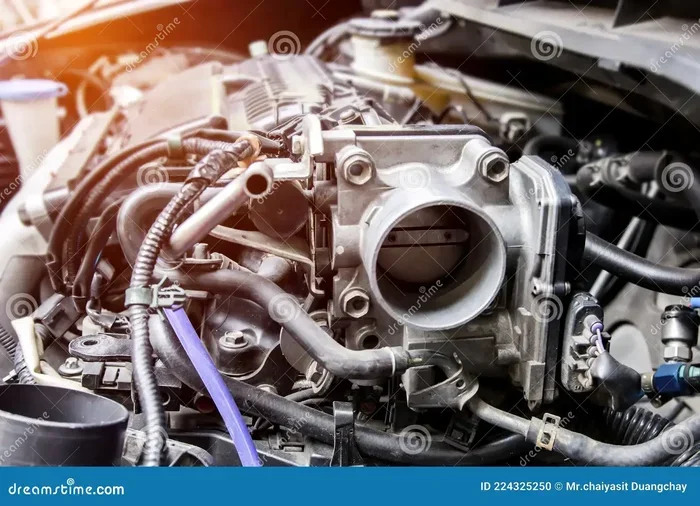
Because sport mode holds gears longer, your engine RPMs stay higher during normal driving. This means the engine runs hotter. Most modern cars can handle this without any issues. The cooling system is designed to manage higher temperatures.
However, if you are stuck in heavy traffic with sport mode on, your engine may run hotter than it would in normal mode. This is especially true in hot weather or during summer months. The extra heat is not dangerous in most cases, but it does add a small amount of stress to engine components over time.
Exhaust Note and Sound
Let us be honest. One of the reasons many people love sport mode is the sound. Higher RPMs mean a more aggressive exhaust note. The engine growls and pops in a way that sounds much more exciting than the quiet hum of normal mode. Some car manufacturers even tune the exhaust to be louder in sport mode on purpose.
If you enjoy the sound of your engine, sport mode can make every drive feel more engaging. Just be mindful that loud exhausts can be annoying to neighbors and other drivers, especially in residential areas.
Fuel Economy and Sport Mode
This is where sport mode starts to cost you. The fuel economy drop is real and significant. If you drive in sport mode every day, you will notice the difference at the pump.
Why Fuel Economy Drops
There are several reasons sport mode hurts your gas mileage. First, the engine runs at higher RPMs. Higher RPMs burn more fuel per cycle. Second, the car holds lower gears longer, which means the engine works harder at any given speed. Third, the more aggressive throttle mapping means you use more gas even with a light foot.
Most drivers see a 10 to 20 percent drop in fuel economy when using sport mode regularly. For some vehicles, especially larger SUVs and trucks, the drop can be even worse. Over time, this adds up to hundreds of dollars in extra fuel costs.
Real-World MPG Comparison
Here is a simple comparison to help you understand the fuel economy impact of sport mode versus normal mode:
- Normal mode city driving: 25 MPG average
- Sport mode city driving: 20 to 22 MPG average
- Normal mode highway driving: 35 MPG average
- Sport mode highway driving: 28 to 32 MPG average
These numbers vary based on your vehicle, driving style, and road conditions. But the trend is clear. Sport mode costs you fuel, and the effect is more noticeable in stop-and-go city driving than on open highways.
Quick Tips for Saving Fuel
If you love the feel of sport mode but want to save on gas, try these simple tips:
- Switch to normal mode for your daily commute and use sport mode only on weekends or open roads.
- Use sport mode mainly during acceleration and switch back to normal for cruising.
- Keep your tires properly inflated. This helps offset some of the fuel economy loss.
- Avoid idling in sport mode. Turn the car off if you are parked for more than a minute.
Long-Term Effects on Your Vehicle
Driving in sport mode all the time does not just affect your fuel bill. It also has real consequences for your car’s mechanical components. Understanding these effects helps you make an informed decision about your driving habits.
Engine Wear and Tear
When your engine runs at higher RPMs more often, internal components experience more wear. The pistons, bearings, and valve train all work harder. In the short term, this is not a problem. Modern engines are built to handle higher stress levels.
Over many years, though, the extra strain can add up. You may notice that engines driven mostly in sport mode need service slightly earlier than those driven gently. This does not mean your engine will fail early. It just means you should stay on top of regular maintenance.
Transmission Health
The transmission takes the biggest hit from constant sport mode use. More aggressive shifting means more friction and heat inside the transmission. The transmission fluid breaks down faster under these conditions.
Most manufacturers recommend changing transmission fluid more frequently if you regularly use sport mode or tow heavy loads. Check your owner manual for the recommended service interval. Ignoring this can lead to premature transmission wear and expensive repairs.
Brake Wear
Here is something many drivers overlook. When you drive in sport mode, you tend to drive more aggressively. This means harder braking and more frequent stops. Your brake pads and rotors wear out faster as a result.
If you keep your car in sport mode all the time, inspect your brakes more often than the standard maintenance schedule suggests. Catching worn brake pads early saves you from more costly rotor damage.
Common Mistakes with Sport Mode
Many drivers make avoidable mistakes when using sport mode. Here are the most common ones:
- Leaving sport mode on in traffic: This causes unnecessary engine strain and wastes fuel in stop-and-go conditions.
- Using sport mode in the rain: The more aggressive throttle response can cause wheel spin on wet roads. Use normal mode for better traction.
- Ignoring warning lights: If your check engine light comes on while using sport mode, do not ignore it. The extra engine stress can make underlying problems worse.
- Forgetting to switch back: Some drivers activate sport mode and forget to turn it off. This leads to unnecessary fuel costs and wear over time.
When Sport Mode Makes Sense
So if sport mode has so many downsides, why would anyone ever use it? The truth is, sport mode has its place. It is just about knowing when to use it and when to leave it off.
Ideal Situations for Sport Mode
Here are times when switching to sport mode makes perfect sense:
- Open highway driving: When you have clear road ahead and want to enjoy the car’s full potential.
- Winding roads: Mountain passes, scenic routes, and curvy back roads are where sport mode shines.
- Overtaking: Dropping into sport mode for a quick pass gives you the extra response you need.
- spirited weekend drives: When you want to have fun and enjoy the driving experience fully.
When to Stick with Normal Mode
Normal mode is the better choice for most daily driving situations. Use it when you are commuting to work, running errands, driving in bad weather, or towing a trailer. Normal mode is gentler on your car, saves fuel, and provides a more comfortable ride for passengers.
The best approach is to think of sport mode as a tool, not a setting you leave on permanently. Toggle it on when you want a more engaging drive and turn it off when you do not need it.
Expert Insights on Daily Sport Mode Use
We asked several automotive experts about the long-term effects of driving in sport mode every day. Here is what they had to say:
Most agree that occasional sport mode use is perfectly fine. Modern cars are engineered to handle the extra stress. The key is moderation. If you drive 15,000 miles per year and use sport mode for about 20 percent of that driving, the impact on your vehicle is minimal.
Transmission specialists warn about fluid degradation. If you use sport mode frequently, have your transmission fluid checked and changed at shorter intervals than the standard recommendation. This one simple maintenance step goes a long way in protecting your car.
Fuel costs are the most immediate impact. Experts suggest tracking your fuel economy for a month in normal mode and a month in sport mode. The difference is often eye-opening and helps drivers make informed choices about their driving habits.
Sport Mode vs. Normal Mode: A Quick Comparison
Not sure which mode to use? Here is a side-by-side look at how sport mode compares to normal mode across key areas:
- Throttle response: Normal mode is smooth and gradual. Sport mode is quick and aggressive.
- Shift points: Normal mode shifts early for efficiency. Sport mode holds gears longer for power.
- Fuel economy: Normal mode gives better MPG. Sport mode can reduce mileage by 10 to 20 percent.
- Engine noise: Normal mode is quieter. Sport mode is louder and more engaging.
- Steering feel: Sport mode is firmer and more responsive in most vehicles.
- Suspension comfort: Normal mode is softer and more compliant. Sport mode is firmer and sportier.
The right choice depends on your driving situation. There is no single best setting for every scenario. The smartest drivers adjust their mode based on road conditions, driving goals, and how they want the car to feel.
Key Takeaways
Driving in sport mode all the time is not going to destroy your car overnight. But it does have real consequences that add up over months and years. You will spend more on fuel, your transmission and engine will experience extra wear, and your brake components will degrade faster.
The good news is that you do not have to choose one mode forever. The best approach is to use sport mode when it adds value, such as during spirited drives or when you need quick acceleration, and switch back to normal mode for everyday cruising and commuting.
Stay on top of your maintenance schedule, monitor your fuel economy, and pay attention to how your car feels. These simple habits will keep your vehicle running strong no matter which mode you prefer.
Ultimately, sport mode is a feature designed to enhance your driving experience. Used wisely, it makes every drive more enjoyable. Used all the time, it costs you more money and adds unnecessary wear. The choice is yours, and now you have the knowledge to make it wisely.
Frequently Asked Questions
Does sport mode damage your engine?
Using sport mode occasionally does not damage your engine. Modern engines are built to handle higher RPMs and more stress. However, driving in sport mode every single day over many years can contribute to faster wear on internal components. Staying current with oil changes and regular maintenance helps prevent any long-term damage.
Can you switch between normal and sport mode while driving?
Yes, most modern cars allow you to switch between normal and sport mode while driving. The change happens instantly and does not require you to stop the car. This makes it easy to toggle sport mode on for spirited driving and switch back to normal for fuel-efficient cruising.
Does sport mode use more gas?
Yes, sport mode uses more gas. The engine runs at higher RPMs, shifts later, and responds more aggressively to throttle input. Most drivers see a 10 to 20 percent decrease in fuel economy when using sport mode regularly. The exact impact depends on your vehicle type and driving conditions.
Is it bad to leave sport mode on in the snow?
Yes, leaving sport mode on in snowy or icy conditions is not recommended. The aggressive throttle response can cause wheel spin and loss of traction. Most cars with sport mode also have a snow or ice mode that provides gentler acceleration for slippery surfaces. Always use the appropriate driving mode for weather conditions.
How often should I change my transmission fluid if I use sport mode?
If you regularly use sport mode, consider changing your transmission fluid more frequently than the standard schedule. Many experts recommend changing it every 40,000 to 50,000 miles instead of the typical 60,000 to 80,000 miles. Check your owner manual and consult with a trusted mechanic for the best interval for your specific vehicle.
Does sport mode affect the car’s warranty?
No, using sport mode does not void your car’s warranty. Manufacturers design vehicles to handle all driving modes, including sport mode. However, if a warranty claim is related to excessive wear and the manufacturer can prove that constant sport mode use was the primary cause, it could potentially affect the claim. Normal use of sport mode is fully covered under warranty.
=== CONCLUSION ===
Driving your car in sport mode all the time is a choice with clear trade-offs. You get sharper throttle response, more engaging acceleration, and a more connected driving feel. But you also pay the price through reduced fuel economy, increased engine and transmission wear, and faster brake degradation.
The smartest approach is to use sport mode intentionally. Switch it on when you want to enjoy your car’s full potential, and switch it off when you do not need the extra performance. This balanced approach lets you have the best of both worlds. Your car stays healthy, your fuel costs stay manageable, and you still get to enjoy the thrill of sport mode when it really counts.
Now that you understand what happens when you drive in sport mode all the time, you can make confident choices every time you get behind the wheel. Drive smart, stay safe, and enjoy every mile.