What Happens If You Dont Relearn Your Throttle Body
What happens if you dont relearn your throttle body after cleaning or replacing it? Your engine may develop a rough idle, hesitation during acceleration, stalling, and even trigger a check engine light. The throttle body relearn process teaches your cars computer to recognize the new throttle plate position. Skipping this step can lead to poor fuel economy, reduced engine performance, and potential drivability issues that worsen over time.
If you have ever cleaned or replaced your throttle body and just bolted it back on without doing a relearn, you are not alone. Many car owners skip this step and drive away feeling fine. But here is the thing. Your vehicles engine computer needs to relearn the throttle position after any service. Skipping this step might seem harmless at first. However, over time, it can cause a long list of drivability problems that range from annoying to potentially dangerous.
So what actually happens if you dont relearn your throttle body? The short answer is that your engine struggles to maintain the correct idle speed, airflow, and fuel mixture. The electronic throttle control system relies on accurate data to function properly. When that data is off, your car tells you through rough idle, stalling, hesitation, and warning lights. In this article, we will walk through every detail of why relearning matters, what symptoms to watch for, and how to do it the right way.
Whether you just had your throttle body cleaned at a shop or you did the work yourself, this guide will help you understand why the relearn step is non-negotiable. We will cover the symptoms, the risks, the procedure, and expert tips to keep your engine running smoothly.
Key Takeaways
- Engine Stalling and Rough Idle: Without a proper relearn, your engine may stall at idle or run unevenly because the ECU does not know the throttle plates current position.
- Acceleration Hesitation: You may experience a delay or stumble when pressing the gas pedal, making driving unsafe in traffic.
- Check Engine Light Activation: The powertrain control module stores error codes when it detects mismatched throttle readings, leading to warning lights on your dashboard.
- Reduced Fuel Efficiency: An unlearned throttle body forces the engine to work harder, burning more fuel than necessary.
- Simple and Free Fix: The throttle body relearn process takes only 15 to 30 minutes and requires no special tools in most cases.
- Prevents Long-Term Damage: Proper relearning protects your electronic throttle control system and extends the life of related components.
📑 Table of Contents
- What Is a Throttle Body and Why Does It Need Relearning?
- Symptoms of Not Relearning Your Throttle Body
- What Actually Happens Inside Your Engine Without Relearning
- How Long Does the Throttle Body Relearn Process Take?
- Can You Skip Relearning and Still Drive?
- How to Properly Relearn Your Throttle Body
- How to Prevent Throttle Body Issues in the Future
- Conclusion
What Is a Throttle Body and Why Does It Need Relearning?
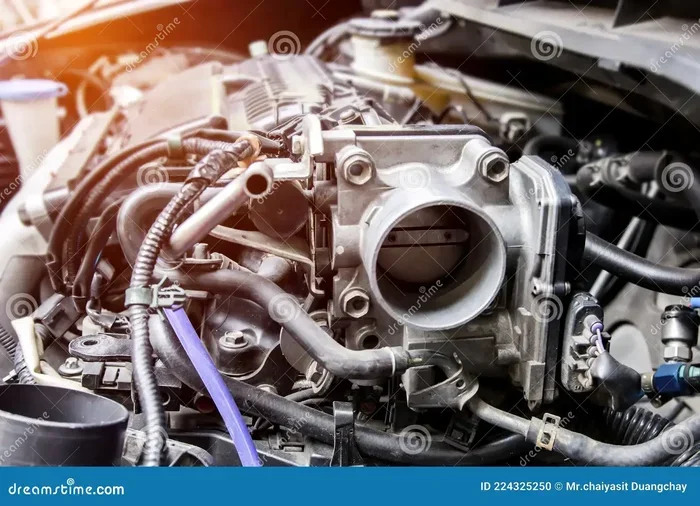
To understand why relearning matters, you first need to know what a throttle body does. The throttle body is a valve located between your air filter and intake manifold. It controls how much air enters the engine. When you press the gas pedal, the throttle plate opens wider to let more air in. When you lift your foot, it closes back down.
In modern vehicles, this system is electronic. It is called drive-by-wire throttle control. There is no physical cable connecting the pedal to the throttle plate. Instead, the powertrain control module (PCM) uses sensors to determine how much the throttle should open. The throttle position sensor (TPS) tells the computer exactly where the plate is at all times.
Now here is where relearning comes in. When you clean the throttle body, you manually move the throttle plate. When you replace it entirely, the new unit has a different resting position. The ECU (engine control unit) has a stored memory of where the plate should be at idle and at various throttle angles. If that memory does not match reality, the engine runs poorly. This is why throttle adaptation or throttle body relearn is essential after any service.
How the Electronic Throttle Control System Works
Your cars electronic throttle control system is a closed-loop process. The PCM constantly monitors input from the accelerator pedal position sensor, the throttle position sensor, and the idle air control valve. It uses this data to calculate the correct throttle opening for every driving condition. The system adapts over time through learned values stored in the ECU memory.
When you reset or disconnect the battery, those learned values get wiped. Even if you only clean the throttle body without disconnecting anything, the physical position of the plate has changed. The ECU needs to recalibrate. This recalibration process is what mechanics call the idle relearn procedure or throttle relearn procedure.
Symptoms of Not Relearning Your Throttle Body
The symptoms of skipping the throttle body relearn process can vary from vehicle to vehicle. However, there are clear warning signs that almost every driver will notice. Here is what to look out for.
Rough or Unstable Idle
The most common symptom is a rough idle. Your engine may shake or vibrate noticeably when stopped at a red light or in traffic. The RPMs might fluctuate between 500 and 1,000 when they should hold steady around 600 to 800. This happens because the ECU does not know the correct throttle plate position for idle air control.
Engine Stalling
In more severe cases, the engine may stall completely at idle. This is especially dangerous in traffic or at intersections. When the throttle plate is not in the position the computer expects, the idle air control system cannot compensate properly. The result is a lean or rich air-fuel mixture that causes the engine to shut off.
Acceleration Hesitation or Lag
You might notice a delay when you press the gas pedal. The engine sputters or lacks power before responding. This acceleration hesitation occurs because the ECU is using incorrect throttle position data to calculate fuel delivery. The fuel injection system receives wrong information and delivers the wrong amount of fuel.
Check Engine Light
Your dashboard check engine light may illuminate. The PCM stores diagnostic trouble codes (DTCs) related to throttle position correlation or electronic throttle control malfunctions. Common codes include P0121, P0122, P0123, and P2111 through P2119. These codes point directly to issues with the throttle body or its sensor readings.
Reduced Fuel Economy
An unlearned throttle body can cause your engine to run rich or lean. Either condition wastes fuel. You may notice you are filling up more often than usual. Poor fuel efficiency is one of the most overlooked consequences of skipping the relearn step.
Poor Engine Performance Under Load
When you are driving uphill, towing a trailer, or carrying heavy cargo, the engine needs precise throttle control. Without proper adaptation, you may feel a lack of power, surging, or uneven response. This directly impacts engine performance and drivability.
What Actually Happens Inside Your Engine Without Relearning
Now let us look under the hood at what is really going on. When you do not perform a throttle body relearn, a chain reaction starts inside your engine management system.
First, the PCM loses its baseline reference for the throttle plate angle. It no longer knows what position the plate is in when the pedal is released. Second, the idle air control (IAC) valve cannot do its job properly. The IAC valve regulates airflow around the closed throttle plate at idle. If the throttle plate is not where the computer thinks it is, the IAC valve opens or closes to the wrong degree.
Third, the fuel injection system receives incorrect airflow data from the mass air flow sensor or manifold absolute pressure sensor. It then calculates the wrong fuel amount. The result is an imbalanced air-fuel ratio. This imbalance causes all the symptoms we discussed above.
Over time, driving with an unlearned throttle body puts extra stress on the engine. The ECU tries to compensate for the incorrect data, which can lead to premature wear on the throttle body itself, the IAC valve, and even the catalytic converter. The longer you wait, the worse the problem gets.
Comparison: With Relearn vs Without Relearn
| Aspect | With Proper Relearn | Without Relearn |
|---|---|---|
| Idle Quality | Smooth and stable | Rough, fluctuating RPMs |
| Throttle Response | Immediate and linear | Hesitation or lag |
| Engine Stalling | Rare or nonexistent | Common at idle |
| Check Engine Light | Off | Possible DTCs stored |
| Fuel Economy | Normal | Reduced by 5-15% |
| Engine Longevity | Protected | Extra stress on components |
| Drive Cycle Completion | Full adaptation achieved | Adaptation values remain incorrect |
How Long Does the Throttle Body Relearn Process Take?
The good news is that relearning your throttle body is fast and straightforward. In most vehicles, the process takes between 15 and 30 minutes. Some cars require a specific ignition cycle or a scan tool, while others need you to follow a simple pedal sequence.
Here is what the typical process looks like. You start by turning the ignition to the ON position without starting the engine. You wait for the ECU to recognize the throttle body position. Then you follow a specific sequence of turning the ignition off and on, or cycling the key. Some manufacturers require you to hold the gas pedal to a specific position during the procedure.
For vehicles that use a scan tool, a technician connects to the OBD-II port and commands the ECU to enter throttle relearn mode. The tool guides the process step by step. Either way, the goal is the same. Allow the ECU to relearn the full range of throttle plate movement and store the correct adaptive values.
Drive Cycle and Throttle Adaptation
After the initial relearn, most vehicles need a drive cycle to fully complete the throttle adaptation process. A drive cycle is a specific driving pattern that exposes the ECU to various engine conditions. This allows the computer to fine-tune its learned values across different RPM ranges and load conditions.
A typical drive cycle involves starting the engine from cold, idling for a few minutes, driving at moderate speeds, and then highway cruising. The PCM monitors throttle response and adjusts its internal tables accordingly. If you skip the drive cycle, the relearn may be incomplete, and symptoms can persist.
Quick Tips for a Successful Throttle Body Relearn
- Always follow the manufacturer procedure. Every car brand has its own specific relearn steps. Check your service manual or look up the procedure for your vehicle model.
- Do not rev the engine during the relearn. Keep your foot off the gas pedal unless the procedure specifically calls for it.
- Make sure the battery is fully charged. A weak battery can interrupt the relearn process and cause it to fail.
- Clear any stored codes after relearning. Use an OBD-II scanner to erase trouble codes once the relearn is complete.
- Complete the drive cycle. Do not assume the relearn is done after the ignition cycle. Drive the vehicle as specified to finish adaptation.
- Be patient. Some vehicles take several key cycles before the ECU fully accepts the new throttle values.
Can You Skip Relearning and Still Drive?
The honest answer is yes, you can drive without relearning your throttle body. Many people do it every day. But should you? Absolutely not. Driving with an unlearned throttle body is like wearing glasses with the wrong prescription. Your engine can still function, but it is working harder than it needs to, and the results are subpar.
In the short term, you might notice nothing more than a slightly rough idle. But over days or weeks, the problems compound. The ECU continues trying to compensate for incorrect data, which can lead to increased emissions, higher fuel consumption, and accelerated wear on engine components.
Some drivers ignore the issue until the check engine light comes on. By that point, the ECU has been struggling for a while, and other systems may have been affected. The catalytic converter, oxygen sensors, and even the transmission can be indirectly impacted by poor throttle data feeding into the engine management system.
Common Mistakes People Make After Throttle Body Service
Let us talk about the mistakes that cost you time and money.
- Assuming the ECU will adapt on its own. While the ECU does have some self-learning capability, it cannot fully compensate for a physically changed throttle body without a dedicated relearn procedure.
- Only resetting the battery instead of doing a proper relearn. Disconnecting the battery clears codes but does not teach the ECU the new throttle plate position.
- Replacing the throttle body without relearning. A new throttle body has a different factory idle position than the old one. The ECU must be told about this change.
- Using the wrong relearn procedure. Following generic online advice instead of your specific vehicles procedure can lead to an incomplete relearn.
- Ignoring persistent symptoms after relearning. If rough idle or hesitation continues after the relearn, there may be a deeper issue like a vacuum leak or a failing throttle position sensor.
How to Properly Relearn Your Throttle Body
Now that you understand why relearning is critical, let us walk through the general process. Keep in mind that exact steps vary by vehicle, so always refer to your manufacturers service manual.
Method 1: Ignition Cycle Relearn (Most Common)
Turn the ignition key to the ON position. Do not start the engine. Wait for 3 to 5 seconds. Turn the ignition OFF and wait another 3 to 5 seconds. Repeat this cycle two more times. On the third cycle, start the engine and let it idle for 20 minutes without touching the throttle pedal. The ECU will relearn the idle air control and throttle plate position during this time.
Method 2: Pedal Position Relearn
With the engine off, press the accelerator pedal slowly and steadily to the floor. Hold it for 5 seconds. Release the pedal slowly. Turn the ignition to ON and wait 10 seconds. Start the engine and let it idle for 20 minutes. This method is common on many Ford and Chrysler vehicles.
Method 3: Scan Tool Relearn
A professional mechanic or advanced DIYer can use an OBD-II scan tool to command the ECU into throttle relearn mode. The scan tool guides you through each step and confirms when the adaptation values have been successfully reset. This is the most reliable method and works on virtually all modern vehicles.
Expert Insight: Why Dealerships and Independent Shops Always Relearn
Experienced technicians never skip the throttle body relearn step. It is standard procedure in every reputable repair shop. The reason is simple. Skipping relearn leads to comebacks. Customers return with the same symptoms, and the shop has to do the work twice. A proper relearn takes minutes but saves hours of diagnostic time later.
According to automotive service standards, the throttle body relearn is considered part of the throttle body cleaning or replacement procedure. It is not optional. Any shop that skips this step is cutting corners, and you should hold them accountable for it.
How to Prevent Throttle Body Issues in the Future
Prevention is always better than cure. Here are steps you can take to keep your throttle body and electronic throttle control system in top shape.
- Clean your throttle body regularly. Most manufacturers recommend cleaning the throttle body every 30,000 to 50,000 miles. Carbon buildup on the throttle plate restricts airflow and causes idle issues.
- Always perform a relearn after any service. Whether you clean, replace, or simply disconnect the throttle body, relearn the system afterward.
- Use quality fuel and air filters. Clean fuel and air reduce carbon deposits that contribute to throttle body fouling.
- Address warning signs early. If you notice rough idle or hesitation, do not ignore it. Early intervention prevents more expensive repairs down the road.
- Keep your battery in good condition. Voltage drops or electrical issues can corrupt ECU adaptation values and trigger the need for a reset throttle body procedure.
Taking these simple steps ensures your electronic throttle control system stays calibrated and your engine delivers consistent performance for years to come.
Conclusion
So what happens if you dont relearn your throttle body? The answer is clear. Your engine will struggle with rough idle, stalling, hesitation, and reduced performance. The check engine light may come on, your fuel economy will drop, and over time, you risk damaging expensive components like the catalytic converter and oxygen sensors.
The throttle body relearn process is simple, fast, and free in most cases. It takes 15 to 30 minutes and requires nothing more than a ignition key or a basic scan tool. There is no reason to skip it. Whether you cleaned your throttle body at home or had it serviced professionally, always make sure the relearn is completed properly.
Your vehicles engine management system is designed to work with precise throttle data. Give it that data by performing the relearn every time the throttle body is serviced. Your engine will run smoother, your fuel economy will improve, and you will avoid unnecessary trips to the repair shop. Take the extra few minutes to do it right the first time.
Frequently Asked Questions
Can I drive my car without relearning the throttle body?
Yes, you can drive short distances without relearning, but it is not recommended. Your engine will likely run rough, idle unevenly, and may stall. Over time, driving without relearning can cause the check engine light to come on and reduce fuel efficiency. Always complete the relearn as soon as possible after any throttle body service.
How much does it cost to relearn a throttle body?
The relearn process itself is free if you do it yourself. If you take your car to a shop, the labor cost is typically minimal since the procedure takes only 15 to 30 minutes. Most shops charge between $50 and $100 for the service, though some include it for free with other throttle body work.
What happens if I reset the battery instead of relearning the throttle body?
Resetting the battery clears error codes and erases learned values, but it does not teach the ECU the new throttle plate position. The ECU still does not know where the throttle plate is at idle or under throttle input. You need a dedicated throttle body relearn procedure to properly recalibrate the system after cleaning or replacement.
How long does the throttle body relearn take?
The relearn process typically takes 15 to 30 minutes depending on the vehicle. Some cars require a simple ignition cycle, while others need a specific pedal sequence or a scan tool. After the initial relearn, completing a drive cycle can take an additional 20 to 30 minutes of driving to fully adapt the system.
Will the check engine light go away after throttle body relearn?
If the check engine light was triggered by incorrect throttle position data, it should turn off after a successful relearn. However, you may need to clear the codes with an OBD-II scanner. If the light persists after relearning, there may be a separate underlying issue such as a faulty throttle position sensor or a vacuum leak that needs diagnosis.
Can a dirty throttle body cause rough idle even after relearning?
Yes, if the throttle body is not cleaned thoroughly, carbon deposits can restrict the throttle plate movement even after relearning. The ECU may relearn the current position, but that position is still compromised by buildup. Always clean the throttle body completely before performing the relearn to ensure the best results.
=== META TITLE ===
What Happens If You Dont Relearn Your Throttle Body?
=== URL SLUG ===
what-happens-if-you-dont-relearn-throttle-body