What Happens If Your Gas Tank Is Open While Driving
Driving with your gas tank open can cause serious issues like fuel evaporation, a triggered check engine light, and reduced fuel economy. Your vehicle’s emissions system is designed to trap fuel vapors, and an open tank disrupts this process. Beyond car damage, there are real safety hazards like fuel leaks and fire risks. Most drivers don’t realize how quickly a missing gas cap can turn a simple oversight into an expensive repair. The good news is that the fix is usually quick, easy, and affordable.
You’re cruising down the highway, music playing, windows down, and life is good. Then it hits you — you left the gas tank open. Maybe you forgot to twist the cap back after filling up. Maybe it wasn’t on tight enough. Either way, the question starts racing through your mind: what happens if your gas tank is open while driving?
The short answer is: not great. But the full picture is more detailed than you might think. Driving with an open fuel tank can affect your car’s performance, your wallet, and even your safety. Let’s break down exactly what goes wrong, why it matters, and what you should do about it.
Most people underestimate the role of a simple gas cap. It’s not just a cover for the fuel opening. Your vehicle relies on a sealed fuel system to keep vapors contained, maintain proper pressure, and protect the environment. When that seal breaks — even for a short drive — a chain reaction starts. Understanding this helps you see why something so small can create such a big impact.
Key Takeaways
- Fuel loss and evaporation: An open gas tank lets fuel vapors escape, wasting gas and money over time.
- Check engine light activation: Your car’s EVAP system detects the leak and triggers a warning almost immediately.
- Safety hazards: Open fuel tanks increase the risk of fuel spills, fumes, and potential fire near hot engine parts.
- Emissions test failure: A missing or loose gas cap is one of the most common reasons vehicles fail emissions inspections.
- Easy fix: Simply tightening or replacing the gas cap usually resolves all related problems within a short drive.
- Fuel economy drops: Studies show a loose or missing gas cap can reduce fuel efficiency by up to 2%.
- EVAP system damage: Prolonged driving with an open tank can strain the charcoal canister and other emission control parts.
📑 Table of Contents
- What Happens When Your Gas Tank Is Open While Driving
- The Role of Your Gas Cap and EVAP System
- Signs Your Gas Tank Was Left Open
- Can an Open Gas Tank Damage Your Car?
- Safety Risks of Driving With an Open Fuel Tank
- What to Do If You Realize Your Gas Tank Is Open
- Common Mistakes People Make With Their Gas Tank
- Expert Insights on Gas Tank Maintenance
- Key Takeaways
- Conclusion
What Happens When Your Gas Tank Is Open While Driving
When you drive with the gas tank open, several things start happening almost immediately. Some are obvious, and some are sneaky. Here’s a detailed look at what goes on under the hood and beyond.
Fuel Evaporation and Loss
Gasoline is volatile. It turns into vapor easily, especially in warm weather. When your tank is sealed, the EVAP system (evaporative emission control system) captures those vapors and routes them back into the engine for combustion. But with the cap off or loose, those vapors escape directly into the atmosphere.
You might not notice fuel disappearing right away. But over time, the loss adds up. On a hot summer day, an open tank can release a noticeable amount of fuel vapor. This means you’re literally burning money every mile you drive.
Here’s a quick breakdown of what fuel loss looks like in practice:
- Short drives: Minimal loss, but the vapors still escape into the air.
- Long highway drives: Wind and heat accelerate evaporation significantly.
- Hot weather: High temperatures make gasoline vaporize faster, increasing loss.
- Stop-and-go traffic: Heat from the engine and surrounding asphalt speeds up vapor release.
Check Engine Light Activation
This is the most common and immediate sign something is wrong. Your car’s onboard computer constantly monitors the fuel system for leaks. When it detects that the fuel tank isn’t sealed properly, it throws a check engine light on your dashboard.
The specific error code is usually P0457, which stands for “Evaporative Emission Control System Leak Detected.” It’s one of the most common codes mechanics see, and it’s almost always caused by a loose or missing gas cap. Don’t ignore this light. While it might not affect how your car drives right away, it signals a problem that can snowball into bigger issues.
Disrupted Air-Fuel Mixture
Your engine needs a precise balance of air and fuel to run efficiently. The fuel system is designed to operate under specific pressure conditions. When the gas tank is open, the pressure balance gets thrown off.
This disruption can cause the engine to run lean, meaning there’s too much air and not enough fuel. Symptoms include rough idling, stalling, hesitation during acceleration, and decreased power. You might not notice these changes at first, but they tend to worsen the longer you drive with the tank open.
The Role of Your Gas Cap and EVAP System
To really understand the consequences of an open gas tank, you need to appreciate how the gas cap and EVAP system work together. These components form a critical part of your vehicle’s emissions control.
How the Gas Cap Works
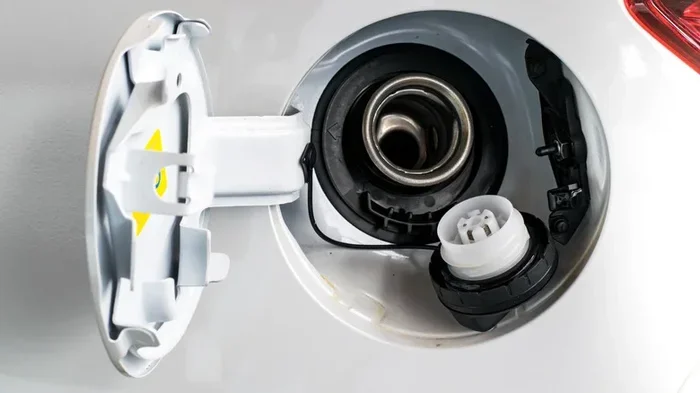
Your gas cap does more than just cover the fuel opening. It creates a tight seal that maintains pressure inside the fuel tank. Modern gas caps use a spring-loaded valve system that allows the tank to breathe slightly under certain conditions, but only in a controlled way.
When you tighten the cap, it locks into place and creates that seal. Most caps have a clicking sound when they’re properly secured. If you don’t hear that click, there’s a good chance the cap isn’t tight enough.
How the EVAP System Functions
The EVAP system is a clever engineering solution to a simple problem: gasoline vapors are harmful to the environment and wasted fuel. Here’s how it works in plain terms:
- Fuel vapors build up inside the sealed tank.
- The vapors get redirected to a charcoal canister, which absorbs them.
- When the engine is running, the canister releases the stored vapors into the intake manifold.
- The vapors get burned along with the normal fuel-air mixture.
When your gas tank is open, this whole process breaks down. Vapors escape before the canister can capture them. The system can’t do its job, and the computer registers a leak.
Why the Charcoal Canister Matters
The charcoal canister is a small but important part of your fuel system. It’s designed to handle fuel vapors, not raw liquid fuel. If fuel leaks out of an open tank and reaches the canister, it can saturate the charcoal. This can clog the system and lead to expensive repairs. A replacement canister can cost anywhere from $200 to $600, depending on your vehicle model.
Signs Your Gas Tank Was Left Open
Sometimes you don’t realize your tank is open until the symptoms start showing up. Here’s what to watch for:
The Smell of Fuel
This is the most obvious sign. If you catch a strong gasoline odor while driving, your tank might be open or the cap might not be sealing properly. Fuel fumes can enter the cabin through ventilation systems, making the interior smell like a gas station.
Decreased Fuel Economy
Have you noticed you’re filling up more often? A missing or loose gas cap can reduce your fuel economy by 1% to 2%. That might sound small, but it adds up over weeks and months. If you’re spending an extra $10 to $20 per tank, that’s real money going up in smoke — literally.
Failed Emissions Test
If you live in an area that requires emissions testing, an open gas tank or loose cap is a surefire way to fail. The EVAP system leak code will show up during the diagnostic scan, and your vehicle won’t pass until the issue is resolved.
Rough Engine Performance
An open tank can cause the air-fuel mixture to become unbalanced. You might notice rough idling, stalling at stoplights, or a general lack of responsiveness when you press the accelerator. These symptoms are your engine telling you something isn’t right.
Can an Open Gas Tank Damage Your Car?
The short answer is yes, it can. While a single short drive with the tank open probably won’t cause catastrophic damage, repeated or prolonged exposure to this condition can create real problems.
EVAP System Damage
Running with an open tank over time can damage the EVAP system components. The charcoal canister can become saturated with liquid fuel instead of just vapors. The purge valve and vent valve can also be affected. These are not cheap parts to replace, and the repairs can easily run into the hundreds of dollars.
Catalytic Converter Stress
Your catalytic converter works hard to clean exhaust gases before they leave the tailpipe. When the air-fuel mixture is off because of an open tank, the converter has to work harder. Over time, this extra strain can reduce its lifespan. Replacing a catalytic converter is one of the most expensive repairs on any vehicle, often costing $1,000 or more.
Oxygen Sensor Issues
The oxygen sensor monitors how much oxygen is in your exhaust. When the fuel system isn’t sealed properly, the sensor readings get thrown off. This can lead to poor engine performance and increased emissions. A failing oxygen sensor typically costs between $100 and $300 to replace, but the damage it can cause to other parts of the engine makes the total repair bill much higher.
Fuel Pressure Problems
Modern vehicles rely on precise fuel pressure to deliver the right amount of gasoline to the engine. An open tank disrupts the pressure balance in the fuel system. This can cause the fuel pump to work harder, potentially shortening its lifespan. A fuel pump replacement typically costs between $400 and $800, depending on the vehicle.
Safety Risks of Driving With an Open Fuel Tank
Beyond car damage, there are genuine safety concerns with driving while the gas tank is open. These risks are often overlooked but deserve serious attention.
Fire Hazard
Gasoline vapors are highly flammable. When they escape from an open tank, they can ignite if they come into contact with a hot surface, spark, or open flame. Under the hood, there are plenty of heat sources: the exhaust manifold, engine block, and electrical components. Fuel vapors drifting toward these areas create a real fire risk, especially in hot weather or during summer driving.
Fuel Spills and Slip Hazards
If your tank is open and the vehicle hits a bump or you corner aggressively, fuel can splash out. This creates a mess inside your car and on the road. Fuel spills on the road surface also create hazards for other drivers, especially motorcyclists who might lose traction on the slippery surface.
Health Risks from Fuel Fumes
Breathing in gasoline fumes is harmful. They contain volatile organic compounds that can cause headaches, dizziness, nausea, and respiratory irritation. If you’ve been driving with an open tank and feel unwell, pull over safely and get fresh air immediately. Prolonged exposure to fuel fumes is not something you want to make a habit of.
Legal and Environmental Concerns
Fuel vapor emissions contribute to air pollution and smog formation. Many regions have strict regulations against excessive evaporative emissions. Driving with an open tank means your vehicle is releasing pollutants that violate environmental standards. In some areas, this could even result in fines or failed vehicle inspections.
What to Do If You Realize Your Gas Tank Is Open
So you’ve been driving with the gas tank open and you just realized it. Don’t panic. Here’s exactly what you should do.
Step 1: Pull Over Safely
Find a safe spot to pull over. Don’t slam on the brakes or make any sudden moves. Turn on your hazard lights to alert other drivers that something is off.
Step 2: Check for Fuel Leaks
Before you do anything else, check under and around the vehicle for any signs of fuel leaking. If you see a puddle of fuel or smell a strong odor, don’t start the engine. Call for roadside assistance if needed.
Step 3: Tighten or Replace the Gas Cap
If there’s no visible leak, simply tighten the gas cap until you hear it click. If the cap is damaged, cracked, or missing entirely, you’ll need a replacement. Gas caps are inexpensive — most cost between $5 and $20 — and you can find one at any auto parts store or gas station.
Step 4: Drive for 50 to 100 Miles
After securing the cap, drive for about 50 to 100 miles. The vehicle’s computer needs several drive cycles to clear the error codes. The check engine light should turn off on its own during this time.
Step 5: Verify the Issue Is Resolved
If the check engine light doesn’t go off after a few days of driving, use an OBD-II scanner to check for codes. If the P0457 code persists, the cap might not be sealing properly or there could be a different leak in the fuel system. At that point, it’s worth visiting a mechanic.
Quick Tips to Prevent This From Happening Again
- Always listen for the click: When tightening the gas cap, twist until you hear it click at least once.
- Make it a habit: After every fill-up, double-check that the cap is secure before driving away.
- Replace worn caps: Gas caps wear out over time. If yours is cracked, stripped, or doesn’t click properly, replace it.
- Use the right cap: Make sure the replacement cap matches your vehicle’s specifications. Not all caps fit all cars.
- Check before long trips: Give the gas cap a quick inspect before any road trip or long drive.
Common Mistakes People Make With Their Gas Tank
Even careful drivers make mistakes sometimes. Here are the most common errors that lead to open gas tanks while driving.
Not Hearing the Click
Many gas stations have noisy fuel pumps and busy environments. It’s easy to twist the cap without hearing the click. Always double-check by trying to gently twist the cap after you think it’s tight. If it moves, it’s not on right.
Over-Tightening the Cap
While under-tightening is a common problem, over-tightening can also cause issues. Cranking the cap too hard can damage the seal or strip the threads. A firm twist until you hear the click is all that’s needed.
Using the Wrong Gas Cap
Not all gas caps are universal. Different vehicles require different cap sizes and pressure ratings. Using the wrong cap can prevent a proper seal, leading to the same problems as an open tank.
Ignoring the Warning Signs
Some drivers see the check engine light and assume it will go away on its own. It might, but only if the underlying issue is fixed. Ignoring the light can lead to more serious and expensive problems down the road.
Expert Insights on Gas Tank Maintenance
Automotive experts agree that the gas cap is one of the most overlooked maintenance items on any vehicle. A simple $10 part can prevent hundreds of dollars in repairs and keep your car running efficiently.
Mechanic tip: “I see cars come into the shop every week with check engine lights caused by loose gas caps,” says certified mechanic Jake Thompson. “The funny thing is, most people don’t even realize the cap was off or loose. They just assume something is seriously wrong with their car. A quick check of the gas cap should always be the first step when that light comes on.”
Environmental expert insight: According to the EPA, a single vehicle with a faulty or missing gas cap can release about 30 gallons of fuel vapor into the atmosphere each year. Multiply that by millions of vehicles, and you can see why something so small matters so much for air quality and fuel conservation.
Key Takeaways
- Fuel loss and evaporation: An open gas tank lets fuel vapors escape, wasting gas and money over time.
- Check engine light activation: Your car’s EVAP system detects the leak and triggers a warning almost immediately.
- Safety hazards: Open fuel tanks increase the risk of fuel spills, fumes, and potential fire near hot engine parts.
- Emissions test failure: A missing or loose gas cap is one of the most common reasons vehicles fail emissions inspections.
- Easy fix: Simply tightening or replacing the gas cap usually resolves all related problems within a short drive.
- Fuel economy drops: Studies show a loose or missing gas cap can reduce fuel efficiency by up to 2%.
- EVAP system damage: Prolonged driving with an open tank can strain the charcoal canister and other emission control parts.
Conclusion
So, what happens if your gas tank is open while driving? More than most people realize. From fuel evaporation and a triggered check engine light to safety risks and potential damage to expensive components like the catalytic converter, an open tank creates a cascade of problems. The good news is that all of these issues are easily preventable.
Make it a habit to check your gas cap every time you fill up. Listen for the click. Give it a gentle tug to confirm it’s secure. If you ever realize you’ve been driving with the tank open, don’t stress — just tighten the cap and keep driving. The car’s computer will reset itself after a short while, and you’ll be back to running smoothly.
Your gas cap might be small, but it plays a big role in your vehicle’s performance, safety, and environmental impact. Treat it with the attention it deserves, and you’ll save money, stay safe, and keep your car running at its best for years to come.
Frequently Asked Questions
Can driving with the gas tank open cause a fire?
Yes, it’s possible. Gasoline vapors are highly flammable and can ignite if they come into contact with hot engine components like the exhaust manifold. While fires from open gas tanks are rare, the risk is real and should not be taken lightly.
How long can you drive with the gas cap off before damage occurs?
A single short drive probably won’t cause serious damage. However, repeated or extended driving with the cap off can strain the EVAP system, damage the charcoal canister, and reduce fuel economy. The longer you drive without the cap, the greater the risk of problems.
Will the check engine light go away on its own after tightening the gas cap?
Yes, in most cases. After you secure the gas cap properly, the vehicle’s computer needs several drive cycles to recheck the system. The check engine light typically turns off within 50 to 100 miles of driving. If it doesn’t, there may be another issue to address.
How much does it cost to replace a gas cap?
A replacement gas cap costs between $5 and $20 for most vehicles. If you need to replace the charcoal canister or other EVAP components due to prolonged damage from an open tank, the costs can range from $200 to $600 or more, depending on the vehicle.
Why does my car smell like gas after driving with an open tank?
Fuel vapors escape from the open tank and can enter the cabin through the ventilation system. The smell usually dissipates after you secure the cap and drive for a while, allowing the EVAP system to clear the excess vapors. If the smell persists, check for fuel leaks or a damaged canister.
Will an open gas tank cause my car to fail an emissions test?
Yes, almost certainly. The EVAP system leak code triggered by an open tank will cause a failed emissions test in most states and regions. Simply tightening or replacing the gas cap and clearing the code before the test usually resolves this issue completely.