Do Toyota Sequoias Hold Their Value Better Than You Think
The Toyota Sequoia holds its value surprisingly well compared to most full-size SUVs and competitors. Strong Toyota brand loyalty, real-world reliability, and consistent used market demand all contribute to this truck’s impressive resale performance. Understanding the factors that affect depreciation helps owners make smarter buying and selling decisions.
Key Takeaways
- Strong Value Retention: The Toyota Sequoia holds its value significantly better than most full-size SUVs and competitors.
- Toyota Reliability Pays Off: The brand’s reputation for durability drives strong demand and higher resale prices on the used market.
- Trim Matters: Higher trims like the Limited, Platinum, and TRD Pro tend to retain value even better than the base SR5 model.
- Maintenance Is Key: Regular service and clean records directly impact your Sequoia’s resale price and long-term value.
- Timing Matters: Selling between three and five years of ownership typically yields the best return on investment.
- Used Market Is Robust: Pre-owned Sequoias remain in high demand, making them a smart buy and easy to sell down the road.
- Outperforms Competitors: The Sequoia beats the Suburban, Yukon XL, Expedition, and Armada in value retention at both three and five years.
📑 Table of Contents
- What the Numbers Say About Toyota Sequoia Depreciation
- Why Toyota Sequoias Hold Their Value So Well
- Factors That Affect Toyota Sequoia Value Retention
- Toyota Sequoia vs. Other Full-Size SUVs
- Tips to Maximize Your Toyota Sequoia’s Value
- The Used Toyota Sequoia Market
- Key Takeaways
- Frequently Asked Questions
- Final Thoughts
What the Numbers Say About Toyota Sequoia Depreciation
When you buy a new Toyota Sequoia, the first thing every owner wants to know is how fast it loses value. Most vehicles shed about 15% to 25% of their worth in the very first year. Trucks and SUVs tend to follow a similar pattern, but the Toyota Sequoia often surprises buyers with how well it holds up.
According to recent industry data, a new Toyota Sequoia starts at around 50,000 to 65,000 depending on the trim level. After three years, the Toyota Sequoia resale value typically sits around 55% to 65% of the original price. That is remarkably strong for a vehicle in this class. Most full-size SUVs drop below that range within the same timeframe.
Understanding Depreciation Rates
Depreciation is simply the drop in value over time. Every vehicle on the road experiences it. But not every vehicle loses value at the same speed. The SUV depreciation rate for the Sequoia is lower than the average for full-size trucks and SUVs. This is one of the reasons savvy buyers gravitate toward Toyota.
Here is what you can expect in the first five years of owning a Toyota Sequoia:
- Year 1: About 15% to 20% loss in value
- Year 2: Another 10% to 15% loss
- Year 3: Around 55% to 65% of original value remains
- Year 5: Roughly 40% to 50% of original value remains
Compare this to the average truck depreciation rate, and the Sequoia holds up impressively well. Many full-size SUVs drop below 40% of their original value by year five. The Sequoia stays above that line more often than not, which makes it a standout choice for value-conscious buyers.
Toyota Sequoia Resale Value Compared to Competitors
How does the Toyota Sequoia stack up against other full-size SUVs when it comes to holding value? Let us look at the numbers side by side. The Chevrolet Suburban, GMC Yukon XL, Ford Expedition, and Nissan Armada are the main rivals in this segment. All four are solid trucks with their own strengths. But the Toyota Sequoia resale value often beats them out.
This comes down to a few key factors. Toyota brand loyalty plays a huge role. Buyers trust the Toyota name and are willing to pay a premium for it. They know these trucks last. That trust translates into stronger demand on the used market. Strong demand means better prices. That is the core of why the Sequoia holds value so well compared to its competition.
Why Toyota Sequoias Hold Their Value So Well
There are several reasons why the Toyota Sequoia holds its value better than most vehicles in its class. Understanding these factors helps you appreciate why this truck is such a smart buy for families, adventurers, and anyone who needs a dependable full-size SUV.
Toyota Brand Reputation
Toyota has spent decades building a reputation for reliability and quality. When you think of Toyota reliability, the Sequoia naturally comes to mind. The brand consistently ranks at the top of consumer trust surveys year after year. This reputation does not happen by accident.
Toyota invests heavily in quality control and engineering. Every vehicle that rolls off the assembly line is built to last. Buyers know this. That knowledge drives up Toyota market value across the entire lineup, including the Sequoia. The Sequoia benefits from what industry experts call a halo effect. Even when it is several years old, buyers still see a Toyota and associate it with quality. That perception keeps prices higher than they would be otherwise.
Real-World Reliability and Durability
Beyond the brand name, the Sequoia is genuinely reliable in day-to-day use. These trucks are known for lasting well over 200,000 miles with proper care. That kind of durability is rare in the full-size SUV segment. When a vehicle lasts a long time, it holds value better.
Buyers on the used market see a high-mileage Sequoia and do not flinch. They know the engine and drivetrain are built tough. This confidence keeps the Sequoia resale rate strong even as the miles add up. Owners who maintain their trucks properly can expect a smooth ride for years, and the next buyer knows that too.
Strong Demand in the SUV Market
The demand for full-size SUVs has remained steady and even grown in recent years. Families love the space and versatility. Outdoor enthusiasts love the towing capacity and rugged capability. The Toyota Sequoia demand stays high because it checks so many boxes at once.
It seats up to eight passengers comfortably across three rows. It has a massive cargo area that expands when you fold down the rear seats. It can tow trailers, boats, and RVs with ease. All of these features make it a highly desirable vehicle. High demand always supports better vehicle resale value. The Sequoia benefits from this simple economic truth every single day.
Factors That Affect Toyota Sequoia Value Retention
Not every Sequoia holds its value at the same rate. Several factors influence how well your specific truck retains its worth over time. Understanding these factors helps you make smarter buying and selling decisions throughout your ownership journey.
Trim Level and Features
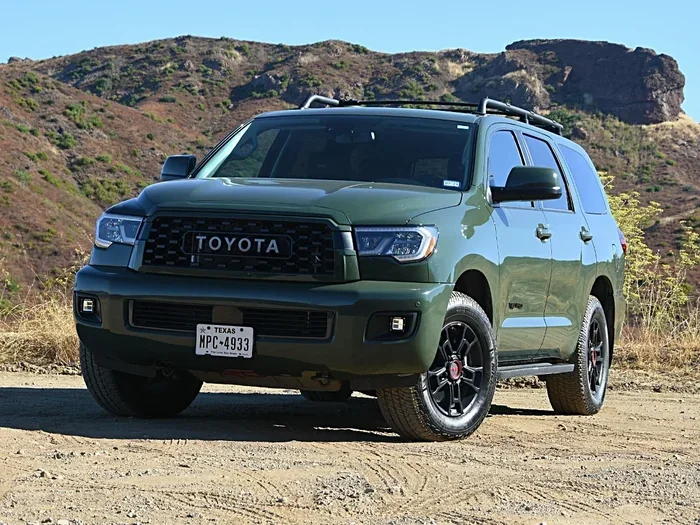
The Sequoia trim levels play a big role in how well the truck holds its value. The base SR5 model holds value well. But higher trims like the Limited and Platinum tend to hold even better. The Sequoia TRD Pro is especially popular on the used market and commands strong resale numbers.
Here are the key trim levels and what makes each one valuable:
- SR5: The workhorse trim. Reliable and practical. Holds value steadily over time.
- Limited: Adds luxury features and comfort upgrades. Higher demand keeps prices up.
- Platinum: Top-tier comfort and technology. Strong resale among luxury-oriented buyers.
- TRD Pro: Off-road capability and rugged styling. Very sought after by enthusiasts.
Features like a third-row seating setup, leather seats, and advanced safety tech all add value to the vehicle. The three-row SUV market is highly competitive right now. A well-equipped Sequoia stands out in this crowded space and attracts buyers willing to pay top dollar.
Mileage and Condition
Mileage matters a lot when it comes to Toyota value retention. A Sequoia with 30,000 miles will always fetch more than one with 100,000 miles. But condition plays an equally important role in determining the final sale price.
Keep your Sequoia clean inside and out. Address small repairs before they become big problems. A well-maintained interior and exterior signal to buyers that the truck was cared for. That care shows in the final sale price. Buyers are willing to pay more for a vehicle that looks and feels like it was treated right.
Service records also matter a great deal. If you can prove regular oil changes, tire rotations, and scheduled maintenance, buyers will pay more. Documentation builds trust and supports a higher Toyota resale price. Keep all your receipts and records organized. It is one of the simplest things you can do to protect your investment.
Location and Market Conditions
Where you live affects your Sequoia’s value in meaningful ways. In rural areas and mountainous regions, full-size trucks and SUVs are in high demand. In urban areas, smaller vehicles tend to be more popular with buyers. Understanding your local market helps you set realistic expectations.
Weather also plays a role in value retention. Sequoias from regions with mild climates tend to hold value better over time. Rust and weather damage can significantly reduce a truck’s worth. If you live in a snowy area where road salt is common, make sure to address any salt or corrosion issues promptly. Regular washes during winter months go a long way toward protecting the body and preserving value.
Toyota Sequoia vs. Other Full-Size SUVs
How does the Toyota Sequoia compare to other full-size SUVs when it comes to holding value? Let us break it down with a direct comparison of the most popular models in this segment. The numbers tell a clear story about which trucks retain their worth best.
Side-by-Side Comparison
| Vehicle | 3-Year Value Retention | 5-Year Value Retention | Reliability Rating |
|---|---|---|---|
| Toyota Sequoia | 60% – 65% | 45% – 55% | Excellent |
| Chevrolet Suburban | 50% – 55% | 38% – 45% | Good |
| GMC Yukon XL | 50% – 55% | 38% – 44% | Good |
| Ford Expedition | 48% – 53% | 36% – 42% | Good |
| Nissan Armada | 45% – 50% | 34% – 40% | Average |
The table shows a clear advantage for the Toyota Sequoia. It retains more value at both the three-year and five-year marks compared to every competitor listed. The reliability ratings also favor Toyota across the board. Buyers are willing to pay a premium for a truck they trust. That willingness to pay more directly supports stronger Toyota Sequoia pricing on both new and used models.
Why the Sequoia Outperforms the Competition
The Toyota Sequoia outperforms its rivals for several key reasons that go beyond just the brand name. First, Toyota’s reputation for longevity gives it a natural edge in the resale market. Buyers know they are getting a truck that will last. Second, the Sequoia has a relatively simple powertrain that is less expensive to repair over time. Lower repair costs mean less worry for used buyers. Third, the used market has consistent and steady demand for these trucks.
When you compare the Toyota Sequoia pricing to a similar-year Suburban or Expedition, the Sequoia often costs more upfront. But the stronger value retention means you lose less money over time. That is a smart financial move for most buyers who plan to own the truck for several years. The upfront premium pays for itself through better resale numbers.
Tips to Maximize Your Toyota Sequoia’s Value
Want to get the most out of your Toyota Sequoia when it is time to sell? Follow these practical tips to protect your investment and get the best possible return. A little effort during your ownership pays off handsomely at resale time.
Maintenance Best Practices
Regular maintenance is the single best thing you can do for your Sequoia’s value. Stick to the recommended service schedule without skipping appointments. Change the oil every 5,000 to 7,500 miles. Rotate your tires every 5,000 miles. Replace brake pads when they wear down. These simple steps keep the truck running smoothly and signal to future buyers that it was well cared for.
Keep all your service records in a folder or digital file. When a buyer sees a complete maintenance history, they feel confident in their purchase. That confidence translates into a better offer. It also reduces the time your truck spends sitting on the lot waiting for a buyer. Time is money, and a quick sale means less depreciation exposure.
Quick Tip: Wash and wax your Sequoia regularly. A clean exterior and interior make a huge difference in how buyers perceive the vehicle’s condition. It costs very little but pays off significantly at resale. Consider investing in a quality cover if you park outside. Protecting the paint and interior from the elements preserves the truck’s appearance for years.
When to Sell for Maximum Return
Timing matters a great deal when you sell your Toyota Sequoia. The sweet spot for maximum value is typically between three and five years of ownership. By then, the steepest depreciation has already occurred. But the truck still has plenty of life left in it. Selling in this window captures the best balance of low mileage and strong remaining value.
Selling too early means you eat the worst of the first-year depreciation. The truck loses its freshest appeal and its steepest value drop happens before you sell. Selling too late means the truck has high mileage and shows more wear and tear. Finding that middle ground helps you get the best return on your investment.
Also consider the time of year when you list your truck. Spring and early summer are peak buying seasons for trucks and SUVs. List your Sequoia during these months for the best results. More buyers are actively shopping during this period, which drives up competition and pushes prices higher. A little strategic timing can add thousands to your final sale price.
Avoid Common Mistakes That Hurt Resale Value
There are a few mistakes that can hurt your Sequoia’s resale value more than you might think. Avoid these common pitfalls to protect your investment:
- Skipping regular maintenance or ignoring warning lights on the dashboard
- Letting the interior get stained, worn, or neglected over time
- Ignoring minor body damage or paint chips that lead to rust
- Modifying the truck in ways that narrow the potential buyer pool
- Selling during the off-season when demand for trucks is lower
Each of these mistakes can cost you hundreds or even thousands of dollars at resale. A little prevention and attention to detail goes a long way toward protecting your Toyota Sequoia resale value. Think of your truck as a long-term investment that needs consistent care to perform well.
The Used Toyota Sequoia Market
The used Toyota Sequoia market is strong and shows no signs of slowing down. Whether you are buying or selling, understanding how this market works helps you make smarter decisions. The used Sequoia has become one of the most sought-after trucks in its class, and for good reason.
Why Buyers Love Pre-Owned Sequoias
Buyers flock to used Sequoias for many compelling reasons. The price is lower than a new truck, which is a big draw for budget-conscious families. But more importantly, these vehicles are proven performers. A three-year-old Sequoia has already survived the steepest depreciation curve. You get a truck that has proven its reliability without paying the new-car premium.
Buyers also love the reliability factor that comes with a used Toyota. A pre-owned Sequoia comes with a track record. You can look up reviews, ratings, and owner reports before you buy. That transparency builds confidence and trust. It is one of the reasons the Toyota Sequoia demand stays so high in the used market. Buyers know what they are getting, and they trust Toyota to deliver.
Another factor that makes used Sequoias attractive is the cost of ownership. Used models have lower insurance costs and registration fees compared to new trucks. They also depreciate at a slower rate than new vehicles. That means the financial hit is smaller if you decide to sell again in a few years. Smart buyers recognize this advantage and are willing to pay competitive prices for well-maintained used examples.
What to Look for When Buying a Used Toyota Sequoia
If you are shopping for a used Toyota Sequoia, here are the key things to check before you commit to a purchase:
- Full service history and maintenance records from previous owners
- Clean title with no accident history or salvage branding
- Consistent mileage for the vehicle’s age and condition
- No signs of rust, frame damage, or structural issues
- All features and systems working properly, including AWD and third-row seating
- Tire condition and remaining tread life for safety and performance
Taking the time to inspect these areas protects your investment. A well-chosen used Sequoia can deliver years of reliable service and hold its value beautifully. Consider getting a pre-purchase inspection from a trusted mechanic. It is a small cost that can save you from expensive surprises down the road.
Current Market Trends and What They Mean for You
The current market favors trucks and SUVs across the board. Supply chain issues in recent years have kept new vehicle prices elevated. This has pushed more buyers toward the used market in search of better value. As a result, used Toyota Sequoia pricing has remained strong and competitive.
Full-size SUVs with three rows are especially in demand right now. Families who need seating for six or eight passengers often turn to the Sequoia as their go-to choice. This steady demand supports the Toyota Sequoia resale value and makes it a smart choice for both buyers and sellers. The market fundamentals look favorable for Sequoia owners who plan to buy, hold, and sell in the coming years.
Key Takeaways
- Strong Value Retention: The Toyota Sequoia holds its value significantly better than most full-size SUVs and competitors in the market.
- Toyota Reliability Pays Off: The brand’s reputation for durability drives strong demand and higher resale prices on the used market every year.
- Trim Matters: Higher trims like the Limited, Platinum, and TRD Pro tend to retain value even better than the base SR5 model.
- Maintenance Is Key: Regular service and clean records directly impact your Sequoia’s resale price and long-term value retention.
- Timing Matters: Selling between three and five years of ownership typically yields the best return on your investment.
- Used Market Is Robust: Pre-owned Sequoias remain in high demand, making them a smart buy and easy to sell when the time comes.
- Outperforms Competitors: The Sequoia beats the Suburban, Yukon XL, Expedition, and Armada in value retention at both the three-year and five-year marks.
Frequently Asked Questions
How much does a Toyota Sequoia depreciate in the first year?
A new Toyota Sequoia typically loses about 15% to 20% of its value in the first year. This is in line with most full-size trucks and SUVs on the market. However, the Sequoia depreciates slower than many of its competitors, which helps it retain more value over the long term.
Is a Toyota Sequoia a good investment for resale?
Yes, the Toyota Sequoia is widely considered a strong investment for resale. Its reliability, brand reputation, and consistent demand on the used market all work in favor of the owner. Many owners find they lose less money to depreciation compared to other full-size SUVs in the same price range.
What is the average Toyota Sequoia resale value after five years?
After five years, a Toyota Sequoia typically retains about 40% to 55% of its original value, depending on the trim, mileage, and overall condition. Higher trims and well-maintained examples tend to stay on the higher end of that range. This is well above the average for the full-size SUV segment and shows why the Sequoia is such a smart buy.
Which Toyota Sequoia trim holds value best?
The TRD Pro and Limited trims tend to hold value the best among all Sequoia models. These trims offer unique features and strong demand from buyers looking for specific capabilities or luxury amenities. The Platinum trim also retains value well thanks to its premium features. Even the base SR5 holds value better than most competitors in the segment.
How does the Toyota Sequoia compare to the Chevrolet Suburban for resale?
The Toyota Sequoia generally holds its value better than the Chevrolet Suburban. After three years, the Sequoia retains about 60% to 65% of its value, while the Suburban retains around 50% to 55%. After five years, the gap widens further in favor of the Sequoia, making it the smarter choice for resale-minded buyers.
Does mileage affect Toyota Sequoia resale value significantly?
Yes, mileage has a significant impact on resale value. A Sequoia with 30,000 to 50,000 miles will command a much higher price than one with 100,000 miles or more. However, the Sequoia’s reputation for durability means that even high-mileage examples hold value better than most competing trucks. Buyers trust that a Toyota can handle the miles.
Final Thoughts
So, do Toyota Sequoias hold their value? The answer is a clear and confident yes. The Toyota Sequoia stands out as one of the best full-size SUVs for value retention in today’s market. Its combination of reliability, brand trust, and strong demand creates a powerful formula for keeping your investment safe and sound.
Whether you are buying new or shopping the used market, the Sequoia delivers. You get a truck that performs, lasts, and holds its worth. Few vehicles in this class can make that claim with such consistency. The numbers back it up, and the owner reviews confirm it time and time again.
If you are considering a Toyota Sequoia, you are making a smart choice. The Toyota Sequoia resale value is strong, the cost of ownership is reasonable, and the truck itself is built to go the distance. Do your research, maintain it well, and your Sequoia will reward you for years to come. It is a truck that not only gets the job done but also protects your wallet when it is time to move on.