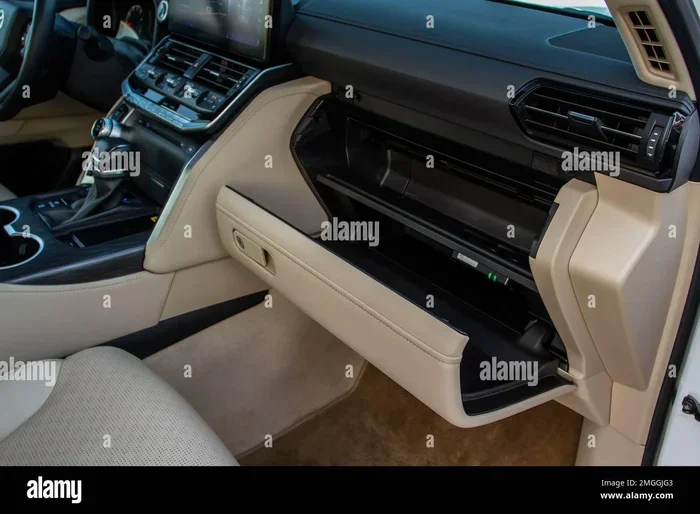
What Is the Purpose of a Cars Glove Box and Why It Matters
The glove box is more than just a small storage compartment in your car. It serves as a safe and convenient spot for your manual, registration, and everyday essentials. Understanding its purpose helps you organize your vehicle better and keep important items protected.
Key Takeaways
- Essential Storage: The glove box keeps important documents like registration and insurance safe and within reach.
- More Than Storage: It also protects items from heat, cold, and damage inside your car cabin.
- Hidden Uses: Many drivers use the glove box for emergency kits, snacks, and car accessories.
- Maintenance Matters: Regular cleaning and care extend the life of your glove box and keep it functional.
- Customization Options: Organizers and dividers can help you maximize every inch of this compact space.
- Safety Feature: A well-organized glove box reduces clutter and distractions while driving.
📑 Table of Contents
- What Is the Purpose of a Car’s Glove Box and Why It Matters
- The History of the Glove Box
- Practical Uses of the Glove Box
- How the Glove Box Contributes to Vehicle Organization
- Common Glove Box Problems and How to Fix Them
- Tips to Maximize Your Glove Box Space
- Expert Insights on Glove Box Usage
- How the Glove Box Compares to Other Car Storage Options
- Key Takeaways
- Conclusion
What Is the Purpose of a Car’s Glove Box and Why It Matters
Every car has one. It sits quietly on the passenger side of the dashboard. You probably open it without thinking. But have you ever stopped to ask, what is the purpose of a car’s glove box? This small compartment plays a bigger role in your vehicle than you might realize. It is not just a dusty storage spot for old receipts and registration papers.
The glove box serves multiple functions. It protects important documents. It stores everyday essentials. It even contributes to the overall organization of your car interior. In this article, we will explore every reason this feature matters. You will learn about its history, its practical uses, and how to get the most out of it. By the end, you will see your glove box in a whole new light.
Whether you are a new driver or a seasoned car owner, understanding your vehicle storage options makes a big difference. A well-organized car is a safer and more enjoyable car to drive. Let us dive into everything you need to know about the glove box and why it deserves more attention.
The History of the Glove Box
The glove box has a fascinating origin story. It dates back to the early days of automobiles. In the early 1900s, cars did not have enclosed cabins. Drivers and passengers wore gloves to stay warm. These gloves needed a place to be stored. That is where the idea of a dedicated compartment came from. Hence the name, “glove box.”
Over time, cars evolved. Enclosed cabins became standard. Drivers no longer needed gloves for warmth. But the name stuck. The compartment remained, and its purpose expanded. Today, it is a key part of every car’s dashboard storage system. The evolution of the glove box mirrors the evolution of the car itself. What started as a simple storage spot for gloves became a multifunctional feature we all rely on.
From Gloves to Essentials
In modern vehicles, the glove box holds far more than gloves. It stores vehicle manuals, registration documents, and insurance papers. Many drivers keep their sunglasses, toll cards, and hand sanitizer inside. Some even use it as a hidden car storage spot for valuables. The glove box has adapted to meet the changing needs of drivers. Its role has grown, even though its size has stayed roughly the same.
Practical Uses of the Glove Box
The most obvious purpose of the glove box is storage. But what exactly should go inside it? Let us break down the practical uses. This will help you understand why keeping your glove box organized matters.
Storing Important Documents
The primary use of the glove compartment has always been document storage. Your vehicle registration, proof of insurance, and owner’s manual all fit here. Having these documents within reach can save you during a traffic stop or an accident. It also keeps them safe from damage. The glove box protects these items from sun exposure, moisture, and spills.
Here is a quick list of documents you should keep in your glove box:
- Vehicle registration
- Proof of insurance
- Owner’s manual
- Roadside assistance membership card
- Service records and receipts
Everyday Essentials
Beyond documents, the glove box is perfect for everyday items. Many drivers keep a mix of practical and personal items inside. Think of it as your car’s personal organizer. The glove box door keeps everything secure while you drive. It prevents items from rolling around the cabin.
Common everyday items include:
- Sunglasses and prescription glasses
- Hand sanitizer and wipes
- Small first aid kit
- Tissues and napkins
- Snacks for road trips
- Phone charger cables
- Pen and notepad
Emergency Supplies
Some drivers use the glove box to store emergency supplies. This is a smart practice. In case of a breakdown or unexpected situation, having essentials nearby can make a big difference. The glove box keeps these items protected and easy to find.
Consider keeping these items in your glove box for emergencies:
- Flashlight or small LED light
- Reflective warning triangles
- Basic tool kit
- Jumper cables (compact)
- Bottled water
- Blanket or emergency thermal blanket
How the Glove Box Contributes to Vehicle Organization
Organization inside a car can make or break the driving experience. Clutter leads to distractions. Distractions lead to safety risks. The glove box helps solve this problem. It provides a dedicated space for items that would otherwise scatter across the car cabin.
When you use your glove box properly, you free up space elsewhere. Center consoles and door pockets stay cleaner. The overall vehicle organization improves. This makes your car feel more spacious and less chaotic. Even a small storage solution like the glove box can have a big impact.
Benefits of a Well-Organized Glove Box
Here are some key benefits of keeping your glove box neat and functional:
- Faster access to documents: No more digging through a messy cabin when a police officer asks for your registration.
- Reduced clutter: A tidy glove box means fewer loose items rolling around while you drive.
- Protection from damage: Important papers and electronics stay safe from heat and spills.
- Better resale value: A clean and organized car interior impresses buyers.
- Stress reduction: Knowing where everything is reduces anxiety on the road.
Common Glove Box Problems and How to Fix Them
Like any car feature, the glove box is not without its issues. Many drivers experience problems with their glove box door or latch. Understanding these common issues helps you address them quickly. Here are the most frequent problems and their solutions.
Sticky or Stiff Glove Box Door
A sticky glove box door is a common complaint. It can make opening and closing the compartment frustrating. The cause is usually a lack of lubrication or a misaligned latch. A simple fix can restore smooth operation.
Try applying a silicone-based lubricant to the hinges. Check if the latch is aligned properly. Sometimes a small adjustment solves the problem. If the door is warped or damaged, you may need a glove box replacement. This is a relatively affordable repair that keeps your vehicle looking and functioning its best.
Glove Box Light Not Working
Many cars have a small light inside the glove box. It turns on when you open the door. If your light is not working, the bulb may be burned out. Replacing the bulb is usually straightforward. Check your owner’s manual for the correct bulb type. This small fix can make a big difference when you need to find something inside the compartment at night.
Glove Box Latch Breaking
The latch mechanism can wear out over time. A broken latch means the door does not stay closed. This can be annoying and even dangerous if items shift while driving. Replacing the latch is often a simple DIY task. Replacement parts are widely available and affordable. If you are not comfortable with repairs, a mechanic can handle it quickly.
Tips to Maximize Your Glove Box Space
Getting the most out of your glove box comes down to smart organization. The compartment is small, but with the right approach, you can use every inch wisely. Here are some practical tips to help you maximize your automotive storage space.
Use a Glove Box Organizer
Glove box organizers are a game-changer. These small inserts fit inside the compartment and create separate sections. They keep items from shifting around. You can find organizers in various sizes and materials. Some even come with compartments for pens, cards, and small electronics.
Look for organizers with these features:
- Multiple compartments for different items
- Non-slip base to prevent sliding
- Water-resistant material for spill protection
- Compact design that fits without blocking the door
Go Vertical with Storage
Most people store items flat in the glove box. But going vertical can double your space. Use small file folders or magazine holders to stand documents upright. This makes it easier to find what you need without digging through everything. It is a simple trick that makes a big difference.
Keep It Light
The glove box is not designed to hold heavy items. Avoid storing heavy objects that could stress the hinges or latch. Heavy items can also cause the door to sag over time. Keep the contents light and manageable. This preserves the mechanism and extends the life of your glove box.
Expert Insights on Glove Box Usage
Automotive experts agree that the glove box is one of the most underutilized features in any car. Many drivers treat it as an afterthought. But professionals in vehicle organization and car care recommend giving it more attention.
According to automotive designers, the glove box is engineered to protect sensitive items from temperature extremes. The dashboard area can get hot in summer and cold in winter. The glove box provides a buffer zone. This makes it ideal for items that are sensitive to temperature changes, like electronics and certain documents.
Car organizers and detailers also emphasize the importance of regular cleaning. The glove box can accumulate dust, crumbs, and spills over time. A quick cleaning session every few months keeps it fresh and functional. Use a damp cloth and mild cleaner. Remove everything from the compartment before wiping it down. This simple habit goes a long way.
Safety experts point out that a cluttered glove box can be a distraction. If items fall out every time you open the door, it pulls your attention away from the road. Keeping the glove box tidy is not just about aesthetics. It is a safety practice that benefits everyone in the car.
How the Glove Box Compares to Other Car Storage Options
Every car offers multiple storage options. Understanding how the glove box compares helps you use each space wisely. Let us look at how the glove box stacks up against other common storage areas in your vehicle.
| Storage Area | Best For | Protection Level | Accessibility |
|---|---|---|---|
| Glove Box | Documents, electronics, valuables | High (closed and lockable) | Moderate |
| Center Console | Phones, coins, small items | Medium | High |
| Door Pockets | Bottles, maps, small items | Low | High |
| Trunk | Luggage, groceries, large items | High | Low |
| Cup Holders | Drinks, small loose items | Low | Very High |
As you can see, the glove box offers the best balance of protection and organization. It keeps items secure while remaining easy to access. No other storage option in your car combines these benefits as effectively. This is why the glove box remains an essential part of every vehicle’s design.
Key Takeaways
- The glove box is a dedicated storage compartment that protects important documents and everyday items from damage and temperature changes.
- Its original purpose was to store driving gloves, but it has evolved into a multifunctional storage space for modern drivers.
- Common items to keep inside include registration, insurance papers, the owner’s manual, and emergency supplies.
- Regular maintenance like cleaning and lubricating the latch keeps the glove box functioning smoothly for years.
- Using organizers and going vertical can help you maximize the limited space inside the compartment.
- A well-organized glove box improves safety by reducing clutter and distractions inside the car cabin.
Conclusion
The glove box is one of the most practical and underappreciated features in any car. It serves a purpose far beyond what most drivers realize. From protecting important documents to storing everyday essentials and emergency supplies, this small compartment plays a vital role in vehicle organization and safety.
Understanding the purpose of a car’s glove box helps you use it better. You can keep your documents safe, your essentials organized, and your car cabin clutter-free. Simple steps like regular cleaning, using organizers, and maintaining the latch go a long way. These small efforts pay off in comfort, convenience, and safety.
Next time you open your glove box, take a moment to appreciate its design and function. Then take a few minutes to organize it properly. A well-used glove box is a sign of a well-maintained car. And a well-maintained car is a car you can trust on every journey.
Start today. Clean out your glove box. Sort through what you need and what you do not. Add organizers if needed. You will be surprised at how much better your car feels with this small but important feature working at its best. The purpose of the glove box is clear. Now it is your turn to make the most of it.
Frequently Asked Questions
Can you lock a glove box?
Yes, many vehicles come with a lockable glove box. This feature adds security for valuables and important documents. If your car does not have a built-in lock, aftermarket locks are available and easy to install.
What is the difference between a glove box and a center console?
The glove box is located on the passenger side of the dashboard and has a hinged door. The center console sits between the front seats and may have open storage or a covered compartment. The glove box offers more protection from temperature and dust.
Can you store food in the glove box?
Yes, you can store snacks and non-perishable food items in the glove box. However, avoid storing food that can melt or spill, as this can attract pests and create odors. Keep the compartment clean and dry for best results.
Why does my glove box smell bad?
A bad smell usually comes from spilled food, moisture, or dust buildup. Remove all items and clean the compartment with a mild cleaner and damp cloth. Leaving an open box of baking soda inside can help absorb odors over time.
Is it safe to store electronics in the glove box?
Yes, the glove box protects electronics from temperature extremes and sun damage. However, avoid storing devices in extreme heat, as batteries can be sensitive. The glove box is one of the safest spots inside a car for small electronics.
How do I replace a glove box latch?
Replacing a glove box latch is a straightforward DIY task. You will need a screwdriver and a replacement latch from an auto parts store. Remove the screws holding the old latch, install the new one, and test the door. If you are unsure, a mechanic can handle the replacement quickly and affordably.