Who Pays for Vehicle Inspection Cost and Why It Matters
Who Pays for Vehicle Inspection? The answer depends on whether you’re buying, selling, or just maintaining your car. In most cases, the buyer covers pre-purchase and state-required inspections, while sellers may handle smog checks or dealership prep. Understanding who pays can save you hundreds and prevent legal headaches.
When you buy a car, one of the first questions that pops up is Who Pays for Vehicle Inspection? It sounds simple, but the answer can surprise you. The person who hands over the cash depends on the type of inspection, local laws, and whether you are buying from a dealer or a private seller. Vehicle inspection cost is not just a random fee. It is a key part of making sure your car is safe and road-ready.
Many buyers walk into a dealership or a private deal without knowing who will foot the bill. This lack of knowledge can lead to unexpected expenses. Some people end up paying hundreds of dollars they did not budget for. On the other side, sellers sometimes get stuck with costs they thought were the buyer’s responsibility. Who Pays for Vehicle Inspection matters because it affects your wallet, your negotiations, and even your legal standing. In this guide, we will break down every scenario so you know exactly what to expect.
We will look at the general rules, dive into state-by-state differences, compare the types of inspections, and share smart tips to save money. By the end, you will feel confident about who pays and why. Let us get started.
Key Takeaways
- Buyers usually pay for pre-purchase inspections and most state-mandated checks when purchasing a vehicle.
- Sellers often cover smog or emissions tests in private sales, especially in states with strict environmental rules.
- Dealerships may include inspection fees in the final price, so always ask for a breakdown before signing.
- State laws vary widely, with some states requiring the buyer to pay and others shifting the cost to the seller.
- Pre-purchase inspections are a smart investment that can reveal hidden problems and save thousands in repairs.
- You can reduce costs by comparing inspection stations, looking for coupons, and knowing your state’s exemption rules.
📑 Table of Contents
- Who Pays for Vehicle Inspection? The Basics
- Who Typically Pays for a Vehicle Inspection?
- State-by-State Breakdown: Where You Might Pay
- Types of Vehicle Inspections and Cost Comparison
- Smart Tips to Reduce Inspection Costs
- Key Takeaways: Who Pays for What?
- Conclusion: Who Pays for Vehicle Inspection and Why It Matters
Who Pays for Vehicle Inspection? The Basics
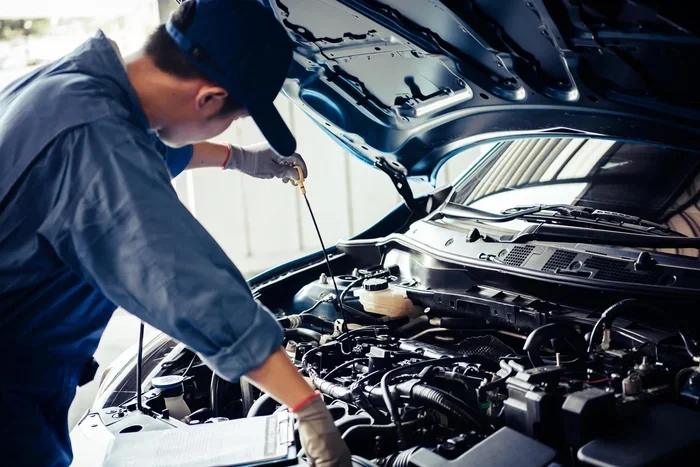
The short answer is that the buyer typically pays for most inspections. When you purchase a car, you want it to be in good shape. A pre-purchase inspection protects your investment. You pay a mechanic to check the engine, brakes, tires, and safety features. This is a personal decision, not a legal requirement in every state, but it is one of the smartest moves a buyer can make.
State-required inspections are a different story. These are mandatory inspections that ensure your vehicle meets safety and emissions standards. The vehicle inspection cost for these checks can fall on either the buyer or the seller, depending on where you live. In some states, the seller must provide a clean inspection sticker before the sale. In others, the buyer must get a new one after the purchase. Who Pays for Vehicle Inspection in these cases is written into state law. Always check your local Department of Motor Vehicles (DMV) rules before you close a deal.
Dealerships add another layer. When you buy a car from a dealer, the inspection fee is often bundled into the final price. The dealer may run a dealership inspection as part of their process. You might not see a separate line item for it. This does not mean the inspection is free. The cost is just hidden in the vehicle’s sticker price or the documentation fee. Always ask for an itemized breakdown so you know exactly what you are paying for.
Who Typically Pays for a Vehicle Inspection?
Buyer vs. Seller: The General Rule
In a private sale, the buyer almost always pays for the inspection. The seller’s job is to disclose the vehicle’s condition. They are not usually required to pay for a third-party check. However, if the sale contract says the seller must provide a passing safety inspection or emissions test, then the seller must cover that cost. This is common in states with strict smog check laws.
When you buy from a dealership, the inspection responsibility shifts. The dealer will inspect the car before putting it on the lot. They may also offer a certified pre-owned inspection. As the buyer, you are paying for that service through the vehicle’s price. You do not get a separate bill for the inspection. Who Pays for Vehicle Inspection at a dealership is baked into the transaction, so you need to read the fine print.
Private Sale vs. Dealership Purchase
Private sales are straightforward. The seller gives you the keys and the title. You then decide if you want to spend money on a pre-purchase inspection. Many buyers skip this step, but that is a risky move. A vehicle safety check can uncover major issues like a blown head gasket, worn suspension, or frame damage. Paying for this inspection upfront can save you from buying a lemon.
Dealership purchases are less transparent. The dealer handles the inspection process and adds the cost to your overall payment. You might see a vehicle preparation fee on the invoice. That fee often covers the inspection, detailing, and reconditioning work. Before you sign, ask the salesperson to explain every charge. If the inspection fee is listed separately, you can negotiate it away or compare it with other dealers.
Pre-Purchase Inspection Costs
A pre-purchase inspection typically costs between $150 and $350. The exact inspection cost breakdown depends on the vehicle type, location, and what the mechanic checks. A basic safety inspection might be on the lower end. A full diagnostic check that includes engine, transmission, and electrical systems will cost more.
Here is a quick look at what drives the price:
- Vehicle type: Luxury cars and trucks often cost more to inspect because they require specialized tools.
- Location: Inspections in big cities usually cost more than in rural areas.
- Scope of the check: A simple safety inspection is cheaper than a full emissions test plus a mechanical review.
- Station type: Independent mechanics may charge less than dealership service centers.
Always get a written estimate before the inspection starts. This protects you from surprise charges. Who Pays for Vehicle Inspection in a pre-purchase scenario is entirely up to you, the buyer. You are paying for peace of mind.
State-by-State Breakdown: Where You Might Pay
States That Require the Buyer to Pay
Many states place the inspection responsibility squarely on the buyer. In Texas, for example, vehicles must pass an annual safety inspection and an emissions test (also called a smog check). The buyer is responsible for getting the vehicle inspected and displaying the inspection sticker. The seller does not need to provide a current sticker. This means the buyer pays the full vehicle inspection cost at the time of registration.
In states like New York, the buyer must also pay for the state inspection within a set time after purchase. The seller provides a valid inspection sticker if the vehicle is less than a year old, but the buyer may still need to pay a renewal fee. The inspection fee in these states is set by the state and cannot be negotiated. You will pay the same price at any authorized station.
States Where the Seller Covers It
A few states require the seller to pay for or provide a current inspection. In California, a private seller must provide a smog certificate that proves the vehicle passed an emissions test. The seller pays for this test before the sale. If the vehicle fails, the seller must fix the issues or disclose the failure to the buyer. The buyer does not pay for the smog check in this case.
In states like Maryland, the seller must provide a valid safety inspection sticker at the time of sale. The inspection must be current and the inspection cost is the seller’s responsibility. Once the car is sold, the buyer takes over the registration and any future inspection fees. Who Pays for Vehicle Inspection in these states clearly favors the seller during the transaction.
Inspection Exemptions and Fees
Not every vehicle needs an inspection. Many states offer inspection exemptions for newer cars, electric vehicles, or vehicles over a certain age. For example, vehicles less than five years old may skip the emissions test in several states. Electric vehicles often do not need a safety inspection at all. These exemptions can save buyers hundreds of dollars in inspection fees over the life of the car.
Some states also have low-income inspection fee waivers. If you qualify, you may pay a reduced fee or nothing at all for the state inspection. Check your local DMV website to see if you are eligible. These programs are designed to help drivers stay compliant without a financial burden.
Types of Vehicle Inspections and Cost Comparison
Not all inspections are the same. Different types serve different purposes, and the cost varies widely. Understanding these differences helps you budget properly and know who should pay. Here is a quick comparison of the most common inspection types.
| Inspection Type | Who Usually Pays | Average Cost | Purpose |
|---|---|---|---|
| Pre-Purchase Inspection | Buyer | $150 – $350 | Check overall mechanical condition before buying |
| State Safety Inspection | Buyer (at registration) | $20 – $50 | Ensure vehicle meets basic safety standards |
| Emissions / Smog Check | Seller (in some states) or Buyer | $30 – $80 | Measure exhaust pollutants and compliance |
| Dealership Prep Inspection | Included in vehicle price | No separate charge | Dealer reconditioning and quality check |
| Annual / Renewal Inspection | Owner (buyer after purchase) | $20 – $50 | Maintain legal registration and sticker |
The vehicle inspection cost for a pre-purchase inspection is the highest because it is thorough. A safety inspection is quick and cheap. An emissions test falls in the middle. When you are negotiating a car deal, use this table to discuss who pays for what. If the seller refuses to provide a smog certificate, you can factor the cost into your offer. Who Pays for Vehicle Inspection becomes a powerful negotiation tool when you understand the numbers.
Smart Tips to Reduce Inspection Costs
Nobody wants to overspend on a vehicle inspection. The good news is that there are simple ways to lower your inspection fee without sacrificing quality. Here are some practical steps you can take today.
Quick Tips
- Compare stations: Call three or four inspection centers and ask for their flat rate. Independent shops often charge less than dealerships.
- Look for coupons: Many local shops offer discounts on safety inspections and smog checks. Check their websites or social media pages.
- Combine services: If your car needs an oil change or tire rotation, ask the shop to do the inspection at the same time. Bundling services can save you money.
- Check for exemptions: Verify if your vehicle qualifies for an inspection exemption. Newer cars and EVs often skip certain tests.
- Ask about bundled deals: Some dealerships offer a free inspection with a purchase or lease. Always ask before you sign any paperwork.
Common Mistakes
Avoid these common pitfalls that can lead to unexpected inspection costs:
- Skipping the pre-purchase inspection: You might save $200 now, but a hidden defect could cost you thousands later.
- Assuming the seller pays: Never assume the seller will cover the emissions test. Ask in writing and get it in the sales contract.
- Choosing the cheapest option: A very low inspection fee might mean a rushed or incomplete check. Quality matters more than price.
- Forgetting to bring paperwork: If you need a smog certificate or safety inspection sticker for the sale, bring all documents to the station to avoid extra trips.
- Ignoring state deadlines: In states where the buyer must inspect the vehicle within a certain period, late fees can add up quickly.
Expert Insights
“The biggest mistake I see is buyers who do not get a pre-purchase inspection because they think the dealer already checked the car. Dealerships do a quick reconditioning check, but it is not the same as a full mechanical inspection by an independent mechanic. Spending $250 on a pre-purchase inspection can save you from buying a car with a $3,000 problem.” — Certified Master Technician with 20 years of experience.
Another expert tip is to schedule your inspection on a weekday morning. Stations are less busy, the mechanic has more time, and you are less likely to feel rushed. If the inspection reveals issues, use the report to negotiate the price. A vehicle safety check that shows worn brakes or a failing transmission gives you leverage to ask for a discount or for the seller to cover the repair cost.
Key Takeaways: Who Pays for What?
Understanding who pays for vehicle inspection comes down to three simple rules. First, the buyer almost always pays for a pre-purchase inspection. Second, state-required inspections are the buyer’s responsibility unless the law or the sales contract says otherwise. Third, the inspection responsibility in private sales and dealership sales is different, so always clarify before you sign.
Use the comparison table above to guide your conversations. Know your state’s inspection requirements and exemptions. Compare stations to find fair inspection fees. And never skip the pre-purchase inspection if you are buying a used car. These steps put you in control of the vehicle inspection cost and protect you from surprises.
Conclusion: Who Pays for Vehicle Inspection and Why It Matters
The question of Who Pays for Vehicle Inspection does not have a one-size-fits-all answer. It depends on the type of inspection, the state you live in, and whether you are buying from a private seller or a dealer. In most cases, the buyer pays for the pre-purchase inspection and the state safety inspection. The seller may cover the smog check or emissions test in certain states, but this is not guaranteed. Who Pays for Vehicle Inspection is a detail that can affect your budget and your peace of mind.
Being informed gives you an advantage. You can negotiate better, avoid hidden fees, and make sure your car meets all legal requirements. Take the time to understand the inspection cost breakdown before you buy. Ask questions, get everything in writing, and compare your options. A little effort upfront can save you a lot of money and stress down the road. Who Pays for Vehicle Inspection is ultimately your decision, and now you have the knowledge to make it wisely.
Frequently Asked Questions
Does the seller have to pay for the inspection in a private sale?
In most private sales, the seller does not pay for the inspection. The buyer arranges and pays for a pre-purchase inspection. However, if your state requires a smog certificate or a current safety inspection sticker at the time of sale, the seller must cover that specific cost. Always check your state’s rules and include the payment terms in the written contract.
Can I negotiate who pays for the inspection with the seller?
Yes, you can negotiate. If the vehicle inspection cost is a concern, bring it up during the price negotiation. You can ask the seller to cover the emissions test or offer a lower sale price to offset the inspection fee. A pre-purchase inspection report that reveals issues also gives you leverage to ask the seller to pay for repairs or reduce the price.
How much does a typical vehicle inspection cost?
The cost varies by type and location. A pre-purchase inspection usually runs $150 to $350. A basic safety inspection costs $20 to $50. An emissions test or smog check is typically $30 to $80. Dealership inspections are bundled into the vehicle price, so you do not see a separate charge. Always ask for a written estimate before any inspection begins.
What happens if my car fails the state inspection?
If your car fails the safety inspection or emissions test, you will need to make the necessary repairs and re-test. In many states, the owner is responsible for the cost of the initial inspection and any follow-up tests. Some states offer a free or discounted re-test within a certain period. Check with your local inspection station for their specific inspection fee policy on re-tests.
Are there any exemptions from vehicle inspection fees?
Yes, many states offer inspection exemptions for newer vehicles, electric vehicles, or cars over a certain age. For example, vehicles less than five years old may skip the emissions test in several states. Electric vehicles often do not need a safety inspection. Low-income drivers may also qualify for fee waivers. Visit your state DMV website to confirm your eligibility and save on the vehicle inspection cost.
Should I get a pre-purchase inspection even if the car looks fine?
Absolutely. A pre-purchase inspection is one of the best investments you can make. A car can look perfect on the outside but hide serious mechanical or electrical problems underneath. A professional vehicle safety check can uncover issues like a failing transmission, internal engine wear, or structural damage. Paying for this inspection upfront can save you from buying a vehicle that will cost you thousands in repairs.