Is Street Parking Free Here is What You Should Know
Is street parking free? The short answer is: it depends. Many streets offer free parking, but rules, time limits, and fees vary widely by location. Understanding parking regulations, metered parking systems, and residential parking permits can save you money and help you avoid costly parking violations. This guide breaks down everything you need to know about street parking costs and restrictions.
Have you ever driven around a busy neighborhood looking for a spot, only to wonder, is street parking free? It is a question almost every driver asks at some point. The answer is not as simple as yes or no. Street parking rules vary from city to city, block to block, and even hour to hour.
Some streets let you park all day without paying a dime. Other streets charge by the hour or restrict parking during certain times. Understanding parking regulations before you pull over can save you time, money, and the hassle of a parking ticket. This guide covers everything you need to know about free street parking, paid spots, time limits, and how to find a great spot without breaking the bank.
Whether you are a daily commuter, a visitor exploring a new city, or just someone trying to park near home, this article has you covered. Let us dive into the world of street parking and find out what the deal really is.
Key Takeaways
- Street parking is not always free: Many areas charge fees, have time limits, or require permits.
- Metered parking is one of the most common ways cities regulate and charge for street spots.
- Residential parking permits can allow free or discounted street parking in certain neighborhoods.
- Street cleaning days and no parking zones are common restrictions that can result in tickets.
- Finding free street parking is possible with the right apps, timing, and knowledge of local rules.
- Parking costs vary significantly by city, neighborhood, and time of day.
- Avoiding parking tickets comes down to reading signs, understanding time limits, and paying when required.
📑 Table of Contents
How Street Parking Works
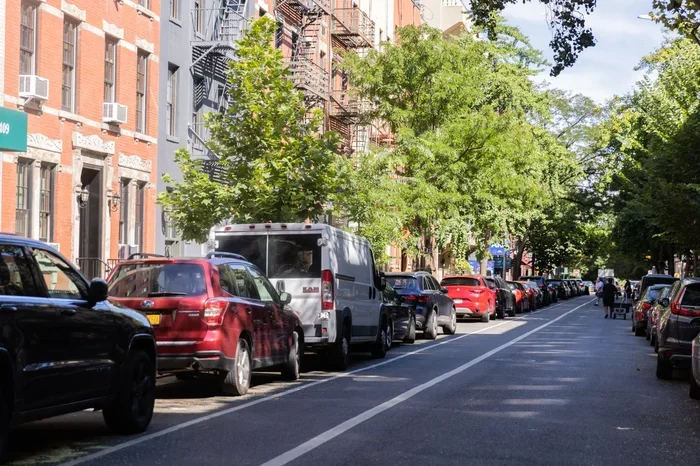
Street parking refers to any on-street space where you can legally leave your vehicle. These spots are usually located along curbs, alongside sidewalks, or in designated areas on public roads. But how they work depends entirely on the local government and the specific street.
In most cities, street parking is managed by the department of transportation or a similar agency. They set the rules, install signs, and enforce parking regulations. Some areas use metered parking systems, while others rely on residential parking permits or simply allow free parking with certain restrictions.
Types of Street Parking Spaces
Not all street parking spots are the same. Here are the most common types you will encounter:
- Standard metered spots: These have parking meters where you pay for a set amount of time. They are common in downtown areas and commercial districts.
- Free unrestricted spots: These allow parking without any payment or time limit. They are more common in residential areas or less busy streets.
- Time-limited spots: These are free but only allow parking for a certain number of hours, usually marked by signs.
- Permit-only spots: Reserved for residents or specific groups. You need a valid permit to park here.
- Handicap-accessible spots: Reserved for vehicles with disability placards or plates. These have strict rules and heavy fines for misuse.
Who Controls Street Parking?
City governments control most street parking within their boundaries. However, state highways, federal property, and certain special zones may fall under different authorities. Always check the signs posted on the street. They tell you everything you need to know about parking restrictions, fees, and time limits.
Is Street Parking Always Free?
The short answer is no. Is street parking free everywhere? Not even close. While some areas do offer free street parking, many others charge fees or impose strict rules that make it less than truly free.
Where Street Parking Is Free
In many residential neighborhoods, free street parking is the norm. These areas typically have fewer signs and less enforcement. You can often park overnight or for extended periods without paying anything. Some cities also offer free parking hours on weekends or evenings in certain zones.
Rural areas and small towns frequently have free parking along most streets. If you live in a less urban area, chances are good that street parking near your home costs nothing at all.
Where Street Parking Costs Money
Downtown business districts are the most common places where parking fees apply. Cities charge for metered parking to manage demand and keep spots available for customers and workers. These fees can range from a few cents per hour to several dollars depending on the city and location.
Some cities use dynamic pricing for street parking. This means rates change based on demand. Busy times cost more, while off-peak hours may be cheaper or even free. Cities like San Francisco and New York have implemented these systems to reduce traffic and improve parking availability.
Free vs. Paid Street Parking: A Comparison
| Feature | Free Street Parking | Paid Street Parking |
|---|---|---|
| Cost | $0 | Varies by location and time |
| Time Limits | Often none or long limits | Usually short limits (1-4 hours) |
| Enforcement | Less frequent | More frequent |
| Availability | More common in residential areas | More common in downtown areas |
| Payment Required | No | Yes, via meter or app |
| Best For | Residents, long-term parking | Short visits, downtown shopping |
Common Parking Restrictions You Need to Know
Even when street parking is free, there are almost always restrictions. Ignoring these rules can lead to parking violations, fines, or even having your car towed. Here are the most common restrictions you should know about.
Time Limits
Many streets have time-limited parking even if they are free. For example, a street might allow parking for a maximum of two hours. After that, you must move your vehicle or risk a ticket. These limits help ensure that spots turn over regularly, especially in busy areas.
Always look for signs that show the time limit. Some cities also paint curbs with colors to indicate restrictions. A red curb usually means no parking at all, while a green curb may indicate a time-limited free zone.
No Parking Zones
No parking zones are areas where you cannot park your vehicle at any time. These are typically marked with signs or painted curbs. Common no-parking zones include:
- Near fire hydrants
- In front of driveways
- At intersections
- Near bus stops
- In front of school zones during certain hours
- On crosswalks
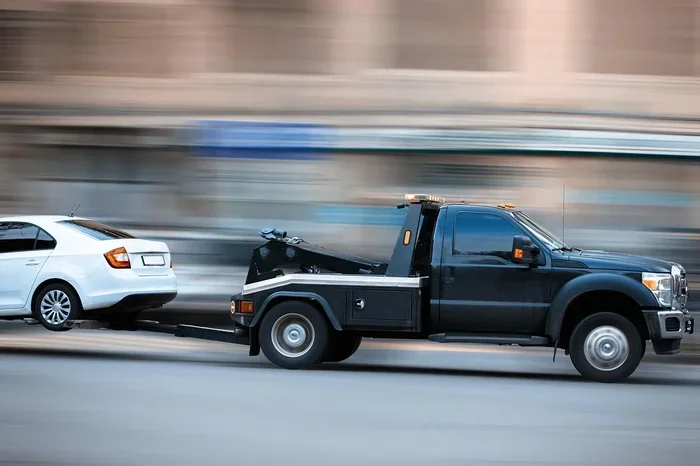
Parking in a no parking zone almost always results in a ticket. In some cases, your vehicle may be towed immediately.
Street Cleaning Days
Many cities schedule street cleaning on specific days for specific blocks. On these days, parking is often restricted or prohibited for a few hours. Signs will usually indicate the cleaning schedule and the hours when parking is not allowed.
One of the most common mistakes drivers make is forgetting about street cleaning days. Even if you think the street is free, a cleaning schedule can change everything. Always check the signs before you leave your car.
Residential Parking Permits
In many neighborhoods, residents can apply for a residential parking permit. This permit allows you to park on the street in front of your home or in designated permit zones. Without a permit, non-residents may be limited to a few hours of parking or prohibited entirely.
Residential parking permits help neighborhoods manage parking availability and reduce overcrowding. If you live in a busy area, getting a permit can be a great way to secure your spot without worrying about parking fees.
Seasonal and Special Event Restrictions
Some streets have parking restrictions that only apply during certain seasons or events. For example, a street might restrict parking during winter for snow removal. Or a neighborhood might ban street parking during a local festival or marathon.
These restrictions are usually announced in advance through city websites or local news outlets. Always check for temporary parking regulations before leaving your car in an unfamiliar area.
How to Find Free Street Parking
Finding free street parking can feel like a treasure hunt, especially in busy cities. But with the right approach, you can locate open spots without circling the block for twenty minutes.
Use Parking Apps
Several apps help drivers find available parking spots in real time. Apps like Parkopedia, SpotHero, and local city parking apps show you where open spots are and whether they are free or paid. Some apps also send alerts about parking availability in your favorite neighborhoods.
Park During Off-Peak Hours
Street parking is easiest to find during off-peak hours. Early mornings on weekdays, late evenings, and weekends often have plenty of open spots. If you are flexible with your timing, you can avoid the frustration of hunting for a space during busy hours.
Look for Residential Streets
Commercial districts are tough for parking. But just a few blocks away, residential streets often have abundant free parking. These areas typically have fewer restrictions and more open spots. Walking a little farther from your destination can save you both time and money.
Check for Free Parking Signs
Some cities post signs that indicate free parking hours or free zones. These signs may say something like “Free parking after 6 PM” or “Free all day Sunday.” Learning to spot these signs can help you take advantage of no-cost parking opportunities.
Ask Locals or Check Community Boards
If you are new to an area, ask locals where they find free street parking. Neighborhood forums, Facebook groups, and community boards often share tips about the best spots and any upcoming parking restrictions or construction that might affect availability.
Parking Costs in Different Cities
Street parking costs vary dramatically depending on where you are. A small town in the Midwest might offer completely free parking, while a major metropolitan area could charge $5 or more per hour.
Expensive Cities for Street Parking
Cities like New York, San Francisco, Chicago, and Boston are known for high parking fees. In these places, metered parking rates can climb quickly, especially in prime locations. Some of these cities also use parking enforcement cameras and officers to ensure compliance.
In New York City, for example, many streets use time-limited parking with strict enforcement. In San Francisco, the SFpark program uses dynamic pricing to adjust rates based on demand. These systems make street parking more predictable but also more expensive in high-demand areas.
Affordable Cities for Street Parking
Smaller cities and towns across the country often provide free street parking nearly everywhere. Even in larger cities, some neighborhoods offer free or very low-cost parking. The key is knowing which areas to target and when to park.
If you are visiting a new city, research parking costs before you arrive. City websites and travel guides often provide details about parking fees, free zones, and time limits. This small bit of planning can save you a lot of stress and money.
Tips for Avoiding Parking Tickets
Nobody wants a parking ticket. They are expensive, annoying, and can add up quickly if you are not careful. Here are some practical tips to help you avoid parking violations and keep your parking costs low.
Always Read the Signs
This sounds obvious, but many drivers skip it. Before you park, walk around your vehicle and read every sign on the block. Signs tell you about time limits, parking fees, street cleaning schedules, and no parking zones. Taking sixty seconds to read signs can save you a $50 or $100 ticket.
Set a Timer on Your Phone
If you are parking in a time-limited spot, set a timer on your phone. This helps you remember when you need to move your car. Forgetting about time limits is one of the top reasons drivers get parking violations.
Pay for Parking When Required
Do not skip paying for metered parking even if you think no one will notice. Parking enforcement officers are diligent, and unpaid meters are one of the most common violations. Use a parking app to pay quickly and easily without fumbling with coins.
Be Aware of Street Cleaning Days
Check the street cleaning schedule for your area. Many cities publish this information online or send alerts through parking apps. On street cleaning days, move your car or choose a different spot entirely.
Keep Your Permit Visible
If you have a residential parking permit or a handicap placard, make sure it is clearly displayed on your dashboard. An expired or hidden permit can result in a ticket even if you are otherwise eligible to park for free.
When in Doubt, Move On
If you are unsure about whether a spot is legal, keep driving. There is always another spot around the corner. The cost of a doubtful parking decision is never worth the risk of a parking violation or towing fee.
Quick Tips for Smart Street Parking
- Park facing the direction of traffic. In many places, this is the law.
- Never park more than 12 inches from the curb.
- Turn your wheels away from the street when parking on a hill.
- Do not park in front of a fire hydrant, even for a minute.
- Check for overhead signs that indicate parking restrictions for trucks or vehicles over a certain height.
- Use a parking app to pay for metered parking and receive alerts before your time expires.
Expert Insights on Street Parking
Urban planners and transportation experts agree that street parking plays a crucial role in city mobility. When managed well, it provides convenient access for residents, shoppers, and visitors. When managed poorly, it contributes to traffic congestion, double parking, and frustrated drivers.
Many cities are now moving toward smart parking systems that use sensors and data analytics to optimize parking availability. These systems reduce the time drivers spend circling for spots, which in turn reduces traffic and emissions.
Transportation experts also recommend that cities invest in clear signage and public education about parking regulations. When drivers understand the rules, they are less likely to violate them and more likely to find free street parking without frustration.
From a driver’s perspective, the best approach is simple: stay informed, read the signs, and plan ahead. A few minutes of preparation can make the difference between a smooth parking experience and a costly parking ticket.
Key Takeaways
- Street parking is not always free: Many areas charge fees, have time limits, or require permits.
- Metered parking is one of the most common ways cities regulate and charge for street spots.
- Residential parking permits can allow free or discounted street parking in certain neighborhoods.
- Street cleaning days and no parking zones are common restrictions that can result in tickets.
- Finding free street parking is possible with the right apps, timing, and knowledge of local rules.
- Parking costs vary significantly by city, neighborhood, and time of day.
- Avoiding parking tickets comes down to reading signs, understanding time limits, and paying when required.
Conclusion
Is street parking free? The answer is more nuanced than a simple yes or no. Street parking can be free in many residential areas and during certain hours, but it often comes with rules, time limits, and fees that every driver should understand. Parking regulations, metered parking systems, and residential parking permits all play a role in determining whether you will pay for a spot or not.
The best way to navigate street parking is to stay informed. Read the signs, use parking apps, and understand the parking restrictions in your area. A little knowledge goes a long way in avoiding parking violations and keeping your parking costs low.
Next time you pull up to the curb, take a moment to check the signs and understand the rules. You will park with confidence, avoid surprises, and make the most of every street parking experience. Safe travels and happy parking.
Frequently Asked Questions
Is street parking free in all cities?
No, street parking is not free in all cities. While many residential areas and smaller towns offer free parking, downtown and commercial districts often charge parking fees. Always check the signs posted on the street to understand the rules for that specific location.
How can I find free street parking near me?
You can use parking apps like Parkopedia or SpotHero to locate available parking spots in real time. Also, try parking on residential streets a few blocks away from busy commercial areas. Checking for free parking signs and parking during off-peak hours can help too.
What happens if I park in a no parking zone?
Parking in a no parking zone usually results in a parking ticket. In some cases, your vehicle may be towed. Fines vary by city and violation but can range from $30 to several hundred dollars. Always look for signs that indicate no parking zones before you leave your car.
Do I need a permit for street parking?
It depends on your location. Some neighborhoods require a residential parking permit for street parking. Without a permit, you may face time limits or be prohibited from parking entirely. Check with your local city government to find out about parking regulations in your area.
Are there free parking hours in most cities?
Many cities offer free parking hours during evenings, weekends, or holidays. Some downtown areas have free street parking after a certain time in the afternoon. Look for signs that indicate free parking schedules or check your city’s parking website for details.
How do I avoid getting a parking ticket?
To avoid a parking ticket, always read the signs before you park, pay for metered parking when required, and be aware of street cleaning days and time limits. Set a timer on your phone if you are in a time-limited spot, and make sure your permit is clearly displayed if you have one.