Why Is My Car Running Hot And How To Solve The Problem
Your car running hot can mean serious trouble for your engine if you ignore it. This guide explains the most common reasons why your car is running hot and gives you clear, step-by-step fixes you can do yourself. You will learn how to spot overheating signs early, save money on repairs, and keep your engine cool all year long.
There is nothing more stressful than seeing your temperature gauge climb into the red zone while you are driving. You wonder, why is my car running hot, and what should I do next? Overheating is one of the most common car problems drivers face, and it can turn into a major repair bill if you do not act fast. The good news is that most causes of an overheating engine are easy to spot and fix. In this guide, we will walk you through every reason your car might be running hot, what signs to watch for, and exactly how to solve the problem. Whether you are a beginner or a seasoned driver, this article will give you the knowledge you need to stay safe and keep your engine cool.
Your car’s cooling system works hard every time you turn the key. It keeps your engine temperature in a safe range so parts do not melt, warp, or crack. When something goes wrong with this system, your car overheating can cause real damage to your engine block, head gasket, and other vital parts. Understanding the root cause is the first step to fixing it and preventing it from happening again. Let us dive into the most common reasons your engine might be running hotter than it should.
Key Takeaways
- Low coolant is the #1 reason cars run hot: Check your coolant level often to keep your engine at the right temperature.
- A stuck thermostat can block coolant flow: This small part controls your engine heat, and when it fails, your car overheats fast.
- Water pump failure stops coolant from moving: Without a working water pump, your cooling system cannot do its job.
- Radiator and hose problems cause hidden leaks: Even a small crack can lead to big engine trouble over time.
- Quick action saves your engine: Pull over safely at the first sign of overheating to avoid costly damage.
- Regular maintenance prevents overheating: Simple checks and fluid changes keep your car running cool and smooth.
📑 Table of Contents
Common Reasons Why Your Car Is Running Hot
Several things can cause your engine to run hot. Some are simple fixes you can do at home, while others need a mechanic’s help. Let us look at each one in detail.
Low Coolant Level
The most common reason for overheating engine problems is low coolant. Coolant, also called antifreeze, flows through your engine and pulls away heat. When the coolant level drops too low, there is not enough fluid to carry heat away from the engine block. You might have a slow coolant leak somewhere in the system, or the coolant may just need a top-up after a long drive.
Check your coolant reservoir when the engine is cool. If the level is below the minimum line, add the right type of coolant for your car. Always use a 50/50 mix of coolant and water unless your owner’s manual says otherwise. If you keep losing coolant, look for puddles under your car or white steam coming from under the hood. These are signs of a coolant leak that needs urgent attention.
Faulty Thermostat
Your thermostat is a small valve that opens and closes to control coolant flow through the engine. When the engine is cold, the thermostat stays closed so the engine warms up fast. When it gets hot, the valve opens to let coolant circulate and pull away heat.
If the thermostat valve gets stuck in the closed position, coolant cannot flow to the radiator. The engine heats up fast, and you will see the temperature gauge climb into the red zone. A stuck thermostat is an easy and cheap fix. A mechanic can replace it in under an hour. If you notice your heater blowing cold air even when the engine is hot, your thermostat may be stuck closed.
Water Pump Failure
The water pump is the heart of your cooling system. It pushes coolant through the engine block, hoses, and radiator. Without a working water pump, coolant sits still and the engine has no way to release heat.
Water pump failure can happen from normal wear and tear over time. A whining or grinding noise near the front of your engine is a warning sign. You might also see coolant dripping under your car. If the water pump goes out completely, your engine will overheat within minutes of driving. Replacing a water pump is a more involved repair, but it is much cheaper than fixing a damaged engine.
Radiator Problems
The radiator is the big metal unit at the front of your car. Its job is to release heat from the coolant into the air. When the radiator has issues, hot coolant stays hot and your engine temperature rises.
Common radiator problems include clogged fins, damaged fins from road debris, or internal blockages. A clogged radiator hose can also stop coolant from flowing properly. If your radiator cap is worn out, it cannot maintain the right pressure inside the cooling system. A simple radiator cap replacement costs just a few dollars and can solve many overheating issues.
Cooling Fan Malfunction
Your cooling fan pulls air through the radiator when you are driving slowly or sitting in traffic. Without this airflow, the radiator cannot cool the coolant efficiently. If the fan motor, fan clutch, or fan relay fails, your car may overheat in stop-and-go traffic.
A bad fan clutch is a common cause of overheating at low speeds. The fan clutch uses a special fluid to engage and disengage the cooling fan. When it fails, the fan may not spin fast enough or at all. You might also notice the fan running constantly even when the engine is cold. Both of these signs point to a fan clutch that needs replacement.
Head Gasket Leak
A head gasket leak is one of the most serious reasons a car runs hot. The head gasket sits between the engine block and the cylinder head. It seals the combustion chambers and keeps coolant and oil from mixing. When the gasket fails, hot combustion gases can leak into the cooling system.
This creates air bubbles in the coolant and stops it from flowing properly. Signs of a head gasket leak include white smoke from the exhaust, a milky residue on your oil cap, and constant overheating even after you fix other cooling system parts. A head gasket repair is expensive, so catching the problem early can save you a lot of money.
Signs Your Car Is Overheating
Knowing the warning signs of engine overheating symptoms can help you act before serious damage happens. Do not ignore these signals.
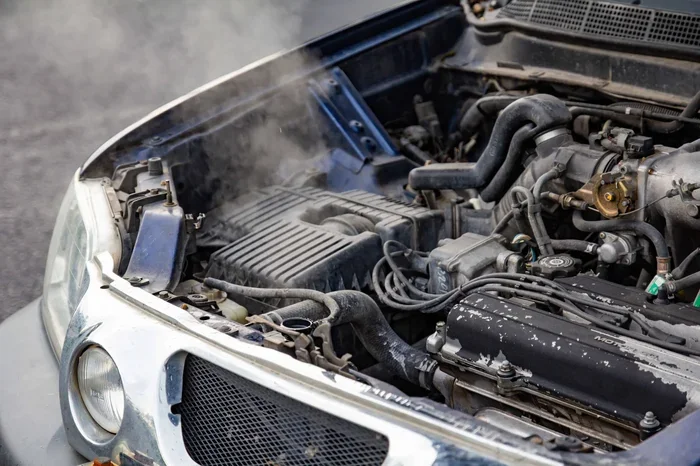
Steam or smoke from the hood: This is the most obvious sign. Steam coming from under your hood means your engine is too hot. Pull over safely and turn off the engine right away.
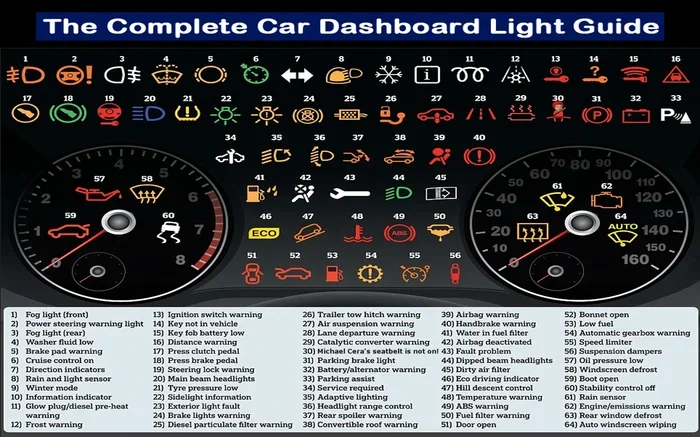
Temperature gauge in the red: Your dashboard has a temperature gauge or a warning light. If it moves into the red zone or a red light flashes, your engine is running too hot.
Strange smells: A sweet smell under your hood often means coolant is leaking. A burning smell could mean oil is overheating. Both are serious warning signs.
Coolant puddles under the car: Green, orange, or pink fluid under your parked car means you have a coolant leak. Check the level and top it up, then find the source of the leak.
Weak or no heat from the heater: If your heater blows cold air even when the engine is hot, coolant may not be flowing through the heater core properly. This is often a sign of low coolant or a blocked system.
How To Fix An Overheating Car
Once you know what is causing the problem, fixing it becomes much easier. Here are practical steps you can take right now.
- Turn off the air conditioning: AC puts extra load on the engine. Turn it off to reduce heat.
- Turn on the heater: This sounds strange, but it pulls heat away from the engine. Set it to full blast and the windows open.
- Pull over safely: If the gauge stays in the red, find a safe spot to stop. Turn off the engine and wait at least 15 minutes before opening the hood.
- Check the coolant level: Only open the radiator cap when the engine is completely cool. Use a rag to slowly twist the cap open and release pressure.
- Look for visible leaks: Check under the car for puddles. Look at hoses, the radiator, and the water pump for wet spots or drips.
- Call for help if needed: If you cannot find the cause or the engine keeps overheating, call a tow truck. Driving a hot engine can cause catastrophic damage.
For car overheating fix at home, start with the simplest solutions first. Top up the coolant, check for loose hose clamps, and make sure the radiator cap seals properly. These small steps solve many overheating problems.
Preventive Maintenance Tips
The best way to deal with why is my car running hot is to prevent it from happening in the first place. Regular maintenance keeps your cooling system working at its best.
- Check coolant level monthly: Make it a habit to check the coolant reservoir once a month. Top it up with the right type of coolant for your vehicle.
- Flush and replace coolant every 2 years: Old coolant loses its ability to transfer heat. Flush the system and refill with fresh coolant on schedule.
- Inspect hoses and clamps: Look for cracks, swelling, or soft spots in your radiator and heater hoses. Replace any hose that looks worn.
- Test the radiator cap: A bad radiator cap cannot hold the right pressure. Replace it every 2 to 3 years or when you notice corrosion.
- Keep the radiator clean: Remove bugs, dirt, and debris from the front of the radiator. Use a gentle stream of water, not a high-pressure washer.
- Listen for unusual noises: Grinding, whining, or gurgling sounds from the engine area can point to water pump or fan clutch problems.
- Monitor your temperature gauge: Keep an eye on your gauge during every drive. Catching a slow temperature rise early can prevent a full overheating event.
When To See A Mechanic
Some overheating problems are beyond a DIY fix. You should see a professional mechanic if you notice any of the following:
- The engine keeps overheating even after you refill the coolant.
- You see white smoke coming from the exhaust pipe.
- There is oil mixed with coolant or coolant mixed with oil.
- You hear loud knocking or pinging sounds from the engine.
- The temperature gauge fluctuates wildly between hot and cold.
- You smell a sweet odor inside the cabin, which could mean a leaking heater core.
A mechanic can run pressure tests on the cooling system, check for internal leaks, and inspect parts like the water pump, thermostat, and head gasket. Do not wait too long. Driving with an overheating engine can lead to a cracked engine block, warped cylinder head, or total engine failure. These repairs cost thousands of dollars and can be avoided with timely action.
Quick Tips To Remember
Here are a few quick tips to keep in mind every time you drive:
- Never open the radiator cap when the engine is hot. The pressurized coolant can burn you badly.
- Keep a bottle of coolant and a gallon of water in your trunk for emergencies.
- If you are stuck in traffic on a hot day, shift to neutral and give the engine a little extra RPM. This helps the water pump and fan work better.
- Do not ignore a small temperature rise. A small problem today becomes a big repair tomorrow.
- Keep your owner’s manual handy. It tells you the right type of coolant and the recommended maintenance schedule for your specific car.
Conclusion
Why is my car running hot is a question every driver hopes they never have to ask. But when the answer comes, you now have the knowledge to handle it with confidence. From low coolant and a stuck thermostat to a failing water pump or head gasket leak, there are many reasons your engine might be running hot. The key is to act fast, stay calm, and follow the right steps.
Regular maintenance is your best defense against overheating. Check your coolant, inspect your hoses, and listen to your engine. These simple habits can save you from expensive repairs and keep your car running smoothly for years to come. If you ever feel unsure, do not hesitate to call a trusted mechanic. Your engine is the heart of your car, and keeping it cool is the best way to protect your investment.
Now you know what to do when your car starts running hot. Share this guide with a friend or family member who drives. Being prepared makes all the difference. Stay safe on the road, and keep your engine cool.
Frequently Asked Questions
What are the main causes of engine overheating?
The main causes include low coolant, a faulty thermostat, water pump failure, radiator problems, cooling fan malfunction, and head gasket leaks. Each of these stops your cooling system from working properly and causes the engine to overheat.
Can I keep driving if my car is running hot?
No. Driving with an overheating engine can cause serious and permanent damage. Pull over safely, turn off the engine, and let it cool down. If the problem continues, call a tow truck and have the car taken to a mechanic.
How do I check my coolant level?
Make sure the engine is completely cool first. Open the hood and locate the coolant reservoir. The fluid level should be between the minimum and maximum marks. If it is low, add the correct type of coolant for your vehicle.
How much does it cost to fix an overheating car?
The cost depends on the cause. A thermostat replacement costs around $100 to $300. A water pump repair can run $300 to $750. A head gasket fix is much more expensive, often between $1,000 and $2,000. Early diagnosis saves money.
What should I do if steam comes from my hood?
Turn on the heater to full blast to pull heat from the engine. Pull over safely, turn off the engine, and wait at least 15 minutes before opening the hood. Never open the radiator cap when the engine is hot.
How often should I flush my cooling system?
Most car makers recommend flushing and replacing the coolant every 2 years or every 30,000 miles. Check your owner’s manual for the exact schedule for your vehicle. Fresh coolant keeps the cooling system working at its best.