Can You Drive a Car Without Steering Assist Safely
Yes, you can drive a car without steering assist, but it is not easy or safe for long periods. When your steering assist system fails, the steering wheel becomes extremely heavy, especially at low speeds or when parked. Understanding what causes steering assist loss and how to respond can keep you and others safe on the road.
Have you ever turned the key in your ignition and noticed that your steering wheel feels unusually heavy? Maybe you saw a warning light pop up on your dashboard and wondered what it all means. The thought of driving without steering assist can be scary, but here is the good news: you can still get behind the wheel and move the car.
Driving without steering assist is possible, but it is not something you want to do regularly. The steering wheel becomes very stiff, and turning at low speeds or parking can feel like wrestling with a heavy piece of metal. In this article, we will walk you through everything you need to know about steering assist systems, what happens when they fail, and how to stay safe.
We will cover the common causes of steering assist loss, the warning signs to watch for, repair costs, and practical tips to handle the situation. Whether you drive a modern electric vehicle or an older car with hydraulic power steering, this guide has you covered. Let us dive in and make sure you are prepared for anything.
Key Takeaways
- You can still drive: A car without steering assist is drivable in emergencies, but it requires much more physical effort.
- Warning signs matter: Recognizing early symptoms of steering assist failure helps you avoid dangerous situations.
- Common causes include: Faulty electric motors, low power steering fluid, and damaged steering racks.
- Repair costs vary: Fixing steering assist issues can range from $100 to over $1,000 depending on the problem.
- Safety first: Pull over safely if steering becomes too heavy while driving.
- Prevention helps: Regular maintenance can prevent most steering assist problems before they start.
📑 Table of Contents
- What Is Steering Assist and Why Does It Matter?
- Can You Actually Drive Without Steering Assist?
- Common Causes of Steering Assist Failure
- Warning Signs Your Steering Assist Is Failing
- Steering Assist Repair: Costs and Options
- Common Mistakes Drivers Make When Steering Assist Fails
- Expert Insights on Steering Assist Systems
- How to Prevent Steering Assist Problems
- What to Do Right Now If Steering Assist Fails While Driving
- Frequently Asked Questions
- Final Thoughts
What Is Steering Assist and Why Does It Matter?
Steering assist is a system in your car that helps you turn the steering wheel with less effort. It uses either electric motors or hydraulic fluid to reduce the force you need to apply. Without this system, every turn of the wheel would require your full arm strength.
Most modern cars come with some form of power steering. Older vehicles used hydraulic systems that relied on a pump and fluid. Newer cars often use electric power steering, which relies on a motor and electronic control unit. Both systems serve the same purpose: they make driving easier and safer.
How Electric Power Steering Works
Electric power steering, or EPS, uses an electric motor to provide assistance. A sensor detects how much force you are applying to the steering wheel. The system then adds the right amount of help based on your speed and driving conditions. At low speeds, like when parking, the assist is strongest. At highway speeds, it reduces to give you a firmer feel.
How Hydraulic Power Steering Works
Hydraulic power steering uses a pump driven by the engine. The pump pushes power steering fluid through hoses to a steering rack. This fluid pressure helps you turn the wheels smoothly. If the fluid level drops or the pump fails, the steering assist disappears quickly.
Both systems are essential for comfortable driving. When either one fails, you will notice a big difference in how the car handles.
Can You Actually Drive Without Steering Assist?
The short answer is yes. Your car will still move, steer, and stop even if the steering assist system completely fails. However, the experience is very different from normal driving. The steering wheel becomes significantly heavier, and controlling the car takes more physical effort.
At higher speeds on open roads, the steering may still feel somewhat manageable because of the natural weight of the tires and road grip. But at low speeds, in parking lots, or during tight turns, you will feel every ounce of resistance. This is especially true for larger vehicles like SUVs and trucks.
Is It Safe to Drive Without Steering Assist?
Driving without steering assist is not ideal, but it can be done safely if you take the right precautions. Here are some important things to keep in mind:
- Reduce your speed: Drive slower than usual to give yourself more time to react.
- Avoid sudden turns: Make gentle, gradual turns instead of sharp maneuvers.
- Pull over if needed: If the steering becomes too difficult, find a safe spot to stop.
- Use both hands: Keep both hands on the wheel for maximum control.
- Turn on hazard lights: Alert other drivers that your car may be moving unusually.
The key is to stay calm and not panic. Many drivers have safely reached a repair shop after experiencing a steering assist failure. The trick is to treat it as a temporary situation and not a permanent one.
When You Should Not Drive
There are times when driving without steering assist is simply too dangerous. If the steering wheel locks up completely, you should not attempt to move the car. Similarly, if you are on a busy highway or in heavy traffic, it is safer to call for roadside assistance. Your safety and the safety of others always come first.
Common Causes of Steering Assist Failure
Understanding why steering assist fails can help you prevent it from happening in the first place. Several components can cause problems, and each one has its own set of symptoms and repair needs.
1. Faulty Electric Power Steering Motor
The electric motor that provides steering assist can wear out over time. When it fails, the system stops sending assistance to the steering wheel. This is one of the most common causes of steering assist loss in modern cars. You may notice a grinding noise or a sudden increase in steering effort before the motor completely dies.
2. Low Power Steering Fluid
For cars with hydraulic steering, low fluid levels are a frequent culprit. Leaks in the hoses, pump, or steering rack can cause the fluid to drain slowly. When the fluid drops below a certain level, the pump cannot build enough pressure to provide assist. You might hear a whining noise when turning the wheel if the fluid is low.
3. Damaged Steering Rack
The steering rack connects the steering wheel to the front wheels. If it becomes damaged or worn, it can affect the steering assist system. A leaking rack or a bent rack from an accident can cause the assist to fail. Steering rack damage often requires professional repair or replacement.
4. Failed Steering Assist Module
In cars with electronic steering systems, the steering assist module controls the electric motor. If this module has a software glitch or electrical fault, it may stop working. Sometimes a simple reset or update can fix the problem, but other times the module needs to be replaced entirely.
5. Blown Fuse or Wiring Issues
Electrical problems are surprisingly common in steering assist systems. A blown fuse, corroded connector, or damaged wire can cut power to the assist motor. These issues are often easy to diagnose with a basic diagnostic tool, but they can be tricky to locate without professional help.
6. Faulty Vehicle Stability Control System
Many modern cars link the steering assist system to the vehicle stability control system. If the stability control system detects a problem, it may disable the steering assist as a safety measure. In this case, you will need to address the stability control issue first before the steering assist returns.
Warning Signs Your Steering Assist Is Failing
Steering assist problems rarely come out of nowhere. Your car usually gives you plenty of warning signs before a complete failure. Recognizing these signs early can save you from a dangerous situation on the road.
Dashboard Warning Lights
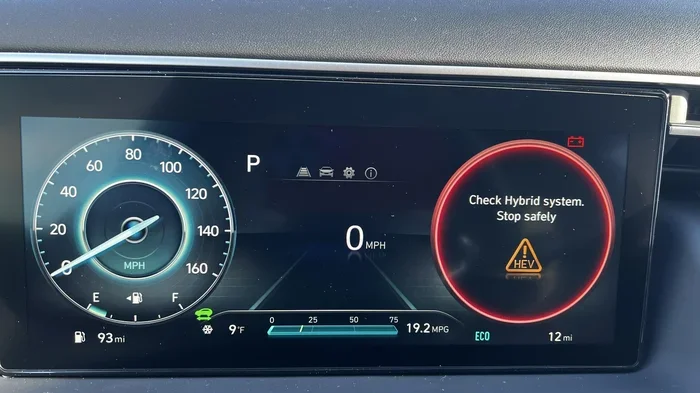
The most obvious sign is a warning light on your dashboard. Many cars display a steering assist warning symbol that looks like a steering wheel with an exclamation point. If you see this light, do not ignore it. Pull over safely and check your owner’s manual for guidance.
Heavy or Stiff Steering Wheel
If the steering wheel suddenly feels much harder to turn, that is a clear sign of steering assist loss. You may notice it first when parking or making tight turns. The stiffness may come and go at first, but it usually gets worse over time.
Unusual Noises
Listen for strange sounds when you turn the wheel. A whining, groaning, or grinding noise can indicate problems with the power steering pump, motor, or rack. These noises often appear before the assist completely fails.
Steering Wheel Vibrations
Vibrations in the steering wheel, especially at higher speeds, can signal a problem with the steering system. This could be related to the steering assist motor or other components like the steering rack or tie rods.
Inconsistent Steering Feel
If the steering feels different at different speeds or temperatures, it could be a sign of a failing steering assist system. The system should provide consistent help across all driving conditions. Any noticeable changes in how the steering feels deserve your attention.
Steering Assist Repair: Costs and Options
When steering assist fails, the cost of repair depends on the cause. Some fixes are inexpensive and quick, while others require more extensive work. Here is a general breakdown of what you can expect.
| Repair Type | Estimated Cost | Difficulty Level |
|---|---|---|
| Power steering fluid top-up | $50 – $150 | Easy |
| Fuse or wiring replacement | $50 – $200 | Moderate |
| Electric power steering motor replacement | $300 – $800 | Moderate to Hard |
| Steering rack replacement | $500 – $1,500 | Hard |
| Steering assist module replacement | $400 – $1,200 | Moderate to Hard |
| Hydraulic pump replacement | $400 – $900 | Moderate |
These costs can vary based on your car model, location, and the mechanic you choose. Labor rates are typically higher in urban areas, and luxury vehicles generally cost more to repair than economy cars. Always ask for a detailed estimate before approving any work.
Quick Tips for Steering Assist Emergencies
- Keep your owner’s manual in the glove box. It has specific guidance for your car model.
- Practice turning the wheel with the engine off in a safe, empty parking lot so you know what to expect.
- Keep a roadside assistance membership. It can be a lifesaver when steering assist fails far from home.
- Check your power steering fluid level regularly as part of routine maintenance.
Common Mistakes Drivers Make When Steering Assist Fails
When steering assist suddenly stops working, many drivers make mistakes that can make the situation worse. Here are some common errors to avoid:
- Panicking and making sudden movements: A jerky steering input can cause loss of control. Stay calm and turn smoothly.
- Ignoring the warning light: Some drivers see the warning and keep driving for days. This can lead to further damage and dangerous situations.
- Trying to drive long distances: While short trips to a repair shop are okay, driving 50 miles without steering assist is risky and exhausting.
- Over-tightening the steering wheel: Gripping the wheel too hard causes arm fatigue and reduces your ability to make fine adjustments.
- Delaying repairs: Putting off steering repairs can lead to more expensive fixes and unsafe driving conditions.
Avoiding these mistakes can make a big difference in how safely you handle a steering assist failure. The goal is to get to a repair shop with minimal risk.
Expert Insights on Steering Assist Systems
Automotive experts agree that steering assist technology has improved dramatically over the past two decades. Modern systems are more reliable than older ones, but they are also more complex. When something goes wrong, diagnosing the issue often requires specialized tools and expertise.
Many mechanics recommend treating steering assist warnings as urgent but not always emergencies. If the light comes on and the steering still feels normal, you can usually drive to the nearest shop safely. But if the steering becomes heavy or unresponsive, pull over immediately and seek help.
Experts also stress the importance of regular maintenance. Checking fluid levels, inspecting wiring connections, and keeping the steering system clean can prevent many common problems. A few minutes of preventive care can save you from a costly and stressful repair down the road.
How to Prevent Steering Assist Problems
The best way to deal with steering assist failure is to prevent it from happening in the first place. Regular maintenance and smart driving habits go a long way toward keeping your steering system in top shape.
- Check power steering fluid regularly: Top it off as needed and look for leaks under your car.
- Get routine inspections: Have a mechanic check the steering system during oil changes and scheduled services.
- Drive smoothly: Avoid hitting potholes and curbs aggressively, as these can damage the steering rack and alignment.
- Address warning signs early: Do not ignore unusual noises, stiffness, or warning lights. Early action prevents bigger problems.
- Keep software updated: For cars with electronic steering systems, software updates from the dealer can fix known issues.
Taking these simple steps can extend the life of your steering assist system and keep you safe on every trip.
What to Do Right Now If Steering Assist Fails While Driving
If you are driving and the steering assist suddenly stops, here is exactly what you should do:
- Stay calm and grip the wheel firmly with both hands.
- Slow down gradually by easing off the accelerator.
- Turn on your hazard lights to alert other drivers.
- Steer smoothly and avoid sudden movements.
- Find a safe place to pull over, away from traffic.
- Turn off the engine, wait a few seconds, and restart.
- If the assist does not return, call for roadside assistance.
Following these steps gives you the best chance of handling the situation safely. Remember, the car is still steerable without assist, but it requires more effort and patience.
Frequently Asked Questions
Can you drive a car without steering assist for a long distance?
You can, but it is not recommended. Driving long distances without steering assist is physically exhausting and can be dangerous. The heavy steering wheel makes it hard to react quickly in emergencies. If you must drive a short distance, do so slowly and carefully, and get the car repaired as soon as possible.
What causes steering assist to turn off while driving?
Several things can cause steering assist to shut off mid-drive. A blown fuse, faulty electric motor, low power steering fluid, or a problem with the steering assist module are the most common causes. Sometimes the system shuts off as a safety precaution when it detects a fault. A diagnostic scan can pinpoint the exact reason.
Is it expensive to fix steering assist problems?
The cost depends on what is causing the issue. Simple fixes like topping off fluid or replacing a fuse are affordable, usually under $200. More complex repairs like replacing the steering motor or rack can cost between $300 and $1,500. Getting a proper diagnosis from a trusted mechanic is the first step to understanding the cost.
Can low battery cause steering assist to fail?
Yes, in cars with electric power steering, a weak or dying battery can cause the system to malfunction. The electric motor needs a steady electrical supply to work properly. If the battery voltage drops too low, the steering assist may reduce or stop entirely. Jump-starting the car or replacing the battery often fixes this problem.
Does steering assist failure affect the brakes?
Steering assist and braking systems are separate, so a steering assist failure does not directly affect your brakes. However, the extra effort needed to steer can be distracting and make it harder to focus on braking in an emergency. Always have both systems checked if you experience any issues.
Can I reset the steering assist system myself?
In some cases, yes. Turning the car off, waiting 30 seconds, and restarting can reset minor electronic glitches. You can also try disconnecting the battery for a few minutes and reconnecting it. However, if the problem persists after a reset, you need professional diagnosis. A reset is a quick fix, not a permanent solution for serious issues.
Final Thoughts
So, can you drive a car without steering assist? The answer is yes, but with important caveats. Driving without steering assist is doable in short bursts and emergency situations, but it is not something you should make a habit of. The heavy steering wheel, reduced control, and increased fatigue make it a risky choice for regular driving.
Understanding your car’s steering assist system, recognizing warning signs early, and knowing what to do when things go wrong can make all the difference. Regular maintenance, prompt repairs, and safe driving habits will keep your steering system working the way it should.
If you ever find yourself dealing with a steering assist failure, stay calm, drive carefully, and get to a repair shop as soon as you safely can. Your steering system is one of the most important parts of your car, and taking care of it means taking care of yourself and everyone else on the road. Drive safe, stay alert, and never ignore the signs your car is trying to tell you.