Can You Drive With Your High Beams On All the Time
Can you drive with your high beams on all the time? The short answer is no. Using high beams constantly is both unsafe and often illegal. High beams are designed for specific situations like dark rural roads and empty highways. When you leave them on all the time, you create dangerous glare for other drivers. This guide covers the legal rules, safety risks, and proper headlight settings so you can drive smart at night.
Have you ever wondered whether it is okay to just leave your high beams on and forget about them? It seems simple enough. You turn them on, they light up the road, and you can see better. But the truth is that driving with high beams on all the time is a bad idea. It is dangerous, it can get you pulled over, and it can blind other drivers on the road.
Many drivers do not fully understand how their headlight settings work. They know that high beams shine brighter, but they do not always know when to use them. This article breaks it all down. You will learn about the legal rules, the safety risks, and the best times to use your high beams. By the end, you will know exactly how to handle your lights the right way.
Key Takeaways
- High beams should not be used all the time: They are meant for specific low-traffic driving conditions only.
- It is often illegal: Most states and countries have laws against leaving high beams on when they blind other drivers.
- Safety risks are real: Constant use of high beams causes glare, reduces reaction time, and increases accident risk.
- Automatic high beams help: Modern vehicles come with smart systems that switch between high and low beams automatically.
- Know when to switch: Use high beams on dark rural roads and highways with no oncoming traffic.
- Common mistakes cost lives: Forgetting to switch back to low beams is a frequent driver error.
📑 Table of Contents
What Are High Beams and How Do They Work?
Before you can understand the rules, you need to know what high beams actually are. Your vehicle has two main headlight settings: low beams and high beams. Each one serves a different purpose. The beam pattern of each setting is designed for specific driving situations.
Low Beams vs High Beams
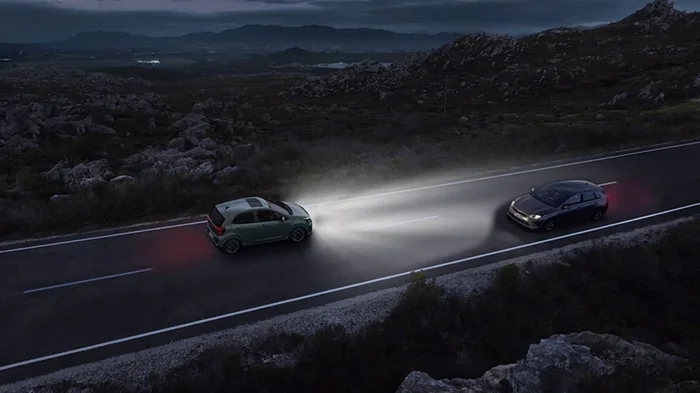
Low beams point slightly downward. They light up the road directly in front of your car without shining into the eyes of other drivers. These are the lights you use most of the time. High beams, on the other hand, point straight ahead. They shine brighter and farther down the road. This gives you much better road visibility in very dark areas.
The difference in light output is significant. Low beams typically light up about 160 to 200 feet ahead. High beams can light up 350 to 500 feet or more. That extra distance matters a lot when you are driving fast at night. But it also means that the bright light can reach the eyes of drivers coming toward you.
How Do You Switch Between Them?
Switching between low beams and high beams is easy. Most vehicles have a lever on the steering column. You push it forward or pull it back. A blue icon on your dashboard indicator lets you know when the high beams are active. Some newer cars have buttons on the steering wheel instead. No matter the method, the goal is the same. You need to be able to switch quickly when conditions change.
Is It Legal to Drive With High Beams On All the Time?
The short answer is no. In most places, it is against the law to drive with your high beams on when they affect other drivers. The exact traffic laws vary by state and country, but the core rule is the same. You must dim your lights when approaching other vehicles.
State and Federal Regulations
In the United States, headlight regulations are set by each state. However, federal standards from the Department of Transportation set baseline rules. Most states require drivers to use low beams when following another vehicle within 200 to 300 feet. You must also switch to low beams when an oncoming vehicle is within 500 feet.
Some states have specific wording in their traffic laws. For example, many states state that you must use dimmed headlights within a certain distance of another vehicle. Violating these rules can result in a traffic ticket. In some cases, repeated offenses can lead to fines or even points on your license.
International Rules
If you are driving abroad, the rules are similar but may differ. In most European countries, driving with high beams on in urban areas is strictly prohibited. In Australia and Canada, the rules mirror those in the US. The general principle is the same everywhere. You must not blind other drivers with your light output. Always check the local traffic laws before driving in a new country.
The Risks of Driving With High Beams On Constantly
Leaving your high beams on all the time is not just illegal. It is also very dangerous. The risks go beyond just getting a ticket. Let us look at the real dangers.
Blinding Other Drivers
This is the biggest risk. When your high beams shine directly into another driver’s eyes, it can cause temporary blindness. A driver who is blinded cannot see the road clearly. They may not see pedestrians, animals, or obstacles. This is especially dangerous on rural roads where there are no street lights. One moment of glare can lead to a serious accident.
Even a brief flash of high beams can take a driver several seconds to recover from. At highway speeds, several seconds of impaired vision means your car travels a long way blind. This is why glare reduction is so important for nighttime driving safety.
Reduced Visibility for You Too
Here is something many drivers do not expect. Leaving your high beams on in areas with fog, rain, or snow can actually reduce your own visibility. The bright light reflects off the moisture in the air and creates a wall of glare. This is why fog lights are a better choice in bad weather. High beams work best in clear, dry conditions on dark roads.
Increased Accident Risk
Studies show that improper use of headlights contributes to nighttime accidents. Drivers who leave their high beams on are more likely to be involved in collisions. The glare distracts other drivers and makes it harder for everyone on the road to react quickly. Safe headlight usage is one of the simplest ways to reduce your risk of an accident.
When Should You Use High Beams?
Now that you know the risks, let us talk about when you should use your high beams. The key is to use them only when they are safe and appropriate.
Best Situations for High Beams
There are specific times when high beams are the right choice:
- Dark rural roads: When you are driving on country roads with no street lights and no other cars around.
- Empty highways: On long stretches of highway where there is no oncoming traffic and no vehicles ahead of you.
- Poorly lit parking areas: When pulling into a dark parking lot or garage with no other cars nearby.
- Open desert or mountain roads: Areas with very little traffic and no ambient light.
When to Switch to Low Beams
You should switch back to low beams in these situations:
- When approaching oncoming traffic: Switch to low beams at least 500 feet before the other vehicle reaches you.
- When following another vehicle: Drop to low beams within 200 to 300 feet of the car ahead of you.
- In fog, rain, or snow: Use fog lights or low beams instead. High beams will reflect off the precipitation and make things worse.
- In city or suburban areas: Street lights provide enough illumination. Low beams are almost always sufficient.
- When driving behind a large vehicle: The high beams will reflect off the back of trucks and buses and blind you.
The Three-Second Rule for High Beams
A good habit to build is the three-second rule. When you see any headlights ahead of you or in your rearview mirror, give yourself three seconds to switch to low beams. This simple habit can prevent you from blinding other drivers. It also keeps you from getting a ticket. Over time, switching becomes second nature.
Automatic High Beams: A Modern Solution
Many new vehicles come equipped with automatic high beams. These systems use sensors to detect other vehicles on the road. When a car is approaching or ahead of you, the system automatically dims your lights to low beams. When the road is clear, it switches back to high beams.
How Do Automatic High Beams Work?
The system uses a camera or sensor mounted on the dashboard or rearview mirror area. It scans the road ahead for the light output of other vehicles. When it detects headlights, it sends a signal to switch your lights. This all happens instantly and without any input from the driver.
Adaptive driving beams are an even more advanced version. These systems can adjust the beam pattern to avoid shining light directly at other drivers while still lighting up the road. This technology is becoming more common in newer LED headlights and high intensity discharge systems.
Are Automatic Systems Perfect?
While automatic high beams are very helpful, they are not perfect. The sensors can sometimes fail to detect smaller vehicles like motorcycles. They may also struggle in heavy rain or fog. It is still your responsibility as a driver to monitor your headlight settings and adjust them when needed. Never assume the automatic system will handle everything.
Common Mistakes Drivers Make With High Beams
Even experienced drivers make mistakes with their high beams. Here are the most common errors and how to avoid them.
Forgetting to Switch Back to Low Beams
This is the most common mistake. You turn on your high beams on a dark road, and then you forget to turn them off when other cars appear. One easy fix is to make it a habit to check your dashboard indicator every few minutes. If the blue light is on and there are other cars around, switch to low beams right away.
Using High Beams in Fog
Many drivers think brighter lights mean better visibility. But in fog, high beams actually make things worse. The light bounces off the water droplets and creates a bright white wall in front of you. Always use low beams or fog lights in foggy conditions.
Not Cleaning Your Headlights
Dirty headlights reduce your light output significantly. A cloudy or yellowed headlight lens can cut your visibility by up to 50 percent. Regularly clean your headlights with a mild cleaner and a soft cloth. If the lenses are severely worn, consider replacing them or using a headlight restoration kit.
Misalignment of Headlights
If your headlights are not properly aligned, even the correct beam pattern will not work as intended. Misaligned high beams can shine into the eyes of oncoming drivers even when you are using low beams. Have your headlight alignment checked during regular vehicle maintenance.
Key Takeaways
- High beams are not for all-the-time use: They are designed for specific low-traffic, dark road conditions only.
- It is usually illegal to leave them on: Most traffic laws require you to dim your lights when other vehicles are near.
- Safety risks include blinding other drivers: Glare from high beams can cause temporary blindness and serious accidents.
- Use them on dark rural roads and empty highways: These are the best situations for high beam use.
- Switch to low beams when following or approaching traffic: Follow the distance guidelines to stay safe and legal.
- Automatic systems are helpful but not foolproof: Always stay alert and adjust your lights manually when needed.
- Maintain your headlights: Clean lenses and proper alignment ensure your headlight settings work as intended.
Conclusion
So, can you drive with your high beams on all the time? The answer is a clear no. Leaving your high beams on constantly is unsafe, often illegal, and disrespectful to other drivers on the road. Your headlight settings are tools designed for specific situations. Using them correctly makes the roads safer for everyone.
The next time you are out driving at night, pay attention to your headlights. Make sure you are using the right beam pattern for the conditions. If your vehicle has automatic high beams, great. But do not rely on them blindly. Stay aware, switch your lights when needed, and always keep glare reduction in mind.
Safe nighttime driving starts with simple habits. Using your lights correctly is one of the easiest and most effective things you can do. Take a moment to review your headlight settings today. Your eyes, and the eyes of every other driver on the road, will thank you.
Frequently Asked Questions
Can You Get a Ticket for Leaving Your High Beams On?
Yes, you can. Many states have laws that prohibit driving with high beams on when they affect other drivers. If an officer pulls you over, you could receive a traffic ticket. The fine varies by location, but it is usually not a huge amount. More importantly, getting a ticket is a sign that you were driving unsafely.
What Is the Proper Distance to Switch From High Beams to Low Beams?
The general rule is to switch to low beams when you are within 500 feet of an oncoming vehicle and within 200 to 300 feet of a vehicle ahead of you. These distances give other drivers enough time to adjust to the glare and keep everyone safe on the road.
Do Automatic High Beams Really Work Well?
Yes, they work quite well in most situations. The sensors detect other vehicles and switch your lights automatically. However, they are not perfect. The system may not detect motorcycles or bicycles in some cases. It can also struggle in heavy rain or fog. Always stay alert and be ready to adjust your headlight settings manually.
Can Leaving High Beams On Damage Your Headlights?
Leaving your high beams on for extended periods can cause the bulbs to wear out faster. The high intensity discharge or LED elements run hotter when used at full power for long periods. It is best to use high beams only when needed to extend the life of your headlights.
Are High Beams the Same as Fog Lights?
No, they are not the same. High beams shine straight ahead and are meant for dark, clear roads. Fog lights are mounted lower and have a wide, flat beam pattern designed to cut through fog and rain. Using high beams in fog creates dangerous glare. Always use fog lights or low beams in foggy conditions.
Is It Illegal to Flash Your High Beams at Other Drivers?
It depends on where you are and why you are flashing. In some places, flashing your high beams to warn oncoming drivers about hazards is legal and even encouraged. However, using high beams aggressively to intimidate other drivers is not acceptable. Check your local traffic laws to understand the rules in your area.
=== CONCLUSION ===
Driving with your high beams on all the time is a mistake that many drivers make. It is easy to forget to switch your lights, especially on long dark drives. But taking a few extra seconds to adjust your headlight settings can save lives. Remember to use high beams only on dark roads with no other traffic. Switch to low beams when you see approaching vehicles or when you are following someone closely.
Your vehicle’s headlights are one of the most important safety features you have. Treat them with respect. Understand how they work, know the legal rules, and always think about the other drivers around you. With the right habits and a little awareness, you can make nighttime driving safer for everyone on the road.