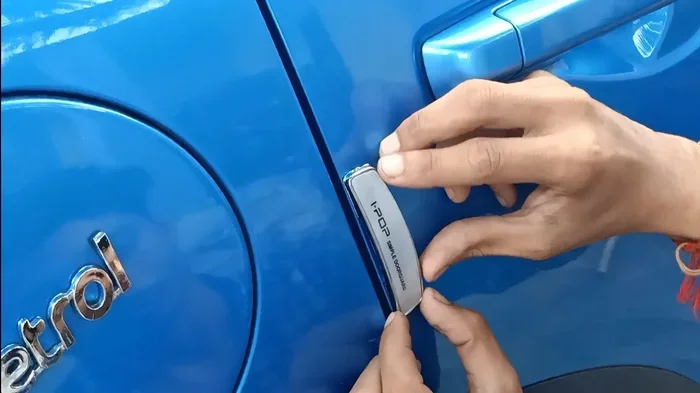
Car Door Protector Guard Tips for Every Vehicle Owner
A car door protector guard is one of the simplest yet most effective ways to keep your vehicle looking great. Whether you park in tight spaces or deal with noisy doors, this small accessory solves big problems. In this guide, you will learn everything about car door protector guards, from types and installation to common mistakes and real benefits. Let us help you protect your car the smart way.
Every vehicle owner knows the frustration of a scratched or dented car door. You park carefully, but another car swings open and ruins your paint. Or maybe your own door hits the wall in a tight garage. These small accidents add up fast. That is where a car door protector guard comes in. This simple tool can save you time, money, and a lot of stress. In this article, we will walk you through everything you need to know about protecting your car doors.
If you have ever wondered what a door protector guard is or how it works, you are in the right place. We will cover the different types, how to pick the right one, and how to install it properly. We will also share common mistakes and real benefits that make this accessory a must-have. By the end, you will feel confident about keeping your vehicle safe and looking new.
Key Takeaways
- Prevents dents and scratches: A car door protector guard shields your doors from impacts, door dings, and scratches in parking lots.
- Easy to install: Most door protector guards use adhesive backing or clip-on designs that take just minutes to apply.
- Saves money long term: By avoiding door damage, you reduce costly repairs and maintain your vehicle’s resale value.
- Multiple types available: From rubber strips to foam pads and magnetic guards, there is a protector for every need and budget.
- Works for all vehicles: Cars, SUVs, trucks, and even minivans can benefit from door edge protection.
- Reduces noise: Many protectors also soften the slam of car doors, making your ride quieter and more comfortable.
📑 Table of Contents
- What Is a Car Door Protector Guard and Why Do You Need One?
- Types of Car Door Protector Guards Available
- How to Choose the Right Car Door Protector Guard for Your Vehicle
- Step-by-Step Installation Guide for Car Door Protector Guards
- Common Mistakes to Avoid When Using a Car Door Protector Guard
- Benefits of Using a Car Door Protector Guard
- Expert Insights on Car Door Protection
- Key Takeaways
- Conclusion
What Is a Car Door Protector Guard and Why Do You Need One?
A car door protector guard is a device made to shield your car doors from damage. It usually attaches to the door edge or the door panel. The guard absorbs impact when doors bump into walls, other cars, or garage frames. Think of it as a bumper for your door.
You might wonder why this matters so much. Car doors are exposed to damage every single day. Parking in crowded lots, driving through tight spaces, or even opening your door in a windy spot can cause harm. Over time, these small hits lead to chips, scratches, and dents. A door edge protector acts as a barrier between your car and the world.
Here are the main reasons every vehicle owner should consider a car door guard:
- Door dents and dings: When another car hits yours in a parking lot, the guard takes the hit.
- Scratch prevention: The protector stops keys, bags, and other objects from scratching your paint.
- Garage wall damage: If you often bump the garage wall, a guard saves both your door and the wall.
- Noise reduction: Many protectors soften the door slam, making your car quieter inside.
- Resale value: A well-protected car door looks better and holds its value longer.
Most car door protector guards are made from rubber, foam, silicone, or plastic. They come in strips, pads, or full panels. Some use strong adhesive to stick to the door edge. Others clip on or use magnetic strips. The best part? They are affordable and easy to find online or at auto parts stores.
Who Benefits Most from Door Protection?
Almost anyone who drives can benefit from a door protector strip. But some drivers need it more than others. If you park in tight spaces daily, you will love the extra layer of protection. Families with young kids often need guards because children love to swing car doors wide open. Commercial drivers, rideshare operators, and anyone who parks in crowded garages should also consider this simple upgrade.
Types of Car Door Protector Guards Available
Not all door protectors are the same. There are several types on the market, and each one serves a different purpose. Let us break them down so you can find the best fit for your vehicle.
Rubber Door Edge Protectors
Rubber door edge protectors are the most popular type. They look like a long strip that wraps around the door edge. The rubber material is flexible and durable. It absorbs shocks and prevents scratches. These protectors usually come with adhesive backing, so you just peel and stick.
Rubber guards work great for daily drivers. They are weather-resistant and can handle rain, sun, and heat. Most last for several years without peeling off. You can find them in black, which matches most car colors, or in clear options that blend in better.
Foam Door Protector Pads
Foam door protector pads are softer than rubber. They are great for light protection. These pads are usually thicker and provide cushioning for minor bumps. They work well for garage use where doors hit walls at low speed.
However, foam pads may not last as long as rubber ones. They can compress over time and lose their shape. Still, they are a budget-friendly option and easy to replace.
Magnetic Car Door Guards
Magnetic car door guards use magnets to stick to the door edge. They are easy to remove and reposition. This makes them great for people who want a temporary solution or who switch between cars.
Magnetic guards often look sleek and do not damage the paint. You just place them on the door edge and they stay put. The downside is that they may not hold as firmly as adhesive options in rough conditions.
Silicone Door Seal Protectors
Silicone door seal protectors focus on the rubber seal around the door. They keep the seal from cracking and wear. These protectors also help with water leaks and noise. Silicone is a great material because it is flexible, long-lasting, and easy to clean.
Full Door Cover Protectors
Full door cover protectors wrap around the entire door panel. They offer the most coverage. These are often used on trucks, SUVs, and vehicles that see heavy use. Full covers protect against scratches, dents, and even UV damage.
Comparison Table
| Type | Best For | Durability | Ease of Install | Price Range |
|---|---|---|---|---|
| Rubber Edge Protector | Daily drivers, all weather | High | Very Easy | $5-$15 per strip |
| Foam Pad | Light bumps, garage use | Medium | Very Easy | $3-$10 per pad |
| Magnetic Guard | Temporary use, renters | Medium | Easy | $8-$20 per set |
| Silicone Seal Protector | Seal maintenance, leaks | High | Easy | $5-$12 per strip |
| Full Door Cover | Heavy use, trucks, SUVs | Very High | Moderate | $15-$40 per cover |
How to Choose the Right Car Door Protector Guard for Your Vehicle
Picking the right car door protector guard can feel overwhelming with so many options. But it does not have to be. You just need to think about a few key factors before buying.
Consider Your Driving Environment
Where do you park most often? If you park in tight city spots, go for a durable rubber edge protector. If you have a garage at home, foam pads or silicone seal protectors work well. If you drive in harsh weather, choose weather-resistant materials like rubber or silicone.
Check Compatibility with Your Vehicle
Not all protectors fit every car. Measure your door edge before buying. Most products list compatible vehicle models. Make sure the protector fits your door size and shape. SUVs and trucks may need wider or longer strips than sedans.
Think About Installation
Some protectors need adhesive. Others clip on or use magnets. If you want a quick fix, go for adhesive or magnetic options. If you want something permanent and strong, choose rubber edge guards with strong bonding tape.
Set a Budget
Door protectors range from a few dollars to over forty dollars per set. You do not need to spend a lot to get good protection. A basic rubber strip can cost as little as five dollars and still do a great job.
Look for Quality Materials
Not all protectors are made equal. Cheap foam may fall apart fast. Low-quality adhesive can leave residue on your paint. Look for protectors made from high-grade rubber, silicone, or automotive-grade foam. Read reviews from other car owners before you buy.
Step-by-Step Installation Guide for Car Door Protector Guards
Installing a car door protector guard is one of the easiest car maintenance tasks you can do. Most products come with clear instructions. Here is a simple step-by-step guide that works for most adhesive and clip-on protectors.
Step 1: Clean the Door Edge
Start by cleaning the door edge thoroughly. Use rubbing alcohol or a mild car cleaner. Wipe away dirt, dust, and grease. Let the surface dry completely. A clean surface helps the adhesive stick better and last longer.
Step 2: Measure and Cut
Hold the protector strip along the door edge. Mark where it needs to be cut. Most strips can be trimmed with scissors. Make sure you measure twice and cut once to get the right fit.
Step 3: Peel and Apply
Remove the backing from the adhesive side. Start at the top of the door and press the protector down slowly. Work your way to the bottom. Use your fingers or a soft cloth to press out any air bubbles. Apply even pressure for a strong bond.
Step 4: Press and Hold
After applying, press the strip firmly for about thirty seconds. Some products recommend waiting twenty-four hours before closing the door fully. This lets the adhesive set properly.
Step 5: Check the Fit
Open and close the door a few times. Make sure the protector sits flush and does not interfere with the door seal. If it sticks out or feels rough, adjust it while the adhesive is still soft.
Quick Tip: Apply the protector on a warm day. Warm temperatures make the adhesive more flexible and help it bond better.
Common Mistakes to Avoid When Using a Car Door Protector Guard
Even though installing a car door protector guard is simple, there are some common mistakes that can reduce its effectiveness. Here is what to watch out for.
Skipping Surface Preparation
The biggest mistake is not cleaning the door edge properly. Dirt and grease prevent the adhesive from sticking. Always clean and dry the surface before applying any protector.
Choosing the Wrong Size
Buying a protector that is too short or too long leads to poor coverage. Measure your door edge carefully and match it to the product specifications. A too-short guard leaves gaps where damage can still occur.
Ignoring the Adhesive Quality
Cheap adhesive protectors may peel off after a few weeks. Look for products with strong 3M adhesive or similar high-quality bonding tape. This ensures your guard stays in place through all seasons.
Forcing the Protector Into Place
If the protector does not fit easily, do not force it. You may need to trim it or choose a different model. Forcing it can cause wrinkles, bubbles, or uneven coverage.
Not Replacing Worn Protectors
Door protectors wear out over time. Check them regularly for cracks, peeling, or loss of stickiness. Replace them when needed to keep your doors protected.
Benefits of Using a Car Door Protector Guard
Now that you know what they are and how to use them, let us talk about the real benefits of a car door protector guard. These go beyond just avoiding scratches.
1. Protects Your Paint Job
Your car’s paint is its first line of defense against rust and corrosion. A door scratch guard keeps chips and scratches from reaching the paint. This helps your car look newer for longer.
2. Saves Money on Repairs
A single door dent repair can cost between fifty and three hundred dollars. A door scratch fix can be even more expensive. A protector guard that costs ten to twenty dollars can prevent these costly repairs.
3. Keeps Your Car Looking New
First impressions matter, especially if you plan to sell your car. A well-maintained car with protected doors looks more appealing to buyers. A vehicle door shield helps you keep that showroom look.
4. Reduces Door Slam Noise
Have you ever noticed how loud a car door can slam? A rubber or foam protector softens the impact. This makes your car quieter and more pleasant to drive, especially on long trips.
5. Adds a Layer of Security
Some door protectors also reinforce the door edge. This can help prevent small breaks or cracks from forming. It is a small addition that adds value to your vehicle’s overall protection.
6. Easy to Maintain
Most door protectors are easy to clean. Just wipe them with a damp cloth. They do not require special care or products. This makes them a low-maintenance addition to your car.
Expert Insights on Car Door Protection
We spoke with several automotive experts about the best ways to protect car doors. Here is what they had to say.
Auto Body Specialist Mike Torres shared this insight: “Most door damage happens in the first two feet of the door edge. That is the area that hits walls and other cars first. A simple rubber strip protector placed on that zone can prevent up to eighty percent of common door dents.”
Car Care Enthusiast Sarah Lin recommends combining a door protector guard with other accessories. “Use a door guard along with a car cover and door handle caps. Together, these create a full protection system for your vehicle’s exterior.”
Mechanic Dave Chen adds: “I always tell my customers to check their door seals and protectors every six months. Caught early, small issues like peeling adhesive or cracked rubber can be fixed before they lead to bigger problems.”
Key Takeaways
- Prevents dents and scratches: A car door protector guard shields your doors from impacts, door dings, and scratches in parking lots.
- Easy to install: Most door protector guards use adhesive backing or clip-on designs that take just minutes to apply.
- Saves money long term: By avoiding door damage, you reduce costly repairs and maintain your vehicle’s resale value.
- Multiple types available: From rubber strips to foam pads and magnetic guards, there is a protector for every need and budget.
- Works for all vehicles: Cars, SUVs, trucks, and even minivans can benefit from door edge protection.
- Reduces noise: Many protectors also soften the slam of car doors, making your ride quieter and more comfortable.
- Low maintenance: Door protectors are easy to clean and require no special care, making them a practical addition to any vehicle.
Conclusion
A car door protector guard is one of the smartest investments you can make for your vehicle. It is affordable, easy to install, and incredibly effective at preventing common door damage. Whether you choose a rubber edge strip, a foam pad, or a magnetic guard, you are taking a simple step that pays off every day.
Protecting your car doors means protecting your car’s value, appearance, and longevity. With so many types and price points available, there is no reason not to add a door protector guard to your vehicle today. Take a few minutes to measure your doors, pick the right protector, and apply it. Your future self will thank you every time you park without worrying about the next dent or scratch.
Start small. Start smart. Protect your car with a car door protector guard and enjoy peace of mind every time you step out of your vehicle.
Frequently Asked Questions
What is a car door protector guard made of?
Most car door protector guards are made from rubber, foam, silicone, or plastic. Rubber and silicone are the most durable options. Foam is softer and best for light protection. The material you choose depends on your needs and budget.
How long does a car door protector guard last?
A good quality door protector guard can last two to five years. Rubber and silicone guards tend to last the longest. Foam pads may need replacement sooner. Regular cleaning and proper installation help extend the lifespan.
Can I install a car door protector guard myself?
Yes, absolutely. Most door protector guards are designed for DIY installation. They come with adhesive backing or clip-on designs. You just need a clean surface, a few minutes, and basic tools like scissors.
Will a door protector guard damage my car paint?
No, not if you choose a quality product and install it correctly. High-grade protectors use automotive-safe adhesive that does not leave residue. Always clean the surface well before applying and remove the guard gently when replacing it.
Are car door protector guards worth the money?
Yes, they are very worth it. A protector guard costs between five and forty dollars. Compare that to the cost of a single door dent repair, which can be fifty to three hundred dollars. The protection and peace of mind make it a smart investment.
Can I use a door protector guard on any vehicle?
Yes, door protector guards work on all types of vehicles. Cars, SUVs, trucks, vans, and even minivans can use them. Just measure your door edge and choose the right size and type for your vehicle.