Can You Rent a Car With Cash Yes You Absolutely Can
Yes, you can rent a car with cash. Many rental companies accept cash car rental payments, but the process differs from using a credit card. You will typically need a larger cash deposit for rental car and may face stricter requirements. This guide covers everything you need to know about paying cash for a rental car, including which companies allow it, what documents you need, and practical tips to make the process smooth.
Can you rent a car with cash? The short answer is yes. Many people assume you need a credit card to rent a vehicle, but that is not always true. A growing number of rental car companies accept cash payments, making it possible to hit the road without a plastic card. Whether you do not have a credit card, prefer not to use one, or simply want to keep things simple, renting a car with cash is a real option.
In this guide, we will walk you through everything you need to know. We will cover how cash car rentals work, which companies accept them, what documents you need, and practical tips to avoid surprises. By the end, you will feel confident about booking your next trip using cash payment for rental car services.
Key Takeaways
- Cash rentals are possible: Many major and local rental companies accept cash payments for rental cars.
- Expect a larger deposit: Be prepared to pay a higher cash deposit compared to credit card holds.
- Requirements vary by company: Each rental car company has its own cash rental car policy and eligibility rules.
- Bring the right documents: You will need a valid driver’s license, proof of insurance, and often a travel itinerary.
- Compare your options: Not all locations accept cash, so always call ahead before visiting.
- Pros and cons exist: Cash rentals offer privacy but may limit vehicle options and flexibility.
- Plan ahead: Booking in advance and confirming payment methods saves time and stress at the counter.
📑 Table of Contents
How Renting a Car With Cash Works
Renting a car with cash follows a similar process to a standard rental. You pick a vehicle, sign an agreement, pay your deposit, and drive off. However, the payment and deposit steps work differently when you use cash. Most rental companies place a hold on a credit card to cover potential damages or extra charges. When you pay with cash, the company usually asks for a larger upfront deposit instead.
This deposit acts as a security blanket for the rental company. It covers things like fuel charges, tolls, parking fines, or any damage you might cause. Once you return the vehicle in good condition, the company refunds your deposit. The amount varies widely depending on the company and the type of vehicle you rent.
The Deposit Process Explained
When you rent a car with cash, expect to pay a deposit that is higher than a typical credit card hold. Some companies require a deposit of several hundred dollars. The exact amount depends on the rental duration, the vehicle class, and the company’s own cash rental car policy. Always ask about the deposit amount before you finalize your booking.
Here is a quick look at how the process typically unfolds:
- You arrive at the rental location and select your vehicle.
- The agent reviews your documents and explains the cash deposit for rental car terms.
- You pay the rental fee plus the full deposit in cash.
- You sign the rental agreement and receive your keys.
- After returning the car undamaged, the company refunds your deposit.
Which Rental Companies Accept Cash
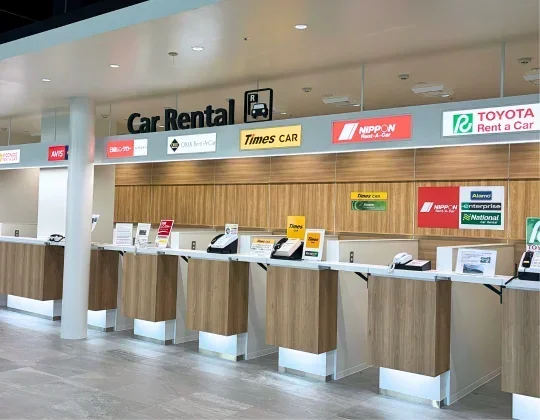
Not every rental company accepts cash, but many do. The big names in the industry have different policies, and local or regional companies often have more flexible rules. Understanding which companies allow pay cash for rental car options helps you plan ahead and avoid frustration.
Major Rental Companies and Their Cash Policies
Here is a closer look at how some well-known rental companies handle cash payments:
- Hertz: Hertz accepts cash at many locations, but policies vary by branch. You may need to show a round-trip travel itinerary and pay a substantial deposit.
- Enterprise: Enterprise is known for being more flexible with cash rental car payments. Many locations accept cash, though deposit amounts can be high.
- Avis: Avis generally prefers credit cards, but some locations do accept cash. Always call ahead to confirm.
- Budget: Budget allows cash payments at select locations. A larger deposit and proof of travel plans are usually required.
- National: National accepts cash at certain branches. Their policies are similar to Avis and Budget.
- Local and Independent Agencies: These often have the most flexible cash rental car near me options. They may be more willing to work with cash payments than big chains.
Finding Cash-Friendly Rental Locations
If you are searching for a cash rental car near me, start by calling the local branch directly. Online booking tools often default to credit card options, so a phone call can save you time. Ask specifically whether the location accepts cash payment for rental car services and what the deposit requirements are.
Another great tip is to check review sites. Other travelers often share their experiences with no credit card car rental options. These real-world insights can help you find the best cash-friendly rental company in your area.
What You Need to Rent a Car With Cash
Renting a car with cash requires a few extra steps compared to using a credit card. Rental companies want to protect themselves, so they ask for additional documentation and verification. Knowing exactly what to bring makes the process much smoother.
Required Documents
Most rental companies that accept cash will ask for the following:
- A valid driver’s license: This is non-negotiable. Make sure your license is current and from a recognized jurisdiction.
- Proof of insurance: You need to show that you have a valid insurance policy. This can be through the rental company or your own provider.
- A travel itinerary: Many companies require proof of a round-trip flight or hotel reservation. This reassures them that you will return the vehicle.
- A second form of ID: Some locations ask for a passport or government-issued ID in addition to your driver’s license.
- A utility bill or proof of address: This helps verify your identity and current residence.
Understanding the Cash Deposit Requirements
The cash deposit for rental car is the biggest difference between cash and credit card rentals. With a credit card, the company places a hold that is usually released after you return the car. With cash, you hand over the full amount upfront. This means your money is tied up for the duration of your rental.
Deposit amounts can range from $200 to over $1,000 depending on the vehicle and the rental period. Luxury and SUV rentals typically require larger deposits. Always ask for a detailed breakdown of the deposit before you pay.
Quick Tips for Managing Your Cash Deposit:
- Bring exact change if possible. This speeds up the transaction.
- Ask if the deposit can be paid by a combination of cash and debit card.
- Get a written receipt for your deposit payment.
- Take photos of the deposit receipt for your records.
- Return the vehicle on time to avoid deposit deductions.
Pros and Cons of Paying Cash for a Rental
Like any payment method, paying with cash for a rental car has its advantages and disadvantages. Understanding both sides helps you make an informed decision.
The Advantages
- No credit check: Cash rentals do not require a credit card, so there is no credit check involved. This is great for people building their credit or those who do not have a credit card.
- Privacy: Paying with cash keeps your financial transactions private. You do not have to share your credit card details with the rental company.
- No interest charges: You only pay what you owe. There are no hidden fees or interest charges that sometimes come with credit card rentals.
- Broader access: Cash rentals open the door for people who may not qualify for credit-based rentals. This includes younger drivers or those with limited credit history.
- Budget clarity: You know exactly how much you are paying upfront. There are no surprise charges that appear after you return the vehicle.
The Disadvantages
- Larger deposits: You will need to tie up a significant amount of cash for the duration of your rental. This can strain your budget.
- Limited vehicle options: Some companies restrict cash renters to certain vehicle classes. You may not have access to premium or luxury cars.
- Stricter requirements: Cash renters often face more documentation requirements and stricter verification processes.
- Fewer locations accept cash: Not every branch or airport location accepts cash payments. You may have fewer options to choose from.
- Slower refund process: Getting your deposit back can take longer than a credit card hold release. Some companies process refunds within days, while others take weeks.
Tips for Renting a Car With Cash
Renting a car with cash can be a smooth experience if you prepare properly. These practical tips help you avoid common pitfalls and make the process as easy as possible.
Call Ahead Before You Go
Never assume a rental location accepts cash. Call ahead and confirm their cash rental car policy. Ask about deposit amounts, required documents, and any restrictions. This simple step saves you from showing up only to be turned away.
Book in Advance
When you book early, you have more time to arrange your payment method. Many rental companies allow you to specify your preferred payment method during the booking process. Advance booking also gives you a better chance of securing the vehicle you want.
Read the Fine Print
Before you sign any agreement, read the terms carefully. Pay special attention to the deposit refund policy, fuel requirements, and mileage limits. Understanding the rental car cash payment terms upfront prevents misunderstandings later.
Keep All Your Receipts
Save every receipt you receive during the rental process. This includes your deposit receipt, rental agreement, and any fuel or toll receipts. These documents protect you in case of disputes when you return the vehicle.
Inspect the Vehicle Thoroughly
When you pick up the car, inspect it carefully. Document any existing scratches, dents, or damage with photos. This protects your deposit when you return the vehicle. Many disputes arise from pre-existing damage that neither party documented at the start.
Return the Car on Time
Late returns can result in deposit deductions or additional charges. Plan your trip carefully and return the vehicle before the agreed-upon time. If you need an extension, contact the rental company in advance to arrange it.
Common Mistakes to Avoid
- Assuming all locations accept cash: Policies vary even within the same company. Always confirm with the specific branch.
- Not bringing enough cash: Calculate the total cost including deposit before you go. Running short on cash creates unnecessary stress.
- Skipping the vehicle inspection: Failing to document existing damage can cost you your deposit.
- Ignoring fuel policies: Most rental companies require you to return the car with a full tank. Plan your fuel stops accordingly.
- Not asking about insurance: Clarify what insurance is included and what you need to provide yourself.
Expert Insights on Cash Rental Cars
Industry experts often share valuable perspectives on car rental cash payment trends. According to rental industry analysts, cash rentals have grown in popularity as more consumers look for alternatives to credit-based transactions. Some experts note that the rise of prepaid rental services has also influenced how companies handle cash payments.
Rental car consultants recommend that cash renters always carry a backup payment method, even if the company accepts cash. Having a debit card or credit card on hand can simplify the process and give you more flexibility. Experts also suggest building a relationship with a local rental agency that regularly accepts cash payments. Familiarity with your needs can lead to better service and more favorable terms.
Another expert tip is to compare rental car cash payment options across multiple companies. Prices and deposit requirements can differ significantly. A little research can save you both money and hassle.
Comparison: Cash vs Credit Card Rental Car Payments
Understanding the differences between cash and credit card rentals helps you choose the right option for your situation. Here is a side-by-side comparison of the two payment methods.
| Feature | Cash Payment | Credit Card Payment |
|---|---|---|
| Deposit Required | Full cash deposit upfront | Hold placed on card |
| Credit Check | Not required | Usually not required |
| Vehicle Options | May be limited | Full range available |
| Refund Speed | Slower, takes days to weeks | Faster, hold released quickly |
| Documentation Required | More extensive | Standard requirements |
| Privacy Level | High | Moderate |
| Availability | Limited to select locations | Widely available |
| Interest or Fees | None | Possible interest on balances |
As the table shows, both methods have their place. Credit cards offer more convenience and flexibility, but cash rentals serve those who do not have or prefer not to use credit cards. The best choice depends on your personal situation and travel needs.
Conclusion
The answer to the question can you rent a car with cash is a clear and definite yes. Many rental companies welcome cash payments, and the process is straightforward once you know what to expect. You will need a larger upfront deposit, more documentation, and a bit of advance planning, but the experience can be just as smooth as using a credit card.
Remember to call ahead, bring all required documents, and read the rental agreement carefully. These simple steps go a long way in making your cash rental car experience stress-free. Whether you are traveling without a credit card or prefer to keep your transactions simple, renting a car with cash is a practical and viable option.
Take what you have learned from this guide and apply it to your next trip. With the right preparation, you can rent a vehicle, hit the open road, and enjoy your journey with complete confidence. Happy travels!
Frequently Asked Questions
Can I rent a car with cash at airport locations?
Some airport rental locations accept cash, but policies vary widely. Airport branches often have stricter rules and higher deposit requirements. Always call the specific airport location ahead of time to confirm their cash rental car policy and ask about any additional requirements for airport rentals.
How much cash deposit will I need for a rental car?
Deposit amounts vary by company and vehicle type. Most companies require between $200 and $1,000 as a cash deposit for rental car services. Luxury vehicles and longer rental periods typically require larger deposits. Ask for the exact amount when you book or call ahead to confirm.
Do all rental companies accept cash payments?
No, not all rental companies accept cash. Major chains like Hertz, Enterprise, and Budget accept cash at many locations, but policies differ by branch. Smaller, local agencies often have more flexible cash rental car near me options. Always verify with the specific location before you visit.
Can I use a debit card instead of cash to rent a car?
Yes, many rental companies accept debit cards as an alternative to cash. Debit card requirements are usually similar to cash rentals, including a larger hold or deposit. Some companies treat debit cards differently than cash, so it is worth asking about both options when you book.
Will I get my cash deposit back after returning the car?
Yes, you will get your deposit back if the vehicle is returned in good condition with no damage and with the agreed-upon fuel level. Refund processing times vary. Some companies refund within a few days, while others may take several weeks. Keep your deposit receipt and ask about the refund timeline before you leave.
Is renting a car with cash more expensive than using a credit card?
The rental rate itself is usually the same whether you pay with cash or credit. However, cash rentals may require a larger upfront deposit, which ties up your money for the rental period. There are no additional interest charges or fees specific to cash payments. Always compare total costs including deposits before you decide.