The Ultimate Guide to Car Driving From Inside Your Vehicle
Car driving from inside your vehicle is more than just sitting behind the wheel. Your driving comfort, visibility, and overall safety all depend on how well you set up your car interior. This guide covers everything from seat position and ergonomic seating to in-car technology and driver fatigue. You will learn practical tips to make every ride better, safer, and more enjoyable.
Every time you turn the key and head out on the road, you are stepping into a small world. That world is your vehicle cabin. It is where you spend every minute of your drive. And how you experience that space can make or break your trip.
Car driving from inside is something most of us take for granted. We hop in, buckle up, and go. But have you ever stopped to think about how your driving position affects your body? Or how the layout of your dashboard shapes your focus? The truth is, the way you interact with your car from the inside matters more than you might think.
Whether you drive a compact sedan or a full-size SUV, the basics of car ergonomics apply to you. Your seat height, steering wheel angle, mirror placement, and even the temperature inside your vehicle all play a role. This guide will walk you through each of these elements step by step. By the end, you will know exactly how to transform your driving experience from the inside out.
Key Takeaways
- Your driving position matters: A proper seat and steering wheel setup reduce fatigue and improve control.
- Visibility is everything: Adjusting mirrors and keeping your windshield clean helps you spot dangers early.
- Climate control affects focus: A comfortable cabin temperature keeps you alert and reduces driver fatigue.
- Modern tech helps but can distract: Use infotainment systems wisely to stay safe inside the vehicle.
- Small habits make a big difference: Fixing poor posture and reducing noise inside your car improves every drive.
- Ergonomic seating prevents pain: Proper lumbar support and pedal placement protect your body on long trips.
- Blind spots are manageable: Adjusting mirrors correctly and using driver assistance features boosts safety.
📑 Table of Contents
Why Car Driving From Inside Matters
You might wonder why we are spending so much time on the inside of a car. After all, driving is about the road ahead, right? Well, yes. But the road ahead is only part of the story. What happens inside your vehicle directly affects how you drive.
The Role of Your Vehicle Cabin
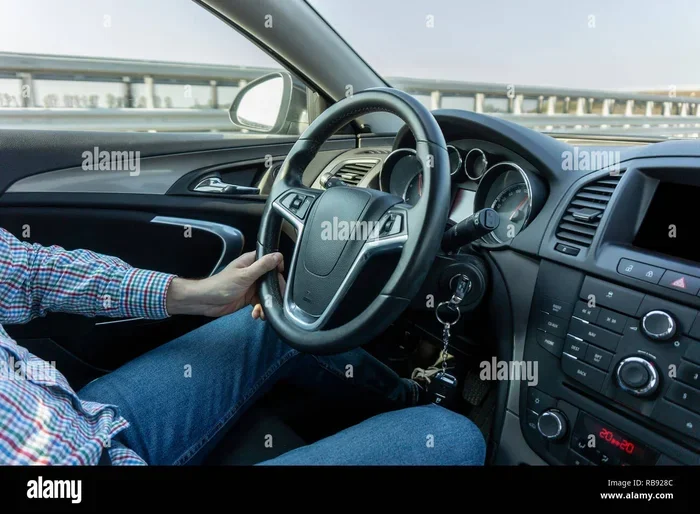
Your car interior is your command center. It is where your hands grip the steering wheel. It is where your feet press the pedals. It is where your eyes scan for hazards. Every element of the vehicle cabin is designed to support your driving tasks. When those elements are not set up right, problems follow.
Think about it this way. If your seat is too far from the pedals, your legs stretch uncomfortably. If your steering wheel blocks your view of the dashboard, you miss important warnings. If your driver visibility is poor, you react slower to dangers. These are not small issues. They add up fast, especially on long drives.
How Interior Design Affects Your Drive
Car manufacturers spend millions designing the inside of vehicles. They study car ergonomics to place controls in easy-to-reach spots. They design dashboards to reduce glare. They shape seats to support your lower back. All of this work aims to make car driving from inside a natural, effortless experience.
But every driver is different. Your body is unique. Your preferences are unique. What works for one person may not work for you. That is why understanding your own driving posture and making small adjustments can have a huge impact. You do not need to be a car engineer. You just need to pay attention to how your car feels from the inside.
Optimizing Your Driving Position for Comfort
The single biggest factor in comfortable car driving from inside is your seating position. A bad position causes pain, fatigue, and even reduced reaction times. A good position keeps you alert, relaxed, and in full control. Let us break down the key adjustments you should make.
Adjusting Your Seat and Steering Wheel
Start with your seat. Move it forward or backward until you can fully press the brake pedal without your knees bending too much. Your back should rest flat against the seatback. If your car has lumbar support, adjust it to fit the natural curve of your lower spine.
Next, focus on the steering wheel. Pull it toward you or push it away until your wrists rest comfortably on top. Your arms should have a slight bend when holding the wheel at the 9 and 3 positions. If the wheel blocks your view of the instrument cluster, tilt it down slightly. This simple change improves driver visibility and reduces neck strain.
Finding the Perfect Pedal Reach
Your feet do a lot of work while driving. The gas, brake, and clutch pedals need to be easy to reach. When you press the brake fully, your knee should still have a slight bend. If your leg locks out, move your seat closer to the pedals.
Many drivers overlook pedal placement. They sit too far away and stretch their feet forward. Over time, this causes leg fatigue and reduces your ability to brake quickly. A small seat adjustment can fix this completely. Take a minute to test your pedal reach every time you get behind the wheel.
Quick Tip: Before every long drive, do a quick check of your seat position. Adjust the height, tilt, and distance in just a few seconds. Your body will thank you miles down the road.
The Importance of Ergonomic Seating
Ergonomic seating is not just a fancy term. It is the science of designing seats to support your body during long periods of sitting. Good ergonomic seating reduces pressure on your hips, thighs, and lower back. It promotes healthy blood flow. It keeps you comfortable for hours.
If your car seat lacks proper support, consider adding a cushion or a lumbar roll. These small accessories make a surprising difference. They are cheap, easy to install, and they transform your driving comfort on long road trips.
Visibility and Safety Inside Your Car
Being able to see clearly is the foundation of safe car driving from inside. When your windshield visibility is clear and your mirrors are set correctly, you react faster. You feel more confident. You drive more smoothly. Let us look at the steps you can take to maximize your view from the driver seat.
Adjusting Mirrors and Reducing Blind Spots
Your mirrors are your eyes on the sides and rear of your car. Yet many drivers set them wrong. The goal is to minimize blind spots — the areas around your vehicle that you cannot see directly.
Start with your rearview mirror. Center it so you see the full rear window. Then adjust your side mirrors. Lean your head against the driver window and set the left mirror so you barely see the side of your car. Do the same on the right side, leaning toward the center console. This technique widens your field of view and cuts down on dangerous blind spots.
Windshield Clarity and Lighting
A dirty windshield creates glare, especially at night. Make it a habit to clean both the inside and outside of your glass regularly. Use a glass cleaner that leaves no streaks. Inside, dust and fog buildup on the windshield can blur your vision without you even noticing.
Lighting inside your vehicle also matters. Dim your dashboard lights if they reflect off the windshield. Use your rearview mirror anti-glare feature at night. These small steps keep your driver visibility sharp when you need it most.
Quick Tip: Keep a microfiber cloth in your glove box. A quick wipe of the windshield before driving can remove the haze that builds up overnight. It takes five seconds and makes a big difference.
Climate Control and Cabin Comfort
The temperature inside your car affects your mood, your focus, and your alertness. Too hot, and you feel drowsy. Too cold, and your muscles stiffen. Finding the right climate control balance is a key part of car driving from inside that many people ignore.
Managing Temperature While Driving
Most modern vehicles come with automatic climate systems. These systems adjust the ventilation system based on your settings. Set a comfortable temperature and let the system do the work. If your car does not have automatic controls, adjust the vents manually to avoid blowing air directly on your face or hands.
During hot weather, crack a window slightly for fresh air. Stale, recycled air inside a closed cabin can make you feel sluggish. In cold weather, warm up the car gradually. A sudden blast of hot air can be distracting and uncomfortable.
Reducing Noise Inside Your Vehicle
Cabin noise is a hidden enemy of comfortable driving. Road noise, wind noise, and engine rumble all compete for your attention. Over time, this constant noise causes fatigue and stress.
You can reduce cabin noise in several ways. Check your door seals for gaps. Add weatherstripping if needed. Use floor mats that fit snugly to reduce road vibration. Some drivers also invest in sound-dampening mats for the floor and doors. These upgrades make your car interior quieter and more pleasant.
Modern In-Car Technology and Driving Experience
Today’s vehicles are rolling tech hubs. From infotainment systems to advanced driver assistance features, the inside of a modern car is packed with technology. Used correctly, these tools make car driving from inside safer and more enjoyable. Used incorrectly, they become dangerous distractions.
Infotainment Systems That Help You Stay Focused
Your infotainment system controls music, navigation, phone calls, and more. The key is to set everything up before you start driving. Adjust your audio preferences, set your destination, and connect your phone while the car is parked.
Many newer systems support voice commands. Use them. Saying “navigate to home” is far safer than typing an address while moving. Keep your eyes on the road and your hands on the wheel. The in-car technology should assist you, not compete for your attention.
Driver Assistance Features Inside the Cabin
Modern cars come loaded with driver assistance features designed to work from inside the cabin. Lane departure warnings, blind spot monitors, and forward collision alerts all rely on sensors and cameras. These systems give you an extra layer of safety, but they work best when you understand them.
Take time to read your vehicle manual. Learn what each warning light and alert means. Know when the system is active and when it is not. Driver assistance features are helpers, not replacements for attentive driving. They work best when you stay engaged and aware.
Common Mistakes Drivers Make Inside Their Cars
Even experienced drivers fall into bad habits. Many of these habits happen right inside the vehicle. Recognizing them is the first step toward breaking them. Here are the most common mistakes and how to fix them.
Poor Posture and Fatigue
Slouching in your seat might feel comfortable at first, but it leads to back pain and drowsiness over time. Poor driving posture compresses your spine and restricts blood flow. After an hour or two, you feel tired and unfocused.
Sit up straight with your shoulders resting against the seatback. Keep your feet flat on the floor when using the pedals. Take short breaks every hour or so on long trips. A two-minute stretch can reset your body and sharpen your focus.
Distractions Lurking Inside the Vehicle
Your car is full of potential distractions. A ringing phone, a buzzing notification, a snack rolling under the seat, a passenger demanding your attention. All of these pull you away from the road.
The best way to handle in-car distractions is to remove them before you start driving. Put your phone on silent or use a driving mode. Secure loose items so they do not roll around. Set expectations with passengers that you need to focus on the road. A few small changes can make your car driving from inside much safer.
Quick Tip: Create a pre-drive checklist. Check your mirrors, adjust your seat, set your music, and put your phone away. A routine takes seconds and keeps you focused every time you drive.
Key Takeaways
Conclusion
Car driving from inside is an experience that touches every part of your journey. From the moment you settle into your seat to the moment you arrive at your destination, the inside of your vehicle shapes how you feel, how you react, and how safe you are. By paying attention to your driving position, visibility, cabin comfort, and in-car technology, you take control of your driving experience in a meaningful way.
You do not need to overhaul your car or spend a fortune. Small adjustments make a big difference. A better seat position, cleaner windshield, properly set mirrors, and a quiet cabin all add up. They turn an ordinary drive into a comfortable, safe, and even enjoyable one.
Start today. The next time you get into your car, take a moment. Adjust your seat. Check your mirrors. Set the temperature. Put your phone away. These simple actions are the foundation of better car driving from inside. Your body, your mind, and your passengers will all benefit from the effort.
The road ahead is waiting. Make sure you are ready for it from the inside out.
Frequently Asked Questions
How does car driving from inside affect safety?
Your driving position, visibility, and comfort inside the vehicle directly impact your reaction time and focus. Poor seat setup or dirty mirrors can increase blind spots and slow your response to hazards. A well-organized cabin keeps you alert and in control.
What is the best driving posture for long trips?
Sit upright with your back against the seatback and your feet flat on the floor. Your knees should have a slight bend when pressing the pedals. Adjust lumbar support to fit the curve of your lower back. This position reduces strain and fatigue over long distances.
How can I reduce noise inside my car while driving?
Check your door seals and replace them if they are worn. Use floor mats that fit tightly to reduce vibration. Add sound-dampening materials to the doors and floor. Keeping your tires properly inflated also helps lower road noise inside the cabin.
Are infotainment systems safe to use while driving?
They can be safe if you use them wisely. Set up navigation and music before you start driving. Use voice commands to make changes while on the road. Avoid typing or scrolling while the vehicle is in motion to keep your eyes on the road.
Why does poor visibility inside the car matter?
Reduced visibility means you cannot see other vehicles, pedestrians, or obstacles as quickly. A dirty windshield, foggy mirrors, or glare from the dashboard all limit your driver visibility. Clear glass and properly adjusted mirrors give you a wider view of the road.
What simple adjustments can improve car driving from inside?
Adjust your seat height and distance, tilt the steering wheel, set your mirrors correctly, clean the windshield, and manage cabin temperature. These five steps take less than two minutes and significantly improve your comfort, safety, and control behind the wheel.
=== URL SLUG ===
/car-driving-from-inside
=== SEO TITLE ===
Car Driving From Inside: The Ultimate Guide
=== META TITLE ===
Car Driving From Inside Your Vehicle: Complete Guide
=== META DESCRIPTION ===
Discover how car driving from inside your vehicle affects comfort, safety, and control. Get expert tips to improve your driving experience today.