Can You Sell a Car Without a Title Proven Ways to Do It
Yes, you can sell a car without a title, but you must follow specific legal steps to protect both you and the buyer. A bill of sale, bonded title, or duplicate title can help you complete the transaction safely and legally.
So you want to sell your car, but you cannot find the title. Maybe it got lost in a move, or perhaps it never existed in the first place. Whatever the reason, you are probably wondering if you can even sell a car without a title. The short answer is yes. But the full answer involves a few important steps, some paperwork, and a good understanding of how vehicle ownership works. In this guide, we will walk you through every proven method to sell your car legally and confidently, even when the title is missing.
Selling a vehicle without proper documentation can feel stressful and confusing. You might worry about legal trouble or getting scammed. But thousands of people sell cars without titles every single day. The key is knowing the right process for your situation. Whether you have a lost title, a lien on the vehicle, or no title at all, there is a path forward. Let us break it down step by step so you can get your car sold and your money in hand.
Key Takeaways
- You can still sell: Selling a car without a title is possible through several proven methods.
- Get a duplicate title first: This is the easiest and most accepted route for most sellers.
- Use a bill of sale: A bill of sale protects both parties when a title is unavailable temporarily.
- Apply for a bonded title: This works well for older vehicles or cars with lost ownership history.
- Know the legal risks: Selling without proper documentation can lead to fines or liability issues.
- Contact your local DMV: Always check with your state’s DMV for specific rules and requirements.
- Be honest with buyers: Transparency builds trust and ensures a smooth transaction for everyone.
📑 Table of Contents
What Is a Car Title and Why Does It Matter?
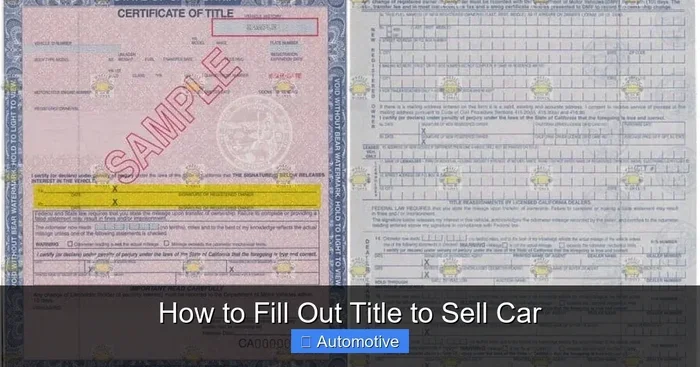
A car title is a legal document that proves vehicle ownership. Think of it as the birth certificate for your car. It shows who owns the vehicle, the vehicle identification number, and any liens or loans still attached to it. Without this document, proving ownership becomes much harder. Most states require a title to transfer ownership during a private party sale.
Here is why the title matters so much. When you sell a car, the buyer needs the title to register the vehicle in their name. They also need it to get insurance and pass state inspections. If you cannot provide a title, the buyer may walk away. Or worse, they might buy the car and then face legal problems when they try to register it. That is why understanding your options is so important before you list your car for sale.
What Information Does a Title Contain?
A standard vehicle title includes several key pieces of information. It lists the owner’s full name and address. It shows the make, model, and year of the vehicle. The VIN is printed on every title. It also records any outstanding loans or liens. When all loans are paid off, the lien is released. This clears the way for a clean transfer of ownership.
Different states have different title formats. Some states use electronic titles, while others still issue paper documents. But no matter the format, the purpose remains the same. A title proves that you are the legal owner and that you have the right to sell the vehicle.
Common Reasons You Might Not Have a Car Title
Before we dive into solutions, let us look at why people end up without a title in the first place. Understanding the cause helps you choose the right solution. Here are the most common reasons people find themselves in this situation.
Lost or Misplaced Title
This is the most common reason. People move homes, clean out garages, or simply lose track of important documents. A title might get mixed up with old mail or thrown away accidentally. If you lost your title, do not panic. You can almost always get a replacement from your local DMV or Secretary of State office.
The Vehicle Has a Lien
A lien on car means a lender still owns part or all of the vehicle. This happens when you finance a car purchase. Until you pay off the loan, the lender holds the title. If you try to sell the car with an active lien, you must pay off the loan first or work with the lender to release the lien. This is one of the trickiest situations, but it is still solvable.
The Car Is Very Old or Abandoned
Some vehicles are so old that no title exists. Maybe your grandparents left a car in the yard decades ago. Or perhaps you found a project car at a yard sale with no paperwork. In these cases, you may need to apply for a bonded title or a salvage title before you can sell.
The Title Was Never Issued
In some cases, a car was never registered or titled. This can happen with older vehicles or cars that were imported. If the vehicle was never officially documented, you will need to go through a specific process to establish ownership before selling.
Proven Ways to Sell a Car Without a Title
Now for the part you have been waiting for. How do you actually sell a car when you do not have the title? There are several proven methods. The right one depends on your specific situation and your state’s laws. Let us explore each option in detail.
Method 1: Get a Duplicate Title First
The easiest and most reliable way to sell a car without a title is to simply get a duplicate. Every state offers this option through the DMV. You fill out an application, pay a small fee, and wait for the new title to arrive. In most cases, you can get a duplicate title within a few weeks.
Here is how the process typically works. You visit your state’s DMV website or office. You provide proof of identity and ownership. This might include a registration, insurance documents, or a bill of sale from when you originally bought the car. You pay the duplicate title fee. Then you wait for the new title to arrive in the mail.
Once you have the duplicate title, you can sell the car normally. You sign the title over to the buyer, and they handle registration at their end. This method is the most straightforward and gives both you and the buyer peace of mind.
Quick Tip: Before you go to the DMV, call ahead or check their website. Some states allow you to apply for a duplicate title online. This can save you a trip and speed up the process significantly.
Method 2: Use a Bill of Sale
A bill of sale is a written agreement between a buyer and seller. It records the details of the transaction, including the sale price, date, and vehicle information. Some states allow you to sell a car without a title if you use a bill of sale along with other documentation.
However, a bill of sale alone does not prove ownership. It simply records the sale. This means the buyer may not be able to register the vehicle right away. You should always pair a bill of sale with other proof, such as a registration or a lien release letter.
Not all states accept bills of sale as a substitute for titles. Before you use this method, check with your local DMV. Some states require a title for any sale over a certain value. Others allow bill of sale transactions for older or lower-value vehicles. Knowing your state’s rules is essential before you proceed.
Method 3: Apply for a Bonded Title
A bonded title is a special type of title that comes with a surety bond. It proves ownership while protecting any previous owners or lien holders. If someone claims they own the vehicle, the bond provides financial protection.
Bonded titles work well for older vehicles with no clear ownership history. To get one, you apply through your state’s DMV. You typically need to provide proof of purchase, identification, and a vehicle inspection. You also pay for the surety bond, which is usually a percentage of the car’s value.
Once you have a bonded title, you can sell the car just like any other titled vehicle. The buyer receives the bonded title and can register the vehicle in their name. This method takes a bit more effort, but it is completely legal and widely accepted.
Method 4: Sell to a Junkyard or Salvage Yard
If your car is not running or has significant damage, selling to a junkyard might be your best option. Many junkyards and salvage yards buy cars without titles. They are often more flexible with documentation requirements because they typically part out the vehicle or scrap it for metal.
However, there are still rules. You will need to provide some form of identification and proof of ownership. A registration, insurance document, or even a written statement may suffice. The junkyard will usually handle any title-related paperwork on their end.
Keep in mind that you will likely get less money from a junkyard sale. But if the car is not driveable and a private sale is not practical, this can be a quick and easy way to get rid of an unwanted vehicle.
Method 5: Sell to a Car Buying Service
Several companies specialize in buying cars for cash, even without a title. Services like CarMax, Peddle, and similar platforms often accept vehicles with missing titles. They handle the paperwork and title issues on their end, making the process simple for you.
The trade-off is that you usually get a lower price than a private party sale. These services need to account for the risk and hassle of dealing with title problems. But if convenience is your priority, selling to a buying service can be a great option.
Expert Insight: Always get multiple offers before selling to a buying service. Prices can vary significantly between companies. Shopping around ensures you get the best deal possible for your no-title vehicle.
Method 6: Use a Power of Attorney
In some cases, a power of attorney can help you sell a car without having the physical title. This legal document gives someone else the authority to act on your behalf. For example, if a lienholder holds the title, you can use a power of attorney to authorize them to release it for the sale.
This method works best when you have a willing buyer and a cooperative lienholder or lender. Both parties must agree to the arrangement. The power of attorney must be properly drafted and notarized to be valid. Check your state’s laws to ensure this method is accepted for vehicle sales.
How to Get a Replacement Title When You Lost Yours
If your title is simply lost, getting a replacement should be your first priority. The process is straightforward in most states, but the specifics vary. Here is a general overview of what to expect.
Steps to Request a Duplicate Title
- Gather your documents. You will need proof of identity, such as a driver’s license or passport. You may also need the vehicle registration or a bill of sale from your original purchase.
- Fill out the application. Most states have a duplicate title application form. You can find this online or at your local DMV office.
- Pay the fee. Duplicate title fees vary by state. They typically range from $15 to $50, though some states charge more.
- Wait for processing. Processing times vary. Some states issue duplicate titles in a few days, while others may take several weeks.
- Receive and sign the new title. Once you get the new title, sign it over to the buyer when you complete the sale.
Quick Tip: While you wait for the duplicate title, you can still advertise your car for sale. Let potential buyers know that you are in the process of obtaining a replacement. Many buyers will wait if you are transparent about the situation.
Legal Requirements and What Buyers Need to Know
Selling a car without a title comes with legal responsibilities. Both you and the buyer need to understand these requirements to avoid problems down the road. Ignorance of the law is not an excuse, so it is important to do your homework.
State-by-State Differences
Every state has its own rules for vehicle sales and title transfers. Some states are very strict and require a title for all sales. Others are more lenient and allow bill of sale transactions for certain vehicles. For example, California has specific rules for vehicles over 25 years old that may not require a title. Texas allows bonded titles for vehicles without clear ownership history.
You should always contact your state’s DMV or Secretary of State office before proceeding with a sale. They can tell you exactly what documentation is needed and what steps to follow. This small step can save you from legal headaches later.
Protecting Yourself as a Seller
As a seller, you want to protect yourself from liability. If you sell a car without properly transferring ownership, you could be held responsible for any accidents or violations the new owner commits. To avoid this, always complete a bill of sale. Keep a copy for your records. Notify your insurance company that the vehicle has been sold. And cancel your registration if your state requires it.
Common Mistakes to Avoid:
- Selling without any written agreement or documentation.
- Not notifying your insurance company after the sale.
- Failing to release your liability with the DMV.
- Accepting a fake or altered title from a buyer.
- Skipping the bill of sale because it seems unnecessary.
Tips for a Smooth Car Sale Without a Title
Even without a title, you can have a successful car sale. The key is preparation and transparency. Here are some practical tips to make the process go smoothly.
Be Honest With Your Buyer
Always tell the buyer upfront that you do not have a title. Hiding this fact will only cause problems later. A buyer who discovers you withheld information may cancel the deal or even take legal action. Honesty builds trust and keeps both parties happy.
Document Everything
Keep copies of every document related to the sale. This includes the bill of sale, any correspondence with the DMV, and proof of payment. If a dispute arises later, these documents will protect you. Store them in a safe place for at least a few years.
Get Everything in Writing
Verbal agreements are not enough for vehicle sales. Everything should be in writing. The bill of sale should include the buyer’s and seller’s full names, addresses, and signatures. It should list the vehicle details, sale price, and date of sale. Both parties should keep a signed copy.
Know Your Car’s Value
Even without a title, your car has value. Use online tools like Kelley Blue Book or Edmunds to estimate its worth. Keep in mind that a missing title may lower the value slightly. But a clean, well-maintained vehicle will still attract buyers and command a fair price.
Consider Title-Related Costs
When budgeting for your sale, factor in any costs related to obtaining a replacement title or bonded title. These fees are usually small compared to the value of the vehicle, but they are still worth considering. A duplicate title fee of $20 to $50 is a small price to pay for a smooth transaction.
Selling a car without a title is entirely doable. The key is choosing the right method for your situation and following all legal requirements. Whether you get a duplicate title, apply for a bonded title, or use a bill of sale, the most important thing is to be transparent and thorough. A well-documented sale protects both you and the buyer and ensures a positive experience for everyone involved.
Start by checking your state’s specific requirements. Contact your local DMV if you have any questions. Then choose the method that works best for your situation. With the right approach, you can sell your car quickly, legally, and with confidence. Do not let a missing title stop you from getting the best deal for your vehicle.
Remember, thousands of people face this same challenge every day. The process is well-established and widely supported by state agencies. You are not alone, and there is no need to feel overwhelmed. Take it one step at a time, stay organized, and you will have your car sold in no time.
Frequently Asked Questions
Can I sell my car without a title if there is a lien on it?
Yes, but you must pay off the lien first or work with the lender to release it. The lender holds the title until the loan is fully paid. Once the lien is released, you can sell the car normally. Some buyers and services will work with you if the lien is released as part of the sale process.
How long does it take to get a duplicate car title?
Processing times vary by state. In many states, you can get a duplicate title in 2 to 4 weeks. Some states offer expedited services for an additional fee. Check with your local DMV for specific timelines and options available in your area.
Is a bill of sale enough to sell a car without a title?
It depends on your state. Some states accept a bill of sale for private sales, especially for older or lower-value vehicles. Other states require a title for all sales. Always check with your local DMV before relying solely on a bill of sale to complete your transaction.
What is a bonded title and how do I get one?
A bonded title is a type of vehicle title that includes a surety bond to protect against ownership claims. To get one, you apply through your state’s DMV, provide proof of ownership, and pay for the bond. Bonded titles are commonly used for older vehicles or cars with unclear ownership history.
Can I sell a junk car without a title?
Yes, many junkyards and salvage yards buy cars without titles. They typically require some form of identification and proof of ownership, such as a registration or insurance document. The process is usually simpler than a private sale, and you can often sell the vehicle quickly for cash.
What happens if I sell a car without transferring the title?
If you do not properly transfer ownership, you may remain legally responsible for the vehicle. This includes any accidents, violations, or parking tickets the new owner incurs. Always complete the sale properly by signing the title, providing a bill of sale, and notifying your insurance company and DMV.
=== CONCLUSION ===
Can you sell a car without a title? Absolutely. The process may require a few extra steps, but it is entirely possible and perfectly legal when done the right way. Whether you choose to get a duplicate title, apply for a bonded title, use a bill of sale, or sell to a junkyard or buying service, the key is to follow your state’s laws and be transparent with your buyer.
Start by identifying why you do not have the title. Then choose the method that best fits your situation. Get the proper documentation, protect yourself with written agreements, and always notify your insurance company and DMV after the sale. With the right approach, you can turn your no-title vehicle into cash quickly and safely.
Do not let a missing title hold you back any longer. Take action today. Contact your local DMV, gather your documents, and start the process. You will be surprised how straightforward it can be once you know exactly what to do. Sell your car with confidence and move forward with your next steps.