Can You Wash Your Car Too Much And Still Hurt The Paint
Can you wash your car too much? The answer is yes, and overwashing can strip away your protective wax coating, cause water spots, and lead to paint oxidation over time. Understanding the right car wash frequency and using gentle hand wash car techniques will help you protect your clear coat and keep your vehicle looking great for years to come.
Many car owners love the look of a freshly washed vehicle. That shiny, clean surface just feels right. But have you ever wondered if you are going too far? Can you wash your car too much and still keep the paint safe? The truth is, even something as simple as a car wash can cause problems when done too often.
Your car’s paint is not just a color. It is a layered system designed to protect the metal underneath. The top layer, called the clear coat, is especially sensitive. When you wash too frequently, you risk removing this shield. Over time, that can lead to paint oxidation, water spots, and even rust. So finding the right balance matters a lot.
In this article, we will explore how washing affects your car’s paint. We will look at the signs of overwashing, the best methods to use, and how often you should actually clean your vehicle. Whether you hand wash car at home or visit an automatic car wash, you will find practical tips to keep your car looking great without harming the finish.
Key Takeaways
- Overwashing strips protective layers: Frequent washing removes wax and sealant, leaving your paint vulnerable to damage and fading.
- Water spots and soap residue cause real harm: Mineral deposits and dried soap can etch into your paint and dull the finish.
- Hand washing is gentler than automatic washes: Touchless options are better than brush-style automatic car wash methods, but proper hand wash car technique is safest.
- Washing frequency depends on your environment: Cars in salty, dusty, or urban areas need more cleaning than garage-kept vehicles.
- Proper technique matters more than frequency: Using the right soap, microfiber cloth, and drying method prevents paint damage.
- Protective coatings add a buffer: Ceramic coating and paint sealant help shield your car between washes and reduce the need for frequent cleaning.
📑 Table of Contents
Why Regular Car Washing Matters
Washing your car regularly is one of the best things you can do for its appearance and longevity. Dirt, bird droppings, tree sap, and road grime all attack your paint every day. If left unchecked, they break down the clear coat and cause permanent damage.
But cleaning is not just about looks. A clean car also holds its value better. When you maintain the exterior, you prevent corrosion and keep the paint job intact. This is especially important if you plan to sell or trade in your vehicle later.
However, there is a fine line between keeping your car clean and overdoing it. The key is understanding what your car’s paint can handle and how often it truly needs a wash. Car wash frequency depends on many factors, and more is not always better.
The Role of Your Car’s Clear Coat
Your car’s paint system has three main layers. The bottom layer is the primer, which bonds to the metal. Above that is the base coat, which gives your car its color. The top layer is the clear coat, a transparent shield that protects everything below.
The clear coat is what gives your car that deep, glossy shine. But it is also the most vulnerable to physical wear. Every time you touch your car’s surface with a cloth, sponge, or even water, you risk disturbing this delicate layer. That is why paint protection should always come first when you clean your vehicle.
Think of the clear coat like sunscreen for your car. Just as too much scrubbing can irritate your skin, too much washing can wear away this protective barrier. Once the clear coat is thin or damaged, the paint underneath is exposed to the elements. This leads to faster aging and a dull, faded appearance.
How Dirt and Grime Damage Paint Over Time
When your car sits outside, environmental contaminants start building up right away. Bird droppings are highly acidic and can eat through wax and clear coat in just hours. Tree sap leaves a sticky residue that is hard to remove without proper cleaning.
Road salt in winter is another major threat. It accelerates rust prevention challenges and can eat through unprotected metal. Even everyday dust and pollen can cause micro-scratches if you wipe them off with a dry cloth. This is why exterior maintenance is so important, but it must be done correctly.
The goal of washing is to remove these contaminants gently. When you do it right, you preserve the paint and extend its life. But when you wash too often or use the wrong method, you create new problems while trying to solve old ones.
Can You Wash Your Car Too Much? Here Is What Happens to Paint
You might think that more washing equals more protection. But the opposite is often true. Each wash removes a thin layer of wax and sealant from your car’s surface. Over time, this adds up and leaves the paint exposed.
Understanding how too much washing harms your vehicle is the first step toward better care. Let us look at the specific ways overwashing can hurt your paint.
The Science Behind Paint Wear
Your car’s wax coating acts like a sacrificial shield. It absorbs the damage from UV rays, acid rain, and pollutants so your paint does not have to. When you wash your car, you strip away this layer along with the dirt.
If you wash too often, the protective wax layer never has time to rebuild. Your paint becomes vulnerable to fading, scratching, and oxidation. This is especially true for darker colored cars, which show wear more easily than lighter ones.
A good car detailing routine includes reapplying wax or sealant after each wash. But many people skip this step. They wash and dry and move on. Without replenishing the protection, they are slowly wearing down their paint with every wash.
Water Spots and Soap Residue
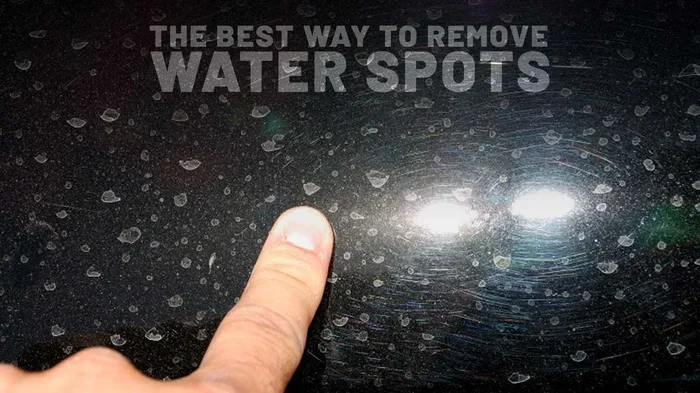
Water spots are one of the most common results of overwashing. When water dries on your car’s surface, it leaves behind mineral deposits. These spots can etch into the clear coat if not removed quickly.
Hard water is the biggest culprit. It contains calcium and magnesium that cling to paint. Over time, these minerals build up and create stubborn stains. Even touchless wash options at car washes can leave water spots behind if the water is not properly filtered.
Soap residue is another hidden danger. If you do not rinse your car thoroughly, leftover soap dries on the surface. This residue can attract dirt and create a dull, cloudy film. It is especially problematic on dark paint where it shows up clearly.
Swirl Marks and Micro-Scratches
Every time you wash your car, there is a chance of creating swirl marks. These are tiny circular scratches that scatter light and make your paint look dull. They are especially common when you use dirty cloths, sponges, or automatic brushes.
The more you wash, the more chances you have to introduce swirl marks. Over time, these micro-scratches accumulate and become visible even in good lighting. In severe cases, you may need paint correction to restore the finish. This process involves polishing away the damaged layer, which thins the clear coat even further.
This is why technique matters so much. Using a clean microfiber cloth, proper washing motions, and quality tools can dramatically reduce the risk of swirl marks. But if you wash too often, even perfect technique cannot fully prevent wear.
Signs You Are Washing Your Car Too Much
How do you know if you are overwashing? Your car will give you warning signs. Learning to recognize them can save your paint from unnecessary damage.
Fading and Loss of Shine
If your car used to have a deep, glossy finish and now looks flat and dull, overwashing could be the cause. When the wax layer is stripped away repeatedly, the paint loses its ability to reflect light properly. The result is a washed-out, tired appearance.
This fading is different from sun damage. UV exposure causes fading over years, but overwashing causes it much faster. If you notice your paint losing its depth after just a few washes, it is time to reassess your routine.
Water Spots That Won’t Go Away
Occasional water spots are normal. But if you are seeing them after every wash, that is a red flag. Persistent water spots mean your protective layers are too thin to repel minerals and contaminants.
At this point, simple washing will not fix the problem. You may need a paint sealant or ceramic coating to restore protection. In severe cases, professional car detailing may be required to remove deep mineral deposits from the clear coat.
Wax Peeling or Flaking
Your wax should feel smooth and look glossy. If you notice it peeling, flaking, or coming off in patches, you are likely washing too aggressively or too frequently. Wax should wear away gradually, not in chunks.
When wax starts to flake, it is a clear sign that the protective wax layer is compromised. Your paint is now exposed to the elements without adequate defense. You should stop washing and apply a fresh coat of wax or sealant immediately.
Hand Wash vs Automatic Car Wash
Not all car washes are created equal. The method you choose has a big impact on your paint’s health. Let us compare the two main options and see which one is safer for your vehicle.
| Factor | Hand Wash | Automatic Car Wash |
|---|---|---|
| Gentleness on Paint | Very gentle when done correctly | Can cause swirl marks and scratches |
| Cost Per Wash | Low (mostly supplies) | Medium to high ($15-$30+) |
| Time Required | 30-60 minutes | 5-15 minutes |
| Control Over Process | Full control | Limited control |
| Risk of Paint Damage | Low with proper technique | Moderate to high |
| Ability to Reach Tight Spots | Excellent | Limited |
| Water Usage | Moderate | High |
As you can see from the table, hand washing gives you the most control and the lowest risk of damage. But it also takes more time and effort. An automatic car wash is convenient, but it comes with risks, especially if the brushes are dirty or the equipment is poorly maintained.
The Benefits of Hand Washing
Hand washing your car allows you to choose every product and tool. You can use a gentle microfiber cloth and a high-quality soap designed for automotive paint. You control the pressure, the temperature of the water, and the drying method.
A proper hand wash car routine starts with pre-rinsing to remove loose dirt. Then you wash using the two-bucket method, which keeps your wash mitt clean. Finally, you dry with a soft, lint-free cloth to prevent water spots.
This method takes more time, but it is the safest way to clean your car. It preserves your wax coating and reduces the risk of swirl marks and scratches.
What to Know About Automatic Washes
If you prefer the convenience of an automatic car wash, choose a touchless or touchless wash option. These use high-pressure water and specialized soaps without physical contact. They are much gentler than brush-style automatic washes.
Avoid brush-based automatic washes whenever possible. The brushes collect dirt from previous cars and drag it across your paint. This creates swirl marks and can even cause deep scratches. If you must use a brush wash, make sure the brushes look clean and well-maintained.
Also, be aware that automatic washes often use strong chemicals that can strip your wax quickly. You may need to reapply wax or sealant more often if you frequently use automatic car wash services.
Best Practices For Washing Your Car
Now that you understand the risks of overwashing, let us look at how to wash your car the right way. Proper technique makes all the difference in protecting your paint.
Choosing the Right Soap and Tools
Not all car soaps are created equal. Household dish soap might seem like a good idea, but it is too harsh for automotive paint. It strips away wax and can leave your paint dry and vulnerable.
Invest in a pH-neutral car wash soap. These products are designed to clean effectively without removing protective layers. Look for soaps that are labeled as safe for wax coating and ceramic coating if you have applied either one.
Your tools matter just as much as your soap. Use a soft microfiber wash mitt instead of a sponge. Microfiber is gentler on paint and picks up dirt more effectively. Use separate buckets for soapy water and rinsing water to avoid reintroducing dirt onto your car’s surface.
For drying, use a clean, plush microfiber towel. Avoid chamois leather, which can trap dirt particles and cause scratches. The goal is to lift water off the surface without dragging any debris across the paint.
Proper Washing Technique
Start by rinsing your car thoroughly with clean water. This removes loose dirt and prevents it from scratching the paint during the wash. Work in the shade or on a cool surface to prevent soap from drying too quickly.
Wash from top to bottom. The lower panels are the dirtiest, so cleaning them last prevents you from dragging grime across the upper, cleaner sections. Use gentle, straight-line motions rather than circular scrubbing. Circular motions are the primary cause of swirl marks.
Rinse your wash mitt frequently in the clean water bucket. This keeps it free of grit and dirt. Wash one section at a time and rinse it off before moving to the next. This ensures that soap does not dry on the paint and leave residue.
Drying and Protecting After Washing
Drying is just as important as washing. Never let your car air dry. The minerals in water will leave spots that can be difficult to remove. Use a clean microfiber towel and pat or blot the surface dry gently.
After drying, consider applying a quick detailer spray or spray wax. These products add a thin layer of protection between full wax applications. They make your next wash easier and help maintain the protective wax layer on your paint.
If you have a ceramic coating, use products that are compatible with it. Harsh soaps can degrade ceramic coatings over time, so always check the label before using any product on a coated vehicle.
How Often Should You Really Wash Your Car?
There is no one-size-fits-all answer to this question. The right car wash frequency depends on where you live, how you use your car, and what conditions it faces daily.
Factors That Affect Washing Frequency
Your environment plays the biggest role in determining how often you need to wash. If you live near the ocean, salt air can corrode your paint and undercarriage. Cars in coastal areas may need washing every one to two weeks during the summer months.
If you drive on salted roads in winter, you should wash your car weekly during the cold season. Road salt is extremely damaging to both paint and metal components. Pay special attention to the undercarriage wash to remove salt from hidden areas where rust can start.
Cars parked in garages or covered areas need less frequent washing. If your car stays mostly indoors, every two to four weeks is usually sufficient. Similarly, if you drive only on clean, dry roads, you can stretch the time between washes.
Other factors include pollen season, tree coverage near your parking spot, and how often you drive on dusty or gravel roads. All of these increase the need for cleaning but also increase the risk if you wash too aggressively.
A Simple Weekly Schedule
Here is a simple guide to help you find the right balance for your situation:
- Weekly wash: Ideal for cars driven daily in urban or coastal areas
- Bi-weekly wash: Good for cars driven 3-5 times per week in moderate conditions
- Monthly wash: Sufficient for garage-kept cars or those driven infrequently
- Seasonal deep clean: Important for removing built-up contaminants and reapplying protection
Remember, quality matters more than quantity. One careful, thorough wash with proper products is better than three quick, careless washes. Focus on being gentle and thorough rather than washing as often as possible.
Conclusion
Can you wash your car too much and still hurt the paint? Absolutely. Overwashing strips away protective layers, causes water spots, and creates swirl marks that diminish your car’s appearance. But this does not mean you should stop washing your car. Cleanliness is still essential for long-term paint health and rust prevention.
The key is balance. Wash your car only when it needs it, use gentle techniques and quality products, and always replenish protection after each wash. By following the best practices outlined in this guide, you can keep your car looking its best for years to come.
Take a look at your current washing routine. Are you overwashing? Are you using the right products? Small adjustments can make a big difference. Your car’s paint works hard to protect the vehicle every day. Give it the care it deserves with a smart, balanced approach to cleaning.
Frequently Asked Questions
How do I know if I am washing my car too often?
If your paint looks dull, you see water spots after every wash, or your wax is peeling or flaking, you are likely overwashing. These are clear signs that your protective layers are being stripped away faster than they can rebuild. Adjust your routine and give your paint time to recover between washes.
Can automatic car washes damage my paint?
Yes, especially brush-style automatic car washes. The dirty brushes drag debris across your paint, creating swirl marks and micro-scratches. Touchless or touchless wash options are much safer. If you use an automatic wash regularly, make sure to reapply wax or sealant afterward to restore protection.
What is the best soap to use when washing my car?
Always use a pH-neutral car wash soap. Household dish soap is too harsh and strips away your protective wax layer quickly. Look for soaps specifically formulated for automotive paint that are safe for wax coatings and ceramic coatings. Quality soap cleans effectively without damaging your paint.
How can I remove water spots from my car’s paint?
For light water spots, a thorough wash with a clay bar can remove mineral deposits. For stubborn spots, a mixture of white vinegar and water applied gently can help. In severe cases, professional paint correction may be needed. The best approach is prevention, so always dry your car thoroughly after washing to avoid water spots from forming in the first place.
Does washing my car in winter cause more damage?
Winter washing is important because road salt is extremely damaging, but cold weather can make the process riskier. Wash your car on a warm day when it can dry completely. Focus on the undercarriage wash to remove salt from hidden areas. Apply a fresh coat of wax before winter begins to give your paint extra protection against salt and moisture.
Can I wash my car every day if I use a gentle method?
Even with the gentlest method, daily washing is unnecessary and risky for most cars. It strips away wax and protective coatings faster than they can rebuild. For most vehicles, washing every one to two weeks is plenty. If your car gets dirty daily, consider a quick rinse with clean water instead of a full wash to remove surface debris without damaging the paint.