Car Front Glass: Windshield Explained and All You Need
Your car front glass, also known as the windshield, is one of the most important safety features in your vehicle. It protects you from wind, debris, and UV rays while keeping the car structurally sound. This guide covers everything you need to know about windshield types, damage repair, maintenance, and replacement. Read on to become a smarter car owner.
Your car front glass, also known as the windshield, is far more than just a pane of glass in front of you. It plays a critical role in your vehicle’s structural integrity and keeps you safe on every drive. Whether you need a simple chip repair or a full windshield replacement, understanding your auto glass helps you make better decisions. This guide walks you through everything about car front glass, from types and damage to maintenance and replacement. By the end, you will feel confident handling any windshield issue that comes your way.
Your car front glass does a lot more than just let you see the road ahead. It shields you from wind, rain, and flying debris. It also supports the roof in a crash and helps airbags deploy correctly. Despite its importance, many drivers overlook their windshield until something goes wrong. A small chip can turn into a long crack overnight, especially in cold weather. That is why learning about auto glass repair and car glass maintenance is so valuable.
Key Takeaways
- Know Your Glass Type: Most cars use laminated safety glass that holds together when cracked, keeping occupants safe.
- Repair Small Damage Fast: Chips and small cracks can often be repaired instead of replaced, saving you money.
- Maintain Your Windshield Regularly: Proper cleaning and seasonal care prevents major damage and extends glass life.
- Choose Quality Replacement Glass: OEM glass offers the best fit, safety standards, and auto glass warranty coverage.
- Watch for Warning Signs: Know when a simple repair is not enough and full windshield replacement is the safer choice.
- Protect Your Investment: UV coatings, proper seals, and gentle cleaning keep your car front glass in top shape for years.
📑 Table of Contents
- What Is a Car Front Glass Windshield?
- Types of Windshield Glass Used in Cars
- Common Windshield Damage and How to Fix It
- How to Properly Maintain Your Car Front Glass
- Windshield Replacement vs Repair: When to Do What
- Choosing the Right Windshield for Your Vehicle
- Expert Insights on Car Front Glass Care
- Conclusion
What Is a Car Front Glass Windshield?
The car front glass is the large pane of glass that sits at the front of your vehicle. It is also called the windshield. But it is much more than a simple window. It is a safety device built to protect you and your passengers. Modern windshields are designed to stay intact even when hit by objects on the road.
The Role of Your Windshield
Your windshield serves several important jobs. First, it blocks wind, rain, and debris from hitting you while driving. Second, it provides structural integrity to the car body. In a rollover accident, the windshield helps prevent the roof from collapsing. Third, it helps the front airbag deploy in the right direction. Without a strong windshield, these safety features would not work properly.
Many people do not realize that the windshield contributes up to 30 percent of the car’s structural strength in a front-end collision. This makes the car front glass one of the most important safety components in your entire vehicle. Taking care of it should always be a priority.
How Windshields Are Made
Most car front glass is made from laminated safety glass. This means two layers of glass are bonded together with a layer of plastic in the middle. The plastic layer, called polyvinyl butyral or PVB, holds the glass together even when it cracks. This is why a cracked windshield often stays in one piece instead of shattering into sharp pieces.
Some older cars or specialty vehicles use tempered glass for the side windows. Tempered glass is heated and cooled rapidly to make it stronger. When it breaks, it shatters into small, less dangerous pieces. But the front glass is almost always laminated for safety reasons. This laminated safety glass design has been a standard in the auto industry for decades because of its proven ability to protect occupants.
Types of Windshield Glass Used in Cars
Not all auto glass is the same. The type of glass used in your car front glass matters for safety, clarity, and cost. Let us look at the main types you will encounter when shopping for replacement or repair.
Laminated Safety Glass
Laminated safety glass is the standard for car front glass in nearly all modern vehicles. It consists of two glass layers with a plastic layer sandwiched in between. This design keeps the glass from breaking apart on impact. Even if a rock hits your windshield, the crack stays contained between the layers. This gives you time to get to a repair shop safely.
The PVB interlayer also blocks a significant amount of ultraviolet (UV) radiation. This protects both your skin and the interior of your car from fading. Many drivers appreciate the added benefit of UV protection that comes standard with laminated glass.
Tempered Glass vs. Laminated Glass
Tempered glass is stronger than regular glass but breaks into small, rounded pieces. It is used for side windows and rear windows in most cars. Laminated glass, on the other hand, holds together when shattered due to its plastic interlayer. Both types serve different purposes in your vehicle. The front glass always uses laminated glass for occupant protection, while side and rear windows typically use tempered glass.
OEM Glass vs. Aftermarket Windshield
When it is time for a replacement, you will hear two terms: OEM and aftermarket. OEM stands for Original Equipment Manufacturer. This means the glass is made by the same company that supplied your car when it was new. It matches the exact specs, fit, and quality of your original windshield.
An aftermarket windshield is made by a different company. It is usually cheaper but may not fit as perfectly. Some aftermarket options are very good, but others may have slight distortions or different tint levels. Always check the quality and auto glass warranty before choosing a non-OEM option.
| Feature | OEM Glass | Aftermarket Windshield |
|---|---|---|
| Fit and Finish | Perfect match to original | May have slight differences |
| Price | Higher cost | More affordable |
| Quality Standards | Meets manufacturer specs | Varies by brand |
| Warranty | Full auto glass warranty | Limited or no warranty |
| Availability | May take longer to source | Widely available |
| Technology Compatibility | Full support for rain sensors, heads-up display, and defroster | May lack some advanced features |
For most drivers, OEM glass is the safer choice. It ensures your car front glass meets all safety standards and works seamlessly with advanced features like rain sensors and heads-up displays. But if budget is tight, a reputable aftermarket windshield can also work well. Just make sure it comes from a trusted supplier with positive reviews.
Common Windshield Damage and How to Fix It
Windshield damage happens to almost every driver at some point. Rocks, debris, and weather can all cause issues. Knowing what type of damage you have helps you decide the right fix. Understanding crack repair and chip repair options can save you both time and money.
Chips and Cracks
A chip is a small piece of glass that breaks off. It usually looks like a tiny star or dot. Chips are often caused by small rocks kicked up by other vehicles. A crack is a longer line that spreads across the glass. Cracks can start from a chip that grows over time.
The most common types of chips include bullseye chips, star breaks, and combination breaks. Each type looks different and may need a different repair approach. A chip repair is usually quick and affordable. A crack repair depends on the length and location of the damage. The longer you wait, the more likely a chip will turn into a full crack.
When Repair Works and When It Does Not
Small chips and cracks under three inches can often be repaired. A professional uses a special resin to fill the damage and cure it with UV light. This restores the strength of the glass and prevents the crack from spreading. This process is a common and effective form of auto glass repair.
However, there are times when repair is not enough. If the crack is longer than six inches, you will likely need a full windshield replacement. Damage in the driver’s direct line of sight can also cause distortion, making replacement the safer choice. Multiple cracks or damage near the windshield seal also call for replacement rather than repair.
Quick Tips for Preventing Damage:
- Fix chips within 48 hours to prevent them from spreading into cracks.
- Cover a damaged windshield with clear tape in the rain to keep water out.
- Avoid sudden temperature changes near a cracked windshield.
- Do not use the defroster on high heat if you have a crack.
- Keep a safe distance from trucks carrying loose materials on the road.
- Top up your windshield washer fluid regularly to clear debris promptly.
Common Mistakes That Make Damage Worse
Many drivers accidentally make windshield damage worse. One common mistake is ignoring a small chip. Over time, vibration and temperature changes cause it to spread into a long crack. Another mistake is using cheap glass that does not seal properly. A bad windshield seal can let water leak into the car and cause mold growth inside the cabin.
Some drivers try DIY crack repair kits. While these can work for tiny chips, they often fail on larger cracks. The wrong resin can create blurry spots in your line of sight. It is always better to consult a professional for auto glass repair rather than attempting a fix you are not experienced with. A botched repair can end up costing more than a professional job would have.
How to Properly Maintain Your Car Front Glass
Good maintenance keeps your windshield in great shape for years. It also saves you money by preventing costly replacements. Here are the best practices for car glass maintenance that every driver should follow.
Cleaning Best Practices
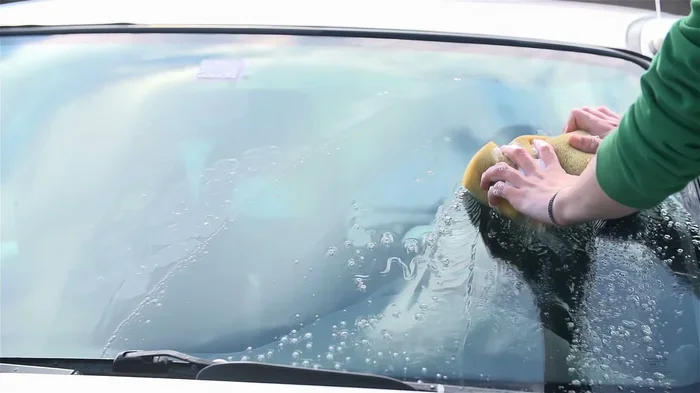
Clean your windshield regularly with a glass-safe cleaner. Avoid harsh chemicals that can damage the glass or the rubber seals around it. Use a microfiber cloth instead of paper towels to prevent scratches. Clean both the inside and outside of the glass, as grime on the inside can cause glare at night and reduce visibility.
Your windshield wiper blades play a big role in keeping the glass clear. Replace them every six to twelve months. Worn wipers can scratch the glass and leave streaks that reduce visibility, especially during heavy rain. Also, keep your windshield washer fluid full at all times. Dirt and bugs build up fast, especially on long highway drives. A clean windshield is a safe windshield.
Seasonal Care Tips
Each season brings different challenges for your car front glass. In winter, avoid pouring hot water on a frozen windshield. The sudden temperature change can cause the glass to crack. Use a proper ice scraper instead and let the defroster warm the glass gradually.
In summer, park in the shade when possible. Extreme heat can weaken existing chips and cracks, causing them to spread. If you live in a hot climate, consider using a car window tint or sunshade to reduce heat buildup. During spring and fall, watch for road debris. Construction zones are especially risky for windshield damage. Keeping a safe distance from trucks carrying loose materials is one of the simplest ways to prevent damage.
Protecting Your Windshield From UV Damage
Ultraviolet rays can weaken your windshield over time. They can also fade the rubber seal around the edges, leading to leaks and water damage. Using a UV-protective glass coating or quality car window tint helps block harmful rays. This simple step extends the life of your auto glass and keeps your car interior from fading too.
Many modern cars come with built-in UV protection in the windshield. But older vehicles may not have this feature. Adding a quality glass coating is an easy and affordable way to protect your investment. Talk to your auto glass provider about available options for UV protection and thermal insulation.
Windshield Replacement vs Repair: When to Do What
Knowing when to repair and when to replace your windshield is one of the most important skills for any car owner. The wrong choice can cost you money or compromise your safety on the road.
Signs You Need a Replacement
Here are clear signs that your car front glass needs to be replaced rather than repaired. First, if the crack is longer than six inches, replacement is usually necessary. Second, if the damage is in the driver’s direct view and causes distortion, replace it. Third, if the windshield has multiple cracks or a network of chips, replacement is the safest option.
Also watch for signs of a failing windshield seal. If you see water leaks inside the car near the dashboard, the seal may be broken. A damaged seal can also cause wind noise while driving. These issues all point to the need for a full windshield replacement. Do not ignore these signs, as a compromised seal can lead to bigger problems like mold and electrical issues.
The Replacement Process
A professional windshield replacement typically takes about one to two hours. The old glass is carefully removed to avoid damage to the car body. The old urethane adhesive is cleaned off the frame. A new windshield is placed and bonded with fresh adhesive. The technician then checks for proper sealing and alignment.
After replacement, it is important to wait before driving. Most adhesives need at least one hour to set, but some require longer. Always follow the technician’s advice. Also, avoid pressing on the windshield or closing doors hard for the first 24 hours. This gives the adhesive time to cure fully and ensures a strong bond that will last for years.
Cost Considerations
The cost of a windshield replacement varies based on several factors. The type of glass you choose matters a lot. OEM glass costs more but offers the best quality and comes with a solid auto glass warranty. Aftermarket glass is cheaper but may have trade-offs in fit and clarity. The make and model of your car also affects the price. Luxury vehicles and cars with advanced features like rain sensors or heads-up displays cost more to replace.
Most auto insurance policies cover windshield replacement with comprehensive coverage. Many shops offer direct billing to your insurance company. This can reduce or eliminate your out-of-pocket cost. Always check with your insurance provider before scheduling a replacement. You may be surprised at how affordable the process can be with the right coverage.
Choosing the Right Windshield for Your Vehicle
Selecting the right windshield for your car is about more than just finding a piece of glass that fits. You need to consider safety features, technology compatibility, and long-term durability. Your car front glass is a significant investment in your vehicle’s safety and comfort.
Features to Look For
Modern windshields come with many advanced features. Some include rain sensors that automatically activate the windshield wiper system. Others have heads-up display (HUD) technology that projects speed and navigation information onto the glass. If your car has these features, you need a windshield that is specifically designed to work with them.
Your car front glass may also have a built-in defroster. The thin heating wires or lines embedded in the glass help clear frost and fog quickly. When replacing your windshield, make sure the new glass has a working defroster system that matches your car’s specifications. A mismatched defroster can lead to foggy windows and reduced visibility in cold weather.
Another feature to consider is acoustic insulation. Many modern windshields have a special layer that reduces outside noise. This makes your cabin quieter and more comfortable on long drives. If your original windshield has this feature, try to match it with the replacement glass for the same driving experience.
Working with Your Insurance
Dealing with insurance for windshield work can feel confusing. But it does not have to be. Most comprehensive auto insurance policies cover windshield repair and replacement with no deductible. This means you pay nothing out of pocket for the work in many cases.
Before you schedule any work, call your insurance company to confirm your coverage. Ask if they have a list of preferred auto glass shops. Many insurers partner with specific networks that offer guaranteed workmanship. Using a network provider often speeds up the process and ensures quality. Always confirm the auto glass warranty that comes with the replacement, whether through your insurer or the shop directly.
Keep in mind that filing a windshield claim usually does not raise your insurance premium. Windshield damage is considered a comprehensive claim, not an at-fault accident. So there is no reason to hesitate from getting your windshield fixed when needed. Prompt repairs also prevent small issues from becoming expensive replacements.
Expert Insights on Car Front Glass Care
We asked auto glass professionals for their top tips on caring for your windshield. Here is what they had to say.
Expert Insight 1: “The biggest mistake drivers make is ignoring small chips. What starts as a tiny chip can become a long crack in just a few days, especially with temperature changes. Get it repaired early and you will save hundreds of dollars on a full replacement.”
Expert Insight 2: “Always check your windshield seal during routine car maintenance. A cracked or worn seal lets moisture into the car, which can damage the dashboard and cause mold. A simple seal replacement costs a fraction of a full windshield job and prevents much bigger problems down the road.”
Expert Insight 3: “If you live in an area with extreme temperature swings, invest in a quality glass coating. It adds an extra layer of protection against UV damage and thermal stress. It is one of the best ways to extend the life of your car front glass and keep it looking great for years.”
Conclusion
Your car front glass is one of the most important safety features in your vehicle. It protects you from the elements, supports the car’s structure, and works with your airbag system. Taking care of it through regular maintenance, prompt repairs, and smart replacement choices keeps you and your passengers safe on every trip.
Whether you are dealing with a small chip or planning a full windshield replacement, the information in this guide gives you the knowledge to make the right decision. Do not wait until a small problem becomes a big expense. Take action today and give your windshield the care it deserves. A well-maintained windshield means a safer, more comfortable ride for years to come. Start applying these tips now and enjoy the peace of mind that comes with knowing your car front glass is in great shape.
Frequently Asked Questions
How long does a windshield replacement take?
A professional windshield replacement typically takes about one to two hours. However, you should wait at least one hour before driving, and some adhesives require up to 24 hours to fully cure. Always follow the specific advice given by your technician.
Can a cracked windshield be repaired instead of replaced?
Small chips and cracks under three inches can often be repaired with resin and UV curing. But if the crack is longer than six inches, located in the driver’s direct view, or there are multiple cracks, a full replacement is usually the safer and more effective option.
Is windshield replacement covered by insurance?
Most comprehensive auto insurance policies cover windshield replacement with no deductible. Windshield claims are considered comprehensive, not at-fault accidents, so they typically do not raise your insurance premium. Check with your provider to confirm your specific coverage.
How much does a new windshield cost?
The cost varies based on the type of glass, your vehicle make and model, and whether you choose OEM or aftermarket glass. On average, a standard replacement ranges from $200 to $400, while luxury vehicles or those with advanced features can cost more. Many insurance plans cover the full cost.
Can I drive immediately after a windshield replacement?
You should wait at least one hour after a windshield replacement before driving. This allows the adhesive to begin setting properly. Avoid pressing on the windshield, closing doors hard, or driving through car washes for the first 24 hours to ensure a strong bond.
How often should windshield wipers be replaced?
Windshield wipers should be replaced every six to twelve months. Worn wipers can scratch your glass and leave streaks that reduce visibility, especially in rain. If you notice streaking, skipping, or squeaking, it is time for a new set of wipers.