Car Lights Turn On but Wont Start Here Is Why It Happens
When your car lights turn on but won’t start, it usually points to a problem with the battery, starter, ignition, or fuel system. This common issue can happen to any driver, and the good news is that many causes are easy to fix at home. In this guide, you will learn the most likely reasons your car won’t start even though the lights work, along with simple steps to diagnose and solve the problem.
You turn the key or push the start button, and your headlights glow bright. The dashboard lights up too. But the engine refuses to turn over. This frustrating situation happens to millions of drivers every year, and it can strike without warning. The good news is that car lights turn on but won’t start is a well-known problem with clear causes and solutions.
Understanding why your car won’t start when the lights work can save you time, money, and a lot of stress. Whether you are stuck in your driveway or on the side of a cold road, knowing what to look for makes all the difference. Let us walk through the most common reasons this happens and how you can fix it yourself or decide when to call for help.
Key Takeaways
- Dead or weak battery: Your lights may still work on low charge, but the starter needs full power to crank the engine.
- Faulty starter motor or solenoid: A bad starter is one of the most common reasons your car lights turn on but won’t start.
- Corroded or loose battery terminals: Dirty connections can block power from reaching the starter even when the battery is fine.
- Ignition switch failure: A worn ignition switch can allow accessories to work but fail to engage the starter circuit.
- Fuel system problems: A failed fuel pump or clogged filter means your engine gets no fuel, so it won’t start.
- Immobilizer or key fob issues: Modern cars have security systems that can prevent starting even when everything else looks normal.
- Neutral safety switch faults: A bad switch can block the starter signal, especially if your car is not fully in Park or Neutral.
📑 Table of Contents
- Why Do Your Car Lights Turn On but Won’t Start?
- Common Reasons Your Car Won’t Start Even Though the Lights Work
- How to Diagnose the Problem Step by Step
- Quick Fixes You Can Try at Home
- When to Call a Professional Mechanic
- How to Prevent This Problem in the Future
- Understanding Your Car’s Starting System
- Cost Estimates for Common Repairs
- Key Takeaways
Why Do Your Car Lights Turn On but Won’t Start?
When you turn the ignition, your car needs three things to start: a strong electrical spark, fuel, and compression in the cylinders. The lights only need a small amount of power, so they can stay bright even when the battery is too weak to crank the engine. This is the core reason car lights turn on but won’t start confuses so many people. Your electrical system is partially alive, but the part that actually starts the engine is not getting what it needs.
The starter motor draws a huge burst of current from the battery. If your battery voltage drops below a certain level, the lights will still work, but the starter will not have enough juice to spin the engine. Think of it like a garden hose. The light uses a thin trickle of water, while the starter needs a fire hose. When pressure drops, the trickle keeps flowing, but the heavy stream stops.
The Role of Your Battery in Starting
Your battery is the heart of the starting system. It stores electrical energy and delivers it on demand. A fully charged battery should read around 12.6 volts when the engine is off. When you turn the key, the battery sends power to the starter solenoid, which then engages the starter motor. If your battery voltage drops to 12.0 volts or below, you may still have enough power for lights and radio, but not enough to crank the engine.
Cold weather makes this problem worse. Batteries lose strength in low temperatures, and a battery that works fine in summer may fail in winter. This is one of the top reasons car lights turn on but won’t start during the colder months.
How the Starter Motor and Solenoid Work Together
The starter solenoid acts as a heavy-duty switch. When you turn the key, the solenoid receives a small electrical signal from the ignition. It then closes a much larger circuit that sends battery power directly to the starter motor. The motor spins a small gear that meshes with the engine’s flywheel, turning the crankshaft and starting the combustion cycle.
If either the solenoid or the motor fails, you will hear nothing or just a single click. This is a very common reason car lights turn on but won’t start. The electrical path for accessories remains intact, but the high-power path to the starter is broken.
Common Reasons Your Car Won’t Start Even Though the Lights Work
Now that you understand the basic system, let us look at the specific causes. Each one explains why your dashboard and headlights work fine, but the engine refuses to turn over.
1. Dead or Weak Battery
A weak battery is the number one cause of car lights turn on but won’t start. Your battery may have enough charge to power the interior lights and dashboard, but not enough to turn the starter motor. This often happens after leaving lights on overnight or during extreme weather.
Signs of a weak battery include:
- Slow or no cranking when you turn the key
- Dashboard lights that dim when you try to start
- A clicking sound with no engine turnover
- Battery age over three to five years
To test your battery, use a multimeter. Set it to DC voltage and touch the probes to the battery terminals. A reading below 12.4 volts means your battery is partially discharged. Below 12.0 volts means it likely cannot start your car. A fully charged battery should read 12.6 volts or higher.
2. Corroded or Loose Battery Terminals
Even with a good battery, corroded terminals can block the electrical connection. White or blue-green crusty buildup on the battery posts is a clear sign of corrosion. This buildup acts like an insulator, preventing current from flowing freely to the starter.
Loose terminals are just as bad. If the cable clamp is not tight, the connection can vibrate loose over time. You might get enough power for the lights but not enough for the starter. Cleaning the terminals and tightening the connections is a quick fix that solves this problem in many cases.
3. Faulty Starter Motor
The starter motor is a small but powerful electric motor that does the heavy lifting of cranking your engine. Over time, the internal brushes and bearings wear out. When the starter fails, you may hear a single click or nothing at all when you turn the key.
Starter motors typically last between 100,000 and 150,000 miles, but they can fail earlier due to electrical issues or physical damage. A bad starter is one of the most common reasons car lights turn on but won’t start in vehicles with higher mileage.
4. Bad Starter Solenoid
The solenoid is the small device mounted on top of the starter. It receives a signal from the ignition switch and engages the starter gear. When the solenoid goes bad, the starter motor never receives the command to spin. You might hear a single click or a series of rapid clicks, but the engine will not turn.
Testing the solenoid requires checking the electrical signal coming to it when you turn the key. If the signal reaches the solenoid but the starter does not engage, the solenoid is likely faulty.
5. Ignition Switch Problems
The ignition switch is the mechanical part you turn with your key or the electronic part you press in push-button start systems. It controls several circuits, including the one that sends power to the starter. When the ignition switch wears out, it may still power your dashboard and lights but fail to send the signal to the starter.
Older vehicles with physical keys are more prone to ignition switch failure. The internal contacts erode over thousands of key turns. Signs include stiffness when turning the key or the need to wiggle the key to get the engine to start.
6. Fuel Pump Failure
Your engine needs fuel to run, and the fuel pump delivers it from the tank to the engine. When the fuel pump fails, your car will crank but not start, or in some cases, it will not crank at all if the engine control module disables the starter for safety reasons.
Fuel pumps can fail due to age, contamination, or running the tank too low too often. A failing fuel pump often gives warning signs first, such as a whining noise from the tank, hesitation during acceleration, or stalling at highway speeds.
7. Immobilizer or Security System Issues
Modern cars have immobilizer systems that prevent the engine from starting unless the correct key or key fob is recognized. If the transponder chip in your key fob fails or the immobilizer module has a glitch, your car will refuse to start even though everything else works normally.
This is a sneaky reason car lights turn on but won’t start because the dashboard shows no obvious error. The security light may flash on the dash, which is your clue. Replacing the key fob battery or reprogramming the key often fixes this issue.
8. Neutral Safety Switch Fault
The neutral safety switch prevents your car from starting unless the transmission is in Park or Neutral. If this switch fails or gets misaligned, your car will not start even if everything else is working perfectly.
This problem is common in vehicles with automatic transmissions. You might notice that your car starts sometimes but not others, depending on the exact position of the gear shift. Tapping gently on the shifter while trying to start can sometimes help identify this issue.
How to Diagnose the Problem Step by Step
Diagnosing why car lights turn on but won’t start does not require a mechanics degree. With a few basic tools and a systematic approach, you can narrow down the cause quickly.
Step 1: Check the Battery Voltage
Grab a multimeter and test the battery. Set it to DC voltage and connect the red probe to the positive terminal and the black probe to the negative terminal. A reading of 12.6 volts or higher means the battery is fully charged. Below 12.4 volts means it needs charging. Below 12.0 volts means the battery is likely too weak to start the car.
Step 2: Inspect the Battery Terminals
Look closely at the battery terminals. If you see white, blue, or greenish buildup, that is corrosion. Use a wire brush or a battery terminal cleaner to remove it. Make sure the cable clamps are tight. A loose connection can cause the same symptoms as a dead battery.
Step 3: Listen for Clicks or Sounds
When you turn the key, pay close attention. No sound at all usually points to the ignition switch or neutral safety switch. A single click often indicates a faulty solenoid or starter. Rapid clicking usually means the battery is too weak to power the starter, even though it has enough power for the lights.
Step 4: Test the Starter Circuit
If you have basic electrical knowledge, you can test the starter solenoid directly. Locate the solenoid and use a multimeter to check for voltage when you turn the key. No voltage means the problem is upstream in the ignition switch or neutral safety switch. Voltage present but no engagement means the solenoid or starter is bad.
Step 5: Check the Fuel System
Turn the ignition to the ON position without starting the engine. You should hear a brief humming sound from the back of the car, which is the fuel pump priming. If you hear nothing, the fuel pump may be faulty. Also check the fuel gauge and listen for the fuel pump relay clicking when you turn the key.
Step 6: Look at the Security Light
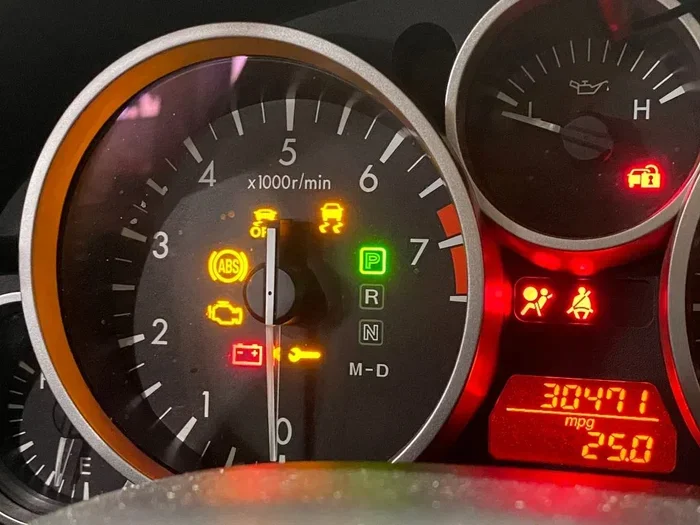
Check your dashboard for the security or immobilizer light. If it stays on or flashes when you try to start, the immobilizer system is likely preventing the engine from starting. Try using a spare key fob to rule out a dead transponder battery.
Quick Fixes You Can Try at Home
Before you call a mechanic, try these simple fixes that often solve the car lights turn on but won’t start problem.
Jump Start Your Battery
If your battery is weak, a jump start can get you going again. Use jumper cables and another vehicle or a portable jump starter. Connect the red cable to the positive terminal of the dead battery first, then to the positive terminal of the good battery. Connect the black cable to the negative terminal of the good battery, then to an unpainted metal surface on your car’s engine block. Start the working vehicle first, then try starting your car.
Clean and Tighten Battery Terminals
Mix baking soda with a small amount of water to create a paste. Apply it to the corroded terminals and scrub gently with an old toothbrush. Rinse with a little water and dry thoroughly. Tighten the cable clamps securely. This simple maintenance step resolves many starting issues.
Tap the Starter Motor
Sometimes the brushes inside the starter motor stick due to wear or corrosion. A firm tap on the starter body with a wrench or hammer while someone turns the key can free them temporarily. This is not a permanent fix, but it can get you to a repair shop.
Replace the Key Fob Battery
If your car uses a push-button start and the key fob battery is dead, the immobilizer may not recognize your key. Replace the fob battery with a CR2032 coin cell battery, which is inexpensive and easy to swap. This often solves the problem instantly.
Shift the Gear Selector
Try moving the gear shift fully into Park, then back out and into Neutral. Try starting in both positions. This simple move can bypass a stuck neutral safety switch and get your engine turning over.
When to Call a Professional Mechanic
Some starting problems are beyond DIY fixes. If you have checked the battery, terminals, and fob battery and your car still will not start, it is time to call a professional. Here are the situations where expert help is essential.
Repeated Starting Failures
If your car starts sometimes but not others, the problem is likely intermittent. Intermittent failures are difficult to diagnose at home and often point to a failing ignition switch, fuel pump, or starter motor that needs replacement.
Electrical System Warnings
If your dashboard shows multiple warning lights or your electrical accessories behave erratically, there may be a deeper electrical issue. A mechanic can scan your car’s computer for error codes and pinpoint the exact problem.
After a Jump Start, the Car Won’t Start Again
If a jump start works but the car will not start again after sitting for a few hours, your battery is likely failing or your alternator is not charging it properly. Both need professional testing and possibly replacement.
You Smell Gas or Notice Fuel Leaks
If you notice a strong fuel smell or visible leaks near the fuel lines or tank, do not attempt to start the car. Fuel leaks are dangerous and require immediate professional attention.
How to Prevent This Problem in the Future
The best way to avoid car lights turn on but won’t start surprises is regular maintenance and good driving habits.
Maintain Your Battery
Have your battery tested annually, especially before winter. Clean the terminals once or twice a year to prevent corrosion buildup. Replace your battery every three to five years, or sooner if you notice slow cranking.
Keep Your Fuel Tank Above a Quarter Full
Running your tank too low can cause the fuel pump to overheat and fail prematurely. Keeping at least a quarter tank at all times helps extend the life of your fuel pump and ensures you always have enough fuel.
Turn Off Accessories Before Starting
Headlights, heated seats, and the audio system all draw power from the battery. Turning them off before starting reduces the electrical load on the battery and helps ensure maximum power goes to the starter.
Use the Correct Key Fob Battery
Replace your key fob battery every one to two years to prevent immobilizer issues. Keep a spare battery in your glove box so you are never caught with a dead fob.
Address Warning Signs Early
If your car starts slowly or you hear unusual sounds when turning the key, do not ignore it. Early diagnosis of a weak battery, failing starter, or fuel pump issue can prevent a complete no-start situation.
Understanding Your Car’s Starting System
To fully grasp why car lights turn on but won’t start happens, it helps to understand how the entire starting system works together. The process begins when you turn the key or press the start button. The ignition switch sends a small electrical signal to the starter solenoid. The solenoid closes a high-current circuit that sends battery power to the starter motor. The motor spins the starter gear, which turns the engine’s flywheel. Once the engine begins to rotate, the fuel pump delivers fuel, the spark plugs ignite the air-fuel mixture, and the engine runs on its own.
At any point in this chain, a failure can cause the engine not to start while the lights continue to work. This is why systematic diagnosis is so important. You need to follow the electrical path from the battery through the solenoid to the starter motor to find the exact point of failure.
Common Electrical Connections in the Starting Circuit
The starting circuit includes several key connections that can fail over time. Battery terminals can corrode. Ground wires can loosen. Fusible links can blow. Relay contacts can wear out. Each of these components plays a role in delivering power from the battery to the starter, and a failure in any one of them can cause the same frustrating symptom.
Understanding these connections helps you appreciate why a simple fix like cleaning a terminal can sometimes solve a seemingly complex problem. It also explains why professional diagnosis is sometimes necessary when multiple components could be at fault.
Cost Estimates for Common Repairs
Knowing what to expect for repair costs can help you plan when car lights turn on but won’t start strikes. Here is a rough guide to common repair costs.
- Battery replacement: $100 to $250 for most passenger vehicles
- Starter motor replacement: $300 to $600 including parts and labor
- Starter solenoid replacement: $150 to $350
- Ignition switch replacement: $150 to $300
- Fuel pump replacement: $400 to $800
- Neutral safety switch replacement: $100 to $250
- Key fob battery replacement: $5 to $15
Costs vary by vehicle make and model, your location, and whether you choose a dealership or independent mechanic. Always ask for a detailed estimate before authorizing repairs.
Key Takeaways
- Weak battery is the top cause: Even if your lights work, a partially discharged battery may not have enough power to crank the engine.
- Corroded terminals block current: Clean and tight battery connections are essential for the high current the starter demands.
- The starter motor or solenoid can fail independently: A clicking sound with no cranking often points to these components.
- Fuel pump failure prevents starting: No fuel delivery means no combustion, regardless of how good your battery is.
- Immobilizer issues are common in modern cars: A dead key fob battery or faulty transponder can block the starter circuit entirely.
- Systematic diagnosis saves time and money: Following the electrical path from battery to starter helps you find the exact cause quickly.
- Regular maintenance prevents most problems: Battery checks, terminal cleaning, and fuel system care go a long way toward avoiding no-start situations.
Frequently Asked Questions
Why do my car lights work but the engine won’t crank?
This usually means your battery has enough charge to power the lights but not enough to run the starter motor. A weak battery, corroded terminals, or a failing starter are the most likely culprits. Testing the battery voltage with a multimeter is the best first step to identify the issue.
Can a bad alternator cause car lights to turn on but the car not to start?
Yes. If your alternator has been failing for a while, the battery may have drained to a point where it can still power accessories but not the starter. A failing alternator also means the battery will not recharge while driving, making the problem worse over time.
How do I know if my starter is bad or my battery is dead?
A dead battery typically shows no sound or very slow cranking when you turn the key. A bad starter usually produces a single click or a series of rapid clicks without any engine turnover. Testing the battery voltage first helps you rule out a battery problem before inspecting the starter.
What should I do if my car lights turn on but won’t start in the cold?
Cold temperatures reduce battery capacity significantly. Try jump starting the car first. If it starts, let the engine run for at least 20 minutes to recharge the battery. If it still will not start, the battery may need replacement, as cold weather often reveals weak batteries that were already on their way out.
Is it safe to keep trying to start my car if it won’t turn over?
Repeated attempts can drain your battery further and overheat the starter motor. Wait at least 10 seconds between attempts to let the starter cool down. If your car does not start after three or four tries, stop and diagnose the problem or call for roadside assistance.
Can a faulty key fob battery cause my car not to start even though the lights work?
Absolutely. Modern push-button start systems rely on the key fob’s transponder to authorize the engine to start. A dead fob battery means the car’s immobilizer does not recognize the key, so it will not allow starting. Replacing the fob battery with a CR2032 coin cell usually resolves this immediately.
=== CONCLUSION ===
Car lights turn on but won’t start is a common and usually solvable problem. Whether the cause is a weak battery, corroded terminals, a faulty starter, a failed fuel pump, or an immobilizer issue, understanding the root cause puts you in control of the solution. By following the diagnostic steps outlined in this guide, you can often identify and fix the problem yourself without expensive mechanic visits.
Regular maintenance goes a long way toward preventing this frustrating situation. Keep your battery clean and charged, inspect your terminals regularly, and address warning signs early. When the problem is beyond DIY repair, knowing what to tell your mechanic saves time and helps you make informed decisions about your repairs.
The next time your car lights turn on but the engine refuses to start, you will know exactly what to look for and what steps to take. Stay calm, work through the checklist, and you will be back on the road in no time.