How Do I Know If I Have Active Cruise Control In My Car
Active cruise control is a smart driving feature that adjusts your car’s speed automatically. You can usually find it on the steering wheel or dashboard. Not sure if your car has it? Look for specific buttons, symbols, or check your owner’s manual. This guide walks you through every way to confirm if your vehicle has active cruise control and how it works.
Have you ever been stuck in highway traffic and wished your car could handle the braking and speeding up for you? That is exactly what active cruise control does. It is one of the most helpful driver-assist features on the road today. But here is the thing — not every car has it. And even if a car has cruise control, it might not be the adaptive kind. So how do you know for sure? This guide will walk you through every way to find out if your car has active cruise control. You will learn about dashboard symbols, steering wheel buttons, vehicle manuals, and more. By the end, you will know exactly what your car can do.
Let us start with the basics. Active cruise control, often called ACC, is a smart system. It uses sensors and radar to keep a safe distance from the car ahead of you. Traditional cruise control just keeps your car at one speed. But adaptive cruise control actually slows down and speeds back up on its own. It is a game changer for long road trips and stop-and-go traffic. Now, the big question is — how can you tell if your car has this feature? There are several easy ways to find out, and we will cover them all in this article.
Key Takeaways
- Look for steering wheel controls: Most cars with active cruise control have dedicated buttons on the steering wheel.
- Check your dashboard symbols: A specific ACC icon appears when the system is active or available.
- Read your owner’s manual: It lists all your car’s features, including adaptive cruise control.
- Use the car maker’s app or website: Many brands let you look up your vehicle’s features online.
- Active cruise control differs from regular cruise control: It uses radar sensors to adjust speed automatically.
- Not all cars have it: It is often a higher trim or optional feature, especially in older models.
📑 Table of Contents
- What Is Active Cruise Control and Why Does It Matter?
- How to Tell If Your Car Has Active Cruise Control
- How Active Cruise Control Works
- Benefits of Having Active Cruise Control
- Common Mistakes People Make with Active Cruise Control
- How to Know If Your Car Needs an ACC Upgrade
- Quick Tips for Using Active Cruise Control Safely
- Expert Insights on Active Cruise Control
- Key Takeaways
- Conclusion
What Is Active Cruise Control and Why Does It Matter?
Understanding the Basics of ACC
Active cruise control is a driver-assist technology. It lets you set a speed, and the car handles the rest. When traffic slows down ahead, your car slows down too. When the road clears, it speeds back up to your set speed. This all happens without you touching the pedals. It uses a radar sensor or sometimes a camera to watch the road ahead. The system is part of a broader group of features called advanced driver-assistance systems, or ADAS.
Why does this matter? Because it makes driving safer and less tiring. You do not have to constantly adjust your speed on highways. You also reduce the risk of rear-end collisions. Many modern cars come with active cruise control as a standard feature. But in older or base-model cars, it might be an option. Knowing whether your car has it can change how you drive every day.
How ACC Differs from Regular Cruise Control
It is easy to confuse regular cruise control with active cruise control. They sound similar, but they work very differently. Regular cruise control locks your car at one speed. If a slower car is ahead, you must brake yourself. Active cruise control does that braking and accelerating for you. It is like having a co-pilot who watches the road.
Here is a simple way to think about it:
- Regular cruise control: You set a speed. The car holds it. You do all the work.
- Active cruise control: You set a speed and a following distance. The car adjusts both on its own.
This difference is huge. If you drive a lot on highways, adaptive cruise control can save you from fatigue and stress. It is one of the most popular car safety features people look for when buying a new vehicle.
How to Tell If Your Car Has Active Cruise Control
Now let us get to the real question. How do you know if your car has active cruise control? There are several methods you can try right now. You do not need to be a mechanic or a tech expert. Anyone can do these checks.
Check the Steering Wheel Controls
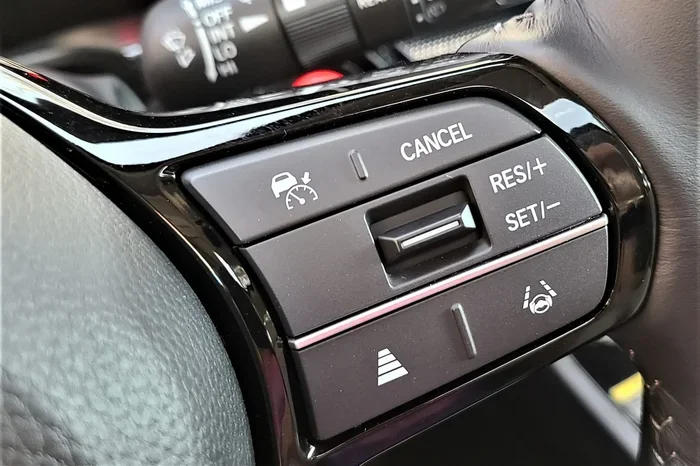
The fastest way is to look at your steering wheel. Cars with active cruise control usually have dedicated buttons. These might be labeled “CRUISE,” “ACC,” or show a car with a curved line in front of it. On the left or right side of the steering wheel, you might find buttons to set the speed, adjust the following distance, or turn the system on and off.
Here is what to look for:
- A button that says CRUISE or ACC ON
- A button to set your speed, often marked with a SET or RES label
- A button to increase or decrease the following distance
- A button to cancel or resume the system
If you find these buttons, there is a very good chance your car has active cruise control. But not all cars with cruise buttons have the adaptive kind. Some only have basic cruise control. So keep reading to learn how to tell the difference.
Look at the Dashboard Symbols
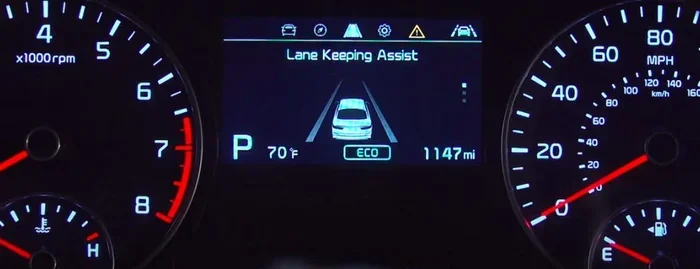
Your dashboard is another great place to check. When you turn on the ignition, many cars show a quick symbol test. If your car has active cruise control, you might see an ACC icon appear briefly. This symbol often looks like a car with a curved line or radar waves in front of it.
Once you are driving, if you turn on the system, the symbol will light up on your dashboard. It might be green or white when the system is ready. It might turn blue or another color when it is actively adjusting your speed. If you see this symbol, your car has adaptive cruise control.
Here are common dashboard symbols to watch for:
- A car icon with a radar wave in front
- A car icon with a curved arrow
- The letters “ACC” on the display
- A speedometer with a gap or distance line
Not sure what a symbol means? Check your owner’s manual. It will explain every light and icon on your dash.
Read Your Owner’s Manual
This might sound obvious, but many people never read their owner’s manual. It is one of the best ways to find out every feature your car has. Look for the section on driver assistance or cruise control. The manual will clearly state whether your car has active cruise control or just regular cruise control.
You can also search the manual for words like “radar,” “sensor,” or “adaptive.” These terms usually point to the ACC system. If your manual is lost, you can often find a PDF version on the car maker’s website. Just enter your car’s year, make, and model.
Use the Car Maker’s Website or App
Many car manufacturers now offer online tools to look up your vehicle’s features. You can visit the maker’s website and enter your vehicle identification number, or VIN. The VIN is a 17-character code found on your dashboard or driver’s side door frame.
Once you enter the VIN, the website will show you a full list of your car’s features. You can see if active cruise control is included. Some brands also have mobile apps that let you do this from your phone. This is one of the most accurate ways to confirm your car’s features.
Ask a Dealer or Service Center
If you still are not sure, call your car dealer or a local service center. Give them your VIN and ask if your car has active cruise control. They can look it up in their system. This method works well even for used cars. The service team can tell you exactly what features are installed.
How Active Cruise Control Works
The Role of Radar Sensors and Cameras
Active cruise control relies on sensors to work. Most systems use a radar sensor mounted behind the front grille or bumper. This sensor sends out radio waves that bounce off the vehicle ahead. By measuring the bounce-back, the system knows how far away the other car is and how fast it is moving.
Some newer cars use cameras instead of or in addition to radar. These cameras are usually mounted near the rearview mirror. They read road signs, detect lane markings, and help the ACC system make smarter decisions. Together, these sensors create a real-time picture of the traffic around you.
Stop-and-Go Functionality
One of the best features of modern active cruise control is stop-and-go capability. This means the system can bring your car to a complete stop in traffic. Then, when the car ahead starts moving, your car follows along. You do not need to do anything. Some systems resume automatically after a short stop. Others require you to tap the gas or press a button to restart.
This feature is incredibly useful in city driving and heavy traffic. It reduces the need for constant braking and accelerating. Over time, it can really cut down on driver fatigue.
Setting Your Following Distance
Most adaptive cruise control systems let you choose how close you follow the car ahead. You can usually pick from several distance levels, often shown as bars or numbers on your dashboard. A longer distance gives you more time to react. A shorter distance lets you keep up with faster traffic flow.
Here are some tips for setting your following distance:
- Use a longer distance at higher speeds
- Use a shorter distance in light traffic, but never too close
- Increase distance in rain, fog, or low-visibility conditions
- Let the system handle the adjustments once you set a comfortable gap
Remember, active cruise control is a helper, not a replacement for your attention. Always stay focused on the road.
Benefits of Having Active Cruise Control
Safer Highway Driving
One of the biggest benefits of active cruise control is safety. The system constantly monitors the car ahead of you. It reacts faster than most humans can. If the car in front brakes suddenly, your car will slow down too. This helps prevent rear-end collisions, which are among the most common types of accidents on highways.
Many ACC systems also work with other safety features. For example, they may pair with forward collision warning or automatic emergency braking. Together, these features create a strong safety net for drivers and passengers.
Reduced Driver Fatigue
Long road trips can be exhausting. Constantly adjusting your speed and watching the traffic can wear you out. Active cruise control takes over that job. You set the speed and distance, and the system handles the rest. This lets you focus more on the overall driving environment and less on the pedals.
Over long drives, this can make a big difference in how alert and comfortable you feel. Less fatigue means safer driving for everyone on the road.
Smoother Traffic Flow
When multiple cars on the highway use adaptive cruise control, traffic tends to flow more smoothly. The system helps reduce the “accordion effect,” where one car brakes and it causes a chain reaction of braking behind it. By reacting more smoothly, ACC can help reduce traffic jams and improve overall road efficiency.
Common Mistakes People Make with Active Cruise Control
Assuming ACC Works in All Conditions
One of the biggest mistakes drivers make is thinking active cruise control works everywhere. In reality, the system has limits. It may not work well in heavy rain, fog, or snow. The radar sensor can get blocked by dirt, ice, or debris on the front of the car. Always check your manual for the system’s limitations.
Overrelying on the System
Active cruise control is a driver-assist feature, not a self-driving feature. You must always keep your hands on the wheel and your eyes on the road. Some drivers get too comfortable and start distracted driving. This is dangerous and can lead to serious accidents. The system is there to help you, not replace you.
Not Maintaining the Sensors
The radar sensor and cameras that power ACC need to stay clean. A dirty front bumper or sensor cover can cause the system to malfunction or turn off. Make it a habit to clean the front of your car regularly, especially after road trips or in winter when salt and grime build up.
How to Know If Your Car Needs an ACC Upgrade
If your car does not have active cruise control, you are not stuck with it. Many vehicles can be retrofitted with an ACC system. Aftermarket kits are available from various brands. These kits include a radar sensor, control module, and wiring harness. A professional installer can set it up for you.
Before buying an upgrade, consider these factors:
- Compatibility with your car’s make and model
- Whether your car has the needed wiring and sensors already
- The cost of the kit and installation
- Whether the upgrade will void any existing warranties
Keep in mind that factory-installed active cruise control usually works better and integrates more smoothly with other safety features. Aftermarket systems can still be very effective, but they may not match the original equipment in every way.
Quick Tips for Using Active Cruise Control Safely
Here are some practical tips to get the most out of your ACC system:
- Always adjust your mirrors before turning on the system.
- Start with a longer following distance until you get comfortable with how the system behaves.
- Keep the sensor area clean — wipe down the front grille and bumper regularly.
- Turn off ACC in bad weather like heavy rain, fog, or icy roads.
- Stay alert — the system can fail or encounter situations it cannot handle.
- Use the cancel button when you need full control, like in tight traffic or construction zones.
- Practice in safe conditions first, such as on a clear highway with light traffic.
Expert Insights on Active Cruise Control
Automotive experts agree that active cruise control is one of the most valuable features for everyday driving. According to safety organizations, driver-assist technologies like ACC can significantly reduce accident rates on highways. The Insurance Institute for Highway Safety has published studies showing that cars with adaptive cruise control and lane-keeping assist have lower crash rates than those without.
Experts also stress that drivers should take the time to understand how their specific ACC system works. Every car maker designs their system a little differently. Some are more aggressive in braking, while others are more gentle. Reading the manual and testing the system in a safe environment can help you build confidence and use it effectively.
“Active cruise control is a stepping stone toward safer roads,” says automotive engineer Dr. Sarah Lin. “But it only works when drivers understand its limits and stay engaged.” This is a great reminder that technology is a tool, not a replacement for safe driving habits.
Key Takeaways
- Look for steering wheel controls: Most cars with active cruise control have dedicated buttons on the steering wheel.
- Check your dashboard symbols: A specific ACC icon appears when the system is active or available.
- Read your owner’s manual: It lists all your car’s features, including adaptive cruise control.
- Use the car maker’s app or website: Many brands let you look up your vehicle’s features online.
- Active cruise control differs from regular cruise control: It uses radar sensors to adjust speed automatically.
- Not all cars have it: It is often a higher trim or optional feature, especially in older models.
Conclusion
So, how do you know if you have active cruise control in your car? The answer is simpler than you might think. Start by checking your steering wheel for dedicated ACC buttons. Look at your dashboard for the ACC symbol. Read your owner’s manual or look up your VIN on the car maker’s website. Each of these methods is fast and easy. You do not need any special tools or expertise.
Active cruise control is a fantastic feature that makes driving safer, smoother, and less tiring. Whether you are on a long highway trip or stuck in daily traffic, it can make a real difference. If your car does not have it, you might want to consider an upgrade — either through a factory option or an aftermarket kit.
Now that you know how to check, take a few minutes to look into your own car. You might be surprised by what you find. And if you do have active cruise control, take the time to learn how to use it properly. A well-understood ACC system is one of the best investments you can make in your daily driving experience.
Frequently Asked Questions
What does the active cruise control symbol look like?
The ACC symbol usually looks like a car with a curved line or radar waves in front of it. It may also show the letters “ACC” on your dashboard display. The symbol is typically green, white, or blue when the system is active or ready to use.
Can I add active cruise control to an older car?
Yes, you can. Aftermarket ACC kits are available for many vehicles. These kits include a radar sensor, control unit, and wiring. A professional installer can set it up. However, factory-installed systems usually work more smoothly and integrate better with other safety features.
Is active cruise control the same as self-driving?
No. Active cruise control is a driver-assist feature, not a self-driving system. You must always keep your hands on the wheel and pay attention to the road. ACC helps with speed and following distance, but it does not steer the car or handle all driving situations.
Does active cruise control work in all weather conditions?
Not always. Heavy rain, fog, snow, or ice can affect the radar sensor and cameras. The system may not work properly or may turn off in poor conditions. Always check your owner’s manual for the system’s weather limitations and use caution in bad weather.
How do I turn off active cruise control?
You can turn off ACC by pressing the cancel button on the steering wheel. Some cars also let you turn it off through the dashboard display settings. When the system is off, your car will behave like a regular vehicle without cruise control.
What is the difference between ACC and regular cruise control?
Regular cruise control keeps your car at one set speed. You must brake yourself when traffic slows down. Active cruise control uses sensors to adjust your speed automatically. It slows down when the car ahead is slower and speeds back up when the road clears.