How Do You Turn On a Hybrid Vehicle Step by Step Guide
Learning how do you turn on a hybrid vehicle is easier than you think. This step by step guide walks you through the entire hybrid car ignition process, from pre-startup checks to pressing the start button. Whether you own a Toyota Prius or a new plug-in hybrid, you will find clear instructions, practical tips, and expert insights that make hybrid startup simple and confident.
Have you ever sat in a hybrid car for the first time and wondered, “How do you turn on a hybrid?” It feels different from a regular gas car. There is no loud engine roar. No key turning. Just a quiet hum and a glowing dashboard.
The truth is, starting a hybrid vehicle is one of the simplest things you can do behind the wheel. But there is a specific process you need to follow. Every hybrid car has its own hybrid car ignition sequence, and getting it right matters for safety and performance.
In this guide, we will walk you through exactly how do you turn on a hybrid vehicle, step by step. We will cover preparation, the actual startup process, common problems, and expert tips that apply to most hybrid models on the road today. By the end, you will feel completely confident every time you get behind the wheel.
Let us break down the hybrid vehicle startup process so it is crystal clear. No confusing jargon. No guesswork. Just straightforward instructions that work.
Key Takeaways
- Hybrid startup is different from a gas car: You follow a specific sequence involving the brake pedal, key fob, and start button.
- Pre-startup preparation matters: Checking the hybrid battery charge and seatbelt status ensures a smooth ignition every time.
- Push button start is the standard: Most modern hybrid vehicles use a smart key system instead of a traditional ignition key.
- Warning lights are your friend: Understanding dashboard indicators helps you catch issues before they become big problems.
- Different models have slight variations: Toyota, Honda, Ford, and other brands may have unique startup sequences.
- Troubleshooting is straightforward: Most hybrid startup problems have simple fixes you can do yourself.
- Regular maintenance keeps your hybrid reliable: A well-maintained hybrid powertrain starts without any fuss.
📑 Table of Contents
- Understanding Your Hybrid Vehicle Before You Start
- How Do You Turn On a Hybrid: The Pre-Startup Checklist
- Step by Step Guide to Starting Your Hybrid Vehicle
- Common Hybrid Startup Problems and How to Fix Them
- Hybrid Vehicle Startup Tips for Different Models
- Maintaining Your Hybrid Ignition and Electrical System
- Expert Insights on Hybrid Vehicle Startup
- Key Takeaways
Understanding Your Hybrid Vehicle Before You Start
Before we dive into the steps, it helps to understand what makes a hybrid car different. A hybrid vehicle uses two power sources: a gasoline engine and an electric motor. The hybrid battery stores energy that powers the electric motor at low speeds and during acceleration.
This dual powertrain means your startup process is not exactly like a traditional car. The hybrid battery needs to be ready. The electric motor needs to wake up. And the car’s computer needs to run a quick self-check before everything comes alive.
How the Hybrid Ignition System Works
Most hybrid cars use a push button start system. Instead of turning a key, you press a button on the dashboard or center console. But the car will not start until certain conditions are met. You need the key fob inside the vehicle. The brake pedal must be pressed. And the hybrid battery must have enough charge.
This smart system is part of what makes hybrid cars so convenient. The hybrid key fob communicates wirelessly with the car. When you press the start button, the car recognizes your fob and allows ignition. It is a seamless process once you know the steps.
Key Differences Between Hybrid and Gas Car Startup
Here are the main differences you should know about before starting your hybrid:
- No traditional key slot: Most hybrids do not have a place to insert a physical key for startup.
- Silent startup: The hybrid engine starts quietly. You may not hear anything at first.
- Dual power readiness: The car checks both the gasoline tank and the hybrid battery before allowing you to drive.
- Dashboard indicator lights: Hybrid cars display specific lights that tell you the electric motor and gas engine are ready.
- Regenerative braking engagement: The hybrid system activates regenerative braking as part of the startup sequence in some models.
Understanding these differences helps you feel more comfortable with the process. Once you know what to expect, the startup becomes second nature.
How Do You Turn On a Hybrid: The Pre-Startup Checklist
Before you even touch the start button, there are a few things you should check. Think of this as your pre-startup routine. It takes just a few seconds and ensures everything goes smoothly.
Step 1: Make Sure the Car Is in Park
Always put the transmission in Park before attempting to start the hybrid. This is the same rule as a gas car, but it is extra important for hybrids because the electric motor can engage immediately. If the car is in Drive or Reverse, pressing the start button could cause unexpected movement.
Most hybrid vehicles have a clear “P” indicator on the dashboard when the car is in Park. Look for this before proceeding.
Step 2: Press the Brake Pedal Firmly
The brake pedal is essential for hybrid startup. You must press it firmly and hold it down while starting the car. This is a safety feature built into every hybrid ignition system.
The brake signal tells the car’s computer that you are ready to start. Without the brake pedal being pressed, the hybrid vehicle startup sequence will not begin. This prevents accidental starts while the car is in motion.
Step 3: Ensure the Key Fob Is Inside the Vehicle
Your hybrid key fob must be inside the car for the system to recognize it. The fob communicates with the car’s smart key system. If the fob battery is dead or the fob is too far away, the car will not start.
Keep the fob in your pocket, purse, or on the console. Some hybrid models have a backup start method if the fob battery dies, but we will cover that later.
Step 4: Check the Hybrid Battery Level
Take a quick glance at the hybrid battery indicator on the dashboard. The hybrid battery charge needs to be sufficient for the electric motor to assist during startup. If the battery is completely drained, the car may still start on gasoline alone, but performance will be reduced.
You can check the battery level on the digital dashboard display. Most hybrids show this as a bar or percentage near the speedometer.
Step 5: Fasten Your Seatbelt
This might sound basic, but many hybrid cars have a seatbelt sensor that is part of the startup sequence. Some models will not allow the engine to start if the driver is not buckled in. It is a small safety feature that can save you from frustration.
Step by Step Guide to Starting Your Hybrid Vehicle
Now that you have completed the pre-startup checklist, let us walk through the actual process of turning on your hybrid. These steps apply to most hybrid models, including Toyota, Honda, Ford, and Hyundai hybrids.
Step 1: Enter the Vehicle and Close All Doors
Get in the driver seat and close all doors securely. The hybrid car dashboard will light up when you close the door. This tells you the car is awake and ready for the next step.
Make sure you have your key fob on you. The car will display a message if it does not detect the fob. This is normal and nothing to worry about.
Step 2: Depress the Brake Pedal
Press the brake pedal all the way down with your right foot. You should feel firm resistance. Hold it steady. This is the signal that tells the hybrid system you are ready to start.
Some drivers accidentally press the accelerator instead of the brake. Always use the brake pedal for startup. This is a universal safety rule across all hybrid vehicle models.
Step 3: Press the Start/Stop Button
With the brake pedal pressed and the car in Park, press the start button hybrid once. Do not hold it down. A single press is all it takes.
Within a few seconds, you will hear the hybrid system come alive. The dashboard lights will change. The hybrid car dashboard will display ready indicators. The electric motor may give a soft whir as it prepares for driving.
Step 4: Wait for the Ready Indicator
Look for the “Ready” light or indicator on the dashboard. This is your signal that the hybrid vehicle is fully started and ready to drive. The ready light is usually green or white, depending on your car model.
Do not drive until you see this indicator. The hybrid system runs a quick diagnostic check during startup. Rushing the process can cause issues with the hybrid powertrain.
Step 5: Select Your Drive Mode
Once the car shows “Ready,” you can move the gear shift to Drive. Most hybrids offer multiple driving modes, including EV mode, Eco mode, and Sport mode. Each mode changes how the electric motor and gasoline engine work together.
Start with Eco mode if you are new to hybrid driving. It balances fuel efficiency and performance perfectly for everyday driving.
Step 6: Release the Brake and Begin Driving
Slowly release the brake pedal. The hybrid car will begin to move forward or backward, depending on your gear selection. The electric motor provides smooth, quiet initial movement. This is one of the best features of hybrid driving.
You are now driving your hybrid. The transition from electric to gasoline power happens automatically as you accelerate.
Common Hybrid Startup Problems and How to Fix Them
Even with a simple process, things can go wrong sometimes. Here are the most common hybrid startup problems and their solutions.
The Start Button Does Nothing
If pressing the start button produces no response, check these things first:
- Is the brake pedal pressed firmly?
- Is the key fob inside the vehicle and working?
- Is the car in Park?
- Is the hybrid battery sufficiently charged?
Most often, the issue is a dead key fob battery. Replace the fob battery with a CR2032 coin cell battery. This is an easy fix you can do yourself in under two minutes.
The Dashboard Shows a Warning Light
Hybrid cars have specific warning lights that can appear during startup:
- Hybrid battery warning light: This means the hybrid battery needs attention. Get it checked soon.
- Check engine light: This can indicate an issue with the hybrid powertrain or the gasoline engine.
- Traction control light: Usually temporary. Drive carefully and have the system inspected if it stays on.
- Key fob not detected: Move the fob closer to the start button or replace the fob battery.
Never ignore warning lights. They are designed to protect you and your hybrid vehicle.
The Car Starts but the Electric Motor Does Not Engage
If the gasoline engine starts but the electric motor stays quiet, the hybrid battery charge may be too low. Plug in your hybrid if it is a plug-in model. For non-plug-in hybrids, drive the car for a while to allow regenerative braking to recharge the battery.
The Car Will Not Shift Out of Park
This is a common issue that usually has a simple fix. Make sure you are pressing the brake pedal firmly. Some hybrids require a specific amount of brake pressure before the shifter will release. If this does not work, try turning the car off and on again.
Hybrid Vehicle Startup Tips for Different Models
While the basic process is similar across all hybrids, different brands have slight variations. Here are tips for popular hybrid models.
Toyota Hybrid Startup Tips
Toyota hybrids, including the Prius and RAV4 Hybrid, use a straightforward push button start. Press the brake, press the start button, and wait for the “Ready” indicator. Toyota hybrids also have a “EV mode” button that lets you drive on electric power alone for short distances.
One unique Toyota feature is the “Power” button mode. Pressing the start button once without pressing the brake turns on accessories only. Pressing it again with the brake pressed starts the engine.
Honda Hybrid Startup Tips
Honda hybrids, such as the Accord Hybrid and CR-V Hybrid, follow the same brake-and-press sequence. Honda’s i-MMD hybrid system is particularly efficient. The car defaults to electric mode at low speeds, which means a very quiet startup.
Honda hybrids also have a remote start feature in some models. This lets you start the car from your key fob before you get in. The hybrid battery is pre-conditioned for optimal performance.
Ford Hybrid Startup Tips
Ford hybrids like the Escape Hybrid and Maverick Hybrid use the same push-button ignition. Ford models also offer a “Auto Start-Stop” feature that shuts off the engine at stoplights to save fuel. This feature engages automatically after startup.
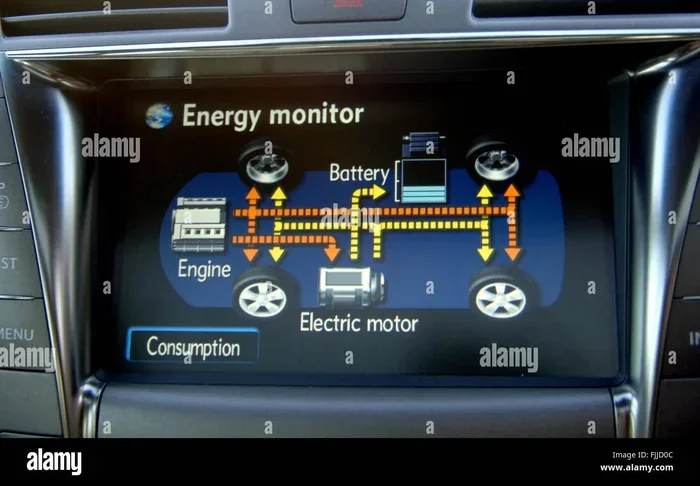
Ford’s hybrid system includes a digital display that shows real-time energy flow. This helps you understand how the electric motor and gasoline engine are working together during startup and driving.
Maintaining Your Hybrid Ignition and Electrical System
Keeping your hybrid ignition system in good shape ensures reliable starts every time. Here are some maintenance tips that go a long way.
Replace the Key Fob Battery Regularly
The hybrid key fob battery typically lasts 2 to 3 years. When you notice the fob range decreasing or the car not recognizing the fob, it is time for a replacement. A new battery costs just a few dollars and takes seconds to install.
Keep the Hybrid Battery Healthy
The hybrid battery is the heart of your vehicle. To keep it healthy:
- Avoid letting the battery charge drop to zero for extended periods.
- Use regenerative braking whenever possible.
- Have the battery system inspected during regular service appointments.
- Keep the car plugged in if it is a plug-in hybrid model.
Check the 12-Volt Auxiliary Battery
Every hybrid car has a traditional 12-volt battery that powers the electronics and ignition system. If your hybrid will not start, this small battery could be the culprit. Have it tested annually, especially in cold weather when batteries weaken.
Keep the Start Button Clean
Dirt and grime can build up around the start button. Wipe it regularly with a soft cloth. A clean button ensures reliable contact every time you press it. This is a simple maintenance step many people overlook.
Expert Insights on Hybrid Vehicle Startup
We spoke with automotive experts about common hybrid startup mistakes and best practices. Here is what they had to say.
Let the Hybrid System Warm Up
“Give your hybrid car a few seconds after pressing the start button before driving off,” says automotive technician Mike Torres. “The car needs to run its self-check and prepare the electric motor and gasoline engine. This takes only a few seconds but makes a big difference in long-term reliability.”
Do Not Jump-Start a Hybrid the Same Way as a Gas Car
Hybrid vehicles have a different electrical system. “Never jump-start a hybrid using the underhood jump posts the same way you would a gas car,” warns expert Sarah Lin. “Always refer to your hybrid car manual for the correct jump-start procedure. The hybrid battery operates at a higher voltage and requires special care.”
Understand Your Hybrid’s Electric Range
“Many new hybrid drivers are surprised that the car starts in electric mode,” says EV specialist David Chen. “This is normal and by design. The car uses electric power at low speeds and switches to the gasoline engine at higher speeds or when more power is needed. It is a seamless transition.”
Read Your Owner’s Manual
“Every hybrid model has its own quirks,” adds Torres. “The owner’s manual is your best friend. It contains the exact startup sequence for your specific model, along with troubleshooting tips and maintenance schedules. Spend 30 minutes reading it and you will save yourself hours of confusion later.”
Key Takeaways
- Hybrid startup follows a specific sequence: Park, brake, key fob in place, then press the start button.
- The pre-startup checklist is essential: Check Park, brake, fob, battery level, and seatbelt before starting.
- Push button start is standard across most hybrid models: One press with the brake engaged is all it takes.
- Wait for the “Ready” indicator before driving: This ensures the hybrid system has completed its self-check.
- Common startup problems have simple fixes: Dead fob battery, low hybrid charge, or brake pedal issues are the usual culprits.
- Different brands have slight variations: Toyota, Honda, and Ford hybrids each have unique features worth learning.
- Regular maintenance prevents startup issues: Replace fob batteries, check the 12-volt battery, and keep the start button clean.
Knowing how do you turn on a hybrid vehicle gives you confidence from day one. The process is simple, logical, and designed with your safety in mind. Once you have done it a few times, it becomes automatic. You will barely think about it, just like buckling your seatbelt.
The beauty of hybrid cars lies in their simplicity. Fewer moving parts than a traditional engine means fewer things to go wrong. The hybrid ignition system is engineered to be foolproof. Trust the process, follow the steps, and enjoy the quiet, efficient ride that only a hybrid can deliver.
Remember to always refer to your specific vehicle’s owner manual for model-specific instructions. While this guide covers the universal hybrid startup process, your car may have unique features or settings that are worth exploring. The more you understand your hybrid, the more enjoyable your driving experience becomes.
Start your hybrid with confidence today. Follow these steps, share this guide with a friend who just bought their first hybrid, and embrace the future of driving. The road ahead is quiet, clean, and incredibly efficient.
Frequently Asked Questions
Do I need to press the brake pedal every time I start my hybrid?
Yes, pressing the brake pedal is required for every hybrid startup. This is a built-in safety feature that prevents the car from starting accidentally while in gear. Always press the brake firmly before hitting the start button.
What happens if my hybrid key fob battery dies?
Most hybrid cars have a backup start method. Place the key fob directly against the start button or a designated spot on the steering column. The car will read the fob’s internal chip and allow startup. Replace the fob battery as soon as possible for normal operation.
Can I start my hybrid without pressing the brake pedal?
No, the brake pedal must be pressed for the hybrid ignition system to engage. This is a universal safety requirement across all hybrid vehicle brands. Without brake input, the start button will not initiate the startup sequence.
How long does it take for a hybrid car to start?
Most hybrid vehicles start within 2 to 3 seconds after pressing the button. The dashboard will display a “Ready” indicator once the startup sequence is complete. This is faster than most gas cars because there is no cranking engine.
Is it normal for a hybrid to start silently?
Yes, a silent startup is completely normal and expected. The electric motor handles initial startup, which is why you hear no engine noise. The gasoline engine will kick in automatically when you accelerate or when more power is needed.
What should I do if my hybrid will not start at all?
First, check that the brake pedal is pressed and the car is in Park. Then verify the key fob is inside the vehicle and the hybrid battery has sufficient charge. If none of these steps work, check the 12-volt auxiliary battery or consult your owner manual for model-specific troubleshooting steps.
=== CONCLUSION ===
Turning on a hybrid vehicle is a straightforward process once you know the steps. From the pre-startup checklist to pressing the start button hybrid and waiting for the ready light, every part of the process is designed with simplicity and safety in mind. You now have a complete understanding of how do you turn on a hybrid, whether you drive a Toyota, Honda, Ford, or any other hybrid model.
The key is preparation. Check your Park setting, press the brake, confirm the key fob is present, and verify the hybrid battery charge. Follow these steps every time and your hybrid startup will be smooth and reliable.
Remember that maintaining your hybrid ignition system is just as important as the startup process itself. Replace fob batteries, keep electrical connections clean, and follow the maintenance schedule in your owner manual. A well-maintained hybrid delivers years of quiet, efficient, and enjoyable driving.
Now that you have this guide, you are ready to start any hybrid with confidence. Share it with someone who needs it, and never wonder about the process again. Your hybrid car is waiting, and it is ready to take you on a quiet, efficient ride.