How Do You Use the Physical Key in a Push Start Car
Using the physical key in a push start car is easier than most drivers think. Every push start vehicle has a backup key slot hidden somewhere on the car. This guide walks you through finding the slot, inserting the key, and starting your engine in seconds. You will also learn what to do when your key fob battery dies and how to avoid common mistakes.
You walk up to your car. You press the button on your key fob. Nothing happens. The dashboard lights come on, but the engine refuses to turn over. Your heart sinks a little because you assumed the push start system would just work every time. But here is the thing most drivers do not realize. Every push start vehicle has a built-in backup system. It uses a physical key that you probably did not even know was there.
This article will show you exactly how to use the physical key in a push start car. We will cover where the key slot is hidden, how to remove the emergency key blade, and the simple steps to get your engine running. Whether your key fob battery died or your smart key system is acting up, you will be back on the road in minutes.
The process is straightforward once you know what to look for. Car manufacturers design these backup systems for a reason. They want you to never be completely stranded. So let us walk through it together, step by step, so you feel confident the next time it happens.
Key Takeaways
- Every push start car has a hidden physical key slot: It is usually on the steering column or center console.
- The emergency key blade is stored inside the key fob: You must remove it before use.
- Starting the car with a physical key follows a simple process: Step on the brake, insert the key, and turn it.
- A dead key fob battery does not leave you stranded: The physical key serves as your reliable backup.
- Common mistakes include not pressing the brake pedal: This is the most frequent reason the car will not start.
- Regular maintenance of your key fob prevents issues: Replace the battery every 1-2 years.
- Knowing this process builds confidence: You will never be stuck if your smart key system fails.
📑 Table of Contents
- Why Push Start Cars Still Use a Physical Key
- How to Find the Hidden Key Slot
- Step-by-Step Guide to Starting Your Push Start Car with a Physical Key
- What to Do When Your Key Fob Battery Dies
- Common Mistakes When Using the Physical Key
- How the Physical Key Compares to the Key Fob
- Expert Insights on Push Start Car Keys
- Maintenance Tips for Your Push Start Key System
- Key Takeaways
- Conclusion
Why Push Start Cars Still Use a Physical Key
Modern cars are packed with technology. Keyless entry, push button start, and smart key systems make driving feel futuristic. But car engineers know that technology can fail. Batteries die. Sensors malfunction. Electronics get wet. That is why every push start car still includes a physical key slot as a failsafe.
The physical key is part of your vehicle security system. It uses a transponder chip that communicates with your car’s engine control unit. Without the right chip, the car will not start even if someone tries to hot-wire it. This means your backup key is just as secure as your fancy key fob.
What Is a Smart Key System?
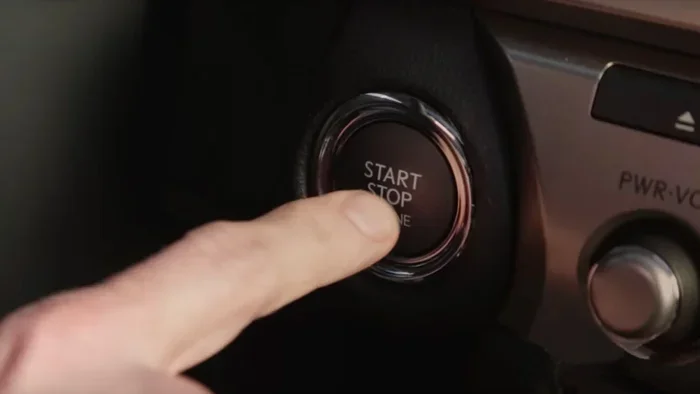
A smart key system lets you unlock and start your car without physically inserting a key. The car detects the key fob nearby and allows you to press the start button. This is called keyless entry and keyless ignition. It is convenient, but it relies on a battery inside the fob. When that battery runs low or dies, the system cannot detect the fob anymore.
This is exactly when the physical key blade becomes your best friend. Car makers have always included this backup because they understand that no technology is perfect. The key slot gives you a manual way to start the engine and keep moving.
The Role of the Transponder Chip
Inside both your key fob and the physical key blade is a small transponder chip. This chip sends a unique code to your car when you try to start it. The car’s computer checks if the code matches. If it does, the engine starts. If not, the car stays locked. This is a key part of your vehicle security system and helps prevent theft.
So even when you use the emergency key from the fob, the transponder chip still works. You are not losing any security by using the backup method. The car does not know or care whether you used the fob or the physical key, as long as the chip is recognized.
How to Find the Hidden Key Slot
The key slot on a push start car is not always obvious. Manufacturers hide it in different locations depending on the brand and model. But once you know where to look, you will spot it every time.
Here are the most common places to find the hidden key slot on your vehicle:
- Steering column area: This is the most common location. Look for a small cover panel just below the steering wheel on the right side.
- Center console: Some cars place the slot near the gear shifter or on the center stack.
- Dashboard near the start button: A few models have the slot right next to the ignition button.
- Trunk area: In rare cases, the slot may be inside the trunk near the latch.
Check your owner’s manual if you are unsure. The manual will show you the exact location for your specific make and model. It is a good idea to familiarize yourself with this before you actually need it.
How to Remove the Emergency Key Blade
The physical key blade is hidden inside your key fob. You need to release it before you can use it. Here is how to do it for most cars:
- Look at the sides of your key fob. Find a small button or sliding latch.
- Press or slide the latch. The fob will split into two pieces.
- Pull the metal key blade out gently. It will slide out from the top or side of the fob.
- Set the fob parts aside safely.
That is it. You now have your emergency key ready to use. The blade is usually a standard flat key, though some newer cars use a retractable key that looks like a small switchblade.
Quick Tip: Keep the emergency key blade accessible at all times. Do not leave it sitting in the fob if you know the fob battery is low. Having it ready saves you time and frustration when you need it most.
Step-by-Step Guide to Starting Your Push Start Car with a Physical Key
Now that you have the key blade out and have located the slot, let us walk through the actual starting process. Follow these steps carefully and your car will start on the first try.
Step 1: Get Inside and Close All Doors
Sit in the driver’s seat and close the door behind you. Make sure all doors are fully shut. Some cars will not allow you to start the engine if a door is open. This is a safety feature that keeps you protected while driving.
Step 2: Press the Brake Pedal Firmly
This is the step most people forget. You must press the brake pedal all the way down before the car will start. The push button start system requires this as a safety measure. It prevents the car from lurching forward unexpectedly.
If you skip this step, the dashboard will show a warning light, and the engine will not turn over. Even with the physical key, the brake pedal must be pressed.
Step 3: Insert the Physical Key into the Slot
Take the key blade and insert it into the hidden key slot. Push it in gently until you feel it click into place. The key should slide in smoothly. If it feels stuck, do not force it. Check that you are using the right slot and the correct key.
Step 4: Turn the Key to the Ignition Position
Once the key is inserted, turn it clockwise. You will feel it move through two or three positions:
- Position 1: Accessories mode. This powers up your radio and lights but does not start the engine.
- Position 2: On mode. All dashboard lights and systems activate.
- Position 3: Start mode. This engages the engine. Release the key once the engine turns over.
The key will spring back to the On position after you release it. You should hear the engine roar to life. If you do not, try turning the key again. Sometimes it takes a second attempt.
Step 5: Release the Key and Drive
After the engine starts, remove the key from the slot. You can now drive normally. The push button start system will continue to work once the key fob battery is replaced or the fob is detected again.
Quick Tip: If you are driving somewhere to get a new key fob battery, you can use the physical key to start the car. Just remember to replace the fob battery as soon as possible so you can go back to using the convenient push start method.
What to Do When Your Key Fob Battery Dies
A dead key fob battery is the number one reason drivers need to use the physical key. The good news is that replacing the battery is easy and inexpensive. Most key fobs use a small CR2025 or CR2032 coin cell battery.
Here is what to do when your fob battery dies:
- Use the emergency key blade to start the car using the method described above.
- Drive to the nearest auto parts store or dealership.
- Replace the battery in your key fob. You can find instructions in your owner’s manual or watch a quick video online.
- Once the new battery is in, test the fob by pressing the start button.
Most car owners can replace the fob battery in under five minutes. It is one of the simplest car maintenance tasks you can do at home. Keep a spare battery in your glove box so you are always prepared.
How Often Should You Replace the Key Fob Battery?
Most key fob batteries last between one and two years. If you notice that your keyless entry range is getting shorter, that is a sign the battery is weakening. Other signs include needing to press the button multiple times or holding the fob very close to the start button.
Replacing the battery early prevents the inconvenience of a completely dead fob. Set a reminder on your phone every six months to check the battery life. This small habit can save you a lot of trouble down the road.
Common Mistakes When Using the Physical Key
Even though the process is simple, people still make mistakes. Here are the most common ones and how to avoid them.
Forgetting to Press the Brake Pedal
This is the single biggest mistake. Many drivers insert the key and turn it but forget to press the brake. The car will not start without the brake pedal being pressed. This applies to both the key fob method and the physical key method.
If your car does not start, the first thing you should check is whether your foot is on the brake. It sounds obvious, but it happens all the time.
Forcing the Key into the Wrong Slot
Not every slot on your car is the key slot. Some cars have covers or panels that look like they could open. Forcing the key into the wrong spot can damage the lock mechanism or scratch your car. If the key does not slide in easily, stop and look for the correct slot.
Not Removing the Key Blade from the Fob
Some people try to use the whole fob in the slot, but it will not fit. You must remove the key blade first. The fob is too bulky and does not have the right shape for the slot. Always take the blade out before inserting it.
Ignoring the Transponder Chip
Every physical key has a transponder chip embedded in the plastic head. Without this chip, the car’s security system will reject the key. If you have a duplicate key made at a hardware store, make sure it includes the transponder chip. A key without the chip will turn in the slot but will not start the engine.
How the Physical Key Compares to the Key Fob
Both the physical key and the key fob serve the same purpose. They let you start your car. But they work in different ways and have different strengths.
| Feature | Key Fob | Physical Key |
|---|---|---|
| Method of use | Press button near car | Insert blade into slot |
| Battery required | Yes | No (chip powered by car) |
| Convenience | Very high | Moderate |
| Works when dead | No | Yes |
| Security level | High (transponder chip) | High (transponder chip) |
| Ease of replacement | Replace battery | No maintenance needed |
| Cost | Low battery cost | Free to use |
As you can see, the physical key has one major advantage. It works even when everything else fails. The key fob is more convenient for daily use, but the physical key is your reliable backup. Smart drivers keep both options in mind.
Expert Insights on Push Start Car Keys
We spoke with automotive technicians who deal with this issue regularly. Here is what they had to say about using the physical key in a push start car.
“The number one question we get is about the hidden key slot,” says Jake Morrison, a certified auto technician with over 15 years of experience. “Most drivers do not even know it exists until their key fob battery dies. I always tell my customers to find their key slot now, before they need it. It takes two minutes and saves a lot of stress.”
Another technician, Maria Chen, adds that keeping the emergency key blade in a safe but accessible place is important. “I recommend keeping a spare key blade in your glove box,” she says. “If you lose the main fob or the battery dies on the road, having a backup key blade can get you out of a tight spot.”
Both experts agree that understanding your car’s smart key system and its backup options is essential for every driver. Technology is great, but knowing the manual override gives you peace of mind.
Maintenance Tips for Your Push Start Key System
Taking care of your key system helps prevent problems. Here are some simple car maintenance tips that keep everything running smoothly:
- Replace the fob battery every 12 to 18 months: Even if it still works, a fresh battery prevents unexpected failures.
- Keep the key blade clean: Wipe it with a dry cloth to prevent rust or corrosion on the metal.
- Store the fob away from water: Water damage can kill the electronics inside the fob.
- Test your fob regularly: Stand a few feet from your car and press the start button. If it does not respond, check the battery.
- Know your car’s manual: The owner’s manual has specific instructions for your model. Keep a copy in the glove box.
These small habits add up over time. They keep your push button start system working reliably and ensure you are never caught off guard.
Key Takeaways
- Every push start car has a hidden physical key slot: Check your owner’s manual or look near the steering column for the slot location.
- The emergency key blade is stored inside the key fob: Remove it by pressing the release button or sliding the latch on the fob.
- Always press the brake pedal before starting: This is required even when using the physical key and is the most common mistake drivers make.
- The physical key works just as well as the key fob: Both use a transponder chip, so your car’s security is fully maintained.
- A dead key fob battery is the most common reason to use the physical key: Keep a spare battery on hand and replace it regularly.
- Knowing this process builds confidence: You will never be stranded because of a dead fob battery or a smart key system failure.
Conclusion
Using the physical key in a push start car is a simple skill that every driver should know. It takes less than a minute to learn and can save you from a frustrating situation on a bad day. The hidden key slot, the emergency key blade, and the step-by-step process are all designed to keep you moving when your key fob battery dies or your smart key system acts up.
Take a few minutes right now to find your car’s key slot and remove the emergency key blade. Practice the steps once or twice. When the time comes that you actually need it, you will be glad you did. Push start cars are convenient, but the physical key is the backup that makes them truly reliable.
Stay prepared, keep a spare battery in your glove box, and remember that technology always has a manual fallback. Your physical key is that fallback, and now you know exactly how to use it.
Frequently Asked Questions
Where is the physical key slot located on a push start car?
The key slot is usually found on the steering column, near the right side of the steering wheel. Some models place it on the center console or near the start button. Check your owner’s manual for the exact location on your specific vehicle.
Can I start a push start car with just the physical key if the key fob is completely dead?
Yes. The physical key blade has its own transponder chip that communicates with the car’s engine. Even if the key fob battery is completely dead, inserting the physical key and turning it will start the engine normally.
How do I remove the emergency key from my key fob?
Look for a small button or sliding latch on the side of the fob. Press or slide it, and the fob will split open. The metal key blade will slide out from inside. Different fob designs vary slightly, so refer to your car’s manual if needed.
What type of battery does a push start key fob use?
Most push start key fobs use a CR2025 or CR2032 coin cell battery. These are widely available at auto parts stores, pharmacies, and grocery stores. Replacing the battery takes only a few minutes.
Will using the physical key damage my push start system?
No. Using the physical key is a built-in feature designed by the manufacturer. It will not damage your push button start system in any way. The car is engineered to accept both the key fob and the physical key.
How often should I replace my key fob battery?
Most key fob batteries last 12 to 18 months. If you notice reduced range or need to press the button multiple times, it is time for a replacement. Keeping a spare battery in your glove box is a smart habit.