Can You Drive Your Car With a Dead Key Fob and Start
Can You Drive Your Car With a Dead Key Fob? The short answer is yes, in most cases you can still drive and start your vehicle even when the key fob battery dies. Modern cars have backup systems that allow the dead key fob to communicate with the car through a backup start method or a hidden key slot. This guide walks you through exactly what happens, how to start your car, and how to prevent this issue from slowing you down again.
There is nothing worse than stepping into your car, pressing the push button start, and hearing silence. You wave the key fob near the car ignition, but nothing happens. Your key fob not working situation just became real, and you are standing in your driveway wondering if your car is totally dead.
The good news is that you can almost always drive your car with a dead key fob. Most modern vehicles have built-in backup systems designed exactly for this moment. Whether you have a hybrid vehicle or a traditional gas car, the process is usually simpler than you think. Let us walk through everything you need to know about starting your car with a dead key fob and getting back on the road.
Key Takeaways
- You can still drive: Most cars with push button start have a backup method to start the engine even with a dead key fob.
- Check the dashboard: Your car will usually warn you about the key fob signal before it fully dies.
- Replace the battery: A simple CR2032 battery swap often fixes the problem in minutes.
- Keep a spare: Always have a backup key fob or hidden mechanical key in your car.
- Know your car: Different brands have different emergency start procedures for a dead key fob.
- Prevention is easy: Replace the car key fob battery every 1 to 2 years to avoid surprises.
📑 Table of Contents
What Happens When Your Key Fob Dies While Driving
A dead key fob does not mean your car instantly shuts off on the highway. Understanding what actually happens helps you stay calm and take the right steps. The immobilizer system in your car is designed to prevent theft, not to strand you.
The Role of the Proximity Sensor
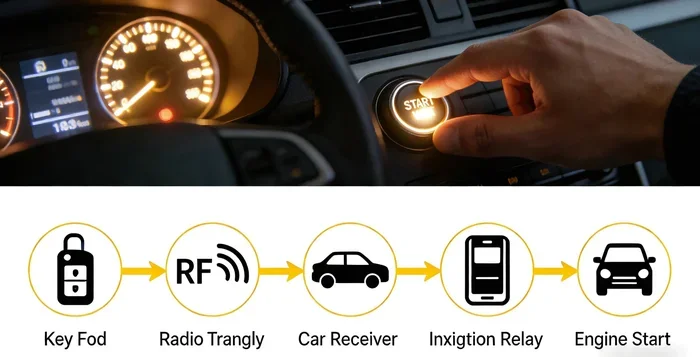
Most modern cars use a proximity sensor to detect the key fob inside the cabin. This sensor sends out a low-energy key fob signal that the car reads constantly. When the battery in the fob dies, the sensor can no longer pick up that signal.
Here is what typically happens:
- The dashboard displays a warning light or message about the key fob battery being low.
- The car may beep or flash a reminder on the instrument cluster.
- If you ignore the warning, the push button start system will eventually fail to recognize the fob.
- Some cars allow you to keep driving even after the fob dies completely.
The steering wheel lock may also engage in some models, which can feel alarming. But this is a normal safety feature, not a sign that something is broken. Understanding these warnings gives you time to act before you are truly stuck.
Can You Still Drive With a Dead Key Fob?
In most vehicles, yes. If the car is already running and the fob dies mid-drive, you can usually keep going. The immobilizer system typically only blocks starting the engine, not keeping it running. This means you can drive to the nearest auto parts store or home to fix the issue.
However, some older models or certain luxury brands may behave differently. Always check your owner manual for the specific key fob troubleshooting steps for your car. The manual is your best friend when dealing with a dead key fob situation.
Can You Start Your Car With a Dead Key Fob
The emergency start procedure varies by car brand and model. But nearly every vehicle made after 2010 has some form of backup method to start car without key fob. Here are the most common methods you can try right now.
The Backup Start Method
Most cars with push button start have a hidden spot where you can place the dead fob to start the engine. This spot is usually located on the steering column, the center console, or the armrest. The idea is simple: the car uses a secondary antenna to read the fob even when its battery is dead.
Here is what to do:
- Press the brake pedal firmly.
- Hold the dead key fob directly against the push button start.
- Press the start button as you normally would.
- The car should recognize the fob through direct contact and start the engine.
This backup start method works because the car switches to a low-frequency reader that can detect the fob even without a working battery. It is a clever design that saves you from being stranded.
Brand-Specific Procedures
Different car brands have slightly different approaches. Here is a quick look at how some popular manufacturers handle a dead key fob:
| Brand | Backup Start Location | Notes |
|---|---|---|
| Toyota | Bottom of the start button | Press fob against button firmly |
| Honda | Left side of steering column | Look for a small indentation |
| Ford | Center console or cup holder area | Some models need the fob on the brake pedal |
| BMW | Near the start button on the console | Hold fob flat against the button |
| Chevrolet | Bottom of the push button | Works with most key fob models |
| Nissan | Start button area or steering column | Check owner manual for exact spot |
This table shows that while every brand handles it slightly differently, the core idea is the same. Place the dead fob close to the start mechanism and press the button. The car’s secondary antenna does the rest.
Using the Hidden Mechanical Key
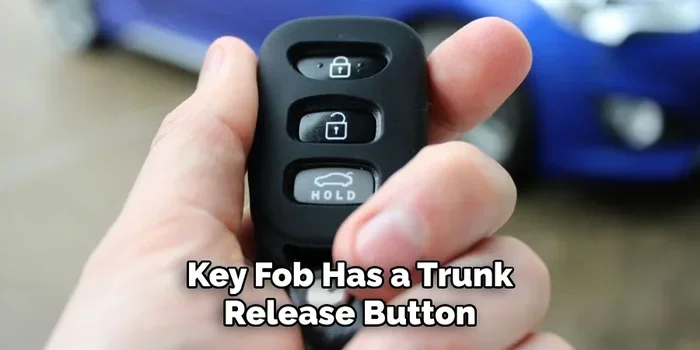
Almost every key fob has a hidden mechanical key inside it. This small metal key is your ultimate backup. You can use it to manually unlock the driver’s door and, in some cases, insert it into a hidden key slot near the car ignition to start the engine.
To find the mechanical key:
- Look for a small release button or slider on the side of the key fob.
- Press it to pop out the thin metal key.
- Use it to open the driver’s door if the fob is completely dead.
- Some cars have a key slot behind a small cover near the steering column.
This hidden key is a lifesaver and something every car owner should know about. It takes five seconds to find and use, but it can save you a lot of stress on a bad day.
How to Replace Your Key Fob Battery
Once you get the car started, the next step is to replace the key fob battery. This is one of the easiest car maintenance tasks you will ever do. Most key fobs use a common CR2032 battery, which you can find at any grocery store, gas station, or pharmacy for about a dollar or two.
Step-by-Step Battery Replacement
Follow these simple steps to swap out the dead battery:
- Locate the small seam or groove on the back of the key fob.
- Use a coin or the hidden mechanical key to pry open the fob shell.
- Carefully remove the old battery and note which side faces up.
- Insert the new CR2032 battery with the positive side facing up.
- Snap the fob shell back together until it clicks.
- Test the fob by standing near the car and pressing the start button.
That is it. You just saved yourself a trip to the dealership and probably around $50 to $100 in service costs. Key fob battery replacement should be part of your regular car maintenance routine.
When to Replace the Battery Proactively
Do not wait for the fob to die completely. Most car key fob batteries last between 12 and 24 months. Set a reminder on your phone to replace the battery once a year. This simple habit prevents the whole key fob not working situation from happening in the first place.
Some cars will show a low battery warning on the dashboard weeks before the fob actually dies. Pay attention to these warnings. They are your early signal that a key fob battery replacement is coming up.
Common Mistakes When Your Key Fob Dies
When panic sets in, people make mistakes that can make the situation worse. Here are some common errors to avoid during key fob troubleshooting:
- Panicking and walking away: Your car is almost certainly still drivable. Stay calm and try the backup start method first.
- Ignoring the dashboard warnings: Most cars give you plenty of notice before the fob fully dies. Read the warning lights.
- Using the wrong battery: Not all key fobs use a CR2032. Check your owner manual before buying a replacement.
- Forcing the fob open: Use the proper tools or the hidden mechanical key slot to avoid cracking the plastic shell.
- Assuming the car is broken: A dead fob does not mean a dead car. The engine is fine; it just cannot read the fob signal.
Avoiding these mistakes saves you time, money, and unnecessary stress. Remember that a dead key fob is a simple battery issue, not a mechanical failure.
Expert Insight: Why Cars Have Backup Systems
Car engineers designed backup start systems specifically because they know batteries die. The proximity sensor and secondary antenna are built into every modern vehicle for this exact reason. The immobilizer system prevents theft, but it also prevents you from being locked out of your own car. These systems are more reliable than most people realize, and they work even when the fob battery is completely dead.
As a general rule of thumb, if your car is from the last decade, it almost certainly has a backup method to drive with dead key fob. The key is knowing where to find it in your specific model.
Preventing Key Fob Battery Failure
The best way to deal with a dead key fob is to never let it happen in the first place. Prevention is simple and only takes a few minutes a year.
Simple Prevention Tips
- Replace the battery annually: Set a calendar reminder every 12 months to swap the battery.
- Keep a spare fob in the car: A second key fob stored in the glove box can save the day.
- Avoid extreme temperatures: Heat and cold drain batteries faster. Do not leave the fob on the dashboard in direct sunlight.
- Check the battery voltage: A cheap battery tester can tell you when the fob battery is getting low before it dies completely.
- Store the fob properly: Keep it in a cool, dry place when not in use.
These small habits add up to a lot of peace of mind. You will never have to wonder about starting your car with a dead key fob again if you stay on top of the battery.
How Often Should You Replace the Key Fob Battery
Most manufacturers recommend replacing the car key fob battery every 12 to 24 months. However, if you use your fob frequently or live in an area with extreme temperatures, you may need to replace it more often. Watch for these signs that the battery is weakening:
- The fob needs to be closer to the car to work.
- The unlock range gets shorter.
- The dashboard shows a low battery warning.
- The fob buttons feel less responsive.
Catching these early signs gives you time to replace the battery before you are stuck with a key fob not working situation.
When to See a Professional
Most dead key fob situations are simple battery swaps. But there are times when you should seek professional help. Knowing the difference saves you from unnecessary frustration and potential damage to your car ignition system.
Signs You Need Professional Help
- The backup start method does not work even with the fob pressed against the start button.
- The dashboard shows persistent error messages even after replacing the battery.
- The key fob reset process does not restore normal function.
- The mechanical key works but the electronic fob still fails after a new battery.
- You notice damage to the fob from drops or water exposure.
In these cases, the problem may be with the immobilizer system, the proximity sensor, or the fob itself rather than just the battery. A dealership or qualified locksmith can diagnose the issue with proper scanning tools.
Cost Considerations
A dealership visit for key fob troubleshooting typically costs between $50 and $150 for diagnosis. If the fob needs reprogramming, expect to pay $100 to $300 depending on the car brand. Buying a new fob directly from the dealer can range from $100 to $500 or more for luxury brands. Having the battery replaced and the fob reset at a local locksmith is often a much cheaper alternative.
Always try the simple fixes first, like battery replacement and the backup start method. Most of the time, these steps resolve the issue completely. But when they do not, a professional can get you back on the road quickly.
Key Takeaways
- You can still drive with a dead key fob: Most modern vehicles have a backup method to start the engine even when the fob battery is completely dead.
- Use the backup start method: Press the dead fob directly against the push button start or the designated spot on your car to trigger the secondary antenna.
- Keep a hidden mechanical key accessible: The small metal key inside your fob is your ultimate backup for unlocking doors and, in some models, starting the engine.
- Replace the CR2032 battery annually: Proactive battery replacement every 12 to 24 months prevents the entire situation from happening.
- Do not panic: A dead key fob does not mean your car is broken. The engine is fine and can almost always be started with the right backup method.
- Know your car specific procedure: Different brands place the backup antenna in different locations. Check your owner manual for the exact spot.
- Seek help when needed: If backup methods fail and the dashboard shows persistent errors, a professional mechanic or locksmith can diagnose the real issue.
Conclusion
The answer to the question can you drive your car with a dead key fob is a reassuring yes. Your vehicle was designed with this exact scenario in mind. The backup systems built into modern cars are reliable, smart, and easy to use once you know where to look.
Whether you use the backup start method, the hidden mechanical key, or simply replace the CR2032 battery in minutes, you are never truly stuck. The key is staying calm, knowing your car specific procedure, and keeping spare batteries on hand.
Take a few minutes right now to find the backup start spot on your car. Check your owner manual. Replace the battery if it has been over a year. These small actions today will save you a lot of stress tomorrow. A dead key fob is a minor inconvenience, not a major problem, as long as you know what to do.
Drive safely, keep your spare fob charged, and remember that your car is smarter than you think. It has your back even when the fob does not.
Frequently Asked Questions
How far can you drive with a dead key fob?
In most cars, you can drive indefinitely once the engine is running. The immobilizer system only prevents starting the engine, not keeping it running. Just get to a safe spot and replace the battery or use the backup start method to restart if needed.
What type of battery do most key fobs use?
The vast majority of key fobs use a CR2032 battery. This is a common 3-volt coin cell battery available at virtually any store. Check your owner manual to confirm the exact battery type for your specific car model.
Can a dead key fob damage the car?
No, a dead key fob cannot damage your car. It simply means the proximity sensor cannot read the signal. The car functions normally once you use the backup start method or replace the battery. There is no risk of harm to the car ignition or engine.
How do I know if my key fob battery is dying?
Look for warning signs like reduced unlock range, needing to hold the fob closer to the car, or a dashboard battery warning light. Most modern cars display a key fob not working message on the instrument cluster well before the battery dies completely.
What should I do if the backup start method does not work?
Try placing the fob in different spots around the center console and steering column. If nothing works, use the hidden mechanical key to unlock the door and manually start the car if there is a key slot. If all methods fail, contact a professional mechanic or locksmith for key fob troubleshooting.
How much does it cost to replace a key fob battery?
A CR2032 battery costs between $1 and $5 at most stores. If you replace it yourself, the only cost is the battery. If you visit a dealership or locksmith, expect to pay $20 to $50 for the service. It is one of the cheapest and easiest car maintenance tasks you can do.