Where Is the Trunk Release Switch Located Inside Your Car
Where Is the Trunk Release Switch Located inside your car? This comprehensive guide reveals the exact trunk release switch location for every major car brand. You will learn how the trunk release mechanism works, common problems, and simple maintenance tips to keep your trunk release system functioning perfectly.
Have you ever stood in your driveway, hands full of groceries, and completely forgotten where the trunk release switch is inside your car?
It happens to the best of us. Whether you are loading up for a road trip or just tossing in a few bags, knowing exactly where that switch sits can save you time and frustration.
In this guide, we will walk you through every possible location for the trunk release switch in modern vehicles. We will cover everything from the interior trunk release to the key fob trunk release and even the hidden emergency releases you never knew existed.
By the end of this article, you will know your car inside and out when it comes to where the trunk release switch is located. Let us get started.
Key Takeaways
- Multiple Locations: The trunk release switch can be found on the driver side dashboard, center console, armrest, or near the trunk lid depending on your car brand.
- Two Main Systems: Modern vehicles use either electronic trunk release systems or mechanical cable-operated releases, each with its own advantages.
- Key Fob Integration: Many cars offer remote trunk release through the key fob, allowing hands-free vehicle trunk access.
- Emergency Release: Every car has an emergency trunk release inside the trunk, which is a critical safety feature.
- Common Issues: The most frequent problems include faulty wiring, dead key fob batteries, and worn-out buttons, all of which are relatively easy to fix.
- Regular Maintenance: Simple habits like keeping the switch clean and lubricating the trunk latch can extend the life of your trunk release mechanism significantly.
📑 Table of Contents
- What Is a Trunk Release Switch and Why Does It Matter
- Where Is the Trunk Release Switch Located in Different Car Brands
- How the Trunk Release Mechanism Works
- Step-by-Step Guide to Finding Your Trunk Release Switch
- Common Problems With Trunk Release Switches
- Tips for Maintaining Your Trunk Release System
- Conclusion
What Is a Trunk Release Switch and Why Does It Matter
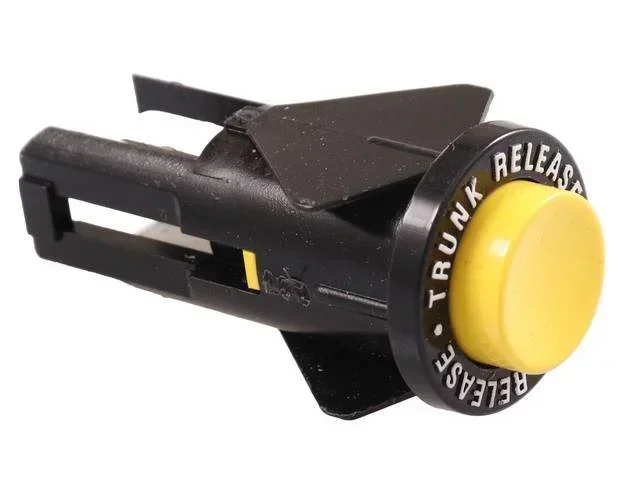
The trunk release switch is a simple but essential component in your vehicle. It allows you to open the trunk without using a physical key. Most modern cars come equipped with at least one trunk release button inside the cabin, and many vehicles now offer remote trunk release through the key fob.
Understanding how this trunk release mechanism works can help you troubleshoot issues quickly. It also makes your daily routine smoother, especially when your hands are full and you need quick vehicle trunk access.
The Basic Function of a Trunk Release Switch
At its core, the trunk release switch sends a signal to the car’s central computer. That signal then activates the trunk lock mechanism to release the latch. In most vehicles, you will find the switch on the driver side or near the steering column.
Some cars use a trunk release cable instead of a button. This cable connects the interior lever to the trunk latch directly. Both systems serve the same purpose, but they operate differently.
The trunk release handle is another term you may hear. It refers to the physical grip or lever you pull to open the trunk from inside the car. Whether it is a button or a handle, the goal is the same: convenient and safe vehicle trunk access.
Why Knowing the Location Matters
Knowing the trunk release location inside your car is more important than you might think. In an emergency, you may need to access the trunk quickly. Whether you are retrieving an emergency kit or unloading items in a hurry, familiarity with the switch saves valuable time.
Also, if the trunk release button stops working, knowing where it is helps you diagnose the problem faster. You can check for visible damage or loose connections before calling a mechanic.
Where Is the Trunk Release Switch Located in Different Car Brands
The exact trunk release switch location varies from one car brand to another. Manufacturers place the switch in different spots based on their design philosophy. Below is a detailed breakdown of where you can typically find it across popular brands.
Trunk Release Switch Locations in Toyota and Honda Models
Toyota and Honda vehicles are known for their practical and user-friendly designs. In most Toyota models, the trunk release switch is located on the driver side dashboard, just to the left of the steering column. You will usually find it near the car interior switch panel that controls the mirrors and windows.
Honda vehicles follow a similar pattern. The trunk release button is typically found on the driver side lower dash area. In some Honda models, it sits right next to the hood release switch, making it easy to remember.
Both brands also include a trunk release handle on the trunk lid itself, giving you a backup way to open the trunk if the interior switch fails.
Trunk Release Switch Locations in Ford and Chevrolet Models
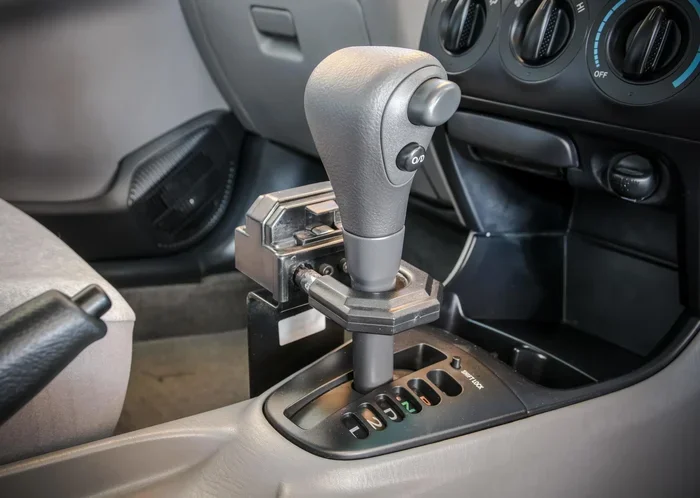
Ford and Chevrolet trucks and SUVs often place the trunk release switch in the center console. In Ford F-Series trucks, you will find it near the shift lever, within easy reach of the driver. In Chevrolet Silverado models, the switch is often located on the driver side door panel or inside the center console.
These car trunk button placements make sense because drivers frequently need to access the trunk when hauling gear or tools. The convenient location means you do not have to take your eyes off the road for long.
Ford also offers remote trunk release on many models, allowing you to open the trunk by pressing a button on the key fob. Chevrolet includes a similar feature on higher trim levels.
Trunk Release Switch Locations in Luxury and European Vehicles
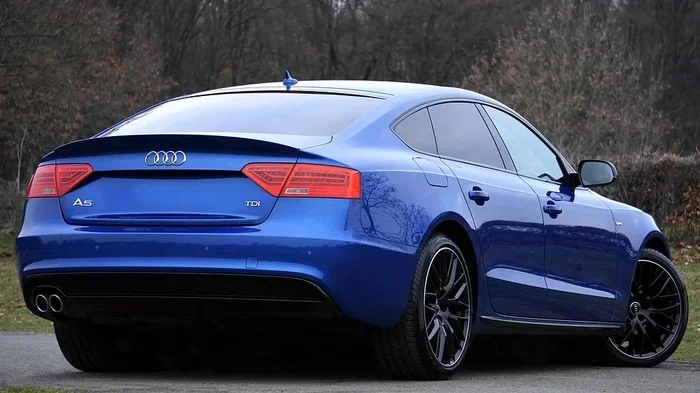
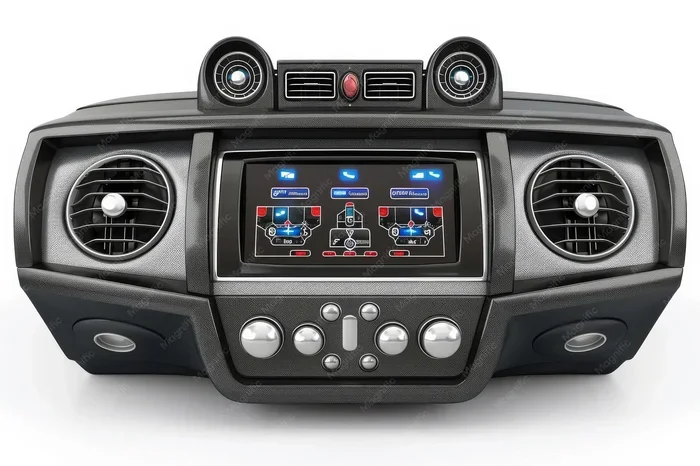
Luxury brands like BMW, Mercedes-Benz, and Audi often integrate the trunk release switch into the center console or the armrest area. In BMW vehicles, the switch is typically found in the center console, near the trunk release lever or handle.
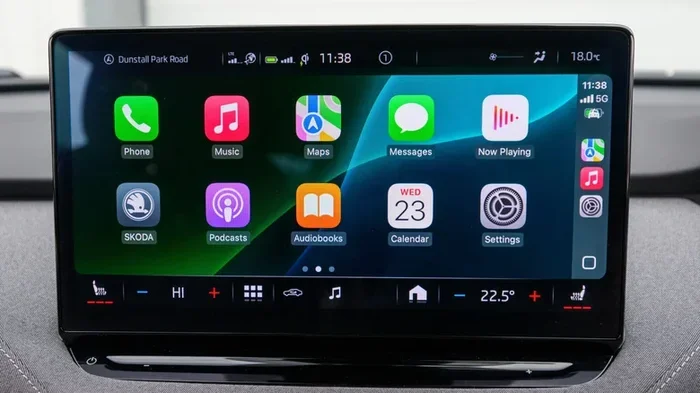
Mercedes-Benz models may place the trunk release location on the left side of the dashboard, close to the driver door. Audi vehicles often use a touch-sensitive car trunk button that is part of the broader interior control panel.
European vehicles also tend to include advanced features like trunk safety latch systems that prevent the trunk from opening while the car is in motion. These safety features add an extra layer of protection for drivers and passengers.
| Car Brand | Typical Trunk Release Switch Location | Additional Notes |
|---|---|---|
| Toyota | Driver side dashboard, left of steering column | Near the interior switch panel |
| Honda | Driver side lower dash area | Often next to the hood release switch |
| Ford | Center console, near shift lever | Easy reach for truck and SUV drivers |
| Chevrolet | Driver side door panel or center console | Varies by model year |
| BMW | Center console, near armrest | May include touch-sensitive controls |
| Mercedes-Benz | Left side of dashboard, near driver door | Integrated with interior lighting controls |
| Audi | Center console control panel | Touch-sensitive trunk release button |
How the Trunk Release Mechanism Works
Understanding how your trunk release system works helps you appreciate the engineering behind it. Modern vehicles use one of two main systems: electronic or mechanical. Each has its own advantages and quirks.
Electronic Trunk Release Systems
Most new cars today use an electronic trunk opener system. When you press the trunk release switch, a small electrical signal travels to the car’s main computer. The computer then sends a command to the trunk latch motor, which releases the car trunk latch.
This system is convenient and reliable. It also allows for features like remote trunk release through the key fob. You can open the trunk without even touching the car, which is incredibly handy when you are carrying heavy bags.
Electronic systems also include the trunk safety latch, which prevents the trunk from opening accidentally while driving. This latch engages automatically when the car is in motion and releases when you press the trunk release switch while parked.
Mechanical and Cable-Operated Trunk Releases
Older vehicles and some budget models still use a trunk release cable system. This is a simple mechanical setup where pulling the interior lever physically pulls a cable connected to the trunk latch.
The trunk release lever is usually located on the driver side floor area, near the door. While this system is less convenient than electronic versions, it is also more reliable in the long run because there are fewer electronic components to fail.
The trunk release handle in these systems is typically a plastic grip that you pull upward. It is durable and rarely breaks, making it a low-maintenance option for trunk latch release.
The Role of the Key Fob in Remote Trunk Release
Many modern vehicles offer key fob trunk release as a standard or optional feature. By pressing a specific button on the key fob, you can send a signal to the car to open the trunk. This is especially useful when you are approaching your car with your hands full.
The key fob signal is encrypted for security. This means only your specific key fob can send the release command. It prevents unauthorized access to your vehicle trunk access system.
Step-by-Step Guide to Finding Your Trunk Release Switch
If you are still not sure where your trunk release switch is, do not worry. Follow these simple steps, and you will find it in no time.
Start With the Driver Side
Begin your search on the driver side of the vehicle. Look at the dashboard area, just below the steering column. In most cars, the trunk release switch is mounted here, either as a standalone button or as part of a larger switch panel.
Run your fingers along the lower edge of the dashboard. You are looking for a small button or lever that is clearly labeled with a trunk icon or the word “Trunk.”
Check the Center Console and Armrest Area
If you do not find it on the driver side dashboard, move to the center console. In many Ford, Chevrolet, and luxury vehicles, the trunk release button is located in the center console, between the front seats.
Check the armrest area as well. Some vehicles hide the trunk release switch inside the armrest console, behind a small flip-up cover or a soft-touch panel. This is common in luxury sedans and SUVs.
Look Near the Trunk Lid Itself
Some vehicles have a trunk release switch on the trunk lid itself. This is especially common in SUVs and hatchbacks. Look near the trunk handle or the lock cylinder on the trunk lid.
There may also be an emergency trunk release inside the trunk area. This is a safety feature required by law in many countries. It is usually a glow-in-the-dark handle or lever that you can pull to open the trunk from the inside.
- Check the driver side dashboard first.
- Move to the center console and armrest area.
- Look near the trunk lid handle and lock cylinder.
- Check the interior of the trunk for the emergency release.
- Consult your vehicle owner’s manual for the exact trunk release location.
Common Problems With Trunk Release Switches
Like any other car component, the trunk release switch can develop problems over time. Here are the most common issues and what you can do about them.
Faulty Wiring and Electrical Issues
Electronic trunk release systems depend on wiring to function. Over time, wires can corrode, especially in vehicles that are exposed to salt, moisture, or extreme weather. A broken wire can cause the trunk release button to stop working entirely.
If you notice that the switch works intermittently or not at all, there may be a wiring issue. Check the fuse box first. A blown fuse related to the trunk release circuit is a common and easy fix.
Corroded connectors at the back of the switch can also cause problems. These connectors can be cleaned with a simple electrical contact cleaner. This is a quick fix that many car owners can do themselves.
Worn Out or Broken Trunk Release Buttons
Physical wear and tear can damage the trunk release switch itself. Buttons that are pressed thousands of times over the years can become loose or unresponsive. In some cases, the internal contact mechanism wears out and needs replacement.
If the button feels spongy or does not click when pressed, it may be time for a replacement. Fortunately, replacing a trunk release button is usually a straightforward and affordable repair. Most auto parts stores carry compatible replacements for popular car models.
Trunk Release Switch Not Working After Battery Replacement
Have you ever replaced your car battery and found that the trunk release switch stopped working afterward? This is more common than you might think. When you disconnect the battery, the car’s computer loses its memory settings.
In some vehicles, the trunk release system needs to be reprogrammed after a battery change. Try locking and unlocking the car with the key fob a few times. This often resets the system and restores normal function.
If resetting does not work, you may need to visit a dealership or mechanic. They can reprogram the trunk latch release system using specialized diagnostic equipment.
Tips for Maintaining Your Trunk Release System
A little maintenance goes a long way in keeping your trunk release switch working smoothly. Here are some simple habits that can extend the life of your trunk release mechanism and prevent unexpected problems.
Simple Maintenance Habits That Help
- Keep the switch clean: Dust and debris can accumulate around the trunk release button. Wipe it gently with a soft, damp cloth every few months to prevent buildup.
- Avoid using excessive force: Press the button gently. Forcing it can damage the internal contacts or the surrounding panel over time.
- Check the key fob battery regularly: A weak key fob battery can cause the remote trunk release to work inconsistently. Replace it once a year to maintain reliable performance.
- Lubricate the trunk latch: A dry trunk latch can make the trunk release system work harder than it needs to. Apply a small amount of silicone-based lubricant to the latch mechanism once or twice a year.
- Test the emergency release: Periodically check that the emergency trunk release inside the trunk still works. It is a life-saving feature you want to be confident about at all times.
- Inspect the trunk release cable: If your car uses a cable-operated system, check the cable for fraying or slack. A damaged trunk release cable can cause the trunk latch release to fail unexpectedly.
When to Call a Professional Mechanic
While many trunk release switch issues are simple to fix, some problems require professional attention. If you have checked the fuse, the key fob battery, and the wiring, but the switch still does not work, it is time to see a mechanic.
A professional can diagnose electrical issues, replace faulty switches, and repair or replace the trunk lock mechanism if needed. Trying to DIY complex electrical repairs can sometimes cause more harm than good.
Also, if your car is still under warranty, DIY repairs might void the coverage. Always check with your dealer before attempting any electrical repairs on a new vehicle.
Conclusion
Knowing where the trunk release switch is located inside your car is a simple piece of knowledge that pays off every day. Whether you are in a hurry to load up the car for a weekend trip or you are dealing with a trunk release switch that is not working properly, understanding your vehicle is always an advantage.
We have covered the trunk release switch location across different car brands, explained how the trunk release mechanism works, and provided practical tips for troubleshooting and maintenance. With this knowledge, you are now better equipped to handle any trunk release switch issue that comes your way.
Take a few minutes today to locate your trunk release switch if you have not already done so. It is one of those small things that makes a big difference in your daily driving experience. Your future self will thank you when your hands are full and you need that trunk opened fast.
Frequently Asked Questions
Can I Replace the Trunk Release Switch Myself?
Yes, replacing a trunk release button is often a simple DIY task. Most switches are held in place by a few screws or clips. However, if the issue involves wiring or the car’s computer system, it is best to consult a professional mechanic.
Why Does My Trunk Release Switch Work Intermittently?
Intermittent operation is usually caused by a weak key fob battery, corroded wiring, or a loose connection. Start by replacing the key fob battery, as this resolves the issue in most cases. If the problem persists, check the wiring harness behind the dashboard.
Is It Legal to Remove the Emergency Trunk Release?
No, removing the emergency trunk release is illegal in most countries. This safety feature is required by law to allow occupants to escape from the trunk in case of accidental lock-in. Always keep this feature intact and functional.
How Much Does It Cost to Replace a Trunk Release Switch?
The cost varies depending on your vehicle make and model. A simple trunk release button replacement typically costs between $50 and $150 for parts and labor. Luxury vehicles or models with complex electronic systems may cost more.
Can a Dead Battery Cause the Trunk Release Switch to Stop Working?
Yes, a dead or weak car battery can disable the trunk release system entirely. If the switch does not respond after a battery change or jump-start, try resetting the system by locking and unlocking the car with the key fob several times.
What Should I Do if the Trunk Release Cable Breaks?
If the trunk release cable snaps or becomes disconnected, you can still open the trunk from inside the vehicle using the trunk release lever. For a permanent fix, the cable will need to be replaced, which is best handled by a qualified mechanic.