Sun Film for Car Windows Why You Should Consider It
Sun film for car windows is one of the best upgrades you can make for your vehicle. It blocks harmful UV rays, reduces heat, and adds a sleek look to your ride. This guide covers everything you need to know about sun film for car windows, from types and benefits to installation tips and common mistakes.
Key Takeaways
- UV Protection: Sun film blocks up to 99% of harmful UV rays, protecting your skin and car interior.
- Heat Reduction: Quality sun film can reduce cabin temperatures by up to 30 degrees Fahrenheit.
- Glare Reduction: Driving becomes safer and more comfortable with reduced sun glare.
- Privacy and Security: Tinted windows make it harder for others to see inside your vehicle.
- Interior Protection: Sun film helps prevent fading and cracking of your car’s seats, dashboard, and trim.
- Multiple Options: From dyed to ceramic films, there is a sun film for every budget and need.
- Professional Installation Recommended: Proper application ensures longevity and avoids bubbles or peeling.
📑 Table of Contents
What Is Sun Film for Car Windows
Sun film for car windows is a thin, multi-layered laminate that you apply to the inside of your vehicle’s glass. It is also known as car window tint or solar film. The film works by blocking a portion of the sun’s energy from passing through your windows.
Most sun films are made from polyester and come with specialized coatings. These coatings handle different jobs like blocking UV rays, reducing heat, or adding privacy. Some films are basic and affordable. Others use advanced technology like ceramic particles for superior performance.
The idea behind window tinting film is simple. The sun sends out visible light, infrared heat, and ultraviolet radiation. A good sun film filters out the harmful parts while still letting in enough light for you to see clearly.
People install sun film for many reasons. Some want a cooler car. Others care about skin health or protecting their dashboard from sun damage. No matter your reason, sun film for car windows offers real, measurable benefits.
The film comes in different shades and darkness levels. These levels are measured by visible light transmission, or VLT. A lower VLT means a darker film. The right choice depends on your climate, your driving habits, and local laws.
How Does Sun Film Work
Sun film uses a combination of layers to filter sunlight. The outer layer resists scratches. The middle layer contains the tinting agents, such as dyes, metals, or ceramics. The adhesive layer sticks the film to your glass.
When sunlight hits the film, the tinting layer absorbs or reflects the energy. This stops heat and UV rays from entering your car. At the same time, the film allows visible light to pass through so your view stays clear.
Think of it like sunscreen for your car. Just as sunscreen protects your skin, car window protection film shields your interior from the sun’s damaging effects. Over time, this protection makes a big difference.
Benefits of Sun Film for Car Windows
The advantages of installing sun film for car windows go far beyond looks. Let us break down the biggest benefits you will notice right away.
Heat Rejection and Cooling
This is the number one reason most people choose solar film. A good quality film can reject up to 70 percent of solar heat. That means your car stays much cooler on hot days.
Instead of blasting your air conditioner the moment you sit down, you can enjoy a comfortable temperature faster. This also helps your fuel economy. Your AC system does not have to work as hard, which saves gas over time.
In hot climates, the difference can be dramatic. Some drivers report a 20 to 30 degree drop in cabin temperature after applying heat reduction film. That is a game changer for summer driving.
UV Protection for Your Health
The sun emits ultraviolet rays that can cause skin damage and increase the risk of skin cancer. Most people do not realize how much UV exposure they get while driving.
High-quality sun film for car windows blocks up to 99 percent of UVA and UVB rays. This protects your skin, especially on the left side of your body for drivers in right-hand traffic countries. Over years, this protection adds up significantly.
Interior Protection
Your car’s interior takes a beating from the sun every single day. Dashboards crack, seats fade, and steering wheels become brittle. Car sun shade film helps prevent all of this.
By blocking UV rays and reducing heat, the film preserves the look and condition of your cabin. Leather seats stay supple. Plastic trim stays flexible. Wood or faux wood accents do not warp or discolor.
Think of interior protection as an investment. A quality film costs much less than replacing a cracked dashboard or faded leather seats. It pays for itself over time.
Glare Reduction for Safer Driving
Sun glare is a real safety hazard. It can blind you for a split second, which is enough to cause an accident. Glare reduction film cuts down on the harsh brightness that comes through your windows.
You will notice the difference immediately, especially during sunrise and sunset drives. The road stays clearer, and your eyes stay more comfortable. This makes car window protection a safety feature, not just a comfort upgrade.
Privacy and Security
Darker sun films add privacy to your vehicle. People on the outside cannot easily see what is inside. This is helpful when you park in busy areas or leave valuables in your car.
It also adds a layer of security. If someone breaks a window, the film helps hold the glass together. This reduces the risk of injury from shattered glass. Some films are specifically designed for security tint purposes.
Aesthetic Appeal
Let us not forget the look. A well-applied tinted windows finish gives any vehicle a polished, finished appearance. It is one of the simplest and most affordable ways to upgrade your car’s look.
Whether you prefer a subtle, light tint or a deep, dark finish, there is a window tinting film that matches your style. The right film can make your car look sleeker and more expensive than it is.
Types of Sun Film for Car Windows
Not all sun films are created equal. Different types use different technologies and offer different levels of performance. Here is a breakdown of the most common options available today.
Dyed Film
Dyed film is the most basic and affordable type of car window tint. It uses layers of dye to absorb heat and block light. It offers decent UV protection and a clean, matte look.
However, dyed film has some downsides. It tends to fade over time, turning purple or bubbling. It also provides less heat rejection compared to more advanced options. It is a good starting point for budget-conscious car owners.
Metalized Film
Metalized film contains tiny metallic particles that reflect heat away from the car. It offers better heat rejection than dyed film and is more durable. The metallic layer also strengthens the glass slightly.
The downside is that metalized film can interfere with electronic signals. If you use GPS, Bluetooth, or phone signals through your windshield, you may experience some interference. It also has a shiny, reflective look that some people do not prefer.
Carbon Film
Carbon film is a popular middle-ground option. It does not contain metal, so it does not interfere with electronics. It offers excellent heat rejection and a matte, non-reflective finish.
Carbon film is also very durable and resists fading. It does not turn purple over time like dyed film. For many car owners, carbon tint strikes the perfect balance between performance and price.
Ceramic Film
Ceramic film is the premium option in the world of window tinting film. It uses nano-ceramic particles to block heat without affecting visibility or signal strength.
It offers the highest level of heat rejection and UV protection available. Ceramic film does not fade, bubble, or change color over time. It is also the most expensive option, but many consider it worth every penny.
Crystalline Film
Crystalline film is a specialty type that uses a multilayer optical film technology. It is designed to reject heat while staying very clear and transparent.
This is a great option for people who want maximum infrared rejection without darkening their windows at all. It is often used by people who live in areas with strict tinting laws or who prefer a very natural look.
Comparison Table: Types of Sun Film
| Type | Heat Rejection | UV Protection | Durability | Price Range |
|---|---|---|---|---|
| Dyed Film | Moderate | Good | Lower | $ |
| Metalized Film | Good | Very Good | Moderate | $$ |
| Carbon Film | Very Good | Excellent | High | $$ |
| Ceramic Film | Excellent | Excellent | Very High | $$$$ |
| Crystalline Film | Excellent | Excellent | High | $$$$ |
How to Choose the Right Sun Film
Choosing the right sun film for car windows can feel overwhelming with so many options. Here are the key factors to consider before you make a decision.
Consider Your Climate
If you live in a hot, sunny climate, prioritize heat rejection. Look for films with high infrared rejection rates. Ceramic and carbon films are excellent choices for these conditions.
If you live in a cooler climate, you might prioritize UV protection and glare reduction over extreme heat rejection. A lighter film can still offer great protection without making your car too dark.
Check Local Laws
Every state and country has window tint laws that regulate how dark your tint can be. These laws specify the minimum VLT percentage allowed for different windows.
Front side windows usually have stricter rules than rear windows. Some areas also restrict the tint color or reflectivity. Before you buy any car window protection film, check your local regulations to avoid fines or having to remove the tint.
Set a Budget
Your budget will play a big role in your choice. Dyed films are the most affordable, while ceramic films can cost several times more. Set a realistic budget and then find the best quality film within that range.
Remember that a quality film installation is a long-term investment. A slightly more expensive film that lasts 10 years is often a better value than a cheap film that needs replacing in three years.
Think About Your Driving Habits
How much time do you spend driving each day? If you commute long hours, you will benefit more from heat rejection and UV protection. If you only drive occasionally, a basic film might be all you need.
Also consider whether you need signal compatibility. If you rely heavily on phone connectivity or GPS, avoid metalized films and opt for carbon or ceramic options instead.
Professional vs DIY Installation
Some people choose to install window film installation themselves to save money. While DIY kits are available, professional installation is strongly recommended for best results.
Professionals have the right tools, clean environments, and experience to apply the film without bubbles or wrinkles. A professional job also typically comes with a warranty, which DIY installations usually do not include.
Quick Tips for Choosing the Right Film
- Always ask about the film’s VLT percentage before purchasing.
- Request a sample of the film to see the color and quality in person.
- Check if the film comes with a manufacturer’s warranty.
- Ask the installer about their experience and read reviews.
- Do not choose the darkest film just because it looks cool. Consider visibility and safety.
- Ask about infrared rejection rates, not just heat rejection percentages.
Installation Process and What to Expect
Understanding the installation process helps you set realistic expectations. Here is what happens when you get sun film for car windows professionally installed.
Step-by-Step Installation
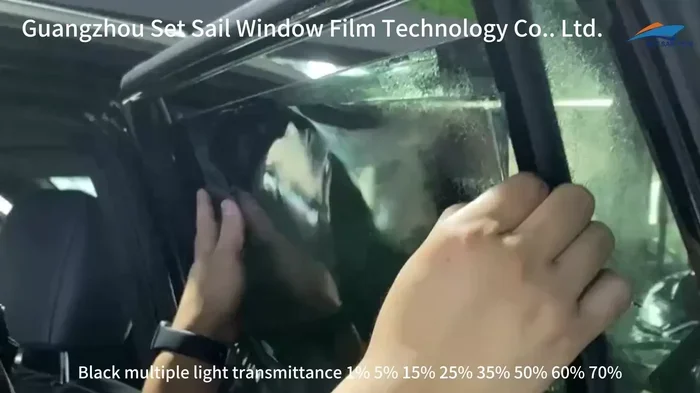
- The technician cleans your windows thoroughly to remove all dirt and debris.
- They measure each window and cut the film to the exact size needed.
- A soapy solution is sprayed onto the glass to help position the film.
- The film is placed on the window and smoothed out using a squeegee.
- Excess water and air bubbles are pushed out toward the edges.
- The edges are trimmed, and the film is left to cure for 24 to 48 hours.
How Long Does Installation Take
A full car installation typically takes two to four hours. The exact time depends on the number of windows and the type of film being applied. Some complex curves or specialty films may take a bit longer.
Aftercare Tips
- Do not roll down your windows for at least 48 hours after installation.
- Avoid cleaning the inside of your windows for at least one week.
- Do not use abrasive cleaners or rough cloths on the tinted surface.
- Use a soft microfiber cloth and a gentle cleaner after the curing period.
- Inspect the edges periodically for any peeling and address it early.
Common Mistakes to Avoid
Many people make avoidable mistakes when it comes to sun film for car windows. Here are the most common ones and how to steer clear of them.
Skipping the research: Not all films are the same. Buying the cheapest option without understanding the quality can lead to disappointment. Always read reviews and ask for recommendations.
Ignoring local laws: Getting caught with illegal tinting can result in fines and mandatory removal. Always verify the legal limits in your area before choosing a darkness level.
Choosing the wrong shade: A film that is too dark can reduce visibility, especially at night. Pick a shade that balances style with safety.
Opting for DIY when you should not: Unless you have experience, professional installation is almost always the better choice. Bubbles, peeling, and misalignment are common DIY mistakes.
Neglecting aftercare: The first few days after installation are critical. Rolling down your windows too early or using harsh cleaners can damage the film before it fully cures.
Forgetting about warranty: A good warranty protects you against bubbling, peeling, and discoloration. Always ask about the warranty before you commit to a product or installer.
Expert Insights on Sun Film for Car Windows
We spoke with several automotive detailing and window tinting professionals to get their top insights on car window tint and solar film selection.
Expert Tip 1: “Always invest in ceramic or carbon film if your budget allows. The difference in performance and longevity is dramatic compared to dyed film,” says Mark T., a certified window tint installer with over 12 years of experience.
Expert Tip 2: “Do not focus only on darkness. The invisible properties like infrared rejection and UV blocking matter far more for comfort and protection,” adds Sarah L., an automotive care specialist.
Expert Tip 3: “The edges of the film are where most failures start. A good installer pays close attention to edge sealing and uses quality trimming tools. That is what separates a great job from an average one.”
Expert Tip 4: “If you live near the coast or in a very sunny area, go with the highest grade film you can afford. The sun is relentless, and cheaper films degrade faster in those conditions.”
Expert Tip 5: “Ask about the specific VLT and IR rejection numbers. A reputable installer will have no problem sharing the exact specifications of the film they use.”
Key Takeaways
- UV Protection: Sun film blocks up to 99% of harmful UV rays, protecting your skin and car interior.
- Heat Reduction: Quality sun film can reduce cabin temperatures significantly, improving comfort and fuel efficiency.
- Glare Reduction: Reduced sun glare makes driving safer, especially during sunrise and sunset.
- Privacy and Security: Tinted windows add privacy and help hold glass together if shattered.
- Interior Protection: Sun film prevents fading, cracking, and warping of your car’s interior surfaces.
- Multiple Film Types: From dyed to ceramic, there is a sun film for every budget and performance need.
- Professional Installation Matters: Proper application ensures longevity, avoids bubbles, and maintains your warranty.
Conclusion
Sun film for car windows is one of the most practical and affordable upgrades you can make to your vehicle. It protects your health with UV rays protection, keeps your car cooler with effective heat rejection, and preserves your interior from sun damage.
With so many types of window tinting film available, there is an option for every budget and need. Whether you choose a simple dyed film or invest in premium ceramic, the benefits are clear and long-lasting.
Take the time to research your options, check your local laws, and choose a reputable installer. The right sun film for car windows will transform your driving experience from the first sunny day after installation.
Your car, your skin, and your comfort will thank you. Make the smart choice today and enjoy the difference that quality car window protection can make every time you hit the road.
Frequently Asked Questions
How long does sun film for car windows last?
The lifespan depends on the type of film and quality of installation. Dyed films typically last 3 to 5 years. Carbon films can last 5 to 7 years. Ceramic films often last 10 years or more with proper care. A good warranty usually indicates a longer-lasting product.
Is it legal to tint car windows?
Yes, window tinting is legal in most places, but there are specific regulations about how dark the tint can be. These window tint laws vary by state and country. Always check your local regulations before choosing a tint darkness level to avoid fines or removal requirements.
Can I wash my car after getting window tint installed?
You should wait at least one week before cleaning the inside of your tinted windows. After that, use a soft microfiber cloth and a gentle, ammonia-free cleaner. Avoid abrasive sponges or harsh chemicals that can damage the film and reduce its lifespan.
Does sun film for car windows affect visibility at night?
This depends on the darkness level you choose. Lighter films have minimal impact on night visibility. Darker films can reduce visibility somewhat, so it is important to find a balance that suits your driving conditions. Always ensure you can see clearly through all tinted windows before driving at night.
How much does it cost to tint car windows?
Costs vary widely based on the film type and number of windows. Dyed films are the most affordable, while ceramic films are the most expensive. On average, a full car tinting job ranges from $150 to $500 or more. The investment pays off through comfort, protection, and long-term durability.
Can I remove sun film and reapply it?
Professional removal is possible and often recommended. A technician uses special tools and heat to carefully peel the film without damaging the glass. Reapplying new film is straightforward after proper cleaning. However, repeated removal and application can shorten the life of the window glass over time.