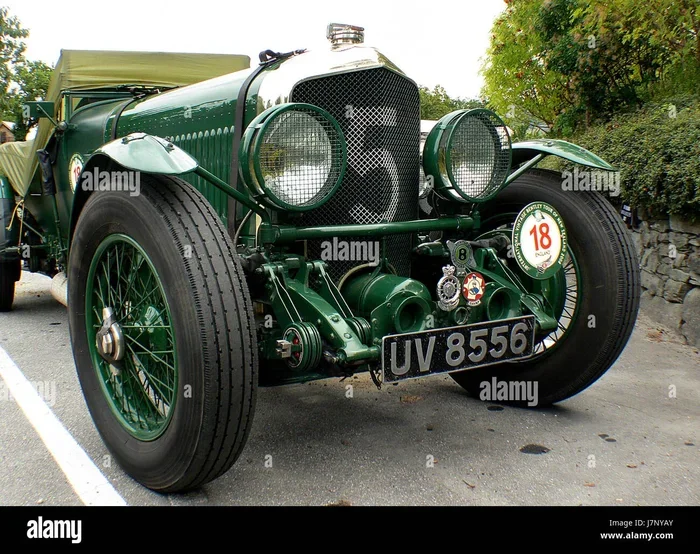
How Much Did a Bentley Cost in 1920 and What It Got You
A brand-new Bentley 3 Litre in 1920 cost roughly £1,200 to £1,500, which was a staggering sum for the era. That price translated into a handcrafted luxury vintage Bentley with a powerful engine and elite status. Today, those same cars sell for hundreds of thousands — sometimes over a million pounds — making them one of the most sought-after classic car investments in the world.
Imagine walking into a showroom in 1920 and dropping over a thousand pounds on a car. That was the reality for early Bentley buyers. But what exactly did that money buy? And why do people still dream about owning one today?
If you have ever wondered about how much a Bentley cost in 1920, you are in the right place. This deep dive covers the original price tag, what you actually got for your money, and why these early machines are worth a small fortune now. Whether you are a vintage car enthusiast, a classic car collector, or just curious about 1920s automobiles, this guide has you covered.
The story of Bentley in 1920 is fascinating because the company was still finding its footing. Walter Owen Bentley — known as W.O. Bentley — had just founded his car company in 1919. The cars were not yet in full production. So the price story of a Bentley in 1920 is a bit more nuanced than you might expect. Let us break it all down.
Key Takeaways
- Original Price: A new Bentley 3 Litre cost around £1,200 to £1,500 when it launched in the early 1920s.
- What You Got: A hand-built luxury chassis with a robust 3-litre engine, premium materials, and bespoke bodywork options.
- Inflation Adjusted: That original price equals roughly £60,000 to £75,000 in today’s money.
- Today’s Value: Original 1920s Bentleys now sell for £100,000 to over £1 million depending on condition and provenance.
- Collector Appeal: Early Bentleys hold value incredibly well due to their racing heritage and limited production numbers.
- Restoration Costs: Restoring a vintage Bentley can easily cost £50,000 to £150,000 or more.
- Historical Context: In 1920, Bentleys were still in development and not yet delivered to customers.
📑 Table of Contents
- The Birth of Bentley and the 3 Litre Model
- The Price Tag: How Much Did a Bentley Cost in 1920?
- What You Got for Your Money in 1920
- Comparing Bentley to Other Luxury Cars of the Era
- Why Vintage Bentleys Are So Valuable Today
- Common Mistakes People Make When Considering a Vintage Bentley
- Quick Tips for Anyone Interested in a 1920s Bentley
- Expert Insights on the 1920s Bentley Market
- Conclusion
The Birth of Bentley and the 3 Litre Model
Who Was W.O. Bentley and Why Did It Matter?
Walter Owen Bentley was a mechanical engineer with a passion for precision. Before starting his own company, he worked with the French luxury car brands of the era. He believed British cars could outperform their European rivals if built with better materials and smarter engineering.
In 1919, he founded Bentley Motors Ltd in Cricklewood, London. His vision was simple but bold. He wanted to build a car that was fast, reliable, and elegant. The result was the Bentley 3 Litre — the first model from his new company.
The 3 Litre name came from its engine displacement. The 3-litre engine was a marvel of early automotive engineering. It featured four cylinders, overhead camshafts, and a sturdy cast-iron block. At a time when many cars still used side-valve engines, Bentley’s design was ahead of its time.
W.O. Bentley also understood something crucial about vintage car appreciation. He knew that racing proved a car’s worth. So from the very beginning, Bentley built cars with motorsport in mind. This racing DNA became a core part of the brand’s identity and is a big reason why early Bentleys command such high prices today.
What Was the Bentley 3 Litre Like Inside?
When you bought a Bentley 3 Litre, you were not just buying an engine and wheels. You were buying a complete luxury automobile experience. The car came as a chassis only, which meant you would take it to a coachbuilder to have a custom body fitted.
This was standard practice in the early 1920s. Brands like Rolls-Royce, Bugatti, and Hispano-Suiza all followed a similar model. The customer chose the chassis, picked a coachbuilder, and collaborated on a bespoke body design.
Inside the cabin, you would find premium leather upholstery, polished wood trim, and brass fittings. The build quality was exceptional. Every nut, bolt, and seam was hand-finished by skilled craftsmen. For wealthy buyers in 1920, this level of craftsmanship was exactly what they expected — and what they demanded.
The Price Tag: How Much Did a Bentley Cost in 1920?
The Original Price of a New Bentley
Here is where things get interesting. In 1920, Bentley was still in the pre-production phase. The 3 Litre had been shown at the 1919 London Motor Show, but customer deliveries did not begin until 1921. So technically, you could not walk into a dealer in 1920 and drive away with a brand-new Bentley.
However, prospective buyers could place orders. The expected price was around £1,200 to £1,500 for the chassis. This was a significant sum in 1920. To put it in perspective, a decent family home in London cost about £1,000 to £2,000 at the time. A brand-new Ford Model T — the most popular car in the world — cost around £150 to £200.
So a Bentley was roughly six to ten times the price of a Model T. It was a car for the ultra-wealthy, the aristocracy, and the serious enthusiast. The price reflected the hand-built nature of the car, the quality of materials, and the prestige of owning something truly rare.
What Did That Price Include?
The £1,200 to £1,500 price covered the chassis, the engine, the transmission, the wheels, and basic running gear. Everything else was extra. The coachwork — the body of the car — was purchased separately from a specialist coachbuilder.
Depending on the coachbuilder you chose, a custom body could add another £200 to £500 or more. Some of the finest coachbuilders in England included Barker, Hooper, and Gurney Nutting. Their work was considered art, and the price reflected that.
So the total cost of a fully built 1920s Bentley could easily reach £1,700 to £2,000 or higher. For context, the average annual wage in Britain in 1920 was around £80 to £100 for a skilled worker. A Bentley was truly a car for the top one percent.
Were There Cheaper Options?
Not really. Bentley did not make budget cars. The 3 Litre was the only model available in 1920, and it was positioned as a premium luxury product. There were no stripped-down versions or economy trims.
Some buyers did try to save money by sourcing their own coachwork from smaller, less well-known builders. But even then, the base price remained high. Bentley was Bentley — quality and exclusivity were non-negotiable.
What You Got for Your Money in 1920
Performance That Surprised Everyone
For its era, the Bentley 3 Litre was astonishingly fast. The engine produced around 70 to 85 horsepower, depending on the tune and the coachbuilder’s modifications. That might not sound like much today, but in 1920, it was genuinely impressive.
The car could reach speeds of around 80 to 90 miles per hour. That was faster than most luxury rivals from Rolls-Royce and other early 20th century cars manufacturers. Bentley quickly earned a reputation for building cars that could go — and go — and go.
In 1924, a Bentley won the 24 Hours of Le Mans. This was a huge deal. It proved that Bentley was not just about luxury. It was about performance, endurance, and engineering excellence. That racing success only added to the car’s allure and its value.
Build Quality and Materials
The materials used in a 1920s Bentley were top-notch. The engine block was cast from high-quality iron. The crankshaft was forged from steel. The gearbox was a sturdy three-speed unit that handled the engine’s torque with ease.
The chassis was built to last. It used semi-elliptic leaf springs at both the front and rear. Drum brakes were fitted on all four wheels — which was advanced for the time. The wheels were wire-spoked and could be fitted with either artillery-style tyres or the newer balloon tyres.
When you bought a Bentley, you were buying a car that was engineered to be driven hard and maintained for decades. That durability is one reason why so many early Bentleys survive today in running condition.
The Experience of Ownership
Owning a Bentley in 1920 was not just about transportation. It was about status, style, and belonging to an exclusive club. Bentley owners were often wealthy industrialists, aristocrats, and professionals who appreciated fine engineering.
The experience of driving a Bentley was raw and visceral. There were no power steering or power brakes. The steering was heavy, especially at low speeds. The gearbox required skill and patience to operate. But the engine note — deep, resonant, and thrilling — was music to the ears of anyone who loved cars.
Bentley also built a strong community around its brand. The Bentley Drivers Club was formed early on, and owners gathered at rallies, hill climbs, and endurance races. Being a Bentley owner meant being part of something special.
Comparing Bentley to Other Luxury Cars of the Era
Bentley vs. Rolls-Royce
Rolls-Royce was the undisputed king of luxury cars in the 1920s. The Rolls-Royce Silver Ghost, introduced in 1906, set the standard for refinement and reliability. By 1920, Rolls-Royce was the go-to brand for royalty, heads of state, and the global elite.
But Bentley offered something different. Where Rolls-Royce focused on smooth, effortless comfort, Bentley focused on performance and driving excitement. The Bentley 3 Litre was faster and more engaging to drive than the Silver Ghost. It appealed to a younger, more sporty crowd.
In terms of price, the two brands were in a similar range. A Rolls-Royce Silver Ghost cost around £1,100 to £1,800 depending on the body style. So a Bentley was competitive — and for buyers who valued driving pleasure over pure comfort, the Bentley was the clear choice.
Bentley vs. Bugatti
Ettore Bugatti’s cars were another benchmark for luxury and performance. The Bugatti Type 13 and Type 22 were small, lightweight, and incredibly fast. They were built in Molsheim, France, and they had a devoted following.
Bugatti cars were often slightly cheaper than Bentleys in the early 1920s. A Bugatti Type 13 might cost around £800 to £1,200. But Bugatti was also building cars for racing, and their engineering was cutting-edge. The rivalry between Bentley and Bugatti became one of the most famous in automotive history.
Today, both brands are among the most prized vintage car values. A well-preserved Bugatti from the 1920s can be worth just as much as a Bentley — sometimes more, depending on the model and condition.
Bentley vs. Duesenberg and Other American Luxury Cars
On the other side of the Atlantic, American luxury brands like Duesenberg were also producing extraordinary cars. The Duesenberg Model A, introduced in 1921, was a powerful and stylish machine. American luxury cars often came with larger engines and more extravagant styling than their European counterparts.
However, the vintage car market in the United States was different. American cars were generally more affordable and more widely produced. European luxury cars like Bentley remained rarer and more exclusive, which has contributed to their higher values over time.
Why Vintage Bentleys Are So Valuable Today
Rarity and Survival Numbers
One of the biggest factors behind the value of early Bentleys is scarcity. Only about 1,600 Bentley 3 Litre cars were built between 1921 and 1929. Many did not survive the decades. Some were scrapped, some crashed, and some simply fell apart from neglect.
Today, only a few hundred original 3 Litre Bentleys remain in various states of preservation. A fully restored, matching-numbers example in concours condition can command extraordinary prices. In recent years, examples have sold for £200,000 to over £1 million at auction.
If you are looking for a vintage Bentley for sale, be prepared for serious competition. These cars attract bidders from around the world, and prices have been climbing steadily for decades.
The Racing Heritage Factor
Bentley’s success at Le Mans and other endurance races gave the brand a legendary status. The phrase “the Bentley Boys” refers to a group of wealthy British motorists who raced Bentleys in the 1920s. Names like Woolf Barnato, Glen Kidston, and Henry “Tim” Birkin became famous.
Bentley’s four consecutive Le Mans victories from 1924 to 1927 cemented its reputation as a performance brand. This racing heritage adds enormous emotional and historical value to early Bentleys. Collectors do not just buy a car — they buy a piece of motorsport history.
Investment Potential
Classic cars have become a recognised asset class in recent years. Vintage car values have appreciated significantly, especially for rare and historically important models. Early Bentleys sit right at the top of this market.
A classic car investment in a 1920s Bentley can deliver returns that rival or exceed traditional investments like stocks and bonds. Of course, this depends on the specific car, its condition, its provenance, and the overall market. But the trend has been strongly upward for decades.
That said, owning a vintage Bentley is not purely a financial decision. These cars are meant to be driven, enjoyed, and appreciated. The experience of owning and driving a 1920s Bentley is priceless — and that is part of the value too.
Common Mistakes People Make When Considering a Vintage Bentley
Underestimating Restoration Costs
One of the biggest surprises for new buyers is the cost of restoration. A classic car restoration for a Bentley 3 Litre can easily cost £50,000 to £150,000 or more. If the car needs a full frame-off restoration, the costs can go even higher.
Many buyers fall in love with a project car at a low price and then realise the restoration budget far exceeds the purchase price. Always budget for restoration before you buy, and get a thorough pre-purchase inspection from a specialist.
Ignoring Provenance
Provenance — the documented history of a car — matters enormously for early Bentleys. A car with a clear ownership history, original components, and race records will be worth significantly more than a similar car with unknown origins.
Always ask for documentation. Check the chassis and engine numbers against Bentley factory records. Look for original registration documents, old photographs, and any race history. Provenance adds trust, authenticity, and value.
Buying Without Expert Advice
The vintage car market is full of traps for the unwary. Cars that have been poorly restored, cars with hidden structural damage, and cars with cloned or incorrect parts are all out there.
Work with a reputable specialist dealer or a trusted vintage car buying guide resource. Join Bentley clubs and forums where experienced owners can share advice. Never rush into a purchase — take your time and do your homework.
Quick Tips for Anyone Interested in a 1920s Bentley
- Start with research: Read books and articles about the Bentley 3 Litre. Understanding the model’s history helps you evaluate any car you consider.
- Join a club: The Bentley Drivers Club and other vintage Bentley organisations are invaluable resources for networking and advice.
- Get a specialist inspection: Never buy a vintage Bentley without an inspection from a qualified specialist who knows these cars inside and out.
- Budget for maintenance: Even a Bentley that is not being restored needs regular care. Parts are expensive and specialist mechanics charge premium rates.
- Think long term: A well-maintained Bentley will appreciate over time. Treat it as a long-term investment, not a quick flip.
- Drive it: These cars were built to be driven. Enjoying your Bentley is part of the ownership experience and helps maintain its mechanical health.
Expert Insights on the 1920s Bentley Market
Industry experts consistently rank early Bentleys among the most desirable classic car values in the world. According to auction house data, prices for 1920s Bentleys have increased by an average of 5% to 8% per year over the past two decades.
David Owen, a veteran Bentley specialist, notes that “the Bentley 3 Litre represents the golden age of British motoring. These cars are rolling works of art, and their value only continues to grow as fewer examples survive.”
Another factor driving prices up is the global wealth of new collectors, particularly from Asia and the Middle East. These buyers are entering the classic car market with deep pockets and a strong interest in European luxury marques. The demand for rare early Bentleys shows no signs of slowing.
Market analysts also point to the broader trend of classic cars as alternative investments. With low interest rates and stock market volatility, many wealthy individuals are turning to tangible assets like vintage cars. Bentleys, with their combination of beauty, history, and performance, are a natural fit.
Conclusion
If you have ever asked yourself how much a Bentley cost in 1920, the answer is more than just a number. The original price of £1,200 to £1,500 for a Bentley 3 Litre chassis was steep even by the standards of the time. But what you got for that money was extraordinary — a handcrafted luxury machine with a powerful engine, bespoke bodywork, and a racing pedigree that would define the brand for decades.
Today, those same cars are among the most valuable and coveted classic car investments in the world. Their values have grown exponentially, driven by rarity, historical significance, and enduring beauty. Whether you are a serious collector, a history buff, or simply someone who appreciates fine engineering, the story of the 1920s Bentley is a story worth knowing.
The vintage Bentley price tag has changed dramatically over the past century. But the essence of what makes a Bentley special — its craftsmanship, its performance, and its spirit — has never wavered. If you ever get the chance to see one in person, take it. You will understand immediately why people have been passionate about these cars for over a hundred years.
So the next time someone asks about the cost of a Bentley in 1920, you will not just know the number. You will know the whole story — and that is what makes the vintage car market so fascinating in the first place.
Frequently Asked Questions
Was a Bentley available for purchase in 1920?
Not quite. The Bentley 3 Litre was shown at the 1919 London Motor Show, but customer deliveries did not begin until 1921. In 1920, interested buyers could place orders, but the cars were still in the development and pre-production phase.
How much is a 1920s Bentley worth today?
Today, a well-preserved Bentley 3 Litre from the 1920s can be worth anywhere from £100,000 to over £1 million. The exact value depends on condition, provenance, originality, and whether the car has been restored or remains in unrestored form.
What made the Bentley 3 Litre special compared to other cars of its era?
The Bentley 3 Litre stood out for its combination of power, durability, and engineering quality. Its 3-litre engine with overhead camshafts was advanced for the time, and the car’s success at Le Mans proved its performance credentials. It was also hand-built with exceptional attention to detail.
How much did a Bentley cost compared to a Ford Model T in 1920?
A Bentley cost roughly six to ten times more than a Ford Model T. While a Model T cost around £150 to £200, a Bentley chassis was priced at £1,200 to £1,500. This enormous price gap reflected the difference in target markets, build quality, and exclusivity.
Can you still drive a 1920s Bentley today?
Yes, many 1920s Bentleys are still roadworthy and are regularly driven by their owners. However, driving one requires experience and patience. The cars lack modern safety features, and their mechanical components need regular attention and care.
What should I look for when buying a vintage Bentley?
Key factors include provenance, originality, condition, and documentation. Always get a specialist inspection, verify the chassis and engine numbers, and check the car’s ownership history. Working with a reputable dealer or specialist is strongly recommended for first-time buyers.