How Many Miles Does a BMW 328i Last and Why It Matters
The BMW 328i can last between 200,000 and 250,000 miles when properly maintained. Regular oil changes, timely repairs, and gentle driving habits play a huge role in BMW 328i longevity. Understanding the BMW 328i mileage potential helps you make smarter buying and ownership decisions.
If you’ve ever asked how many miles does a BMW 328i last, you’re in the right place. This iconic luxury sedan has earned a strong reputation for durability. With the right care, a BMW 328i can easily surpass 200,000 miles. BMW 328i reliability hinges on a few key factors like engine health, maintenance schedule, and driving style. In this article, we’ll walk you through everything you need to know about BMW 328i mileage and how to get the most out of your car.
The BMW 328i has been a staple in the luxury compact segment for years. It combines sporty handling with upscale comfort. But like any vehicle, it has its limits. Knowing what to expect helps you plan for the long haul. Many buyers wonder about BMW 328i longevity before making a purchase. Understanding the engine, maintenance needs, and common issues gives you confidence. Let’s explore the factors that determine how long this car can truly serve you.
Key Takeaways
- BMW 328i lifespan typically reaches 200,000–250,000 miles with proper care.
- The N20 engine is reliable but requires consistent oil changes and attention to the timing chain.
- High-mileage BMW 328i models can be worth buying if they have a full service history.
- Common high-mileage issues include oil leaks, ignition coil failures, and water pump wear.
- Regular BMW 328i maintenance like fluid flushes and brake checks extends engine life.
- Driving habits, climate, and storage conditions significantly impact BMW 328i reliability.
📑 Table of Contents
How Many Miles Does a BMW 328i Last?
Average Mileage Expectations
The typical BMW 328i lifespan ranges from 200,000 to 250,000 miles. Some well-maintained examples push past 300,000 miles. The key is consistent care and timely repairs. BMW 328i engine life depends heavily on oil quality and change intervals. A car driven gently on highways often outlasts one used for short city trips. Regular BMW 328i maintenance is the single biggest factor in reaching these numbers.
BMW 328i Generations and Their Lifespans
Different generations have different strengths. The E90 (2006-2013) and F30 (2012-2019) are the most popular. Here’s a quick comparison.
| Generation | Years | Engine | Expected Mileage | Common Issues |
|---|---|---|---|---|
| E90 | 2006–2013 | N52/N54/N55 | 200,000–250,000 | Oil leaks, timing chain, water pump |
| F30 | 2012–2019 | N20 | 200,000–250,000 | Timing chain, oil consumption, coil packs |
Both generations can reach high miles with proper care. The F30’s N20 engine is modern but needs attention to its timing chain. Always check the service records when buying a used model.
Quick Tip: Check the oil life indicator on the dashboard. If it’s been over 10,000 miles since the last change, schedule an oil service immediately. This simple habit protects the engine.
Common Mistake: Ignoring the timing chain rattle. A small noise at cold start can signal a stretched chain. Fixing it early prevents engine damage and costly repairs.
Expert Insight: “I’ve seen BMW 328i models with 250,000 miles still run strong. The secret is regular oil analysis and not skipping coolant flushes,” says a certified BMW technician.
Understanding the BMW 328i Engine and Drivetrain
The N20 Engine: Strengths and Weaknesses
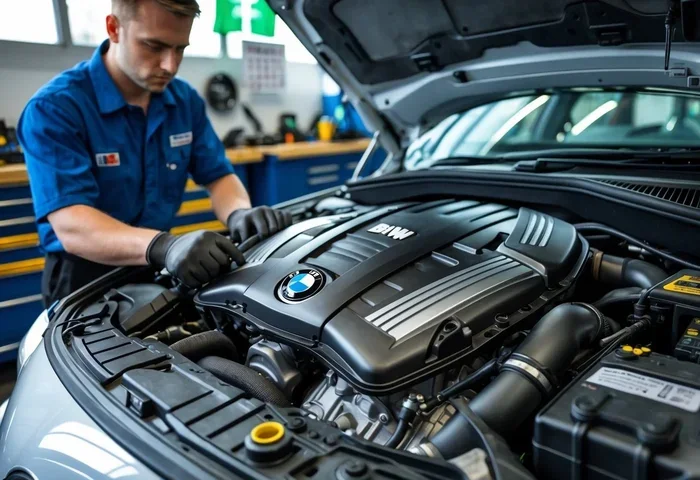
The N20 engine powered the F30 328i. It’s a turbocharged four-cylinder with direct injection. It offers a good balance of power and efficiency. However, it has known weak points. The timing chain and oil consumption are the main concerns. BMW N20 engine reliability improves with regular maintenance. Using the correct oil grade makes a big difference.
Timing Chain and Oil Life
The timing chain is a critical component. It can stretch over time, especially if oil changes are skipped. A stretched chain causes rattling and poor performance. BMW 328i timing chain replacement is a common repair at high mileage. Always use the recommended oil grade to protect the chain. The oil life system is a guide, but stick to a fixed interval for best results.
Transmission Reliability
The BMW 328i transmission in the F30 is an 8-speed automatic. It’s generally reliable but needs fluid changes. Neglecting transmission fluid can lead to rough shifts. BMW 328i transmission life can exceed 200,000 miles with proper care. Check the fluid color regularly. Dark or burnt fluid signals the need for a change.
Factors That Affect BMW 328i Lifespan
Driving Habits
How you drive directly impacts BMW 328i longevity. Short trips with frequent cold starts cause more wear. Highway driving at steady speeds is gentler on the engine. Avoiding hard acceleration and late braking helps. BMW 328i reliability improves with smooth driving habits. Think of the car as a long-term partner that rewards gentle treatment.
Maintenance Schedule
Sticking to the BMW 328i maintenance schedule is non-negotiable. Here are the key intervals to remember.
- Oil changes every 7,500–10,000 miles.
- Coolant flushes every 30,000 miles.
- Transmission fluid change around 50,000 miles.
- Brake fluid replacement every two years.
- Spark plug replacement every 60,000 miles.
A full service history adds value to a used car. It also gives you peace of mind that the car has been well cared for.
Climate and Storage
Extreme heat or cold can shorten engine life. Hot climates cause oil to break down faster. Cold climates increase condensation in the oil. If you store the car, use a quality battery tender and keep the fuel tank full to prevent rust. A garage is always better than street parking.
Common BMW 328i Problems at High Mileage
Oil Leaks and Gasket Issues
Oil leaks are common as the car ages. The valve cover gasket and oil pan gasket are frequent culprits. Small leaks can become big problems if ignored. Regularly check your oil level and look for puddles under the car. Replacing a gasket early is much cheaper than repairing engine damage.
Ignition Coil Failures
The BMW 328i coil packs can fail at high mileage. Symptoms include misfires and rough idle. Replacing a coil pack is relatively inexpensive. Ignoring it can damage the catalytic converter. Keep an eye on the check engine light and address misfires promptly.
Water Pump and Thermostat
The water pump is driven by the timing chain in the N20 engine. When it fails, it can cause overheating. The thermostat is another common failure point. Watch for temperature gauge fluctuations. Replacing these parts early prevents costly engine repairs. BMW 328i common problems like these are easy to fix if caught early.
Maintenance Tips to Extend Your BMW 328i’s Life
Oil Change Intervals
Change the oil every 7,500–10,000 miles. Use BMW-approved synthetic oil. The BMW 328i oil change interval is longer than many cars, but don’t push it. Clean oil is the lifeblood of the engine. It lubricates, cools, and cleans internal components. Skipping an oil change is the fastest way to shorten engine life.
Coolant and Fluid Checks
Flush the coolant every 30,000 miles. Check the brake fluid every two years. Transmission fluid should be changed around 50,000 miles. These fluids protect vital components and prevent premature wear. A BMW 328i maintenance schedule is your roadmap to long life.
Brake and Suspension Care
Inspect brake pads and rotors regularly. BMW 328i brake rotors can warp if not replaced on time. Suspension components like shocks and struts wear out over time. A smooth ride depends on healthy suspension parts. Don’t ignore vibrations or clunking noises. They are early warning signs.
Quick Tip: Keep a maintenance log in the glovebox. Record every oil change, fluid flush, and repair. This helps track the car’s health and boosts resale value.
Common Mistake: Using generic oil filters. Always use OEM or high-quality BMW-specific filters. Cheap filters can bypass contaminants and damage the engine. It’s a small cost for big protection.
Expert Insight: “I recommend an oil analysis every 15,000 miles. It tells you if the engine is wearing internally. Catching metal particles early can save a rebuild,” advises a BMW specialist.
Is a High-Mileage BMW 328i Worth Buying?
Pros and Cons of Buying a High-Mileage 328i
A high-mileage BMW 328i can be a great value. The car has already experienced its steepest depreciation. However, you inherit whatever wear exists. The key is a full service history. A well-documented car inspires confidence. Here’s a quick look at the trade-offs.
- Pros: Lower purchase price, already past the break-in period, often equipped with more features.
- Cons: Higher risk of repairs, potential for hidden issues, fewer factory warranty years remaining.
What to Inspect Before Purchase
Request a pre-purchase inspection from a BMW specialist. Check for oil leaks, timing chain rattle, and smoke from the exhaust. Test drive the car on the highway. Listen for unusual noises in the transmission and suspension. A high mileage BMW 328i with no major issues can last another 100,000 miles. Trust the data, not just the seller’s story.
| Factor | High-Mileage (150k+) | Low-Mileage (under 80k) |
|---|---|---|
| Purchase Price | Lower | Higher |
| Depreciation | Already steep | Still ongoing |
| Maintenance Costs | Higher risk | Lower risk |
| Parts Availability | Same | Same |
| Overall Value | Excellent if maintained | Good but pricier |
Buying a high-mileage car is a calculated risk. But with a solid service history, the BMW 328i mileage potential remains strong. Many owners find that the savings outweigh the higher maintenance costs.
Conclusion
So, how many miles does a BMW 328i last? The answer is clear: with proper care, it can reach 200,000 to 250,000 miles or more. The BMW 328i lifespan depends on your maintenance habits, driving style, and a bit of luck. Regular oil changes, timely repairs, and gentle driving are your best tools. Whether you’re keeping your current car or buying a used one, understanding the BMW 328i reliability factors puts you in control. Take care of your BMW 328i, and it will reward you with years of enjoyable driving. Start applying these tips today, and your car will thank you for miles to come.
Frequently Asked Questions
What is the average lifespan of a BMW 328i?
The average BMW 328i lifespan is 200,000 to 250,000 miles. With consistent maintenance and gentle driving, many owners exceed 300,000 miles. The engine and transmission are the main determinants of longevity.
Is a BMW 328i reliable at high mileage?
Yes, a BMW 328i can be very reliable at high mileage if it has been properly maintained. The N20 engine is known for durability, but it requires regular oil changes and attention to the timing chain. A full service history is the best indicator of future reliability.
What are the most common problems with a BMW 328i after 100k miles?
Common issues include oil leaks from the valve cover gasket, timing chain stretch, and ignition coil failures. The water pump and thermostat are also frequent failure points. Regular inspections can catch these problems early and prevent costly repairs.
How often should I change the oil in my BMW 328i?
Change the oil every 7,500 to 10,000 miles. Use BMW-approved synthetic oil. Even though the car has an oil life monitoring system, it’s wise to stick to a fixed interval for optimal BMW 328i engine life. Clean oil prevents sludge and wear.
Can I buy a BMW 328i with over 200,000 miles?
Absolutely. A high mileage BMW 328i can be a smart purchase if it has a well-documented service history. Get a pre-purchase inspection to check for major issues. Many of these cars have plenty of life left in them.
What maintenance is most important for extending BMW 328i mileage?
The most important factor is regular oil changes with quality synthetic oil. Also, timely coolant flushes, transmission fluid changes, and addressing small leaks early make a huge difference. Consistent care is the secret to maximizing BMW 328i reliability and mileage.