How to Turn the Heat On in an Audi Q5 for Warm Rides
Learning how to turn the heat on in an Audi Q5 is simple once you understand the system. This guide walks you through every step, from basic controls to troubleshooting common problems. You will also learn expert tips to keep your heater running strong all season.
Winter mornings can be brutal. You climb into your Audi Q5, turn the key, and wait for warmth. But what happens when the Audi Q5 heating system refuses to cooperate? Cold air blows from the vents, and you are left shivering on your commute.
Knowing how to turn the heat on in an Audi Q5 is more than just turning a dial. It involves understanding how the system works, what settings to use, and when something is wrong. Whether you own a 2018 model or a brand-new 2024 Audi Q5, this guide covers everything you need to stay warm.
We will walk you through the process step by step. You will learn about the controls, troubleshoot common issues, and discover maintenance tips that keep your cabin temperature comfortable all winter long. No jargon. No fluff. Just practical advice you can use right away.
Key Takeaways
- Start the engine and let it warm up: Your Audi Q5 heater needs a warm engine to produce heat effectively.
- Adjust temperature and fan speed correctly: Turn the dial to red and increase fan speed for maximum warmth.
- Check coolant levels regularly: Low coolant is the most common reason heaters fail in Audi Q5 models.
- Use recirculation mode in winter: This traps warm air inside the cabin and speeds up heating.
- Replace your cabin air filter: A clogged filter reduces airflow and makes your heater feel weak.
- Know when to see a mechanic: Persistent heating problems may signal a broken thermostat or heater core.
📑 Table of Contents
- Understanding Your Audi Q5 Heating System
- Step-by-Step Guide to Turning the Heat On in Your Audi Q5
- Common Reasons Your Audi Q5 Heater Might Not Be Working
- Comparison: Manual vs. Automatic Climate Control in the Audi Q5
- Quick Tips for Maximum Heat in Your Audi Q5
- Common Mistakes That Reduce Heat in Your Audi Q5
- When to See a Professional Mechanic
- Maintaining Your Audi Q5 Heating System for Longevity
- Key Takeaways for Warm Rides in Your Audi Q5
Understanding Your Audi Q5 Heating System
Before you adjust any controls, it helps to understand what is happening under the hood. The heating system in your Audi Q5 is closely tied to the engine cooling system. Yes, your heater actually uses engine heat to warm your cabin. That might sound surprising, but it is true.
How the Heating System Works
When your engine runs, it generates a lot of heat. The coolant system absorbs that heat and carries it through the engine. Part of that hot coolant flows through a small radiator called the heater core. The blower motor pushes air through the heater core, and that warm air travels into your cabin through the vents.
This is why your heater does not work when the engine is cold. The coolant needs time to heat up first. In a cold climate, this waiting period can feel unbearable, but it is a normal part of how the system operates.
Key Components You Should Know
Several parts work together to deliver heat to your Audi Q5. Here are the most important ones:
- Heater Core: A small radiator that warms the air before it enters the cabin.
- Blower Motor: The fan that pushes air through the vents and across the heater core.
- Thermostat: Regulates engine temperature and ensures the coolant reaches the right heat level.
- Temperature Blend Door: Controls how much hot and cold air mixes before reaching the cabin.
- Heater Control Valve: Regulates the flow of hot coolant to the heater core.
- Cabin Air Filter: Filters incoming air and can restrict airflow when clogged.
Understanding these parts makes it easier to diagnose problems. When your car heater not working, one of these components is likely the culprit.
Step-by-Step Guide to Turning the Heat On in Your Audi Q5
Now that you understand the basics, let us get into the practical steps. Whether you are a new Audi owner or have driven Q5 models for years, this guide will help you get maximum warmth every time.
Step 1: Start the Engine and Let It Warm Up
This is the most important step people skip. You cannot expect warm air from a cold engine. Start your Audi Q5 and let it idle for about 2 to 3 minutes. Watch the temperature gauge on the dashboard. Wait until the needle moves into the normal operating range before you adjust the heat.
In extremely cold weather, you might need to wait a little longer. Engine warming up properly ensures the coolant reaches the heater core at full temperature.
Step 2: Set the Temperature Dial to Maximum Heat
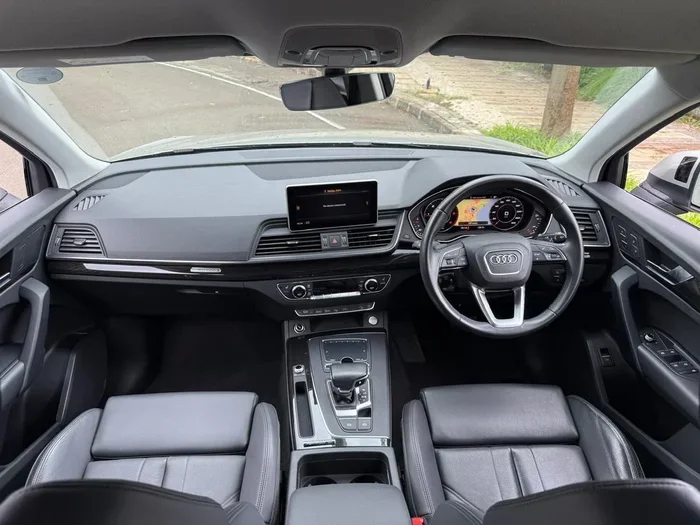
Locate the temperature control on your center console. Turn the dial all the way to the red side, which represents maximum heat. In newer Audi Q5 models with digital controls, simply tap the up arrow on the temperature setting until it reaches the highest level.
If your Q5 has dual-zone Audi climate control, make sure both driver and passenger sides are set to your preferred warmth. This ensures everyone in the cabin stays comfortable.
Step 3: Adjust the Fan Speed
Once the temperature is set, increase the fan speed. Start at a low setting and gradually raise it. High fan speed pushes more air through the heater core, which means warmer air reaches you faster.
However, do not jump to maximum fan speed immediately. Doing so can blow cold air into the cabin at first, which defeats the purpose. Let the system build up heat gradually.
Step 4: Select the Correct Airflow Mode
Your Audi Q5 offers several airflow modes. For heating, you have a few options:
- Feet Mode: Directs warm air toward your feet. This is great for overall cabin warmth.
- Windshield Defrost Mode: Uses maximum airflow to clear fog and ice. It also produces significant heat.
- Combination Mode: Mixes airflow between feet and windshield for balanced heating.
For the warmest ride, feet mode combined with a low windshield defrost setting works best. This setup keeps your toes warm and prevents foggy windows.
Step 5: Use Recirculation Mode
Press the recirculation button on your console. This mode traps the warm air already inside the cabin and recirculates it, rather than pulling in cold outside air. Using recirculation mode in winter is one of the best ways to heat up your Audi Q5 quickly.
However, remember to turn recirculation off when your windows fog up. Continuous recirculation can increase humidity and make fogging worse. A quick toggle between fresh air and recirculation solves this problem.
Step 6: Switch Between Auto and Manual Mode
If your Audi Q5 has automatic climate control, press the AUTO button. The system will automatically adjust fan speed, temperature, and airflow mode to maintain your set cabin temperature. Manual mode gives you more control, which can be useful in extreme cold.
Many drivers prefer auto mode for daily commutes because it requires less fiddling. But on really cold days, manual mode lets you fine-tune every setting for maximum comfort.
Common Reasons Your Audi Q5 Heater Might Not Be Working
Even when you follow every step correctly, sometimes the heat still does not come on. Audi Q5 troubleshooting for heating problems usually points to a few common causes. Let us look at each one.
Low Coolant Levels
This is the number one reason heaters fail. If your Audi Q5 coolant level is low, there is not enough hot fluid flowing through the heater core. Check the coolant reservoir under the hood. If it is below the minimum line, top it off with the correct type of coolant for your model.
Low coolant often signals a leak somewhere in the system. Look for puddles under your parked car or any visible corrosion around coolant hoses. If you find a leak, have a mechanic inspect it before it causes engine overheating.
Faulty Thermostat
The thermostat regulates how much coolant flows through the engine. When it gets stuck closed, the engine overheats but the heater core stays cold. When it gets stuck open, the engine takes too long to warm up, which means delayed or weak heat.
A stuck thermostat is a relatively simple and affordable fix. If you notice your temperature gauge reading unusually high or low, get the thermostat checked as soon as possible.
Blower Motor Issues
If you can set the temperature correctly but feel no air coming from the vents, the blower motor might be the problem. This motor is responsible for pushing air through the system. When it fails, you get no airflow at all, hot or cold.
Blower motor failures can happen from worn-out resistors, electrical faults, or simple age. A mechanic can test the motor and replace it if needed. The cost is usually reasonable, especially compared to more serious heating system repairs.
Clogged Cabin Air Filter
The cabin air filter cleans the air that enters your Audi Q5. Over time, it collects dust, pollen, and debris. A dirty filter restricts airflow, which makes the heater feel weak even when it is working properly.
Replacing the cabin air filter is one of the easiest and cheapest maintenance tasks you can do. Most Audi Q5 models have the filter located behind the glove box. Check your owner manual for the exact location and replacement interval.
Broken Heater Control Valve
The heater control valve manages how much hot coolant reaches the heater core. When this valve breaks or gets stuck, the heater core receives either too little or too much coolant. The result is inconsistent or no heat at all.
Replacing a heater control valve requires some mechanical knowledge. If you are not comfortable working under the hood, this is a job best left to a professional who specializes in Audi Q5 maintenance.
Comparison: Manual vs. Automatic Climate Control in the Audi Q5
Not all Audi Q5 models come with the same heating controls. Here is a quick comparison between manual and automatic systems:
| Feature | Manual Climate Control | Automatic Climate Control |
|---|---|---|
| Temperature Adjustment | Manual dial or slider | Digital display with touch controls |
| Fan Speed Control | Manual button or dial | Automatically adjusted by system |
| Airflow Mode Selection | Manual button press | Automatically selected |
| Ease of Use | Simple and straightforward | Hands-off convenience |
| Best For | Drivers who want full control | Drivers who prefer set-and-forget |
| Cost of Repair | Lower | Higher due to sensors and electronics |
Both systems will effectively heat your Audi Q5 when used correctly. The choice comes down to personal preference and convenience.
Quick Tips for Maximum Heat in Your Audi Q5
Want the warmest possible ride? These quick tips make a big difference:
- Pre-warm your vehicle: Use a remote starter or block heater in extremely cold climates. This gets the engine warm before you even sit down.
- Point vents upward: Hot air rises, so directing vents toward the ceiling helps warm the entire cabin faster.
- Clear snow from exterior vents: Snow blocking your exterior air intakes can restrict airflow and reduce heating performance.
- Keep your coolant topped off: Check coolant levels monthly during winter months.
- Park in a garage when possible: A sheltered start keeps the engine warmer and reduces the time needed to produce heat.
These small habits add up. Over time, they keep your Audi Q5 heating system running at peak efficiency.
Quick Tips Section
Quick Tip: If your seats are cold, consider a seat warmer cushion. It provides instant warmth while the heater system catches up. This is especially helpful on sub-zero mornings.
Quick Tip: Crack a window slightly when using maximum heat for the first few minutes. This reduces fogging on the inside of your windshield and helps stale air circulate out faster.
Common Mistakes That Reduce Heat in Your Audi Q5
Even experienced drivers make mistakes that hurt their heating performance. Here are the most common ones to avoid:
- Turning the heat on too early: Cranking the heat before the engine is warm wastes time and makes you colder.
- Leaving the fan on auto with low speed: Low fan speed cannot push enough air through the heater core for effective warming.
- Ignoring warning lights: If your temperature gauge or check engine light comes on, address it immediately. A overheating engine damages the entire heating system.
- Using AC with heat: Some drivers accidentally leave the air conditioning on, which introduces cold air and fights the heater.
- Skipping coolant flushes: Old coolant loses its ability to transfer heat efficiently. Regular flushes keep the system running smoothly.
Avoiding these mistakes alone can solve many heating problems you might otherwise think require expensive repairs.
When to See a Professional Mechanic
Not every heating issue is a DIY fix. Some problems require professional diagnosis and repair. Here are signs that it is time to visit a mechanic.
Signs of a Serious Heating Problem
- Steam or smell from the vents: This could indicate a leaking heater core, which allows coolant into the cabin. It is a serious issue that needs immediate attention.
- Coolant puddles under the car: This suggests a leak in the cooling system that affects both heating and engine performance.
- Temperature gauge reading abnormally: If your engine runs too hot or too cold, the thermostat or water pump may be failing.
- No heat at all despite correct settings: If you have checked coolant, fan speed, and airflow modes and still get no heat, a deeper component issue exists.
- Foggy windows that will not clear: This can signal a malfunctioning HVAC system that is not properly controlling humidity and airflow.
Cost Considerations for Heating Repairs
The cost of repairing your Audi Q5 heating system varies widely depending on the problem. Here is a rough breakdown:
- Cabin air filter replacement: $30 to $75
- Coolant flush and refill: $100 to $200
- Thermostat replacement: $150 to $350
- Blower motor replacement: $300 to $600
- Heater core replacement: $500 to $1,200
These costs can vary by location and model year. Always get a quote before approving any major repair. Regular Audi Q5 maintenance helps prevent many of these expensive issues.
Maintaining Your Audi Q5 Heating System for Longevity
The best way to ensure your heater always works is through regular maintenance. A well-maintained Audi Q5 heating system lasts longer, performs better, and saves you money on repairs.
Regular Coolant Flushes
Audi recommends flushing and replacing the coolant every 40,000 miles or every two years, whichever comes first. Fresh coolant transfers heat more efficiently and protects the internal components from corrosion. This simple service keeps your heater core and entire cooling system in top shape.
Seasonal Maintenance Checklist
Before winter arrives, go through this checklist to prepare your Audi Q5 for cold weather:
- Check and top off coolant levels.
- Replace the cabin air filter if it is due.
- Test the blower motor at all speed settings.
- Inspect all exterior air intakes for blockages.
- Verify the thermostat is functioning correctly.
- Check for any coolant leaks under the vehicle.
Following this checklist takes about 30 minutes and can prevent most heating problems before they start. It is one of the best investments you can make for cold-weather driving.
Expert Insights
Expert Insight: Many Audi owners report that their heating system works best when they keep the engine RPM slightly elevated during cold starts. This speeds up coolant circulation and gets warm air flowing faster. However, do not rev the engine excessively. A gentle increase in RPM is all that is needed.
Expert Insight: If you live in an area with harsh winters, consider using a block heater or engine heater blanket. These devices keep the engine block warm overnight, which means faster warm-up times and quicker heat delivery when you start driving.
Key Takeaways for Warm Rides in Your Audi Q5
Heating your Audi Q5 properly is a combination of knowing the right settings, understanding the system, and staying on top of maintenance. The steps are straightforward, and most drivers can master them within a few days of cold-weather driving.
Start by letting your engine warm up before cranking the heat. Set the temperature to maximum, adjust the fan speed gradually, and use recirculation mode for faster results. If the heat is weak or absent, check the coolant level, cabin air filter, and thermostat before assuming the worst.
Regular maintenance goes a long way. Coolant flushes, filter replacements, and seasonal checklists keep everything running smoothly. And when problems do arise, knowing the warning signs helps you address them quickly before they become expensive repairs.
Your Audi Q5 is built to handle cold weather with confidence. With the knowledge in this guide, you can enjoy warm, comfortable rides all winter long. Stay warm and drive safely.
Frequently Asked Questions
Why is my Audi Q5 heater blowing cold air even when the engine is warm?
This usually indicates a problem with the thermostat, heater control valve, or coolant levels. Check your coolant reservoir first, as low coolant is the most common cause. If the coolant is fine, have a mechanic inspect the thermostat and heater core for potential faults.
How long does it take for the Audi Q5 heater to produce warm air?
In normal conditions, expect warm air within 3 to 5 minutes of driving. In extremely cold weather, it may take up to 10 minutes. If your heater takes significantly longer, check your coolant level and thermostat for potential issues.
Can a clogged cabin air filter affect the heating performance in my Audi Q5?
Yes, absolutely. A clogged cabin air filter restricts airflow through the heating system, which makes the heater feel weak even when it is working correctly. Replacing the filter is a quick and inexpensive fix that can dramatically improve your heating performance.
Is it normal for the Audi Q5 heater to get warmer as I drive faster?
Yes, this is completely normal. At higher speeds, the engine runs more efficiently and produces more heat. The water pump also circulates coolant faster, which means more hot fluid reaches the heater core. This is why you often notice stronger heat on the highway than when idling.
What type of coolant does the Audi Q5 use for optimal heating performance?
Most Audi Q5 models use G12++ or G13 approved coolant. Using the wrong type can cause corrosion and reduce heating efficiency. Always check your owner manual or consult your dealer to confirm the correct coolant specification for your specific model year.
Should I run the air conditioning with the heater in winter?
Running the AC in winter is actually beneficial in some cases. The AC compressor helps dehumidify the air, which reduces foggy windows. Many drivers run the AC on recirculation mode during humid winter conditions to keep their windshield clear while still enjoying warm air from the heater.
=== CONCLUSION ===
Learning how to turn the heat on in an Audi Q5 is an essential skill for every owner. Whether you are facing your first winter in a new Q5 or troubleshooting a stubborn heating problem, the steps in this guide will help you stay warm and comfortable.
Start with the basics: warm up your engine, set the temperature to maximum, adjust the fan speed, and use recirculation mode. If the heat is not working, work through the common causes systematically, from coolant levels to clogged filters. And remember that regular maintenance is your best defense against heating problems in the future.
Your Audi Q5 is a premium vehicle that deserves premium care. Treat the heating system with the same attention you give the engine, and it will reward you with reliable warmth for years to come. Apply what you have learned here, and you will never have to endure a cold ride in your Q5 again.