How Do You Know If Your TPMS Sensor Is Bad on Your Car
Knowing how to spot a failing TPMS sensor can save you time, money, and keep you safe on the road. A bad tire pressure monitoring system sensor often shows clear warning signs like a flashing dashboard light, inaccurate pressure readings, or a sensor that won’t reset. This guide walks you through every symptom, diagnostic step, and fix so you can tackle the problem with confidence.
Your car talks to you. It uses lights, sounds, and signals to tell you when something needs attention. One of the most important signals is the TPMS light on your dashboard. But what happens when that light comes on and you are not sure why? Understanding how to know if your TPMS sensor is bad can make a huge difference. A failing tire pressure monitoring system sensor can lead to safety risks, poor fuel economy, and uneven tire wear.
Many drivers ignore the warning light or assume it is just a false alarm. That is a mistake. A bad TPMS sensor can give you wrong information about your tire pressure. This means you could be driving on underinflated or overinflated tires without even knowing it. In this article, we will walk you through every sign, symptom, and step to identify a faulty sensor. You will learn how to diagnose the problem, when to replace the sensor, and how to avoid common pitfalls.
Whether you are a DIY mechanic or someone who just wants to understand what the car is telling you, this guide has you covered. We will keep things simple, practical, and easy to follow. No jargon. No confusing tech talk. Just clear, helpful advice you can use right away.
Key Takeaways
- Dashboard Warning Light: The TPMS light on your dash is the most obvious sign that something is wrong with your tire pressure monitoring system.
- Inaccurate Readings: If your tire pressure gauge shows different numbers than what the TPMS displays, the sensor may be failing.
- Sensor Battery Life: Most TPMS sensor batteries last 5 to 10 years and cannot be replaced separately in many models.
- Corrosion and Damage: Physical damage, road debris, or corrosion on the valve stem can cause a faulty TPMS sensor.
- Reset Doesn’t Work: If resetting the system doesn’t turn off the light, the sensor itself likely needs replacement.
- Professional Diagnosis Helps: A TPMS diagnostic tool can pinpoint exactly which sensor is bad, saving you guesswork.
- Don’t Ignore the Light: Driving with a failed tire pressure sensor can lead to unsafe tire pressure and reduced fuel efficiency.
📑 Table of Contents
- What Is a TPMS Sensor and Why Does It Matter?
- Common Signs Your TPMS Sensor Is Bad
- How to Diagnose a Faulty TPMS Sensor
- TPMS Sensor Bad vs. Low Tire Pressure: How to Tell the Difference
- Common Causes of TPMS Sensor Failure
- How to Replace a Bad TPMS Sensor
- How to Prevent TPMS Sensor Problems
- When to See a Professional
- Key Takeaways
- Conclusion
What Is a TPMS Sensor and Why Does It Matter?
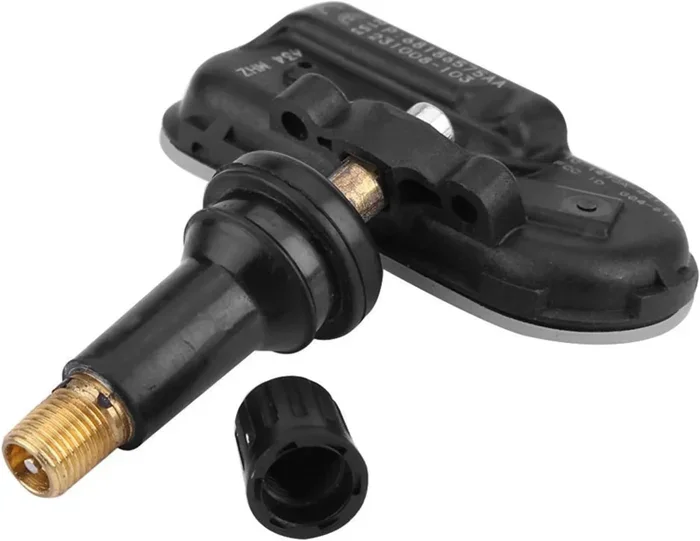
A TPMS sensor is a small device inside each tire that monitors air pressure in real time. It sends data to your car’s computer. When the pressure drops below or rises above the safe range, the system triggers a warning. This is part of your tire pressure monitoring system, and it plays a big role in vehicle safety.
How the Tire Pressure Monitoring System Works
Each wheel has a sensor mounted inside or attached to the valve stem. The sensor measures the air pressure inside the tire. It then transmits that data wirelessly to the car’s onboard computer. If the pressure goes outside the recommended range, the TPMS light comes on. This happens with both direct TPMS sensors and indirect TPMS systems. Direct systems use actual pressure sensors inside the tire. Indirect systems use wheel speed sensors to detect differences in tire size caused by low pressure.
Why Your Tire Pressure Matters
Proper tire pressure affects everything. It impacts your safety, fuel economy, and how long your tires last. Underinflated tires can overheat and blow out. Overinflated tires give you a harsh ride and wear out the center of the tread faster. A working tire pressure sensor helps you catch problems early. When that sensor goes bad, you lose that safety net.
Common Signs Your TPMS Sensor Is Bad
Spotting a bad tire pressure sensor early can save you from bigger problems. Here are the most common signs to watch for.
The TPMS Light Stays On
The most obvious sign is the TPMS warning light on your dashboard. It looks like a horseshoe shape with an exclamation point in the middle. If this light stays on after you start the car, something is wrong. Sometimes the light flashes first and then stays solid. Either way, it means the system has detected a problem. The issue could be a truly low tire pressure or a faulty sensor. You need to check both possibilities.
Inaccurate Pressure Readings
Another red flag is a mismatch between your manual tire pressure gauge and what the TPMS display shows. If you check your tires with a pressure gauge and they read fine, but the dashboard still shows a problem, the sensor may be giving false data. This is one of the clearest signs of a bad TPMS sensor. Trust your physical gauge over the digital reading when they disagree.
The Light Comes on and Goes Off Randomly
Does the warning light appear randomly? It might come on when it is cold outside and then disappear when the weather warms up. While temperature changes can cause minor pressure shifts, a sensor that triggers the light inconsistently is likely failing. A healthy sensor gives stable readings. An inconsistent pattern often points to a bad tire pressure sensor.
You Cannot Reset the TPMS System
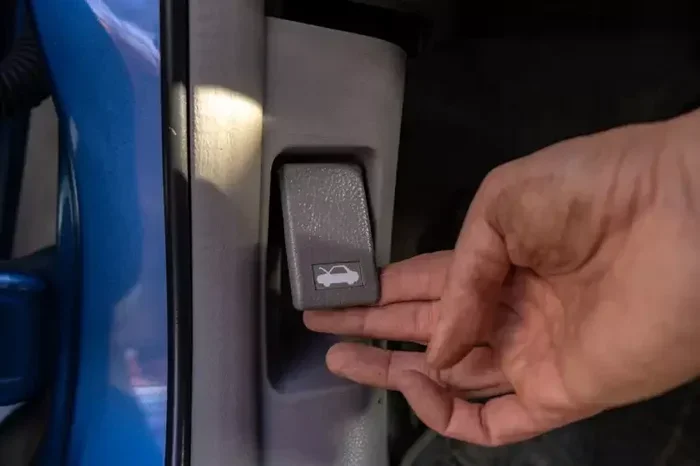
After you inflate your tires to the correct level, you should be able to reset the TPMS system. The reset button is usually located under the steering column or inside the glove box. If the light stays on even after a proper reset, the sensor itself is probably the problem. A working sensor will acknowledge the corrected pressure and turn the light off.
Battery Warning on the Dashboard
Some newer vehicles show a separate battery warning for the TPMS sensor. These sensors run on small batteries that last about 5 to 10 years. When the battery dies, the sensor stops working entirely. You will see a battery-related TPMS message on the dash. At that point, the whole sensor unit needs replacement because you cannot swap out just the battery in most models.
How to Diagnose a Faulty TPMS Sensor
Once you notice warning signs, the next step is diagnosis. You do not need to be a professional mechanic to do this. A few simple checks can help you figure out if the TPMS sensor is the culprit.
Step 1: Check Tire Pressure Manually
Start by using a reliable tire pressure gauge. Check all four tires, including the spare. Compare your readings to the recommended pressure listed on the driver’s side door jamb. If the pressures are all correct but the light is still on, the sensor is likely bad. This simple step eliminates low tire pressure as the cause.
Step 2: Look for Physical Damage
Inspect each tire visually. Look at the valve stem where the TPMS sensor is mounted. Check for cracks, corrosion, or missing valve caps. Road debris can damage the sensor or its wiring. Corrosion around the valve stem is a common cause of sensor failure. If you see any physical damage, that is a strong clue the sensor is bad.
Step 3: Use a TPMS Diagnostic Tool
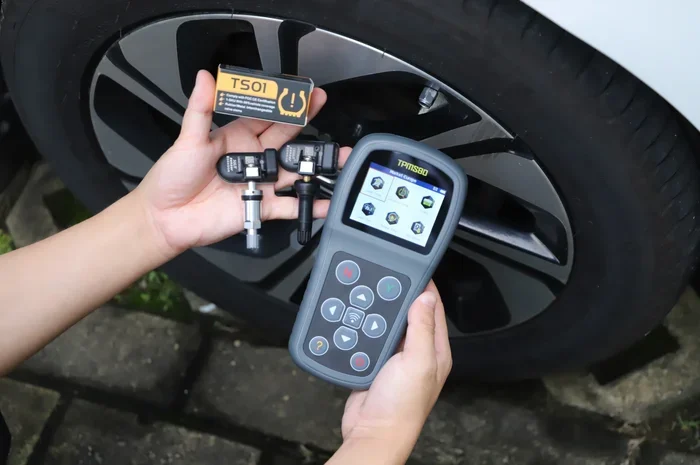
A TPMS diagnostic scanner can read the sensor data directly. These tools are available at most auto parts stores or online. You plug the scanner into the OBD-II port under your dashboard. The tool will tell you if any sensor is sending error codes. It can also show you the battery life of each sensor. This is the most accurate way to confirm a bad tire pressure sensor without visiting a mechanic.
Step 4: Test the Sensor Battery
As mentioned, TPMS sensor batteries have a limited lifespan. A diagnostic tool can often tell you the battery status. If the battery is low or dead, the sensor will not work properly. In most cases, you will need to replace the entire sensor unit when the battery dies.
TPMS Sensor Bad vs. Low Tire Pressure: How to Tell the Difference
One of the trickiest parts of TPMS troubleshooting is telling the difference between a bad sensor and actually low tire pressure. Both trigger the same warning light. Here is a simple way to figure it out.
Quick Comparison
| Sign | Low Tire Pressure | Bad TPMS Sensor |
|---|---|---|
| TPMS Light | Stays on steadily | Stays on or flashes randomly |
| Manual Gauge Reading | Shows low pressure | Shows normal pressure |
| After Inflation | Light turns off after reset | Light stays on even after reset |
| Multiple Sensors Affected | Usually one or two tires | Can affect all sensors at once |
| Weather Correlation | More common in cold weather | No clear weather pattern |
| Sensor Battery Warning | No battery message | Battery warning may appear |
Use this table as a quick reference. If your manual readings show normal pressure but the light stays on, you are most likely dealing with a bad TPMS sensor. If the pressure is genuinely low, inflate the tires and reset the system. The light should go off within a few minutes of driving.
Quick Tip: Always Check the Spare Tire
Many people forget about the spare tire. Some TPMS systems monitor the spare as well. A bad sensor on the spare can trigger the dashboard light even if your four main tires are perfectly fine. Do not skip this step during your diagnosis.
Common Causes of TPMS Sensor Failure
Understanding why sensors fail can help you prevent future problems. Here are the most common causes of a bad tire pressure sensor.
Battery Depletion
The most common reason for TPMS sensor failure is a dead battery. These sensors run on small, non-replaceable batteries in most vehicles. The battery typically lasts between 5 and 10 years. Once it dies, the sensor stops transmitting data. There is no way to recharge or replace just the battery in most models. You will need a full sensor replacement.
Corrosion and Rust
Exposure to road salt, water, and debris can cause corrosion on the valve stem and sensor. Corroded connections prevent the sensor from sending accurate data. If you live in a coastal area or a region that uses road salt in winter, your sensors are more vulnerable. Regular cleaning and inspection can help extend sensor life.
Physical Damage from Road Hazards
Potholes, curbs, and road debris can damage the sensor or its valve stem. The sensor sits inside the tire, but the valve stem is exposed. A hard impact can crack the stem or knock the sensor out of position. Even a small leak around the valve stem can cause pressure loss and trigger the warning light.
Improper Tire Service
Sometimes the problem starts during a tire change or rotation. If a technician overtightens the valve stem nut, it can crack the sensor housing. Using the wrong tool during tire service can also damage the sensor. Always let a trained professional handle TPMS-related tire work.
Electromagnetic Interference
In rare cases, electromagnetic interference from aftermarket electronics can disrupt TPMS signals. This is uncommon but worth considering if you have recently installed new audio systems, GPS units, or other electronic accessories near the wheels.
How to Replace a Bad TPMS Sensor
If your diagnosis confirms a bad TPMS sensor, it is time to replace it. Here is what you need to know about the process.
Can You Replace It Yourself?
Yes, many car owners replace TPMS sensors themselves. You will need a TPMS sensor tool to remove the old sensor and install the new one. The process involves deflating the tire, removing the valve stem, and swapping out the sensor. It takes about 15 to 20 minutes per wheel if you have some basic tools. However, if you are not comfortable working with tires, a mechanic can do it for you.
How Much Does Replacement Cost?
The cost varies depending on your vehicle. A single TPMS sensor typically costs between 50 and 100 dollars. Labor at a shop adds another 20 to 50 dollars per sensor. If you need all four sensors replaced, budget around 200 to 600 dollars total. Some vehicles use more expensive sensors, especially luxury or European models.
Reprogramming After Replacement
After installing a new sensor, you must reprogram it to your vehicle’s system. Some sensors auto-register when you drive above 20 mph. Others require a TPMS reset tool or a visit to a mechanic with professional diagnostic equipment. Always check your owner’s manual for the specific reprogramming steps for your model.
Expert Insight: Buy Quality Sensors
Not all TPMS sensors are created equal. Cheap aftermarket sensors may not last as long or provide accurate readings. OEM sensors from the vehicle manufacturer are more reliable but cost more. A good middle-ground option is a reputable aftermarket brand that is compatible with your vehicle. Read reviews and check compatibility before purchasing.
How to Prevent TPMS Sensor Problems
Prevention is always better than repair. Here are simple steps to keep your tire pressure monitoring system working well.
- Check tire pressure monthly: Use a quality tire pressure gauge to manually inspect all tires. This catches low pressure before the TPMS light even comes on.
- Keep valve stems clean: Wipe down the valve stems regularly to prevent corrosion. Replace valve stem caps after every tire check.
- Avoid harsh impacts: Slow down for potholes and speed bumps. Hard impacts can damage both the sensor and the valve stem.
- Replace sensors proactively: If your sensors are more than 8 years old, consider replacing them before they fail. A proactive swap saves you from being stranded with a dead battery.
- Use proper tire service techniques: Always have tire work done by trained professionals who know how to handle TPMS sensors correctly.
- Address warning lights immediately: Do not ignore the TPMS light. The sooner you diagnose the issue, the less damage and expense you will face.
Quick Tip: Keep a Tire Pressure Log
Write down your tire pressure readings each month. This simple habit helps you spot slow leaks early and track any sensor drift over time. If you notice one tire consistently losing pressure faster than the others, it could be a sensor issue or a slow leak in the tire itself.
When to See a Professional
While many TPMS issues can be diagnosed at home, some situations call for a professional. If you have checked all the tires and they are at the right pressure but the light still will not turn off, take the car to a shop. If you do not have access to a TPMS diagnostic tool, a mechanic can run a full sensor test. Also, if you are unsure about replacing the sensor yourself, it is always safer to let an expert handle it. A professional can also reprogram the new sensor and ensure the entire system is working correctly.
Common Mistakes to Avoid
Here are mistakes that many drivers make when dealing with TPMS issues:
- Ignoring the light: Driving with an active TPMS warning means you do not know your actual tire pressure. This is a safety risk.
- Replacing tires instead of sensors: Some people buy new tires when the real problem is a bad sensor. Always diagnose the issue first.
- Using the wrong reset method: Every vehicle has a specific reset procedure. Check the owner’s manual or look up your specific model before attempting a reset.
- Buying incompatible sensors: Not all TPMS sensors fit all vehicles. Make sure the replacement sensor matches your car’s make, model, and year.
- Skipping reprogramming: A new sensor will not work until it is properly registered with the car’s computer. Always complete the reprogramming step.
Key Takeaways
- The TPMS light is your first clue: If it stays on or flashes, something is wrong with the tire pressure monitoring system.
- Manual checks confirm the problem: Use a tire pressure gauge to verify whether the tires are actually low or if the sensor is giving false readings.
- Sensor batteries have a limited lifespan: Most last 5 to 10 years. A dead battery means replacing the entire sensor unit.
- Corrosion and road damage are common culprits: Inspect valve stems regularly for signs of wear or corrosion.
- Reset the system after fixing pressure: If the light does not turn off after a proper reset, the sensor itself is likely faulty.
- Replacement is straightforward: You can do it yourself with the right tools, or have a mechanic handle it for a reasonable cost.
- Preventive maintenance goes a long way: Regular tire pressure checks and valve stem care can extend sensor life significantly.
Conclusion
A bad TPMS sensor does not have to be a stressful problem. Once you know what signs to look for, you can diagnose the issue quickly and confidently. The dashboard warning light, inaccurate readings, and a system that will not reset are all clear signals. Use the steps in this guide to check your tire pressure manually, inspect the sensors for damage, and use a diagnostic tool if needed. Whether the problem is a dead sensor battery, corrosion, or physical damage, the fix is straightforward and affordable.
Do not ignore the TPMS light. It exists to keep you safe. Taking action early protects your tires, improves fuel economy, and gives you peace of mind on every drive. Keep this guide handy for your next tire check, and you will always know exactly what to do when the warning light comes on. Your car is counting on you to listen. Now you know how to answer.
Frequently Asked Questions
Can I drive my car with a bad TPMS sensor?
You can drive short distances with a bad TPMS sensor, but it is not recommended. Without a working tire pressure monitoring system, you lose the ability to detect low tire pressure in real time. This can lead to unsafe driving conditions, especially at highway speeds or in bad weather.
How much does it cost to replace a TPMS sensor?
A single TPMS sensor costs between 50 and 100 dollars for the part. If you have a shop install it, add 20 to 50 dollars per sensor for labor. The total cost depends on your vehicle model and whether you choose OEM or aftermarket sensors.
How long do TPMS sensor batteries last?
Most TPMS sensor batteries last between 5 and 10 years. The battery is built into the sensor and cannot be replaced separately in most vehicles. When the battery dies, you need to replace the entire sensor unit.
Will a bad TPMS sensor cause the check engine light to come on?
In most cases, a bad TPMS sensor only triggers the TPMS warning light. However, some vehicles may also activate the check engine light if the sensor sends a persistent error code. A diagnostic scan can confirm whether the TPMS system is the source.
Can I reset the TPMS light myself?
Yes, most vehicles allow you to reset the TPMS light from inside the car. Look for a reset button under the steering column, on the dashboard, or inside the glove box. Refer to your owner’s manual for the exact steps for your specific model.
Do I need to replace all four TPMS sensors at once?
No, you only need to replace the sensor that is actually bad. However, if your sensors are more than 8 years old, replacing all four at once can be a smart preventive move. It ensures all sensors are working reliably and saves you from future issues.