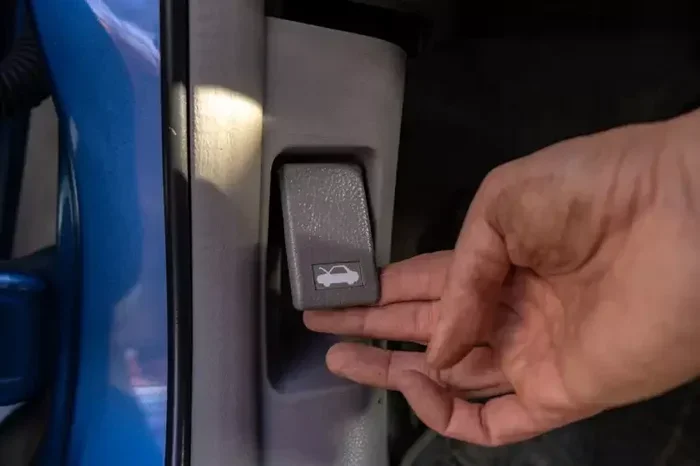
How Do You Open the Hood When the Button Isnt Working
When your hood button fails, you can still get under the hood using the manual release lever, a key, or a pull cable. This guide walks you through every method so you can handle a stuck hood latch with confidence. Knowing these tricks saves time and prevents frustrating delays when you need to check your engine or top off fluids.
There’s nothing more frustrating than standing in front of your car, ready to pop the hood, and discovering that the button isn’t responding. Whether you’re checking your oil, adding washer fluid, or inspecting the engine bay, a hood that won’t open can throw a wrench into your day. The good news is that you have several reliable options to get that hood up even when the button or lever fails completely.
Most drivers never think about their hood latch mechanism until something goes wrong. But understanding how it works and knowing your backup options can save you from a stressful roadside situation. This guide covers every practical method to open the hood when the button isn’t working, so you can handle the problem like a pro.
We’ll walk through simple tricks you can try right away, explain what’s likely causing the issue, and share tips to prevent it from happening again. No mechanic skills are required. Just a little patience and the right knowledge.
Key Takeaways
- Manual Release Lever: Most cars have a secondary hood latch lever inside the vehicle that you can pull to open the hood when the button fails.
- Key Access: Many hood latches can be opened with a standard key or a flathead screwdriver if the electronic release is dead.
- Pull Cable Method: A hood release cable lets you manually trip the latch from under the dashboard or behind the grille.
- Safety First: Always let the engine cool before opening the hood to avoid burns from hot surfaces and fluids.
- Preventive Maintenance: Regularly lubricating the hood latch mechanism helps prevent future sticking and extends the life of your hood release system.
- When to Call a Pro: If none of the DIY methods work, a certified mechanic can diagnose deeper issues with the hood latch assembly.
📑 Table of Contents
- Why Your Hood Button Might Stop Working
- How to Open the Hood Using the Manual Release Lever
- Using a Key or Screwdriver to Open the Hood
- Releasing the Hood with a Cable Pull
- Emergency Methods When Nothing Else Works
- Preventing Hood Button Problems in the Future
- When to Call a Professional Mechanic
- Key Takeaways
- Conclusion
Why Your Hood Button Might Stop Working
Before we jump into the solutions, it helps to understand what went wrong. A hood release button that stops working usually points to one of a few common culprits. Let’s break them down so you know what you’re dealing with.
Blown Fuse or Electrical Issue
Many modern cars use an electric hood release system that relies on power from the vehicle’s fuse box. If a fuse blows or the wiring gets damaged, the button loses its connection to the latch. You might hear a faint click or nothing at all when you press the button.
Broken or Stretched Release Cable
The cable connects the button or lever inside your car to the actual latch under the hood. Over time, this cable can stretch, fray, or snap entirely. When that happens, pressing the button does nothing because the signal never reaches the latch mechanism.
Corroded or Rusted Hood Latch
Exposure to rain, road salt, and moisture causes the hood latch to corrode over time. A rusty latch can seize up and refuse to budge even when the release mechanism works perfectly. This is especially common in older vehicles or cars driven in harsh climates.
Faulty Hood Latch Assembly
Sometimes the entire latch assembly wears out. The internal springs and pins can break or weaken, making the latch stick or fail to engage properly. In these cases, the button might work partially or not at all.
How to Open the Hood Using the Manual Release Lever
The most common backup method for a failed hood button is the manual release lever. Nearly every vehicle has one, and it’s designed specifically for situations like this. Here’s exactly how to find and use it.
Step 1: Sit in the Driver’s Seat
Start by sitting in the driver’s seat. Look down near your feet, below the steering column. You’re searching for a small lever or handle. It’s usually on the left side of the footwell, near the door or the bottom of the dashboard.
Step 2: Locate the Hood Release Lever
The lever often has a small symbol of a hood or an arrow pointing toward the hood. It might be a plastic handle that you can pull toward you. Some vehicles use a metal lever that sticks up from the floor pan area. If you’re not sure where yours is, check your owner’s manual for the exact location.
Step 3: Pull the Lever
Firmly pull the lever toward you. You should hear a click or feel the hood pop slightly. The hood will lift a small amount but won’t open fully yet. This is because most cars have a safety latch that keeps the hood secure while driving.
Step 4: Lift the Hood and Release the Safety Latch
Walk to the front of the car and slide your fingers under the slightly raised hood edge. Lift it gently while feeling for the safety latch mechanism. This is usually a small lever or hook on the inside of the hood frame. Push or pull it to release the latch, and the hood will open fully.
Pro Tip: If the hood is stuck even after pulling the manual lever, don’t force it. Something else might be jammed, and forcing it can damage the hood hinge or the latch assembly.
Using a Key or Screwdriver to Open the Hood
Many vehicles have a keyhole on the hood latch as a built-in backup. This is a reliable method when both the button and the interior lever fail. Let’s walk through how this works.
Finding the Keyhole
Look at the front of your car, right in the center of the grille or just below it. Some models place the keyhole behind a small plastic cover that you can pop off with your fingernail or a flathead screwdriver. Once you remove the cover, you’ll see a keyhole or a slot designed for a flat tool.
Using the Right Key
Insert your car key into the keyhole and turn it gently to the left or right. The hood latch should release with a click. If you don’t have your key, a flathead screwdriver can often work in place of it. Just insert the flat edge into the slot and push or twist it carefully.
What If There’s No Keyhole?
Not every car has a keyhole on the hood latch. Some manufacturers rely entirely on electronic releases or cable pulls. If your vehicle doesn’t have one, don’t worry. Move on to the next methods we’ll cover below.
Releasing the Hood with a Cable Pull
If your car has a hood release cable, you can trip the latch manually without needing the button or interior lever. This method works well when the cable itself is the problem but the latch is still functional.
Locating the Hood Release Cable
The hood release cable typically runs from the interior lever or button down through the engine bay to the latch. In some vehicles, you can access the cable end near the front bumper or behind the grille. You may need to remove a plastic cover or splash guard to reach it.
Pulling the Cable
Once you find the cable end, grab it firmly with a pair of pliers or your hand. Pull it toward you in the same direction that the interior lever pulls. The latch should release, allowing the hood to pop open.
Quick Tip: If the cable is stiff or hard to find, try spraying a small amount of lubricant around the cable housing. This can free up a stuck cable and make the pull much easier.
Emergency Methods When Nothing Else Works
Sometimes you’re in a situation where the standard methods don’t cut it. Maybe you’re on the side of the road, or the entire latch assembly is completely seized. Here are a few emergency tricks that can help you open a stuck hood safely.
The Warm Water Trick
If cold weather has caused ice to form around the hood latch, pouring warm (not boiling) water over the latch area can melt the ice and free the mechanism. This is a simple and effective solution for winter-related hood issues.
The Rubber Mallet Method
Gently tapping on the hood latch area with a rubber mallet can sometimes jar the mechanism loose. The vibration can break up rust or debris that’s keeping the latch stuck. Never use a metal hammer directly on the latch, as this can cause damage.
Removing the Front Grille
In some vehicles, you can access the hood latch by removing the front grille or bumper cover. This is more involved but can be a lifesaver if the latch is deeply stuck and none of the other methods work. Use basic hand tools and take your time to avoid breaking any clips.
Preventing Hood Button Problems in the Future
The best way to deal with a hood that won’t open is to prevent the problem from happening in the first place. A little regular maintenance goes a long way toward keeping your hood release system working smoothly.
Lubricate the Hood Latch Regularly
Every few months, spray a small amount of white lithium grease or silicone lubricant onto the hood latch and the release cable. This prevents rust buildup and keeps the mechanism moving freely. It’s one of the easiest car maintenance tips you can follow.
Check the Fuses Periodically
Make it a habit to check your fuse box during routine oil changes or service visits. A blown fuse in the hood release circuit is easy to spot and cheap to replace. Catching it early means you won’t get caught with a stuck hood.
Keep the Hood Seal Clean
The rubber seal around the hood edge can collect dirt, leaves, and debris over time. This buildup can interfere with the latch mechanism. Wipe down the seal and the latch area regularly to keep everything clean and functioning properly.
Address Small Problems Early
If you notice the hood button feeling stiff or the hood taking longer to pop, don’t ignore it. Those early warning signs often point to a cable that’s stretching or a latch that’s starting to corrode. Fixing the small issue now can save you from a complete hood latch failure later.
When to Call a Professional Mechanic
There’s no shame in calling a professional when DIY methods don’t do the trick. If you’ve tried the manual lever, the keyhole, and the cable pull without success, the problem might be deeper than a simple latch issue. A certified mechanic can inspect the entire hood release system and recommend the right repair.
Common signs that you need professional help include a hood that won’t open at all, a broken cable you can’t access, or a latch assembly that’s visibly damaged. A mechanic can also help if the hood latch replacement requires specialized tools or knowledge of your specific vehicle model.
Most hood latch repairs are affordable and straightforward for a trained technician. The cost typically ranges from $50 to $150 for a cable replacement and $100 to $300 for a full latch assembly swap, depending on your vehicle make and model. Getting a quick diagnosis can save you hours of frustration.
Key Takeaways
- Manual Release Lever: Every vehicle has a backup hood release lever inside the cabin, usually near the driver’s footwell. Pull it to pop the hood when the button fails.
- Key or Screwdriver Method: Many hood latches have a keyhole or slot that accepts a key or flathead screwdriver for manual opening.
- Cable Pull Technique: Accessing and pulling the hood release cable directly can trip the latch when the button and lever both fail.
- Preventive Maintenance: Regular lubrication and fuse checks keep the hood release system in good shape and prevent future problems.
- Know When to Seek Help: If all DIY methods fail, a professional mechanic can diagnose and repair the issue quickly and affordably.
Conclusion
Dealing with a hood that won’t open is never fun, but it’s almost always a solvable problem. Whether you use the manual release lever, a key, or a cable pull, you have real options that don’t require advanced mechanical skills. The key is staying calm and working through the methods one by one until you find what works for your vehicle.
Remember that preventing hood latch problems is just as important as knowing how to fix them. A little regular maintenance can keep your hood release system working reliably for years. And when you do run into trouble, now you know exactly what to try before calling for help.
Next time you pop the hood to check your engine or add fluids, take a moment to look at the latch mechanism. A quick inspection and a spray of lubricant can make all the difference. Your future self will thank you when the button stops working and you already know exactly how to handle it.
Can I drive with a broken hood button?
Yes, you can still drive your car safely even if the hood button is broken. The hood latch itself keeps the hood securely closed while you drive. Just make sure the hood is fully latched before hitting the road, and get the release mechanism repaired at your earliest convenience.
How much does it cost to replace a hood latch?
The cost to replace a hood latch typically ranges from $100 to $300, depending on your vehicle’s make and model. Labor costs usually make up the bulk of the expense, while the latch part itself is relatively affordable. Some auto parts stores sell replacement latches for under $50 if you want to do the repair yourself.
What causes a hood release cable to break?
Hood release cables break due to normal wear and tear over time. Exposure to moisture and road salt accelerates corrosion inside the cable housing. Frequent use and stretching also weaken the cable strands until they eventually snap. Regular lubrication can significantly extend the life of the cable.
Is it safe to use warm water on a frozen hood latch?
Yes, warm water is safe and effective for melting ice around a frozen hood latch. Use water that’s warm but not boiling, as extremely hot water can damage plastic components or cause thermal shock on cold metal. Pour it gently around the latch area and wait a minute or two before trying to open the hood.
Can I open the hood from the outside of the car?
Yes, many vehicles allow you to open the hood from the outside using a key or a flathead screwdriver inserted into the latch slot. Check the front grille area for a keyhole or small opening. If your car doesn’t have an external access point, you’ll need to rely on the interior manual release lever or cable pull method.
How often should I lubricate my hood latch?
You should lubricate your hood latch every three to six months to keep it working smoothly. If you live in a coastal area or a region with harsh winters, you may need to lubricate more frequently due to salt and moisture exposure. A quick spray of silicone lubricant takes just a few minutes and can prevent many common hood latch problems.
Frequently Asked Questions
What is How Do You Open the Hood When the Button Isn’t Working??
How Do You Open the Hood When the Button Isn’t Working? is an important topic with many practical applications.