Key Fob Unlocks Car but Wont Start Common Reasons Why
Your key fob unlocks the car but won’t start? This common problem has several easy-to-fix causes, from a dead key fob battery to a faulty immobilizer system. Learn the top reasons and quick fixes to get your car running again.
There are few moments more frustrating than standing next to your car, hearing the doors unlock, and then realizing the engine won’t turn over. You press the start button or turn the key. Nothing happens. The dashboard stays dark or lights up with a warning you don’t understand.
This exact situation happens to thousands of drivers every single day. The good news is that most of the time, the cause is simple and fixable. Whether you drive a newer model with a smart key or an older vehicle with a traditional remote key fob, the reasons behind this problem tend to overlap. Understanding what’s going on under the hood can save you time, money, and a lot of stress.
In this guide, we walk through every common reason why your key fob unlocks the car but won’t start. We also share practical fixes you can try right now. By the end, you’ll know exactly what to check, when to call for help, and how to prevent this problem from happening again.
Key Takeaways
- Dead key fob battery is the most common cause and easy to fix
- Immobilizer and transponder issues can prevent the car from recognizing the key
- Steering wheel lock engagement can block the ignition even when the fob works
- Signal interference may stop your remote key fob from communicating with the car
- Ignition switch failure requires professional diagnosis and repair
- Regular maintenance of your key fob prevents most start-up problems
📑 Table of Contents
Why Does Your Key Fob Unlock the Car but Won’t Start
How the System Works
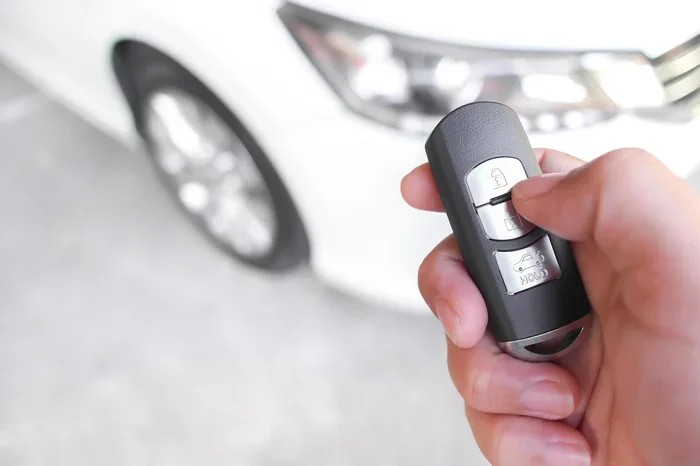
To understand the problem, it helps to know how your car’s security system works. When you press the unlock button on your remote key fob, it sends a low-energy radio signal to the car. The receiver picks up that signal and unlocks the doors. This is a simple process that uses very little power.
Starting the car is a completely different process. When you press the start button or turn the ignition, the car checks whether the key fob is nearby and whether it’s sending the correct identification code. This is called the immobilizer system. If the car doesn’t recognize the fob, it will not allow the engine to start. That’s why you can unlock the doors but still not get the car running.
The transponder key inside your fob contains a tiny chip. This chip sends a unique code every time you try to start the engine. If that code doesn’t match what the car expects, the anti-theft system kicks in and blocks the start process. This is a security feature designed to keep your car safe from theft.
What Happens When Things Go Wrong
Several things can interrupt this process. The battery inside the fob might be dead. The transponder chip might be damaged. The car’s receiver might not be picking up the signal. Or there could be a problem with the ignition system itself. Each of these issues has its own set of symptoms and solutions, which we’ll cover in detail below.
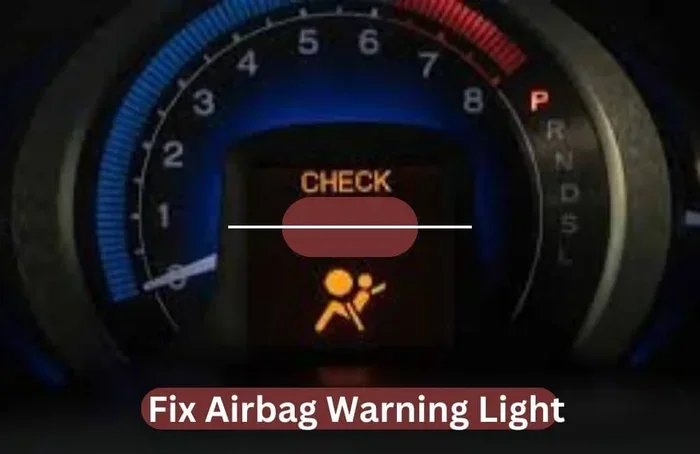
The first thing to do when your car won’t start but the doors unlock is to stay calm. Check the dashboard for any warning lights. Look for a key fob icon or a flashing light that indicates a key fob signal problem. These clues will help you narrow down the cause quickly.
Dead or Weak Key Fob Battery
Signs Your Key Fob Battery Is Dying
A dead key fob battery is the number one reason this problem happens. Over time, the small coin-cell battery inside your fob loses its charge. When the battery gets weak, the fob can still send enough power to unlock the doors. But it might not have enough strength to send the longer, more complex code needed to start the engine.
Here are the most common signs of a dying key fob battery:
- The remote range gets shorter. You have to be closer to the car for it to work.
- The doors unlock slowly or only work when you press the button multiple times.
- The dashboard shows a low battery warning for the key fob.
- The push button start doesn’t respond, but the car works when you hold the fob right against the start button.
- The key fob works intermittently, especially in cold weather.
How to Replace the Battery
Replacing the battery is one of the easiest fixes you can do yourself. Most key fobs use a CR2025 or CR2032 coin battery. You can pick one up at any grocery store, pharmacy, or auto parts shop for just a few dollars.
Here’s how to do it:
- Find the small seam on the back of your fob.
- Use a flat screwdriver or a coin to pry it open gently.
- Remove the old battery and note which side faces up.
- Insert the new battery with the correct orientation.
- Snap the fob back together and test it.
After replacing the battery, try starting your car again. In most cases, this simple fix solves the problem completely. If the car still won’t start after a fresh battery, move on to the next possible cause.
Quick Tip
Keep a spare battery in your glove box. It takes about two minutes to swap one out, and you’ll never get stranded by a dead fob battery again. This is one of the best key fob maintenance habits you can build.
Immobilizer and Transponder Key Issues
Understanding the Immobilizer System
Your car’s immobilizer system is an anti-theft feature built into the engine management system. It works by verifying that the key fob or transponder key you’re using is a genuine, programmed key. If the system doesn’t recognize the key, it disables the fuel injection or ignition system, which prevents the engine from starting.
This system is designed to protect your car from theft. However, it can also cause problems when the key fob isn’t working properly. The immobilizer warning light on your dashboard usually looks like a key icon or says “SECURITY.” If you see this light flashing when you try to start the car, the immobilizer is likely the culprit.
Common Transponder Key Problems
Several issues can cause the transponder system to fail:
- Damaged transponder chip: If the key fob has been dropped or crushed, the internal chip might be broken. The fob can still unlock the doors because that function uses a simpler signal, but the start function requires the chip to transmit the correct code.
- Key fob programming loss: Sometimes the fob loses its programming after a battery change or a power surge. The car no longer recognizes the fob as a valid key.
- Water damage: If your fob has been exposed to moisture, the internal circuitry can short out. This affects the transponder chip even if the battery is still good.
- Car battery low: A weak car battery can sometimes cause the immobilizer system to malfunction. The car’s computer needs stable power to read the fob’s code correctly.
If you suspect an immobilizer problem, try holding the fob directly against the start button or the ignition cylinder. Some cars have a backup reading position that bypasses the antenna and reads the fob directly. This trick works in many models and can get you started in an emergency.
Comparison Table: Key Fob Battery vs. Immobilizer Issues
| Symptom | Key Fob Battery Issue | Immobilizer Issue |
|---|---|---|
| Doors unlock normally | Yes | Yes |
| Dashboard shows key fob warning | Sometimes | Usually |
| Fob works when held against start button | Yes | Sometimes |
| Problem happens after battery change | No | Yes |
| Water exposure history | Rarely | Common |
| Fix requires professional help | No | Sometimes |
Steering Wheel Lock and Ignition Troubles
Steering Wheel Lock Engagement
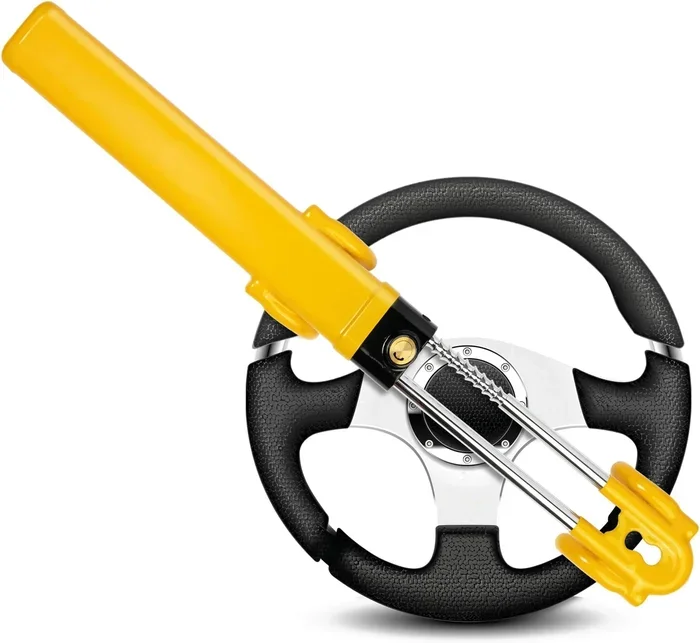
This is one of the most overlooked causes of a car that won’t start. When you turn off the engine and remove the key, the steering wheel lock mechanism engages. This is a security feature that locks the steering column in place. Sometimes, the steering wheel gets stuck against the lock, which also locks the ignition in the off position.
When the steering wheel is locked, you might notice that the key won’t turn in the ignition or the push button start doesn’t respond. The key fob unlocks car function still works fine because that’s a separate system. But the ignition is physically blocked by the steering lock.
Here’s how to fix it:
- Gently wiggle the steering wheel left and right while trying to turn the key or press the start button.
- You should feel the lock release. The steering wheel will move slightly.
- Once the lock releases, try starting the car again.
This fix works almost every time. It’s simple, free, and takes just a few seconds.
Ignition Switch Failure
The ignition switch is the mechanical part that reads your key or fob and tells the car’s computer to allow the engine to start. Over time, the internal contacts of the ignition switch can wear out or corrode. When this happens, the switch might not send the correct signal to start the engine.
Signs of a failing ignition switch include:
- The dashboard lights come on, but the engine cranks weakly or not at all.
- You have to jiggle the key or fob in the ignition to get it to work.
- The problem gets worse over time and happens more frequently.
- The car starts sometimes but not consistently.
Ignition switch failure usually requires a professional mechanic to diagnose and replace. It’s not a DIY repair for most drivers. However, getting it diagnosed early can prevent you from being stranded unexpectedly.
Faulty Key Fob Signal and Remote Issues
Signal Interference and Range Problems
Your key fob signal can be disrupted by interference from other electronic devices. If you keep your fob in the same pocket as your phone, a laptop, or a bag full of electronics, the radio frequency from those devices can interfere with the fob’s signal. This is especially common with smart key systems that rely on a continuous low-level signal between the fob and the car.
Try moving the fob to a different location. Put it in your front pants pocket instead of a bag. Hold it close to the start button. These small changes can sometimes eliminate interference and get your car started.
Reprogramming Your Key Fob
Sometimes the key fob programming gets corrupted. This can happen after a battery change, a power surge, or even a minor electrical issue in the car. When the programming is lost, the car no longer recognizes the fob as a valid key for starting the engine.
Reprogramming a key fob varies by car brand and model. Some cars allow you to reprogram the fob yourself using a specific sequence of button presses. Others require a dealer or locksmith with specialized equipment. Check your owner’s manual for the reprogramming steps specific to your vehicle.
Here are some general steps that work for many car brands:
- Sit in the driver’s seat and close all doors.
- Turn the ignition to the “On” position without starting the engine.
- Press and hold the lock button on the fob for several seconds.
- Turn the ignition off and then back on within a specific time frame.
- Release the lock button and test the fob.
If these steps don’t work for your car, consult a professional. Key fob programming can be tricky, and getting it wrong can sometimes cause additional issues.
Common Mistakes to Avoid
Many drivers make simple mistakes that cause or worsen key fob problems. Avoid these common errors:
- Using the wrong battery type: Always check your owner’s manual for the correct battery specification.
- Forcing the fob open: Prying too hard can break the internal clips and damage the circuit board.
- Ignoring warning signs: If the fob range gets shorter over time, replace the battery before it dies completely.
- Getting the fob wet: Keep your fob away from water and moisture. If it gets wet, dry it out immediately and replace the battery.
- Trying to start the car with a damaged fob: A cracked or broken fob won’t work properly, even with a fresh battery.
When to Call a Professional
Signs You Need Expert Help
Not every key fob problem can be fixed at home. Here are signs that it’s time to call a professional locksmith or mechanic:
- The car still won’t start after you’ve replaced the fob battery.
- The dashboard shows a persistent security or immobilizer warning.
- The key fob is physically damaged, cracked, or water-damaged.
- You’ve tried reprogramming the fob and it still doesn’t work.
- The ignition switch feels loose or gritty when you turn the key.
- The car starts sometimes but not consistently, and you can’t predict when it will work.
These symptoms often point to deeper electrical or mechanical issues that require specialized tools and expertise to diagnose. A professional can scan the car’s computer system for error codes and pinpoint the exact problem quickly.
Key Fob Replacement vs. Repair
When your fob is beyond repair, you’ll need to decide between a key fob replacement and trying to fix the existing one. Here’s what to consider:
- Cost: A new key fob can cost anywhere from $50 to $400 or more, depending on the car brand and model. Programming the new fob may add another $50 to $200.
- Age of the fob: If the fob is more than five years old, replacement is often the better choice. Older fobs are more likely to have multiple failing components.
- Dealer vs. locksmith: A car dealer can provide an OEM fob that’s guaranteed to work. An automotive locksmith can often provide a compatible fob at a lower cost and can usually program it on the spot.
- Spare fob availability: If you have a spare fob that still works, you can use it to get to a dealer or locksmith. If you don’t have a spare, you’ll need roadside assistance or a mobile locksmith.
For most drivers, a locksmith is the most cost-effective option for key fob replacement. They can usually come to your location, program a new fob, and have you back on the road within an hour.
Preventing Key Fob Start-Up Problems
The best way to deal with a key fob that unlocks the car but won’t start is to prevent the problem from happening in the first place. Here are some simple habits that can help:
- Replace the fob battery every two years before it has a chance to die unexpectedly.
- Keep your fob away from strong electromagnetic fields like those produced by large speakers or power tools.
- Store the fob in a dedicated spot at home so you always know where it is.
- Don’t drop the fob. Even a short fall can damage the internal chip or battery contacts.
- Keep the fob dry. Moisture is one of the biggest enemies of electronic key fobs.
- Test the fob regularly. If you notice the range getting shorter or the car being slow to respond, replace the battery right away.
Taking care of your remote key fob is one of the easiest forms of car care there is. A little attention goes a long way toward avoiding the frustration of a car that won’t start.
Key Takeaways
- Dead key fob battery is the most common cause and easy to fix
- Immobilizer and transponder issues can prevent the car from recognizing the key
- Steering wheel lock engagement can block the ignition even when the fob works
- Signal interference may stop your remote key fob from communicating with the car
- Ignition switch failure requires professional diagnosis and repair
- Regular maintenance of your key fob prevents most start-up problems
Conclusion
A key fob that unlocks the car but won’t start is a frustrating experience, but it’s almost always a solvable problem. The most common causes are a dead key fob battery, an immobilizer system issue, a steering wheel lock, or a faulty transponder chip. Most of these problems have simple, affordable fixes that you can do yourself at home.
Start with the easiest fix first. Replace the fob battery. Check the steering wheel lock. Try holding the fob close to the start button. If none of these work, move on to checking for signal interference or reprogramming the fob. If the problem persists, don’t hesitate to call a professional locksmith or mechanic.
The key to avoiding this problem in the future is regular key fob maintenance. Keep the battery fresh, protect the fob from damage and moisture, and pay attention to warning signs before they become big problems. With a little care and attention, your key fob will keep your car running smoothly for years to come.
Frequently Asked Questions
Why does my key fob unlock the doors but not start the car?
The most common reason is a weak or dead battery inside the key fob. The unlock function uses a simple signal that requires very little power, but starting the car needs a stronger, more complex signal. Replacing the fob battery usually fixes this issue right away.
Can a dead car battery cause the key fob to work but not start the engine?
Yes. If the car battery is low or dead, the immobilizer system and engine computer may not have enough power to read the key fob’s code. This can prevent the car from starting even though the fob itself is working fine. Jump-starting the car or charging the battery often solves this problem.
How do I know if my key fob battery needs replacing?
Signs include reduced remote range, the need to press the button multiple times, a key fob warning light on the dashboard, and the car not starting unless you hold the fob very close to the start button. Most fob batteries last about two years, so replacing them on a schedule prevents surprises.
Can I drive my car if the key fob won’t start the engine?
It depends on the problem. If it’s a simple battery issue, replacing the fob battery should fix it immediately. If the transponder chip is damaged or the immobilizer is malfunctioning, you may need a locksmith or dealer to reprogram or replace the fob before you can drive again.
How much does it cost to replace a key fob?
A new key fob typically costs between $50 and $400, depending on the car brand and model. Programming the new fob may add $50 to $200. An automotive locksmith is usually the most affordable option for both the fob and the programming service.
What should I do if my key fob gets wet?
Remove the battery immediately and dry the fob thoroughly with a soft cloth. Let it air dry for at least 24 hours before reinserting the battery. If the fob still doesn’t work after drying, the internal circuitry may be damaged, and you’ll likely need a replacement fob.