Why Is My Airbag Light On For No Reason
Seeing your airbag light on can be scary, but it often has a simple fix. This guide explains why your airbag light might be on for no obvious reason and how to reset it safely. You’ll learn the top causes, diagnostic steps, and when to call a pro.
You’re driving along, and suddenly that little airbag warning light pops up on your dashboard. It’s unsettling, especially when you know you haven’t had any accidents. The light stays on, and you wonder if something is seriously wrong with your car’s safety system.
Here’s the good news. In many cases, an airbag light that comes on for no obvious reason has a simple explanation. It might be a loose seat belt sensor, a weak battery, or a small wiring glitch. This guide will walk you through the most common causes, how to diagnose the real problem, and the best ways to fix it. You’ll learn when a quick reset will do the trick and when you need to see a professional. Let’s get your airbag light off and your mind at ease.
Key Takeaways
- Loose seat belt sensor: A dirty or stuck buckle is the most common reason the airbag light stays on.
- Clockspring failure: The spiral cable under the steering wheel can wear out and trigger the airbag warning light.
- Corroded wiring: Damaged connectors under the seats often cause an airbag light on with no visible accident.
- Low battery voltage: A weak car battery can confuse the SRS module and turn on the airbag light.
- Reset with a scanner: An OBD2 tool can clear the airbag light once the root cause is fixed.
- Don’t ignore it: A lit airbag light means your safety system may not deploy in a crash.
- Professional help: If DIY steps fail, a mechanic with airbag diagnostic gear can solve the problem safely.
📑 Table of Contents
- What the Airbag Light Actually Means
- Common Reasons Your Airbag Light Comes On for No Reason
- How to Diagnose the Real Cause Behind Your Airbag Light
- Step-by-Step Fixes for a Stubborn Airbag Light
- Preventing the Airbag Light from Coming Back
- When to Seek Professional Help for Your Airbag Light
- Conclusion
What the Airbag Light Actually Means
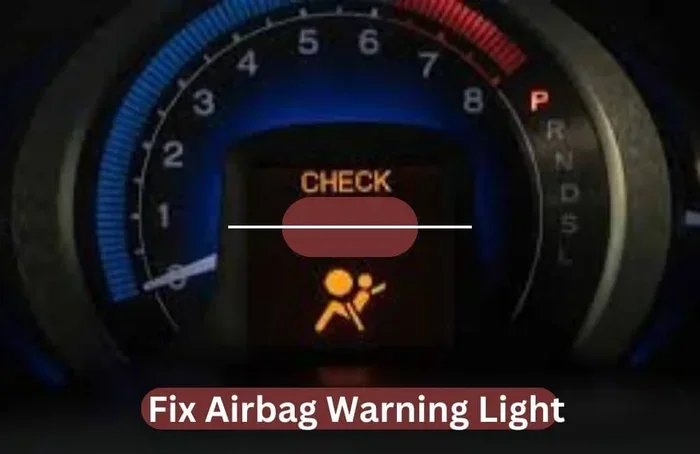
The airbag warning light is part of your car’s Supplemental Restraint System (SRS). This system includes the airbags, seat belt pretensioners, sensors, and the control module. When the SRS detects a fault, it turns on the airbag light to alert you. The light looks like a passenger sitting with a circle in front of them. It may stay solid or flash.
A steady airbag light usually means a non-critical fault. A flashing airbag light often signals a more serious issue that needs immediate attention. Either way, the system has disabled the airbags until the problem is fixed. This is why it’s important to take the light seriously, even if your car feels fine to drive.
How the Airbag System Works
The SRS control module constantly monitors all the sensors and wiring. It runs a self-check every time you turn the key. If a sensor sends an unusual signal, the module stores a trouble code and turns on the airbag light. The system then prevents the airbags from deploying, just in case there’s a real problem that could cause accidental deployment.
Common components monitored include:
- Crash sensors – detect sudden deceleration
- Seat belt sensors – detect if belts are buckled
- Clockspring – maintains connection to the steering wheel airbag
- Seat occupancy sensor – detects if a passenger is present
- Airbag module – the control unit that manages deployment
When any of these parts fail or send bad data, the airbag light comes on. The system is doing its job by warning you, even if the cause seems minor.
Why the Light Stays On After a Simple Fix
Sometimes you fix the problem, but the airbag light stays on. That’s because the SRS module stores the fault code in its memory. The light won’t turn off until you clear the code with a diagnostic tool. You can’t just reset it by turning the car off and on again. This is a common point of confusion for car owners.
Quick Tip: Always clear the trouble code after you repair the issue. A simple OBD2 scanner can do this in seconds. If you don’t clear the code, the airbag light will stay on even though the problem is fixed.
Common Reasons Your Airbag Light Comes On for No Reason
When your airbag light is on and you haven’t been in a crash, the cause is often something simple. Here are the top reasons the airbag warning light might come on with no obvious trigger.
A Loose or Faulty Seat Belt Sensor
The seat belt sensor is one of the most common culprits. If the buckle is dirty, wet, or has a small piece of debris inside, the sensor may not register the belt as fastened. The SRS module then thinks you’re unbuckled and turns on the airbag light. This can happen even if you are buckled up.
Try this: Take the seat belt buckle apart and clean it with a small brush and electrical contact cleaner. Blow out any lint or crumbs. Reconnect it and see if the airbag light goes off. This simple fix solves the problem more often than you’d think.
The Clockspring Went Bad
The clockspring is a spiral ribbon cable under the steering wheel. It keeps the electrical connection active between the steering wheel airbag and the SRS module, even when you turn the wheel. Over time, the clockspring can wear out or break. When it does, the airbag light comes on.
You might also notice other symptoms like a non-working horn or cruise control buttons. A damaged clockspring is a common reason for an airbag light on in older cars. Replacing it requires removing the steering wheel, so it’s best left to a professional if you’re not comfortable with that job.
Corroded or Damaged Wiring
Your car has wiring harnesses that run under the seats and through the floor. These wires can corrode from moisture, especially in areas with road salt or heavy rain. A corroded connector can send an intermittent signal to the SRS module, triggering the airbag light.
Common Mistake: Many people ignore the airbag light because they can’t see any obvious damage. But corrosion hides inside connectors. Unplug the seat belt connectors and the wiring under the seats. Look for green or white crusty buildup. Clean the pins with a small wire brush or electrical contact cleaner. Dry them thoroughly before reconnecting.
A Failing Crash Sensor
Crash sensors are located in the front of the car, often behind the bumper or near the radiator. They detect sudden deceleration during a collision. If a sensor becomes faulty or its wiring is damaged, it can send a false signal to the SRS module. The result is an airbag light that stays on for no apparent reason.
Crash sensors don’t fail often, but they do happen. A mechanic can test the sensor with a multimeter and replace it if needed. This is one reason why an airbag diagnostic scan is so valuable.
Low Battery Voltage
The SRS module needs a stable 12-volt power supply. If your car battery is weak or the alternator isn’t charging properly, the voltage can drop. The SRS module interprets this as a fault and turns on the airbag light. This often happens after a long drive when the battery is low, or if you’ve been using lots of electronics with the engine off.
Quick Tip: Check your battery voltage with a multimeter. It should read 12.6 volts or higher with the engine off. If it’s below 12.4 volts, charge or replace the battery. After fixing the voltage issue, clear the code and see if the airbag light stays off.
Common Causes vs. Symptoms
Here’s a quick comparison of the most common reasons for an airbag light on and what you might notice.
| Cause | Typical Symptom | DIY Fix Possible? |
|---|---|---|
| Dirty seat belt buckle | Airbag light on, seat belt warning chime | Yes – clean the buckle |
| Bad clockspring | Airbag light on, horn or cruise not working | No – needs steering wheel removal |
| Corroded wiring | Airbag light on, intermittent warning | Yes – clean connectors |
| Failing crash sensor | Airbag light on after minor vibration | No – needs sensor testing |
| Low battery voltage | Airbag light on when battery is low | Yes – charge or replace battery |
| Faulty seat belt pretensioner | Airbag light on, seat belt won’t retract | No – needs module replacement |
How to Diagnose the Real Cause Behind Your Airbag Light
Before you start replacing parts, you need to find the real cause. The SRS module stores trouble codes that point to the exact problem. Without a scan, you’re just guessing. Here’s how to diagnose the issue step by step.
Grab an OBD2 Scanner
An OBD2 scanner is the best tool for diagnosing an airbag light. You can buy a basic one for under $30, or use a free app with a Bluetooth adapter. Plug the scanner into the OBD2 port, which is usually under the dashboard on the driver’s side. Turn the key to the “on” position (don’t start the engine) and read the codes.
Common SRS codes include:
- B0010 – Driver airbag circuit malfunction
- B0011 – Passenger airbag circuit malfunction
- B0012 – Driver airbag circuit low resistance
- B0013 – Passenger airbag circuit high resistance
- B0020 – Clockspring circuit malfunction
- B0030 – Seat belt pretensioner circuit
Write down the codes. They will tell you which part of the SRS system has a problem. A code like B0012 points to a resistance issue in the driver’s airbag circuit, which often means a bad connector or clockspring.
Check the Seat Belt Buckle
Start with the easiest check. Unbuckle the seat belt and inspect the buckle for dirt, crumbs, or moisture. Use a flashlight to look inside. If it looks dirty, clean it with a small brush and electrical contact cleaner. Then buckle and unbuckle it several times to make sure the sensor clicks properly.
Expert Insight: Many mechanics say that a dirty seat belt buckle is the number one cause of an airbag light on with no other symptoms. I’ve seen it fix the problem instantly in dozens of cars.
Inspect the Wiring Harness
Next, check the wiring under the driver and passenger seats. You may need to remove the seats to access the connectors. Unplug the main SRS connectors and look for bent pins, corrosion, or frayed wires. Use a multimeter to check for continuity if you have one. A broken wire or a loose connector will cause the airbag light to stay on.
Common Mistake: Don’t just wiggle the connectors and call it done. Make sure they click into place fully. A connector that isn’t seated properly can cause intermittent airbag light issues that come and go.
Reset the Airbag Light with a Scanner
Once you’ve fixed the root cause, use the OBD2 scanner to clear the trouble codes. Turn the key off, plug in the scanner, select “Clear Codes,” and follow the prompts. Turn the key to the “on” position and wait a few seconds. The airbag light should turn off. If it comes back on, the problem isn’t fully fixed, or the code hasn’t cleared from the module’s memory.
Quick Tip: After clearing the codes, start the engine and drive for a few minutes. The SRS module runs a relearn cycle. If the airbag light stays off, you’ve successfully fixed the issue. If it returns, you need to dig deeper.
Step-by-Step Fixes for a Stubborn Airbag Light
Sometimes the airbag light stays on even after you’ve cleaned connectors or cleared codes. Here are the most effective fixes for a stubborn airbag warning light.
Reset the Airbag Light with a Scanner
If the root cause was a simple glitch, a scanner reset might do the trick. Follow these steps:
- Turn the ignition off.
- Plug the OBD2 scanner into the port.
- Turn the ignition to the “on” position.
- Select “Read Codes” and write down any SRS codes.
- Fix the underlying issue if you haven’t already.
- Select “Clear Codes” and confirm.
- Turn the ignition off, wait 30 seconds, then turn it back on.
- Check if the airbag light stays off.
If the light returns, the problem is likely not fully resolved. Go back and recheck the wiring, connectors, and sensors.
Replace the Clockspring
A broken clockspring is a common reason for an airbag light on in cars with higher mileage. The clockspring is a relatively inexpensive part, but replacing it requires care. You must disable the SRS system before starting, or you risk accidental airbag deployment.
Steps for clockspring replacement:
- Disconnect the negative battery terminal.
- Wait at least 10 minutes for the SRS capacitors to discharge.
- Remove the steering wheel (you’ll need a steering wheel puller).
- Unplug the old clockspring connector.
- Install the new clockspring and reconnect.
- Reinstall the steering wheel.
- Reconnect the battery and clear the codes.
If you’re not comfortable with this, take it to a shop. The cost for a clockspring replacement is usually between $150 and $300, including labor.
Repair Corroded Connectors
Corrosion under the seats is a hidden cause of an airbag light. Here’s how to fix it:
- Remove the seat to access the wiring harness.
- Locate the SRS connectors (they’re usually yellow).
- Unplug the connectors and inspect the pins.
- Use a small wire brush to clean any green or white corrosion.
- Spray the pins with electrical contact cleaner.
- Let them dry completely before reconnecting.
- Reconnect the battery and check the airbag light.
Quick Tip: Apply a thin coat of dielectric grease to the connectors after cleaning. This prevents future corrosion and keeps the connection secure.
When to Replace the Airbag Module
In rare cases, the SRS control module itself fails. When this happens, the airbag light stays on no matter what you fix. A professional can test the module with a dedicated airbag diagnostic tool. If the module is faulty, it can often be repaired or reprogrammed. Replacing a new OEM module can be expensive, sometimes over $500, but remanufactured units are available for less.
Expert Insight: Many people think they need a whole new module when just a software update or a reset is needed. Always have a specialist check the module before buying a new one.
Preventing the Airbag Light from Coming Back
Once you’ve fixed the airbag light, you’ll want to keep it off. Regular maintenance and a few simple habits can prevent the SRS system from throwing false codes again.
Keep Your Battery Healthy
The SRS module relies on a stable electrical system. A weak battery can cause the airbag light to come on randomly. Have your battery tested at every oil change. Replace it every 3 to 5 years, or sooner if you notice slow cranking or dim lights. A battery maintainer is a great investment if you drive short trips or let the car sit for long periods.
Regularly Inspect Seat Belt Components
Take a few minutes every month to check the seat belt buckles and retractors. Pull the belt out fully and let it retract slowly. If it sticks or makes a grinding noise, clean the mechanism with a silicone-based lubricant. Check the buckle for debris. A clean seat belt system keeps the SRS sensors happy and the airbag light off.
Address Warning Lights Immediately
Don’t ignore any warning light, even if it seems minor. A small wiring issue today can become a full-blown airbag light problem tomorrow. If you notice a new warning, scan the codes right away. Early detection prevents costly repairs and keeps your safety systems working properly.
Key Takeaways: Prevention Tips
- Check battery voltage regularly and replace weak batteries.
- Clean seat belt buckles every few months to prevent sensor faults.
- Inspect SRS connectors under the seats for corrosion or loose plugs.
- Clear codes promptly after any repair to avoid lingering airbag light issues.
- Use dielectric grease on connectors to protect against moisture.
- Don’t modify the SRS wiring or add aftermarket accessories that tap into the airbag circuit.
When to Seek Professional Help for Your Airbag Light
While many airbag light issues can be fixed at home, some problems require a trained technician. Knowing when to call a pro can save you time, money, and most importantly, keep you safe.
Signs You Need a Mechanic
You should seek professional help if:
- The airbag light stays on after you’ve cleared the codes and checked all connectors.
- You get a code pointing to the airbag module itself.
- You notice the airbag has deployed or partially deployed.
- You hear a clicking or buzzing sound from the dashboard when you turn the key.
- The seat belt pretensioner has fired or won’t retract.
- You’re not comfortable working with the SRS system.
Airbag systems contain explosive pyrotechnic charges. Improper handling can cause accidental deployment, which can lead to serious injury. If you’re unsure, always let a professional handle it.
What a Pro Will Do
A qualified mechanic or dealership technician will use a professional-grade diagnostic scanner that can read SRS-specific codes. They’ll test the wiring, sensors, and modules with specialized equipment. If a part needs replacement, they’ll use OEM or high-quality aftermarket components and program the new part correctly. A professional airbag reset service often includes a full system check to ensure everything is working before you drive away.
Common Mistake: Don’t let a shop replace parts without a full diagnosis. A good mechanic will scan the system first, find the root cause, and then recommend the right fix. This prevents unnecessary part replacements and recurring airbag light issues.
Cost Considerations
The cost to fix an airbag light varies widely. A simple sensor cleaning might cost nothing. A clockspring replacement could run $150 to $300. A new airbag control module can cost $500 to $1,000 or more. Labor rates vary by location, but expect to pay $100 to $200 per hour for most repairs. Getting a clear diagnosis first helps you budget accurately.
Conclusion
An airbag light on for no reason doesn’t have to be a mystery. In most cases, the cause is a dirty seat belt buckle, a corroded connector, or a low battery. With a simple OBD2 scanner and a little patience, you can often fix the problem yourself. If the issue is deeper, like a bad clockspring or a failing control module, a professional can get the job done safely.
The most important thing is to take the airbag light seriously. Your airbags are a critical safety feature, and a lit warning light means they might not work when you need them most. By following the steps in this guide, you can diagnose the problem, apply the right fix, and get back on the road with confidence. Remember to clear the codes after any repair, and keep your SRS system well-maintained. A few simple habits will keep your airbag light off and your safety systems ready to protect you.
Don’t wait until it’s too late. If your airbag light is on today, grab a scanner, check the basics, and take action. Your safety and your peace of mind are worth it.
Frequently Asked Questions
Can I drive with the airbag light on?
Technically yes, but it’s not safe. The airbag system is disabled when the light is on, meaning the airbags may not deploy in a crash. Have the issue diagnosed and fixed as soon as possible.
How much does it cost to reset an airbag light?
If the root cause is a simple fix like a dirty buckle, there’s no cost beyond a few minutes of your time. If you take it to a shop for a professional reset, expect to pay $50 to $150 for the diagnostic and scan tool service.
Will disconnecting the battery reset the airbag light?
Disconnecting the battery for 15 to 30 minutes can sometimes clear the codes temporarily, but the light will usually come back on if the underlying problem isn’t fixed. It’s better to diagnose and repair the real cause first.
What is the clockspring and why does it cause the airbag light to come on?
The clockspring is a spiral cable under the steering wheel that keeps the airbag connected to the SRS module while you turn the wheel. When it wears out or breaks, it loses contact and triggers the airbag light to stay on.
Can a low battery cause the airbag light to come on?
Yes. The SRS module needs a stable 12-volt supply. If the battery voltage drops too low, the module can interpret it as a fault and turn on the airbag light. Charging or replacing the battery often fixes this.
How do I know if my airbag light is a serious problem?
If the light flashes instead of staying solid, it often indicates a more serious fault. Also, if the light comes on right after an accident or alongside other warning lights, treat it as urgent and get the car scanned immediately.