Massachusetts Window Tint Law What Drivers Need to Know
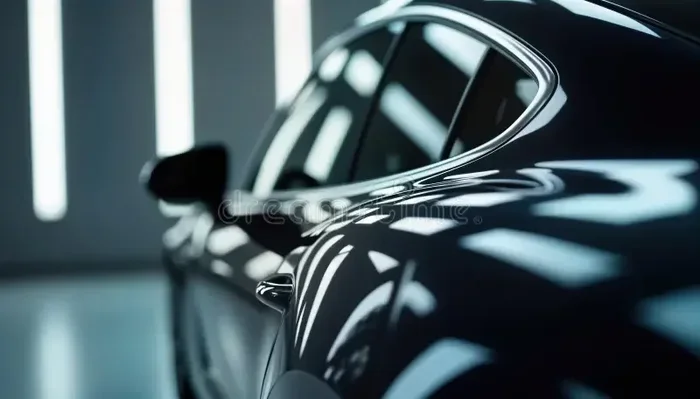
Massachusetts window tint law sets strict rules on how dark you can tint your car windows. The state regulates tint darkness by measuring visible light transmission, or VLT percentage, for every window. Sedans and SUVs follow slightly different tint darkness rules, especially for front side windows and rear windows. You also need to know the windshield tint law, reflective tint limits, and tint exemption options for medical reasons. Understanding these auto tint regulations helps you avoid a tint ticket, protect your investment, and stay safe on the road.
Massachusetts window tint law can feel confusing at first glance. You see cars driving around with dark windows and wonder, is that even legal? The truth is, every state has its own rules, and Massachusetts takes car window tinting seriously. If you live in the Bay State or are planning to tint your windows, you need to understand the legal limits. This guide breaks down everything you need to know in plain, simple language. Let us walk through the Massachusetts tint darkness rules together.
Tinting your windows is not just about style. It also helps with heat reduction, UV protection, and privacy. But there is a fine line between looking cool and breaking the law. The Massachusetts RMV enforces tint darkness rules during vehicle inspections. If your window tint film does not meet the legal limits, you could face a tint ticket. Nobody wants that. So let us dive into the details and make sure your car stays compliant.
Key Takeaways
- Front side windows must allow over 35% VLT: This is the strict tint darkness law for sedans and most passenger vehicles in Massachusetts.
- Windshield tint is limited to the top 6 inches: You cannot apply a full windshield tint strip or cover the entire glass.
- Reflective tint is not allowed on front windows: Massachusetts prohibits metallic or reflective finishes on the driver and passenger side windows.
- Medical exemption tint is available: Drivers with certain conditions can apply for a tint exemption through their physician.
- Tint violation fines can be costly: Getting caught with illegal auto tint regulations can result in fines and forced removal.
- Rear and back side windows have more flexibility: These windows can be tinted darker, but dual side mirrors are required if the rear window is heavily tinted.
- Choose a certified tint installer: Working with a professional tint installer ensures your window tint film meets Massachusetts standards.
📑 Table of Contents
- Understanding Massachusetts Window Tint Darkness Rules
- Windshield Tint Law in Massachusetts
- Reflective Tint and Other Restrictions
- Medical Exemption for Window Tint
- Fines and Penalties for Illegal Tint
- Tips for Choosing the Right Window Tint Film
- Common Mistakes Drivers Make with Window Tint
- Why Compliance with Massachusetts Window Tint Law Matters
Understanding Massachusetts Window Tint Darkness Rules
The most important part of Massachusetts window tint law is the VLT percentage. VLT stands for visible light transmission. This number tells you how much light passes through your window tint film. A higher VLT means more light gets in. A lower VLT means the window is darker. Massachusetts sets specific VLT limits for different types of vehicles. Let us break this down by car type.
Tint Darkness for Sedans
Sedan tint rules are the most common set of guidelines people ask about. Here is what the Massachusetts tint darkness law allows for sedans:
- Windshield: Non-reflective tint is allowed on the top 6 inches of the windshield only.
- Front side windows: Must allow more than 35% VLT. This means the tint cannot be too dark.
- Back side windows: Can be tinted to any darkness level.
- Rear window: Can be tinted to any darkness level.
Notice the difference between front and back windows? The front side windows must stay lighter. This is a safety requirement. Police officers need to see through the driver and passenger windows. The rear windows have more freedom because they are behind the driver.
Tint Darkness for SUVs and Vans
SUV tint rules are a bit different from sedan rules. If you drive an SUV or van in Massachusetts, here is what you need to know:
- Windshield: Same as sedans. Non-reflective tint on the top 6 inches only.
- Front side windows: Must allow more than 35% VLT.
- Back side windows: Can be tinted to any darkness level.
- Rear window: Can be tinted to any darkness level.
The legal tint limits for SUVs are very similar to sedans when it comes to the front windows. The back windows offer the same flexibility. So whether you drive a sedan or an SUV, the front side windows must follow the same VLT rule. This is one of the most consistent parts of the Massachusetts auto tint regulations.
Windshield Tint Law in Massachusetts
The windshield tint law in Massachusetts is specific and strict. You cannot just slap dark tint across your entire windshield. The state only allows a non-reflective tint strip on the very top of the windshield. This strip can cover up to 6 inches from the top edge. Everything below that line must remain clear and untinted.
Why does this rule exist? The windshield is your main view of the road. A heavily tinted windshield would reduce visibility, especially during nighttime driving or in bad weather. The top 6-inch strip is sometimes called an AS-1 line. Many car manufacturers include a tint line at this position from the factory. Staying within this limit keeps you compliant with the Massachusetts tint darkness law.
If you are considering a full windshield tint, you need to rethink that plan. No matter how much heat your car traps, a full windshield tint is not legal in Massachusetts. Stick with the top strip only. A quality window tint film applied to just that strip can still reduce glare and UV rays significantly.
Reflective Tint and Other Restrictions
Massachusetts window tint law also addresses reflective tint. Reflective tint has a mirror-like finish. It looks sleek, but it can cause problems for other drivers. Here is what you need to know about reflective finishes and other restrictions.
Is Reflective Tint Legal in Massachusetts?
The short answer is no. Massachusetts prohibits reflective or metallic tint on the front side windows. This includes both the driver and passenger side windows. Reflective tint can blind other drivers, especially at night or in bright sunlight. It also interferes with traffic enforcement cameras and police officers trying to see inside your vehicle.
For rear side windows and the rear window, reflective tint rules are less strict. However, even if reflective tint is allowed on the back windows, you still need to be cautious. Some tint installers may offer reflective options that push the boundaries. Always confirm with your tint installer that the film meets Massachusetts standards before installation.
Tint Color Restrictions
Massachusetts does not specifically ban certain tint colors. However, the tint darkness and reflectivity rules effectively limit what is practical. Red, blue, and other dark-colored tints often end up below the VLT threshold anyway. So while color is not explicitly banned, the VLT rules naturally control what you can use. Stick with standard neutral or carbon tints for the safest and most compliant choice.
Dual Side Mirrors Requirement
Here is an important rule that many people overlook. If you tint your rear window to a very dark level, Massachusetts law requires dual side mirrors. The reason is simple: a heavily tinted rear window reduces your rear visibility. Dual mirrors help compensate for this loss of sight. This is not just a suggestion. It is part of the auto tint regulations enforced during vehicle inspections.
Medical Exemption for Window Tint
Not everyone can follow the standard tint darkness rules. Some people have medical conditions that make them extremely sensitive to sunlight. For these individuals, Massachusetts offers a medical exemption tint option. This allows darker tint than the legal limits would normally permit.
Who Qualifies for a Tint Exemption?
People with certain medical conditions may qualify for a tint exemption. Common conditions include:
- Lupus: This autoimmune disease makes skin extremely sensitive to UV light.
- Photosensitivity disorders: Conditions that cause severe reactions to sunlight exposure.
- Albinism: Reduced pigmentation increases sensitivity to bright light.
- Skin cancer history: Individuals recovering from or at high risk for skin cancer.
How to Apply for a Medical Exemption
Getting a tint exemption in Massachusetts requires documentation. You need a signed statement from a licensed physician. This statement must explain your medical condition and why darker tint is necessary. You then submit this documentation to the Massachusetts RMV for approval. Once approved, you will receive a tint exemption certificate. Keep this certificate in your vehicle at all times. If you get pulled over, this document proves your tint is legal despite being darker than standard limits.
The process is straightforward but requires patience. Do not attempt to install dark tint without first obtaining your exemption. Doing so could result in a tint ticket and forced removal of the tint film. Always work with your physician and the RMV before making any changes to your vehicle.
Fines and Penalties for Illegal Tint
What happens if you get caught with illegal tint in Massachusetts? The consequences are not just a warning. The state takes tint violations seriously, and the penalties can add up quickly.
Common Penalties
- Tint ticket: You can be pulled over and cited for violating auto tint regulations.
- Fine amounts: Tint violation fines vary, but they can be significant. Repeated offenses may lead to higher costs.
- Forced removal: In many cases, you will be required to remove the illegal tint within a set timeframe.
- Failed inspection: Your vehicle will not pass the annual Massachusetts inspection if the tint does not meet legal limits.
The cost of fixing an illegal tint adds up fast. You pay for the original tint job, then you pay to remove it, and then you pay for a compliant replacement. It is far cheaper to follow the rules from the start. A professional tint installer who understands Massachusetts tint darkness rules will save you time and money in the long run.
How Tint Tickets Are Enforced
Massachusetts law enforcement officers are trained to spot illegal tint. During traffic stops, they can visually assess window darkness. They also use tint measurement devices during vehicle inspections. These devices precisely measure the VLT percentage of each window. If any window falls below the legal limit, you will be cited. This is why it is so important to know the exact legal tint limits before you get your windows tinted.
Tips for Choosing the Right Window Tint Film
Now that you understand the Massachusetts window tint law, let us talk about how to choose the right tint for your vehicle. Not all window tint film is created equal. The right choice depends on your needs, budget, and the legal requirements you must follow.
Consider the VLT Level
The first thing to check is the VLT level of the tint film you are considering. For sedans, your front side windows need a film rated above 35% VLT. For rear windows, you have more flexibility. Always ask your tint installer for the VLT rating before installation. A reputable tint installer will know the Massachusetts tint darkness rules and will only apply compliant film.
Pick the Right Tint Type
There are several types of window tint film available:
- Dyed tint: Affordable and common. It absorbs heat but may fade over time.
- Metalized tint: Offers better heat rejection but can interfere with electronics.
- Carbon tint: A popular choice that provides good heat reduction without a shiny finish.
- Ceramic tint: The premium option. It blocks heat and UV rays effectively without affecting visibility.
For Massachusetts drivers, carbon and ceramic tints are excellent choices. They meet VLT requirements while providing strong performance. Avoid highly reflective options for your front windows to stay compliant with the reflective tint rules.
Work with a Licensed Tint Installer
Always choose a licensed and experienced tint installer. A professional will know the local auto tint regulations inside and out. They will help you select the right film and apply it correctly. A poor installation job can lead to bubbling, peeling, or uneven tint. That means more money spent and more headaches down the road.
Keep Your Tint Maintenance in Mind
Once your tint is installed, proper maintenance keeps it looking great. Wait at least 30 days before rolling down your windows. Use a soft cloth and non-ammonia cleaner to wipe the glass. Avoid harsh chemicals that can degrade the tint film. With good care, your compliant window tint will last for years.
Common Mistakes Drivers Make with Window Tint
Even well-meaning drivers make mistakes when it comes to window tint. Avoiding these common errors keeps you on the right side of the Massachusetts tint darkness law.
Mistake 1: Assuming Darker Is Better
Many people believe darker tint is always better. That is not true. In Massachusetts, darker front side windows mean a violation. The legal tint limits exist for safety reasons. Choose a tint that looks great while staying within the VLT rules.
Mistake 2: Ignoring the Windshield Rule
Some tint shops apply tint across the entire windshield. This is illegal in Massachusetts. Always confirm that the tint strip is limited to the top 6 inches. A good tint installer will know this rule by heart.
Mistake 3: Forgetting About Dual Mirrors
If you tint your rear window very dark, do not forget the dual side mirrors requirement. Skipping this step means your vehicle will fail inspection. It is a small detail that makes a big difference.
Mistake 4: Skipping the Medical Exemption Process
If you need a medical exemption tint, do not just install dark tint without approval. The application process exists for a reason. Skipping it puts you at risk for a tint ticket and unnecessary expenses.
Why Compliance with Massachusetts Window Tint Law Matters
Following the Massachusetts window tint law is about more than avoiding fines. It is about safety, visibility, and respect for the rules that keep everyone on the road protected. Dark or reflective tint can reduce visibility for you and for other drivers. It can also make it harder for police officers to see inside your vehicle during a traffic stop. By choosing legal tint darkness and working with a certified tint installer, you contribute to safer roads for everyone.
Compliance also protects your vehicle value. If you ever plan to sell or trade in your car, illegal tint can lower its appraisal value. Buyers and dealers look for vehicles that pass inspection without issues. A properly tinted car that meets all auto tint regulations is more attractive on the used market. It shows that the owner has maintained the vehicle responsibly.
Finally, staying compliant gives you peace of mind. You will not worry about getting pulled over or receiving a tint ticket every time you drive. You can enjoy the benefits of window tinting, including UV protection, heat reduction, and added privacy, without the stress of potential legal trouble. That is a win-win situation for every Massachusetts driver.
Understanding the Massachusetts tint darkness rules does not have to be complicated. Focus on the VLT percentages, respect the windshield limits, and work with a professional tint installer. If you qualify, explore the medical exemption tint option. Keep your dual mirrors if your rear window is heavily tinted. Follow these simple steps and your vehicle will pass every inspection with confidence.
Massachusetts window tint law exists to balance personal style with public safety. The state allows enough flexibility for you to enjoy tinted windows while keeping the rules clear and enforceable. Whether you drive a sedan, SUV, or van, the guidelines are straightforward once you understand them. Take the time to learn the rules, choose quality window tint film, and enjoy your ride with full confidence that you are doing things the right way.
Stay informed, stay compliant, and enjoy the benefits of legal window tinting in the Bay State. Your car, your safety, and your wallet will all thank you for it.
Frequently Asked Questions
What is the legal tint darkness for front side windows in Massachusetts?
The legal tint darkness for front side windows in Massachusetts requires a VLT percentage greater than 35%. This means your front driver and passenger side windows must allow more than 35% of visible light to pass through the window tint film. Any tint darker than this limit is considered illegal and can result in a tint ticket.
Can I tint my windshield in Massachusetts?
Yes, but only the top 6 inches of the windshield can have a non-reflective tint strip. The rest of the windshield must remain completely clear. This windshield tint law is strictly enforced during Massachusetts vehicle inspections and traffic stops.
How do I get a medical exemption tint in Massachusetts?
To get a medical exemption tint, you need a signed statement from a licensed physician explaining your medical condition and why darker tint is necessary. Submit this documentation to the Massachusetts RMV for approval. Once approved, you will receive a certificate that allows you to legally tint your windows darker than standard limits.
What happens if I get a tint ticket in Massachusetts?
If you receive a tint ticket in Massachusetts, you will face a fine and may be required to remove the illegal tint. Your vehicle could also fail its annual inspection until the tint is brought into compliance. Repeated violations can lead to higher fines and additional legal consequences.
Are there different tint rules for sedans and SUVs in Massachusetts?
The front side window tint rules are the same for sedans and SUVs. Both must have a VLT percentage above 35%. The rear and back side windows can be tinted to any darkness for both vehicle types. The main difference is that SUVs and vans have the same flexibility as sedans, but the front window limits remain consistent across all passenger vehicles.
Do I need dual side mirrors if my rear window is tinted dark?
Yes, Massachusetts law requires dual side mirrors if your rear window is tinted to a very dark level. This rule compensates for reduced rear visibility caused by heavy tint on the rear window. Without dual mirrors, your vehicle will not pass inspection and you could face a tint violation fine.
=== CONCLUSION ===
Massachusetts window tint law sets clear rules that every driver should follow. From the 35% VLT requirement for front side windows to the 6-inch windshield tint limit, the regulations are designed to keep everyone safe on the road. Understanding the tint darkness law, reflective tint restrictions, and medical exemption options empowers you to make smart choices for your vehicle. Whether you drive a sedan or an SUV, staying compliant with the Massachusetts RMV standards is essential. Work with a trusted tint installer, choose the right window tint film, and keep your paperwork in order if you qualify for an exemption. By following these guidelines, you enjoy the benefits of tinted windows while avoiding fines, failed inspections, and unnecessary hassle. Stay informed, stay compliant, and drive with confidence knowing your vehicle meets every Massachusetts tint regulation.