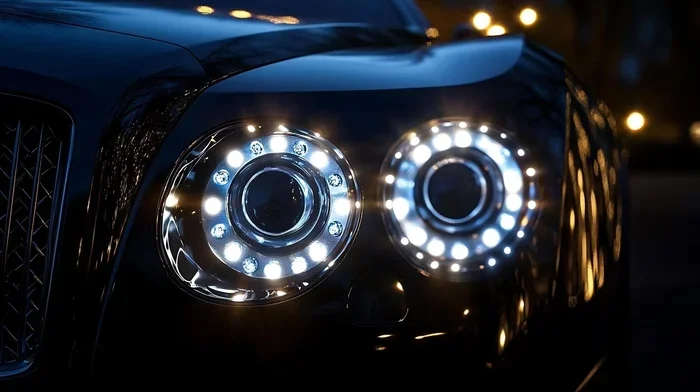
What Triggers Automatic Headlights and Why It Matters
What triggers automatic headlights is a question many drivers overlook until they find themselves in the dark with lights off. These smart systems use a light sensor to detect ambient light levels and activate your headlights without any input from you. Understanding the auto light system can improve your safety, extend bulb life, and keep you compliant with traffic laws.
Have you ever pulled out of a parking garage and realized your headlights were off? Or maybe you’ve driven into a tunnel and noticed your lights flick on right at the perfect moment. That’s your automatic headlights doing their job. But have you ever wondered exactly what triggers automatic headlights to turn on and off?
Most drivers take their auto light system for granted. They assume the lights will just work whenever needed. But understanding how this vehicle lighting system operates can help you stay safer on the road. It also helps you troubleshoot problems when things go wrong.
Automatic headlamps are designed to make driving easier and safer. They remove the guesswork from deciding when to turn your lights on. In this article, we’ll explore every trigger that activates your headlights. We’ll also cover settings, common problems, and tips to keep the system working perfectly.
Key Takeaways
- Light Sensor Is the Main Trigger: Your car’s photoelectric sensor detects changes in ambient light and signals the headlight relay to turn lights on or off.
- Weather and Conditions Matter: Rain, fog, tunnels, and heavy cloud cover can all trigger or challenge your automatic light control system.
- Dusk to Dawn Lights Are a Separate Setting: Some vehicles use a twilight sensor setting that keeps lights on from sunset to sunrise.
- Dashboard Warning Lights Help Diagnose Issues: A dashboard light sensor alert can tell you when something is wrong with your vehicle lighting system.
- Regular Maintenance Keeps the System Reliable: Cleaning the sensor and checking the light control module prevents common headlight activation failures.
- Auto High Beams Add Another Layer: Automatic high beams use the same sensor to switch between low and high beam based on traffic ahead.
📑 Table of Contents
How Automatic Headlights Actually Work
The Science Behind Light Detection
Your car’s automatic headlights rely on a small but powerful component called a light sensor. This sensor is usually located on the dashboard near the windshield or on the top of the dashboard itself. It works by measuring the amount of ambient light in your surroundings at all times.
The sensor uses photoelectric sensor technology that converts light into electrical signals. When the light level drops below a certain light threshold, the sensor sends a signal to the car’s computer. The computer then activates the headlight relay, which powers up your headlights. This whole process happens in seconds. You won’t even notice the transition. But the system is constantly monitoring your environment. It adjusts based on real-time conditions, not just a fixed schedule.
What Happens Inside Your Car
When the light sensor detects low light, it sends data to the light control module. This module acts as the brain of your auto light system. It processes the information and decides whether to activate the headlights.
The headlight relay is the switch that actually turns the lights on. It receives a signal from the module and completes the electrical circuit. This sends power to the headlights, causing headlight activation. When light levels rise again, the process reverses. The sensor detects increased brightness, the module sends a signal, and the relay turns the lights off. It’s a seamless loop that runs every time you drive.
Some vehicles also feature automatic high beams. These use the same light sensor to switch between low and high beam settings. When there’s no traffic ahead, the system engages high beams for better visibility. When it detects oncoming traffic, it switches back to low beam. This adds another layer of convenience and safety to your vehicle lighting system.
The Main Triggers That Activate Your Headlights
Understanding the specific triggers helps you know when to expect your lights to come on. Let’s break down the most common ones in detail.
Ambient Light Levels
The primary trigger for any automatic headlight system is the level of ambient light around your vehicle. During the day, there’s plenty of natural light. The sensor keeps the headlights off because it detects sufficient brightness.
As the sun sets or clouds roll in, the ambient light drops. Once it falls below the light threshold, the system activates the headlights. This threshold varies by vehicle but is typically set to activate at dusk or in shaded areas. Some cars allow you to adjust this sensitivity. A higher sensitivity means the lights turn on earlier, even in marginal light. A lower sensitivity means the lights stay off until it’s quite dark.
Here are common situations where ambient light drops enough to trigger activation:
- Driving through tree-lined roads
- Entering shaded areas or underpasses
- Driving during heavy overcast conditions
- Sunset and sunrise transitions
- Parking garages and covered walkways
Twilight and Dawn Transitions
Twilight is one of the most common triggers for automatic headlights. As the sun dips below the horizon, the sky darkens quickly. The light sensor picks up this change and activates your lights. At dawn, the reverse happens. As the sky brightens, the sensor detects increased ambient light and turns the headlights off.
This is why many drivers notice their lights coming on right around sunset. The transition is smooth and automatic. You don’t need to lift a finger.
Some vehicles also offer a dusk to dawn lights setting. This keeps the headlights on from sunset to sunrise regardless of current light conditions. It’s useful in areas with heavy tree cover or frequent cloudy weather. The twilight sensor in these systems is calibrated to maintain a consistent level of illumination throughout the night.
Weather and Environmental Factors
Weather conditions play a big role in headlight activation. Rain, fog, snow, and heavy cloud cover can all reduce ambient light enough to trigger the system. Even on a daytime storm, your automatic headlamps may turn on because the sky has darkened significantly.
Tunnels and covered bridges are another common trigger. When you enter a tunnel, the light sensor detects a sudden drop in brightness. The headlights turn on immediately. When you exit, they turn off again. Garages, parking structures, and tree-lined roads can also cause the same effect. Any environment where light sensitivity drops suddenly will trigger the system.
Here’s a quick comparison of how different conditions affect your automatic light control:
| Condition | Likelihood of Activation | Reason |
|---|---|---|
| Bright Sunny Day | Very Low | High ambient light levels |
| Heavy Overcast | Moderate to High | Reduced natural light |
| Rain or Snow | High | Darkened sky and surroundings |
| Fog | Very High | Severe reduction in visibility and light |
| Tunnel Entry | Immediate | Sudden drop in ambient light |
| Tree-Shaded Road | Moderate | Intermittent light reduction |
| Sunset/Dawn | Very High | Natural transition to low light |
Common Settings and Controls You Should Know
Not all automatic light control systems work the same way. Different vehicles offer different settings. Understanding these helps you get the most from your system and avoid confusion.
Auto vs. Manual Headlight Switch
Most modern cars come with a headlight switch that has an “Auto” position. When set to Auto, the light sensor controls when the headlights turn on and off. When set to manual, you control the lights yourself. The Auto position is convenient and safe. It ensures your lights are always on when needed. But some drivers prefer manual control because they don’t like the lights turning on too early or too late.
Here’s a quick comparison of the two settings:
| Feature | Auto Mode | Manual Mode |
|---|---|---|
| Light Activation | Automatic based on sensor | Driver-controlled |
| Convenience | High | Low |
| Safety | High | Depends on driver |
| Bulb Life | Optimized | May be shorter if left on |
| Best For | Daily driving | Specific conditions |
| Light Threshold Control | Automatic | Driver decides |
Twilight Sensor Setting
Some vehicles offer a dedicated twilight sensor setting. This is different from the standard Auto mode. The twilight sensor keeps the headlights on during low-light periods like dusk and dawn. This setting is especially useful for drivers who frequently travel during twilight hours. It ensures the lights stay on even if the ambient light is borderline. The system doesn’t wait for full darkness to activate.
To use this setting, look for a symbol on your headlight switch that looks like a sun with rays. Consult your owner’s manual for the exact location and operation. This setting works hand in hand with the light control module to maintain consistent illumination during transitional light periods.
Dashboard Light Sensor and Dimming
Many cars also have a dashboard light sensor that controls the brightness of your instrument cluster. This sensor works similarly to the headlight sensor but focuses on the dashboard area. When your headlights turn on, the dashboard lights may dim or change brightness. This is normal and helps reduce glare at night. The light control module manages this adjustment automatically.
If your dashboard lights seem too bright or too dim at night, the dashboard light sensor might need cleaning. Dust and dirt can block the sensor and affect its readings. A quick wipe with a microfiber cloth usually fixes the problem.
Why Automatic Headlights Matter for Safety
Automatic headlights aren’t just a convenience feature. They play a critical role in road safety. Let’s look at why this matters so much for every driver.
Reduced Accident Risk
Driving with your headlights on increases your visibility to other drivers. Studies show that using headlights during the day reduces collision risk. Automatic headlamps make this easy by activating without any effort from you. When you’re driving in low light and forget to turn on your lights, you become a hazard. Other drivers may not see you in time. Automatic headlights eliminate this risk by ensuring your lights are always on when conditions demand it.
This is especially important during winter months when days are short and weather is poor. The auto light system handles the switching so you can focus on the road. Rainy afternoons, early morning commutes, and evening drives all benefit from automatic low beam activation without any driver input.
Legal Compliance and Penalties
Many countries and states require headlights to be on during certain conditions. Driving without lights when required can result in fines. In some areas, it can also lead to points on your license. Automatic headlights help you stay compliant without thinking about it. The system activates the lights whenever the light threshold is met. This means you’re less likely to get caught driving with lights off in dim conditions.
Check your local traffic laws to understand when headlights are required. In most places, it’s during nighttime, in tunnels, and during heavy rain or fog. Having automatic headlamps ensures you’re always on the right side of the law.
Expert Insight: “Most drivers don’t realize their automatic headlights have a sensor that needs maintenance. A dirty sensor is the number one cause of headlight activation failures. A simple wipe-down can solve the problem.” – Automotive Lighting Specialist
Expert Insight: “The light control module in modern vehicles is incredibly sophisticated. It doesn’t just turn lights on and off. It adjusts brightness, manages automatic high beams, and communicates with other systems. Understanding this helps drivers appreciate the technology in their car.” – Vehicle Electronics Engineer
Troubleshooting: When Your Auto Headlights Don’t Work
Even the best vehicle lighting system can have problems. Here are the most common issues and how to fix them.
Dirty or Covered Sensors
The most common reason for headlight activation failure is a dirty sensor. The light sensor is usually mounted on the dashboard near the windshield. Over time, dust, dirt, and even stickers can block it. When the sensor is blocked, it can’t read ambient light accurately. This means the headlights might not turn on when they should. Cleaning the sensor is usually a quick fix.
Use a soft microfiber cloth to gently wipe the sensor area. Avoid using harsh chemicals that could damage the sensor surface. A clean sensor ensures accurate light sensitivity readings and reliable headlight activation every time.
Faulty Headlight Relay
The headlight relay is the electrical switch that powers the headlights. If the relay fails, the lights won’t turn on even if the sensor detects low light. Signs of a faulty relay include:
- Headlights don’t turn on in Auto mode
- Lights stay on even in bright daylight
- Clicking sound when turning the headlight switch
- Intermittent headlight operation
Replacing a relay is usually inexpensive and straightforward. Consult a mechanic if you’re not comfortable doing it yourself. A working relay is essential for the entire auto light system to function properly.
Light Control Module Problems
The light control module is the computer that processes sensor data and controls the headlights. If this module fails, the entire vehicle lighting system can stop working. Symptoms of a failing module include:
- Headlights don’t respond to light changes
- Dashboard warning light for the lighting system
- Lights stay on or off regardless of conditions
- Flickering or dimming that doesn’t match conditions
A light control module repair can be more costly than a relay replacement. Have a professional diagnose the issue before replacing any parts. Early detection can save you money and keep your automatic headlights working reliably.
Quick Tips for Prevention
- Tip 1: Clean your light sensor monthly to prevent false readings and maintain proper light sensitivity.
- Tip 2: If your lights stay on during the day, check the sensor first before replacing the relay.
- Tip 3: After a windshield replacement, make sure the sensor area is not covered by tape or residue.
- Tip 4: Replace burned-out bulbs promptly. Even the best auto light system can’t produce light with dead bulbs.
Common Mistakes to Avoid
- Mistake 1: Ignoring the dashboard warning light. If your vehicle lighting system has a warning indicator, don’t ignore it. Address it early.
- Mistake 2: Assuming Auto mode always works perfectly. The sensor can be blocked or malfunction without obvious signs. Regular checks help.
- Mistake 3: Never checking the headlight bulbs. Even a perfect auto light system won’t produce light if the bulbs are burned out.
- Mistake 4: Using the wrong bulb type. Always match bulbs to your vehicle’s specifications for proper low beam activation.
Tips to Get the Most from Your Automatic Light System
Your automatic headlights work best when you take care of them. Here are some practical tips that make a real difference.
Keep the Sensor Clean
The light sensor is the heart of your automatic headlight system. Keeping it clean ensures accurate readings and reliable headlight activation. Wipe the sensor area with a microfiber cloth every few weeks. Pay special attention after car washes or during pollen season. A clear sensor means your auto light system works exactly when you need it.
Know When to Override
There are times when you should manually override the automatic light control system. For example, during heavy rain at midday, you might want the lights on even if the sensor doesn’t trigger them. Also, when driving in tunnels or underground parking, the system will turn the lights on. But when you exit, it may take a moment to turn them off. In these brief moments, manually turn the lights off if needed.
Knowing when to take manual control is part of being a smart driver. The automatic headlights are designed to assist you, not replace your judgment.
Regular System Checks
Just like any other car system, your vehicle lighting system benefits from regular checks. Have a mechanic inspect the sensor, relay, and module during routine service visits. Check your owner’s manual for the recommended maintenance schedule. A quick inspection can catch small problems before they become expensive repairs.
Also, keep an eye on your dashboard light sensor readings. If you notice the instrument cluster brightness changing erratically, it could be a sign that the sensor needs attention. Catching small issues early keeps your automatic headlamps functioning at their best.
Conclusion
What triggers automatic headlights comes down to a few key factors: ambient light levels, weather conditions, and the light sensor readings in your vehicle. The auto light system works hard to keep you safe without requiring any effort on your part.
By understanding how the system works and what triggers headlight activation, you can troubleshoot problems faster and keep your automatic headlamps in top shape. Regular maintenance, clean sensors, and knowing when to override the system are all part of being a smart driver.
Take a moment to locate your light sensor and give it a quick wipe. Check your headlight switch settings. And if something doesn’t seem right, don’t ignore it. A well-functioning vehicle lighting system is one of the simplest ways to stay safe on the road. Your automatic headlights work for you every time you drive. Make sure you give them the care they deserve.
Frequently Asked Questions
What is the main trigger for automatic headlights?
The main trigger is the light sensor detecting a drop in ambient light levels. When the surrounding brightness falls below the light threshold, the system activates the headlight relay and turns the lights on automatically.
Can weather conditions affect automatic headlight activation?
Yes, weather conditions like rain, fog, snow, and heavy cloud cover can reduce ambient light enough to trigger the system. Even during daytime storms, your automatic headlamps may turn on because the sky has darkened significantly.
How do I know if my light sensor is dirty?
Signs of a dirty light sensor include headlights not turning on when it gets dark, lights staying on during bright daylight, or inconsistent headlight activation. A simple cleaning with a microfiber cloth usually resolves the issue.
What is the difference between auto mode and the twilight sensor setting?
Auto mode activates headlights based on real-time ambient light readings. The twilight sensor setting keeps the lights on during low-light periods like dusk and dawn, regardless of brief brightness changes. Check your owner’s manual for the exact symbol and operation of this setting on your headlight switch.
Are automatic headlights legal requirements in most places?
While not all jurisdictions require them, many areas mandate that headlights be on during nighttime, in tunnels, and during poor weather. Automatic headlights help you stay compliant without manual intervention, reducing the risk of fines and accidents.
How often should I maintain my automatic light system?
Clean the light sensor monthly and have a mechanic inspect the light control module, headlight relay, and bulbs during routine service visits. Regular maintenance prevents most common headlight activation problems and extends the life of your vehicle lighting system.